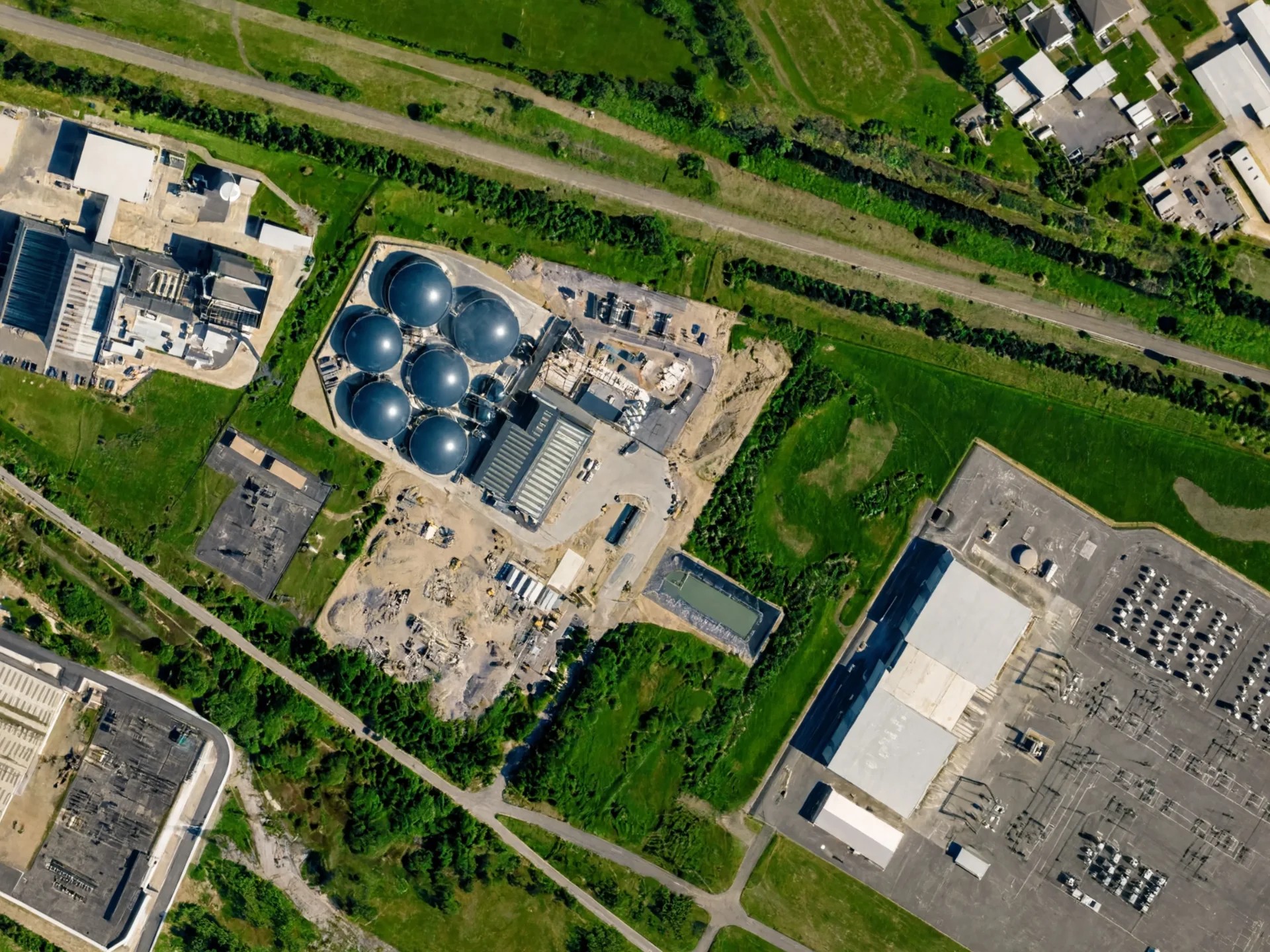
Europe's First Cross-Border BECCS Chain Launches
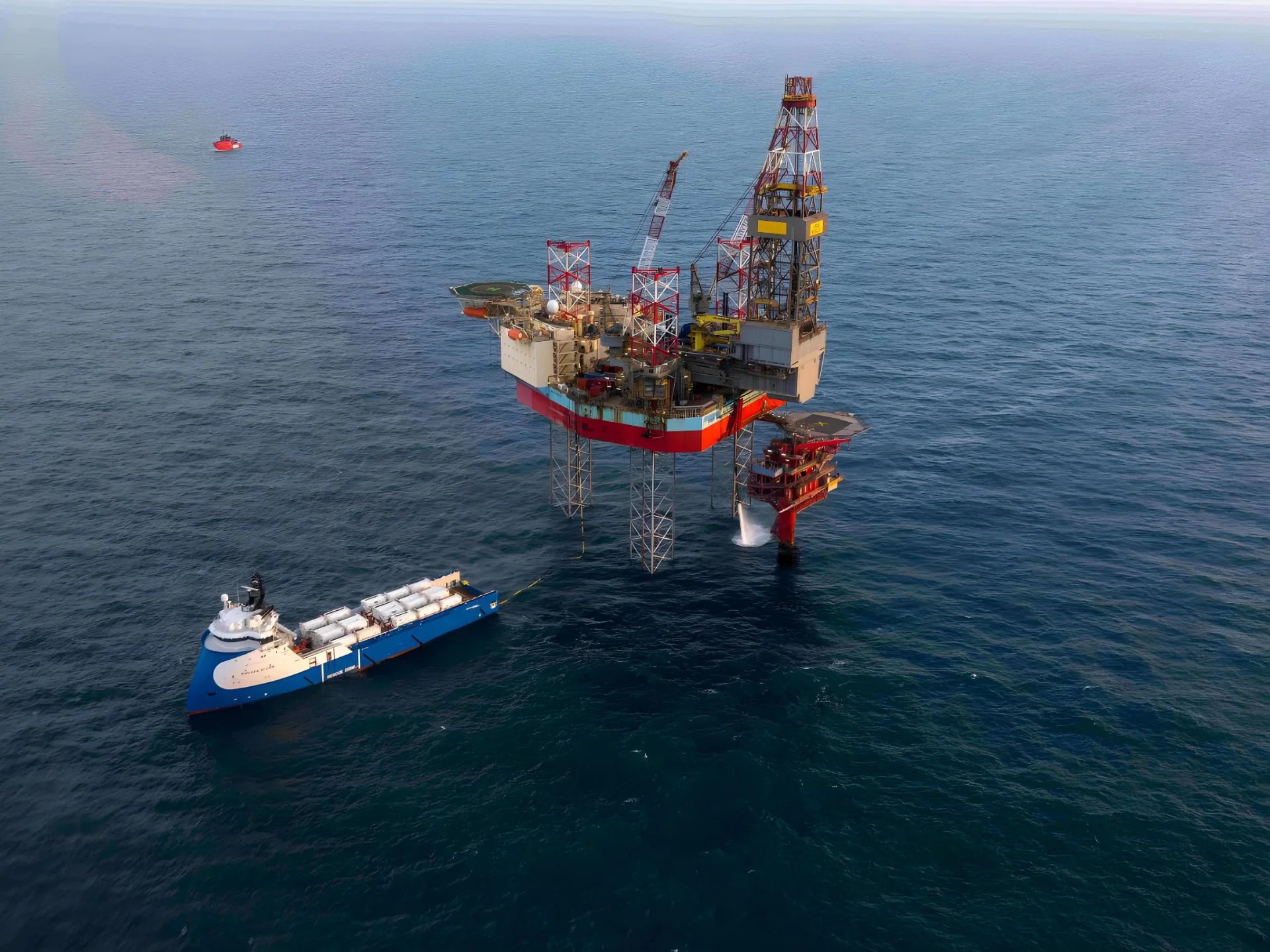
On 2 September, Europe's first BECCS chain (bioenergy with carbon capture and storage) spanning several countries and transport modes went into commercial operation: the biomethane plant in Niederwil, Switzerland, now continuously collects, liquefies and exports biogenic carbon dioxide, which is finally stored permanently beneath the floor of the North Sea.
From capture to the seabed
The Niederwil plant is operated by Regionalwerke AG Baden (RWB) and captures the biogenic carbon dioxide produced during the anaerobic digestion of agricultural and food industry waste.
The facility can process up to 4,300 tonnes of CO₂ a year.
A coordinated, multi-stage logistics chain carries the captured and liquefied gas to its final storage site: by truck from Niederwil to the rail hub in Basel, by rail through Germany to Hamburg, and by truck again to the port of Esbjerg in Denmark. From there it is shipped to the North Sea, where, under Project Greensand led by INEOS Energy, it is injected into a geological reservoir 1,800 m below the seabed in the depleted Nini West field.
Counting the emissions of the entire transport chain, the project achieves a net atmospheric removal efficiency of 91.7%.
In its 2023 pilot phase, Project Greensand was already the first in the world to prove that carbon dioxide can be safely transported and stored across maritime borders.
Why this matters so much for Switzerland
Switzerland is a landlocked country with no deep geological storage capacity of its own, which makes it hard to reach the 2050 net-zero target set in the Climate and Innovation Act (KlG), approved by referendum in 2023 and in force since 2025 (BAFU, n.d.). The law's interim targets require emissions to fall by 75% compared with 1990 levels by 2040 and by 89% by 2050 – and the remaining hard-to-avoid emissions must be offset with carbon capture and storage technologies.
The Niederwil project is the country's first commercial initiative to export captured carbon dioxide for international storage, and the first non-Danish project to use Project Greensand's storage capacity.
The emission reduction units are certified by the Swiss Federal Office for the Environment. Funding comes in part from the Climate Cent Foundation's advance purchase commitment of CHF 10 million (about €10.5 million) running until 2030. Airfix, CO2 Energie AG and South Pole took part in the development, the HOYER Group coordinated the logistics, and the Migros Pioneer Fund and Carbon Impact provided support in the early stages.
Summary
The Niederwil plant's model shows how smaller, decentralised biogas plants can connect to Northern Europe's offshore carbon dioxide storage infrastructure. It could offer a scalable template for biogas producers in other, mainly landlocked European countries, who could enter the carbon removal market through similar logistics partnerships and help meet the continent's climate goals.
On 2 September, Europe's first BECCS chain spanning several countries went into commercial operation. The biomethane plant in Niederwil, Switzerland, operated by Regionalwerke AG Baden, captures up to 4,300 tonnes a year of biogenic carbon dioxide from the anaerobic digestion of agricultural and food industry waste. The liquefied gas travels by truck, rail and truck again through Germany to Esbjerg in Denmark, and from there by ship to the North Sea, where it is stored permanently 1,800 m below the seabed in the depleted Nini West field as part of INEOS Energy's Project Greensand. Counting the whole transport chain, the project achieves a net removal efficiency of 91.7%. It is Switzerland's first commercial international carbon dioxide export and helps the country meet its 2050 net-zero target. Funding comes in part from a CHF 10 million advance purchase commitment by the Climate Cent Foundation running until 2030. Airfix, CO2 Energie AG and South Pole took part in the development, and the HOYER Group coordinated the logistics.
On 2 September, Europe's first BECCS chain spanning several countries and transport modes went into commercial operation. The biomethane plant in Niederwil, Switzerland, is operated by Regionalwerke AG Baden (RWB); it captures biogenic carbon dioxide from the anaerobic digestion of agricultural and food industry waste, up to 4,300 tonnes a year. The liquefied gas is trucked from Niederwil to the rail hub in Basel, carried by rail through Germany to Hamburg, and then trucked again to the port of Esbjerg in Denmark. From there it goes by ship to the North Sea, where, under Project Greensand led by INEOS Energy, it is injected into a reservoir 1,800 m below the seabed in the depleted Nini West field. Counting the emissions of the entire transport chain, the project achieves a net atmospheric removal efficiency of 91.7% – and in its 2023 pilot phase Project Greensand was already the first in the world to prove that cross-border offshore CO2 storage works. As a landlocked country, Switzerland has no deep geological storage of its own, so the Niederwil project is key to meeting the 2050 net-zero target set in the climate and innovation law approved by referendum in 2023 and in force since 2025. It is the country's first commercial international carbon dioxide export, and the first non-Danish project to use Project Greensand's storage capacity. The emission reductions are certified by the Swiss Federal Office for the Environment, and funding comes in part from the Climate Cent Foundation's CHF 10 million (about €10.5 million) advance purchase commitment running until 2030. Airfix, CO2 Energie AG and South Pole took part in the development, the HOYER Group coordinated the logistics, and the Migros Pioneer Fund and Carbon Impact provided support in the early stages. The model could serve as a template for other European biogas producers without access to offshore storage.

From 4 November, companies that want to buy biomethane can post their demand on the European Commission's platform and producers can bid from January. Here is what to do now and what the scheme will not give you.
Berlin wants gas and heating oil suppliers to sell a rising share of renewable fuels to households from 2028, but biomethane producers say the draft design favours hydrogen.
W4 relaunches with a new website, an English edition, dedicated series pages and a separate professional hub – the same coverage, with far better tools for reading and finding it.
A new analysis finds that global biomethane production could in theory cover much of international shipping's early decarbonisation energy demand, but regulatory details may decide whether it actually reaches the seas.