Technology
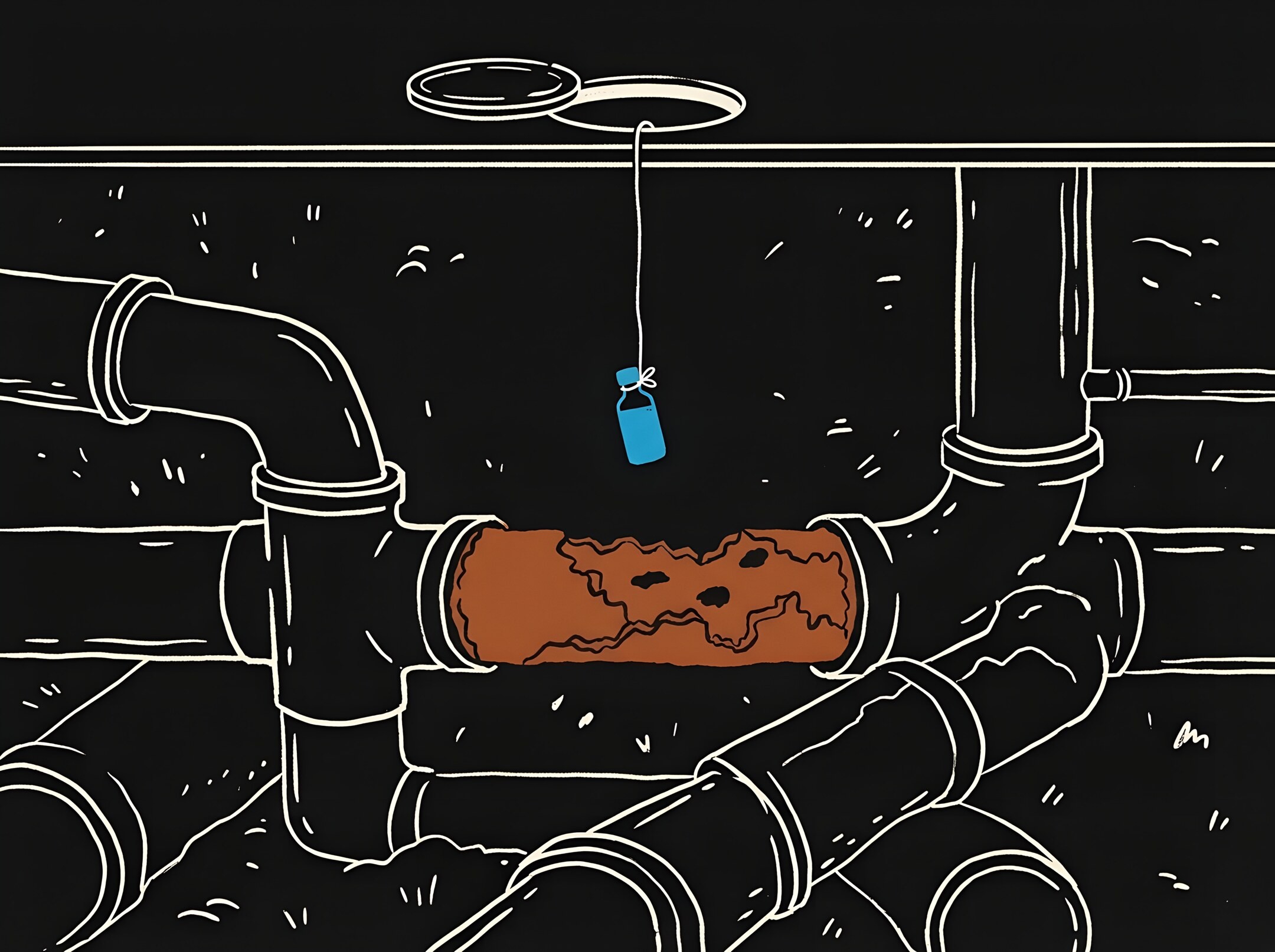
Wastewater DNA Shows Which Sewer Is Corroding

Japanese researchers combined bacterial DNA from wastewater with pipe data and machine learning to flag the sewer sections most prone to corrosion – across the whole network, before the camera goes in.

Home Batteries That One Cloud Can Switch Off
The Dutch Authority for Digital Infrastructure warns that the shared cloud back ends behind home batteries, inverters and heat pumps could threaten grid stability, a risk EU rules only partly address.
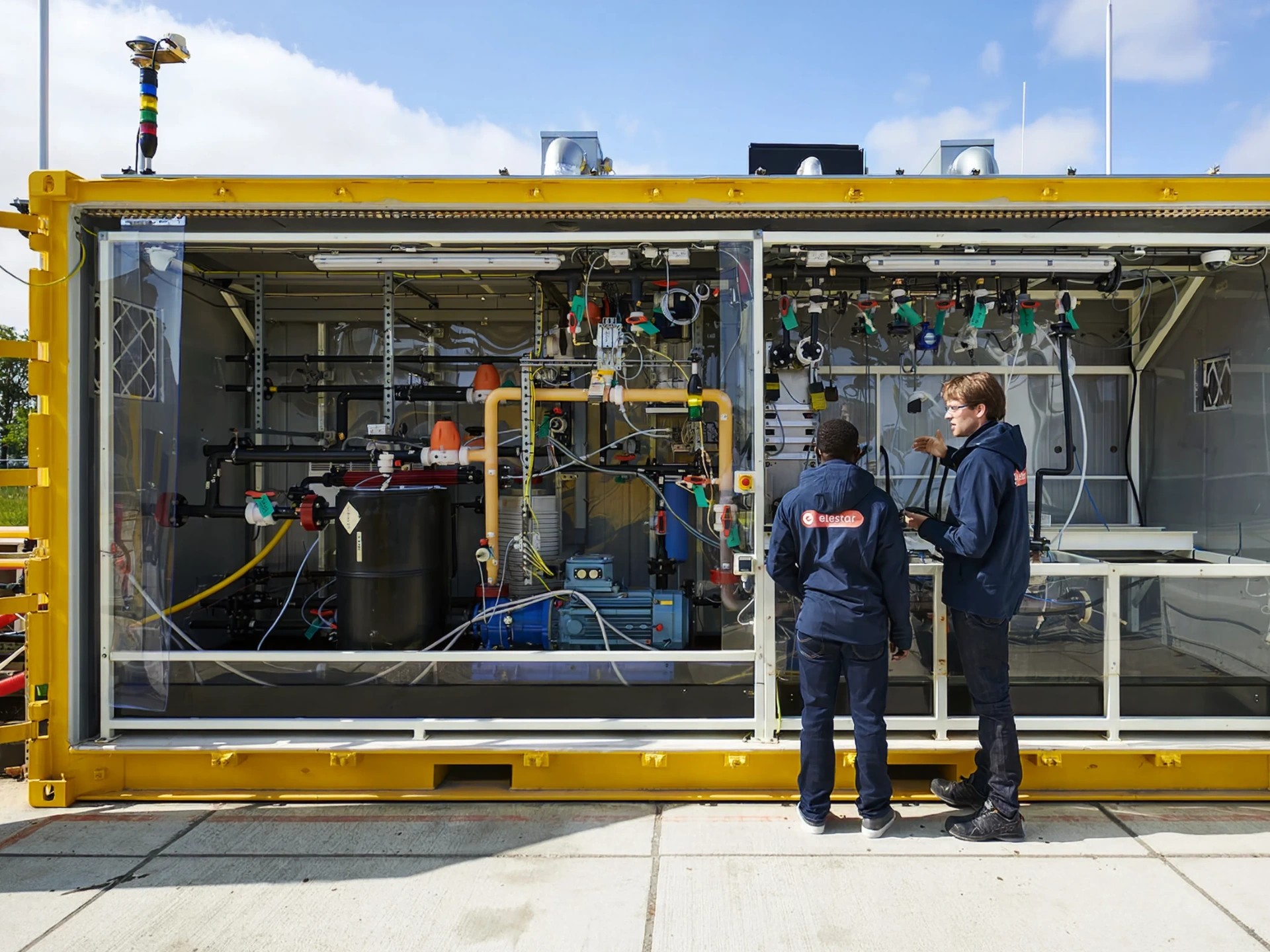
Hydrogen-Iron Battery at Europe's Largest Wind Farm
Dutch developer Elestor is installing a 20 MW/200–800 MWh hydrogen-iron flow battery at Windpark Zeewolde, as both market sentiment towards the technology and the management of Dutch grid congestion enter a new phase.
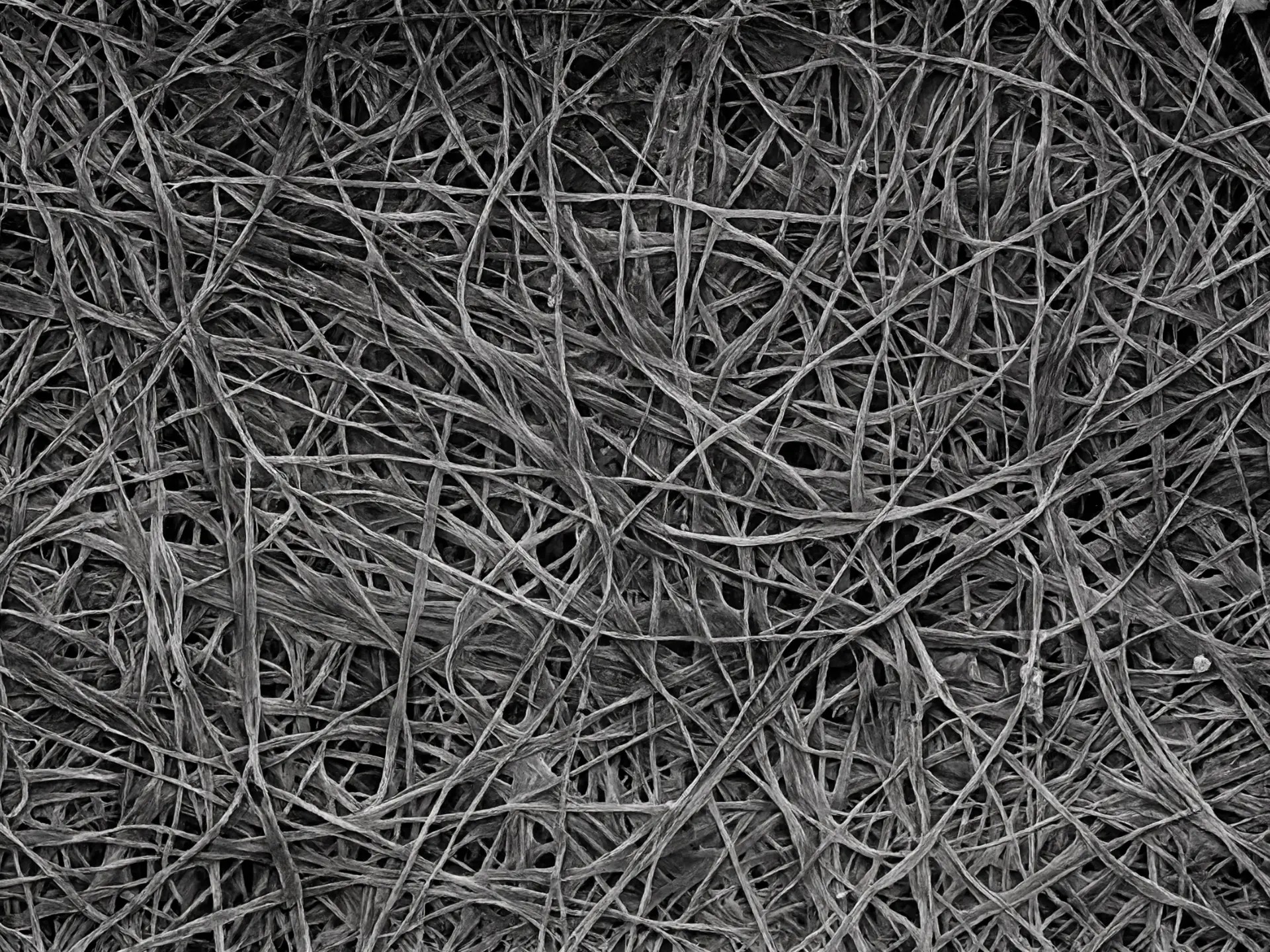
A Wonder Weapon Is Born in the Fight Against Forever Chemicals
A cheap waste-derived material that can capture up to 90% of PFAS where activated carbon keeps failing.
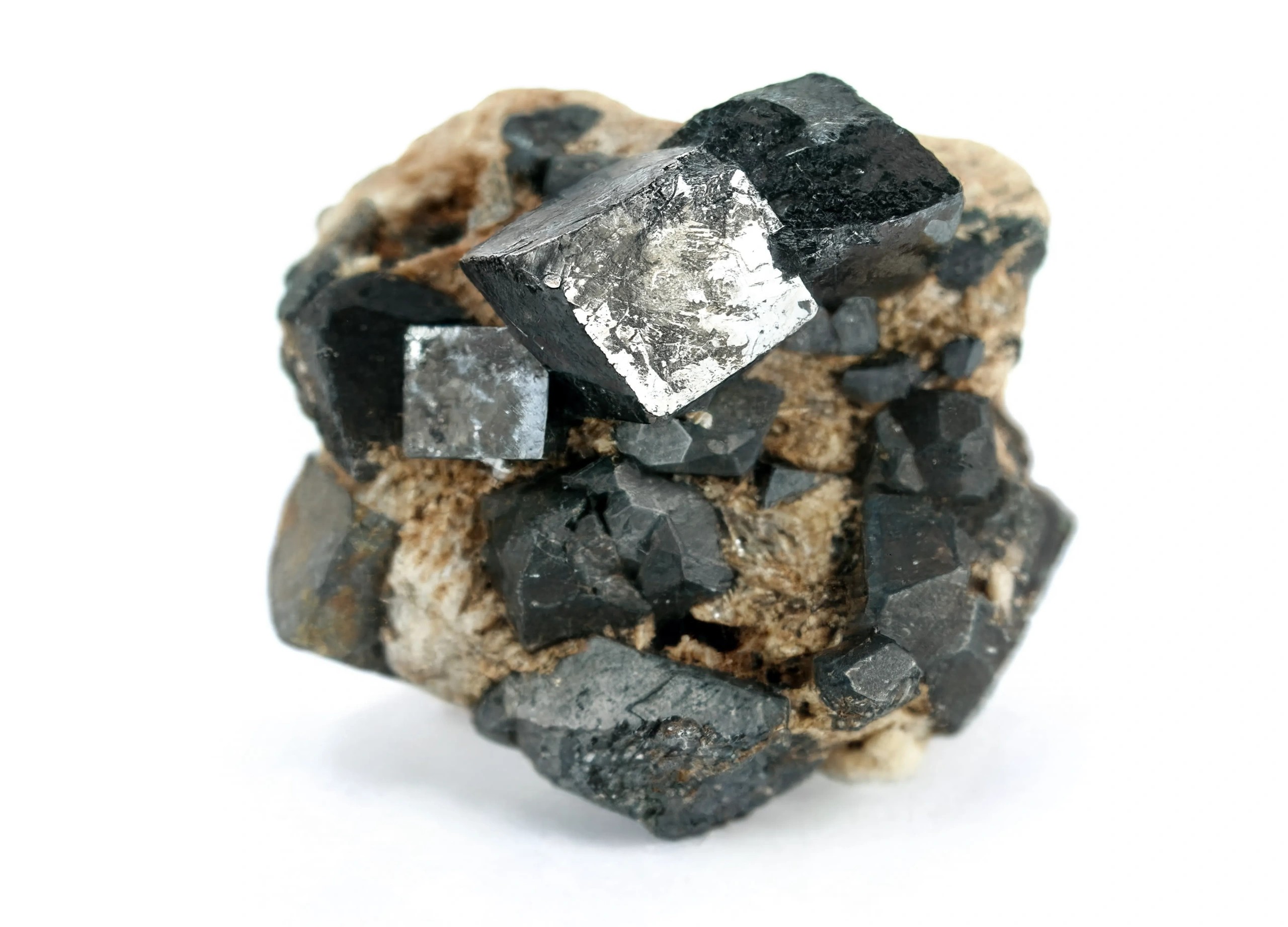
Green Hydrogen Gets Greener
Researchers at the University of Birmingham have developed a perovskite catalyst that can split water into hydrogen at temperatures up to 500 °C lower than current processes – a step closer to cheap hydrogen from industrial waste heat.
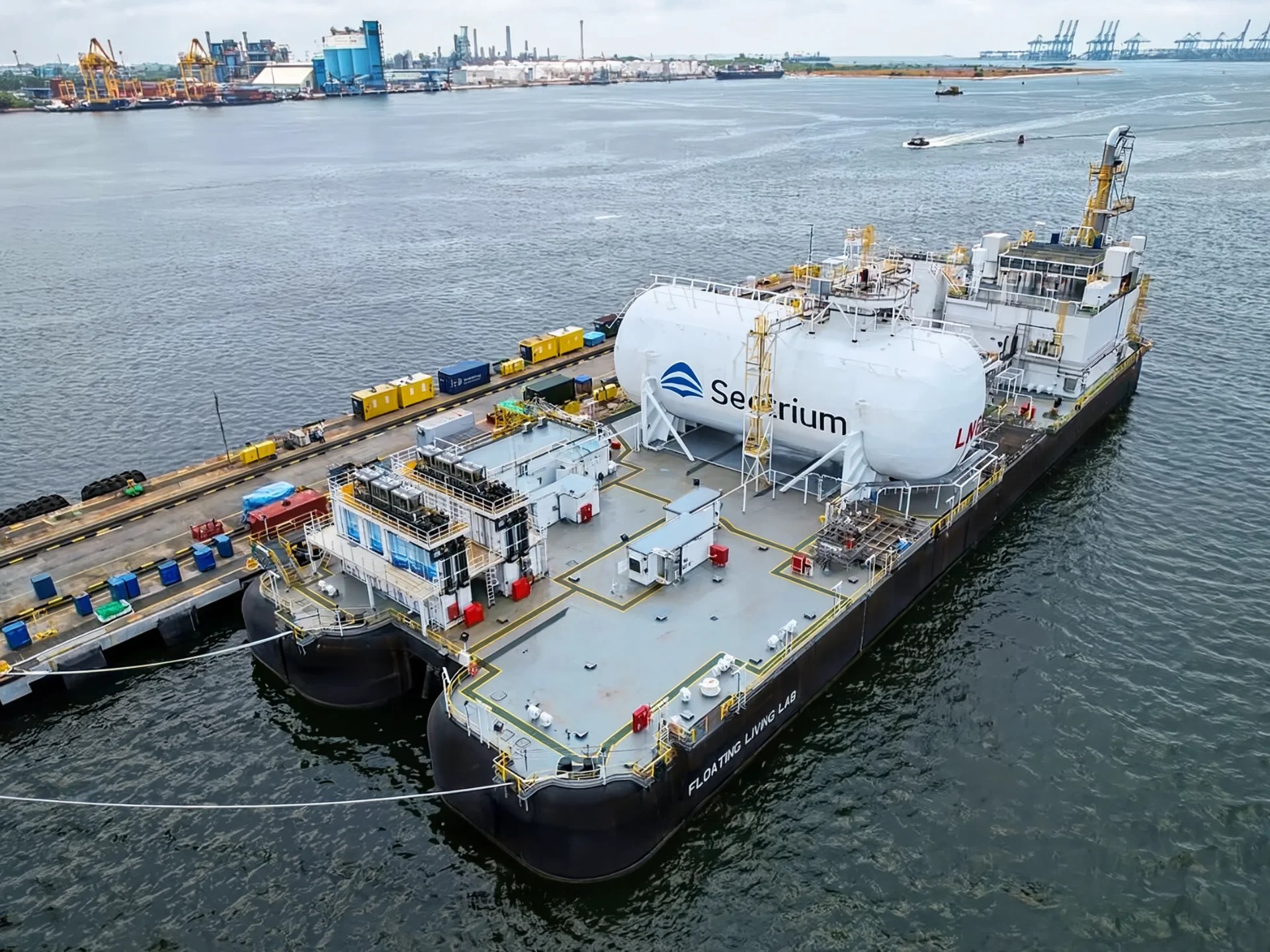
World's First Floating Power Plant Feeds Singapore's Grid
Seatrium's remotely controlled floating platform has delivered electricity to Singapore's power grid for the first time, paving the way for a new type of offshore energy infrastructure.
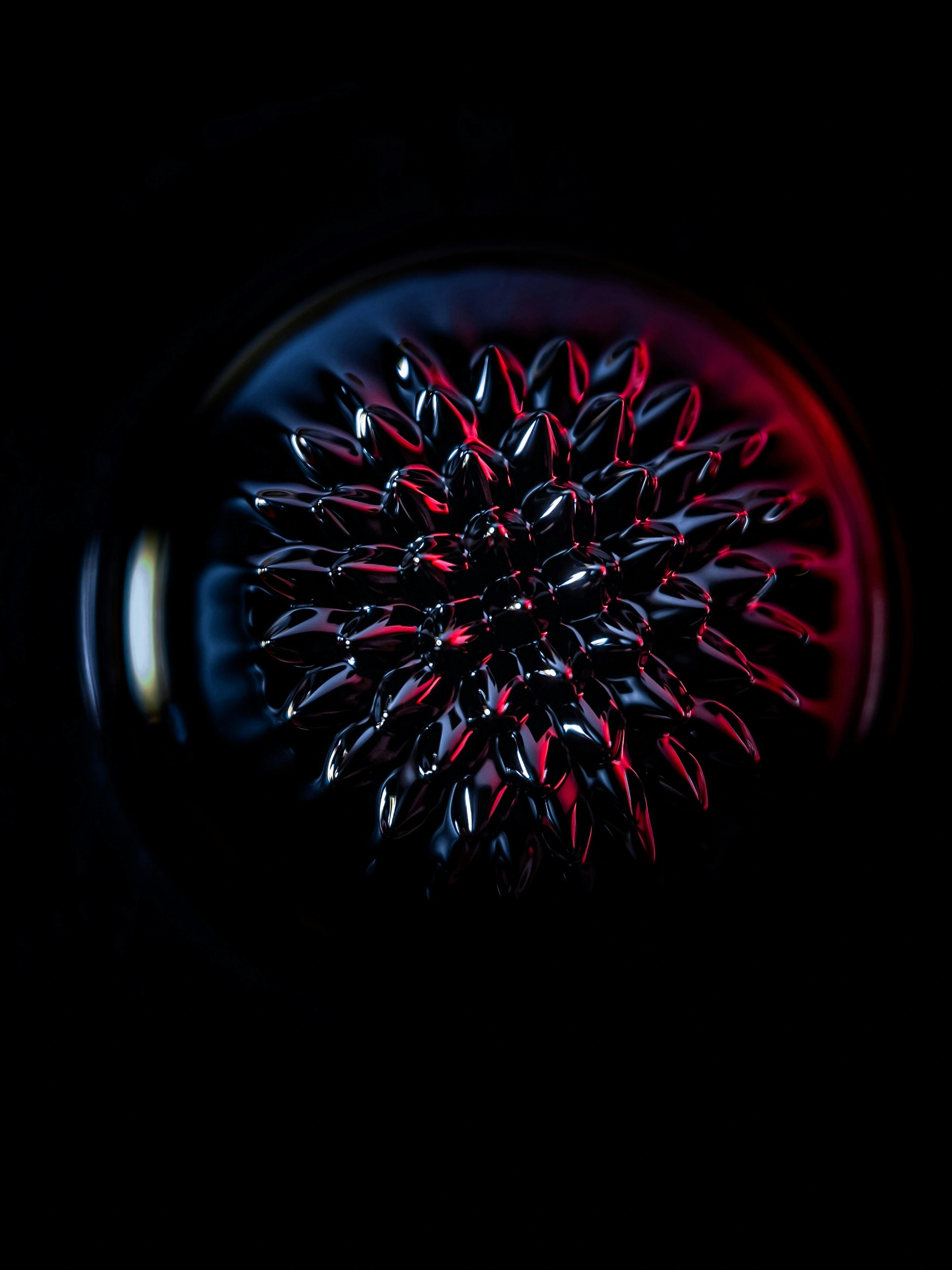
Filtering Microplastics With Ferrofluid?
Starting from a garage lab, a Virginia teenager has got where membrane technology cannot: a self-recycling magnetic filter against microplastics – the only question is what the small print says…

Drinking Water From the Sea, Without Brine or Chemicals
The University of Rochester's solar desalination system turns seawater into drinking water without chemical treatment or toxic brine – and can recover valuable minerals, including lithium.

The Solar Panel Revolution
In three decades, photovoltaics has gone from a laboratory curiosity to the world's cheapest source of energy – but the real breakthrough is still ahead.
Nano-Cages Against Forever Chemicals
Australian researchers have developed a reusable adsorbent made of nanoscale molecular cages that removes up to 98% of PFAS pollutants from water – including the hardest-to-treat short-chain variants.