Wastewater

Where Centralised Wastewater Treatment Stops Paying

A study of 10,826 Chinese treatment plants finds that big centralised systems are reaching two limits at once, on easing water scarcity and on paying their way, and that a hybrid model could do the job for up to 37% less.
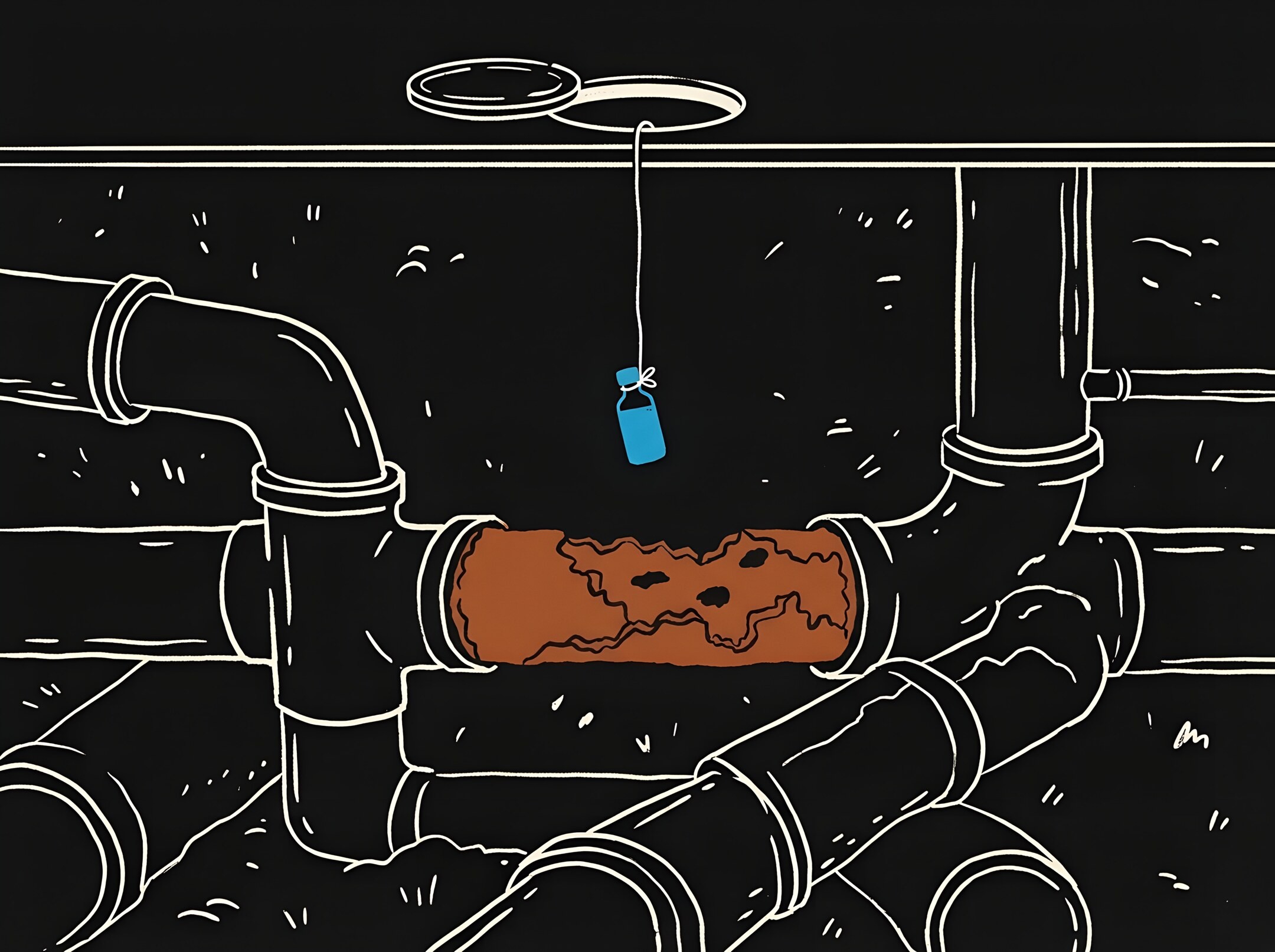
Wastewater DNA Shows Which Sewer Is Corroding
Japanese researchers combined bacterial DNA from wastewater with pipe data and machine learning to flag the sewer sections most prone to corrosion – across the whole network, before the camera goes in.
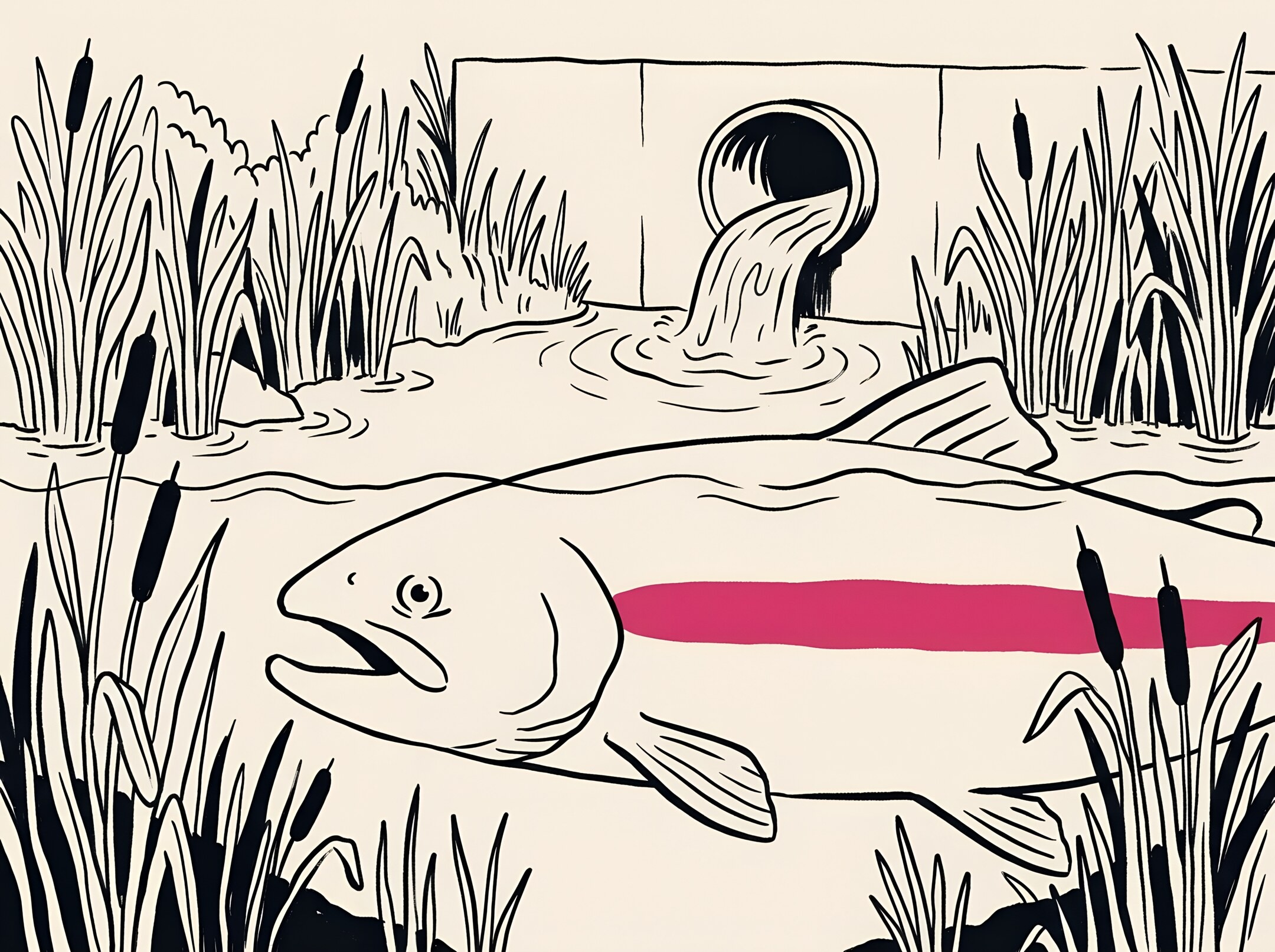
What a Sewer Overflow Does to a Stream
Twelve years of Philadelphia data show that after combined sewer overflows, dissolved oxygen in smaller streams stays low for days, while the big river barely notices.

Only Rainwater Into Windermere: What It Would Cost
An English coalition has costed what it would take to keep every drop of wastewater out of England's largest lake, £3.6–3.7 billion, and its modelling says nothing less ends harmful algal blooms.

The New W4 Magazine Is Here
W4 relaunches with a new website, an English edition, dedicated series pages and a separate professional hub – the same coverage, with far better tools for reading and finding it.
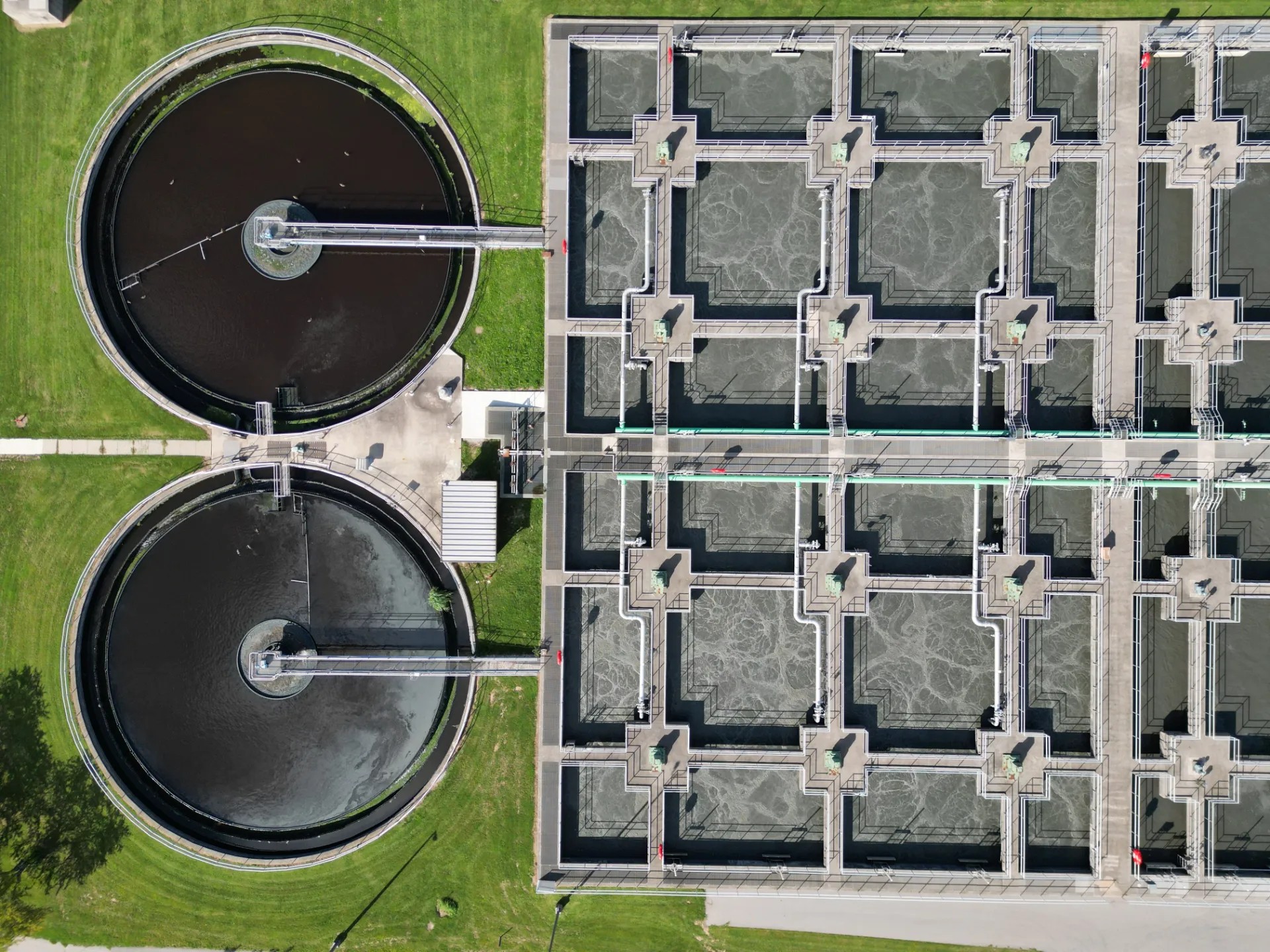
From Wastewater to Fertiliser: a $12 Billion Turn
The global nutrient recovery market will double by 2032 – anaerobic digestion and circular economy thinking are rewriting what we mean by wastewater treatment.
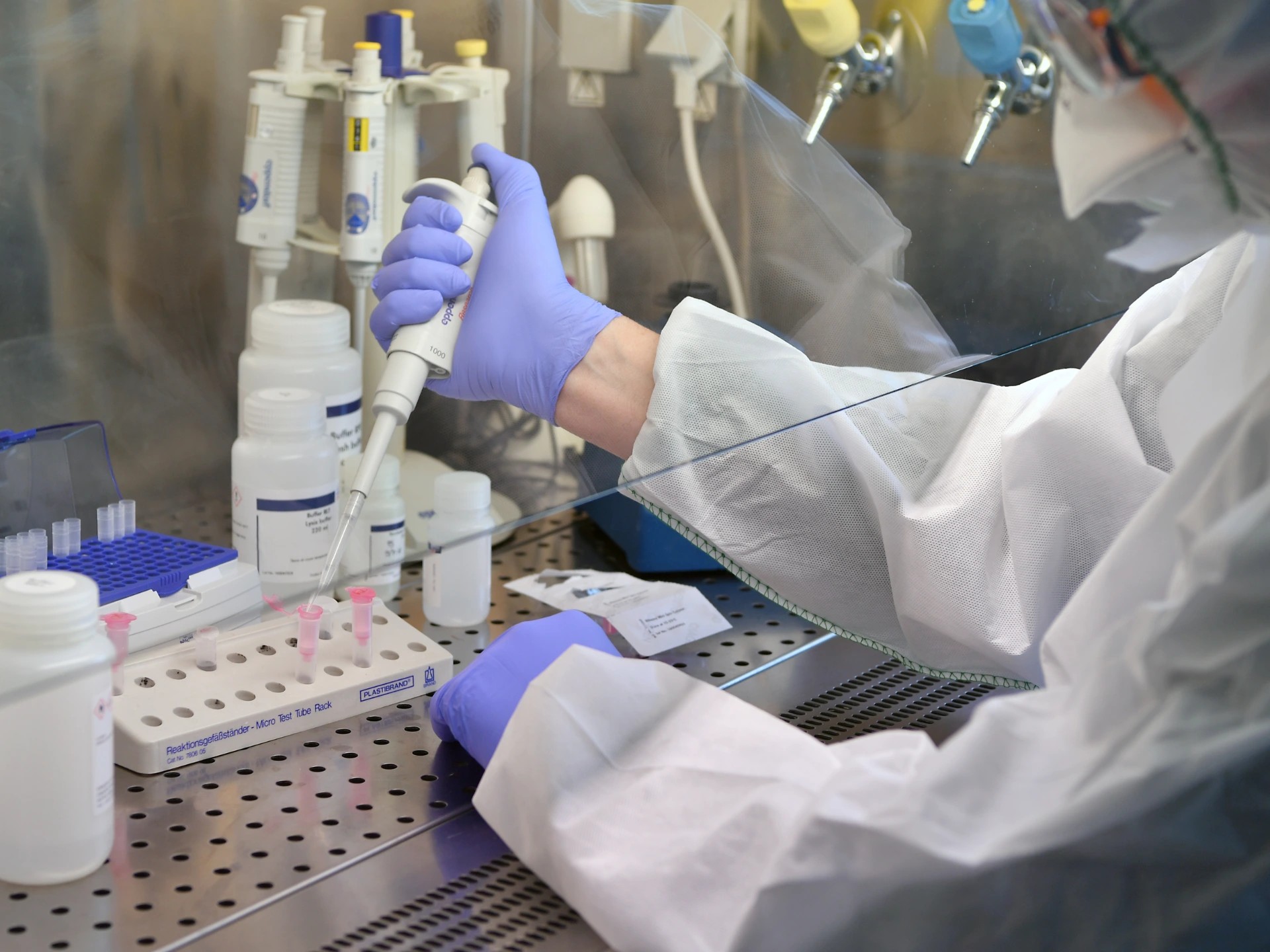
Wastewater as a Data Carrier
Wastewater-based epidemiology has long gone beyond predicting epidemics – the sewer network is a real-time mirror of a whole community's health, social and environmental condition.

China's Water Industry Boom, Up Close
Zsolt Eszes, CEO of Water4All, visited IE expo 2026 in Shanghai, China's second-largest water industry trade fair, with his colleagues. We asked him about his experiences.
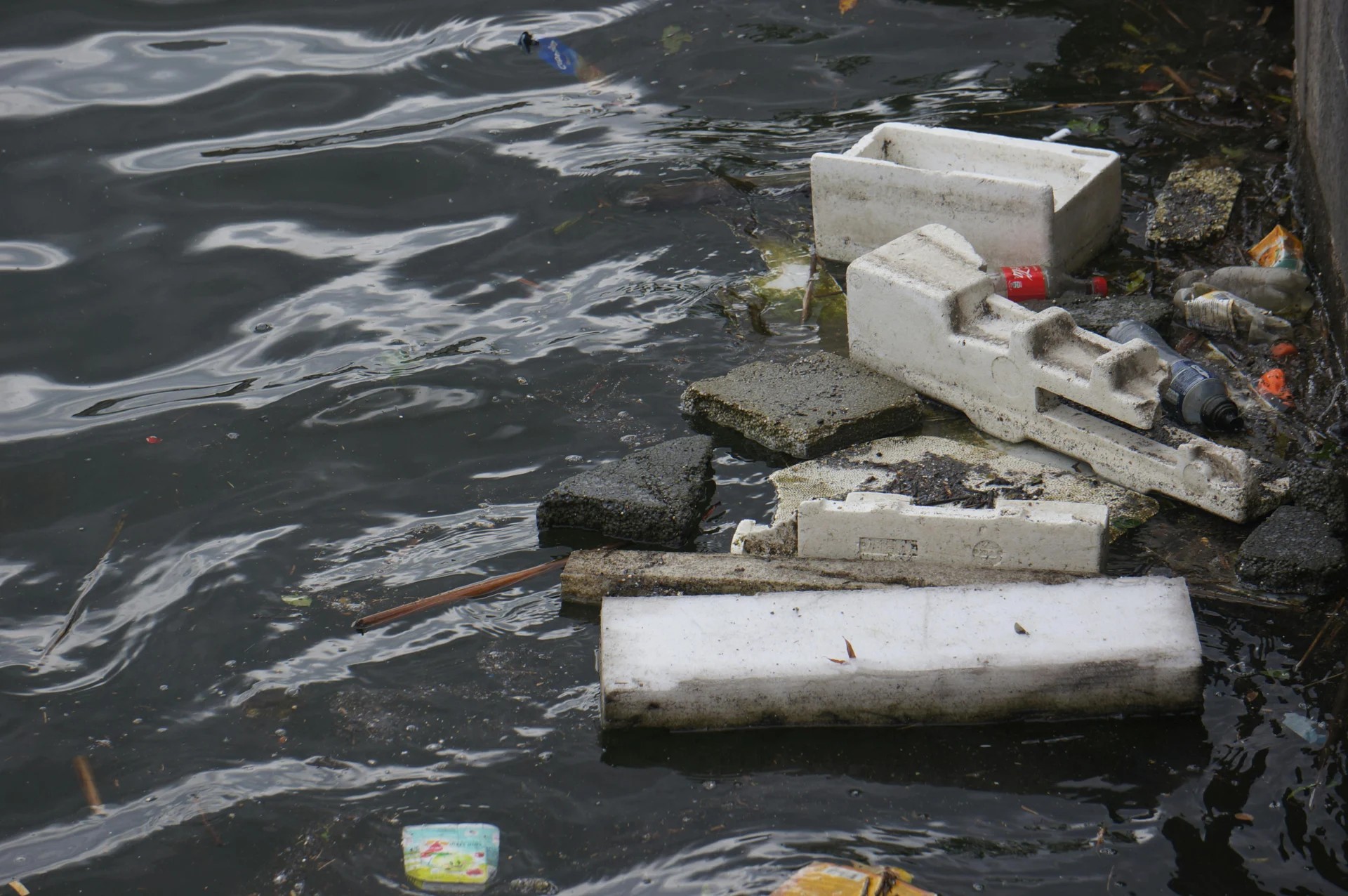
Microplastics in Wastewater – Poison Accumulating in Sewage Sludge
Wastewater is one of the most important collection points for microplastics. In conventional wastewater treatment, 80–99% of microplastics end up in sewage sludge.
Activated Carbon Against PFAS
New research shows that above 500 °C the surface of activated carbon acts as a catalyst in breaking down PFAS – but the environmental cost of the process is not negligible.