Activated Carbon Against PFAS
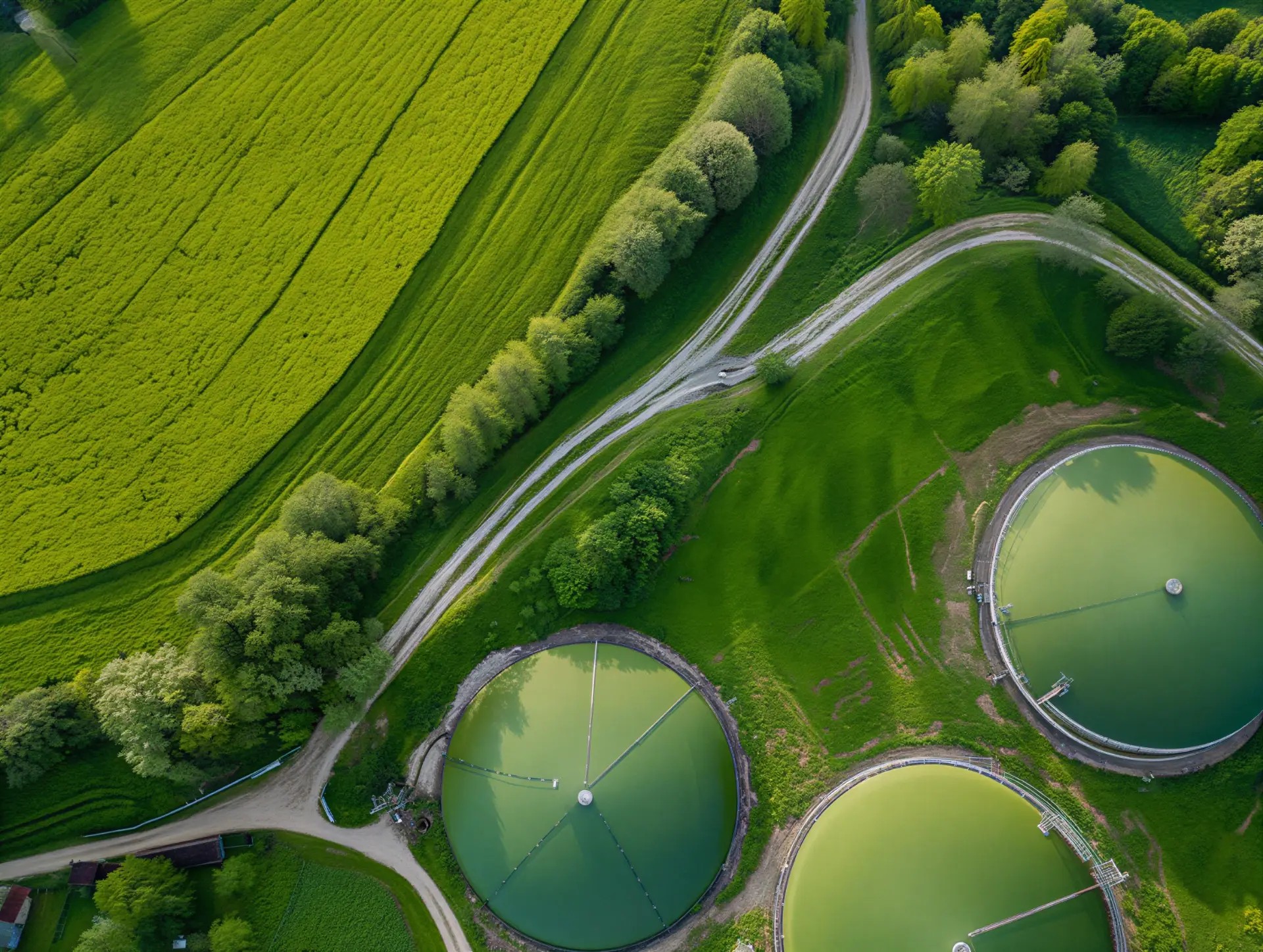
Removing per- and polyfluoroalkyl substances (PFAS) by adsorption is effective, but on its own it only transfers them from one phase to another. The real solution is to break the environmental cycle by mineralising the molecules. A joint study by KWR and the University of Bath examined what happens to PFAS during high-temperature regeneration of granular activated carbon (GAC).
Most conventional water treatment processes – from coagulation to oxidation – are ineffective against PFAS. Activated carbon adsorption and membrane filtration are currently the two most widely used technologies for tackling these "forever chemicals". But adsorption does not destroy the contamination; it merely concentrates it on the carbon surface. For sustainability and environmental reasons, the critical question is:
Do these stable compounds actually break down when the saturated carbon is reactivated?
Adsorption characteristics: chain length and structure
The efficiency of PFAS removal is fundamentally determined by molecular structure. Research confirms that:
- Longer-chain compounds adsorb better.
- Sulfonic acids (e.g. PFOS) bind more strongly than carboxylic acids (e.g. PFOA).
- Branched isomers break through the filter bed sooner than linear ones.
Once the carbon bed is saturated, the GAC is transported to a regeneration plant, where it undergoes a multi-step thermal process (drying, pyrolysis, activation) at 800–900 °C in an oxygen-free atmosphere.
The reactivation mechanism: breakdown or just desorption?
In principle there are four possible fates for PFAS during the thermal process: removal (desorption), breakdown (fragmentation), transformation (formation of other PFAS) or complete mineralisation.
The ideal goal is mineralisation, in which the C–F bonds are broken and harmless fluoride ions are formed at the end of the process.
The experimental results
The University of Bath and KWR examined carbon loaded with PFOS and PFOA in a special regeneration furnace at 300, 500, 700 and 900 °C. The results showed:
- Temperature threshold: at 300 °C, residual PFOS and PFOA could still be detected on the carbon. Above 500 °C, however, both model substances had completely disappeared from the activated carbon surface.
- Breakdown products: at the lower temperature (300 °C), shorter-chain breakdown products of PFOA (C₂–C₅ chain length) were identified in the gas-phase condensate. This confirms that breakdown happens in stages.
- The catalytic role of GAC: the activated carbon surface acts as a catalyst for mineralisation. While incinerating pure PFAS requires temperatures above 1,200 °C, pyrolysis in the adsorbed state can be effective at lower temperatures.
The challenges of the fluoride balance
Although in theory 100% of the fluorine should appear as fluoride ions after mineralisation, in practice this is extremely hard to measure. In the experiments only a fraction of the calculated fluoride (about 0.004%) was detected. The likely reason is the formation of highly reactive hydrogen fluoride (HF), which reacts with the walls of the equipment (forming silicon fluorides) or with calcium in the carbon (CaF₂).
Conclusion and environmental footprint
The research confirms that reactivation above 500 °C effectively removes PFOS/PFOA from the carbon and starts their breakdown. But it also reveals the downside of the technology: removing PFAS requires the carbon to be regenerated more often.
In practice this means:
- higher energy demand,
- more frequent transport and a heavier logistics burden,
- greater use of raw materials (to replace carbon losses).
Although the technology can break the cycle of "forever chemicals", improving drinking water safety also increases the ecological footprint. The task ahead is to monitor mineralisation more precisely and to optimise afterburner systems to avoid air pollution.
Removing PFAS with activated carbon is effective, but it only transfers them from one phase to another rather than destroying them. Research by KWR and the University of Bath showed that during oxygen-free thermal reactivation of saturated granular activated carbon (GAC) above 500 °C, the model substances PFOA and PFOS are completely removed from the surface and begin to mineralise. At lower temperatures (300 °C) toxic breakdown products can still form, making gas-phase post-treatment more critical. Although the process breaks the cycle of "forever chemicals", the more frequent regeneration needed to remove PFAS significantly increases the energy demand and ecological footprint of drinking water production. Confirming complete mineralisation requires further precision measurements, because the fluoride balance is hard to close.
Removing PFAS (per- and polyfluoroalkyl substances) from water is currently one of the biggest challenges in the water sector. While activated carbon adsorption and membrane filtration effectively separate out these "forever chemicals", on their own they cannot break them down – they only concentrate the contamination. A joint study by KWR and the University of Bath examined the thermal reactivation of saturated granular activated carbon (GAC) as a possible way to break the environmental cycle.
The experiments showed that reactivation temperature is critical: above 500 °C, the model substances PFOA and PFOS can be completely removed from the carbon surface. At this point the molecules begin to fragment and mineralise, with the activated carbon surface acting as a catalyst that allows breakdown at lower temperatures than pure incineration. In the lower range (300 °C), however, toxic shorter-chain breakdown products still form, making precise post-treatment of the off-gas and its oxidation above 1,000 °C essential.
Although the technology can permanently destroy PFAS, it involves serious sustainability trade-offs. Effective protection requires more frequent regeneration of carbon beds, which significantly increases the energy demand of drinking water production, logistics costs and the overall environmental footprint of the process. Confirming complete mineralisation – closing the fluoride balance – requires further analytical refinement because of the high reactivity of hydrogen fluoride.



A study of 10,826 Chinese treatment plants finds that big centralised systems are reaching two limits at once, on easing water scarcity and on paying their way, and that a hybrid model could do the job for up to 37% less.
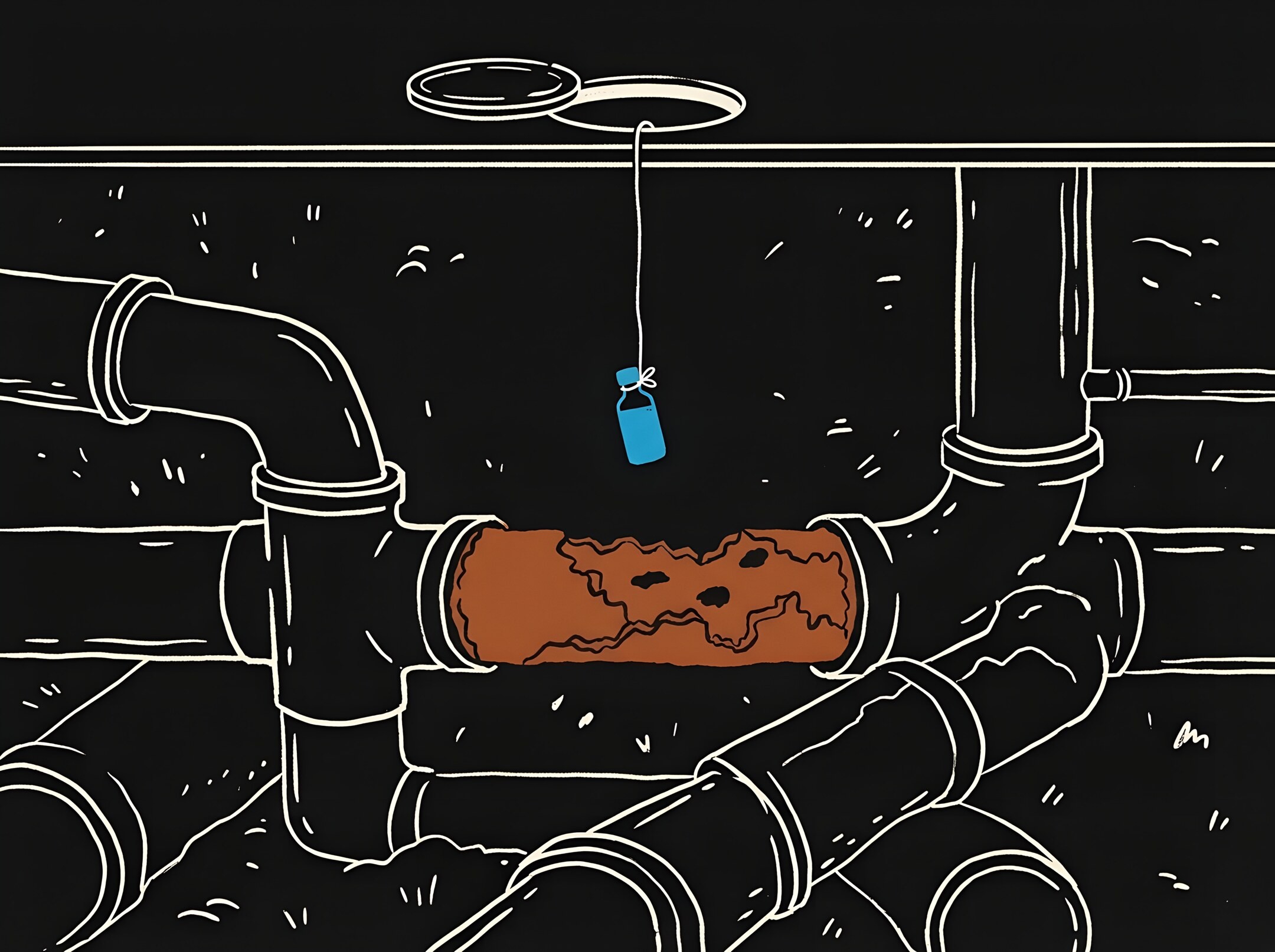
Japanese researchers combined bacterial DNA from wastewater with pipe data and machine learning to flag the sewer sections most prone to corrosion – across the whole network, before the camera goes in.
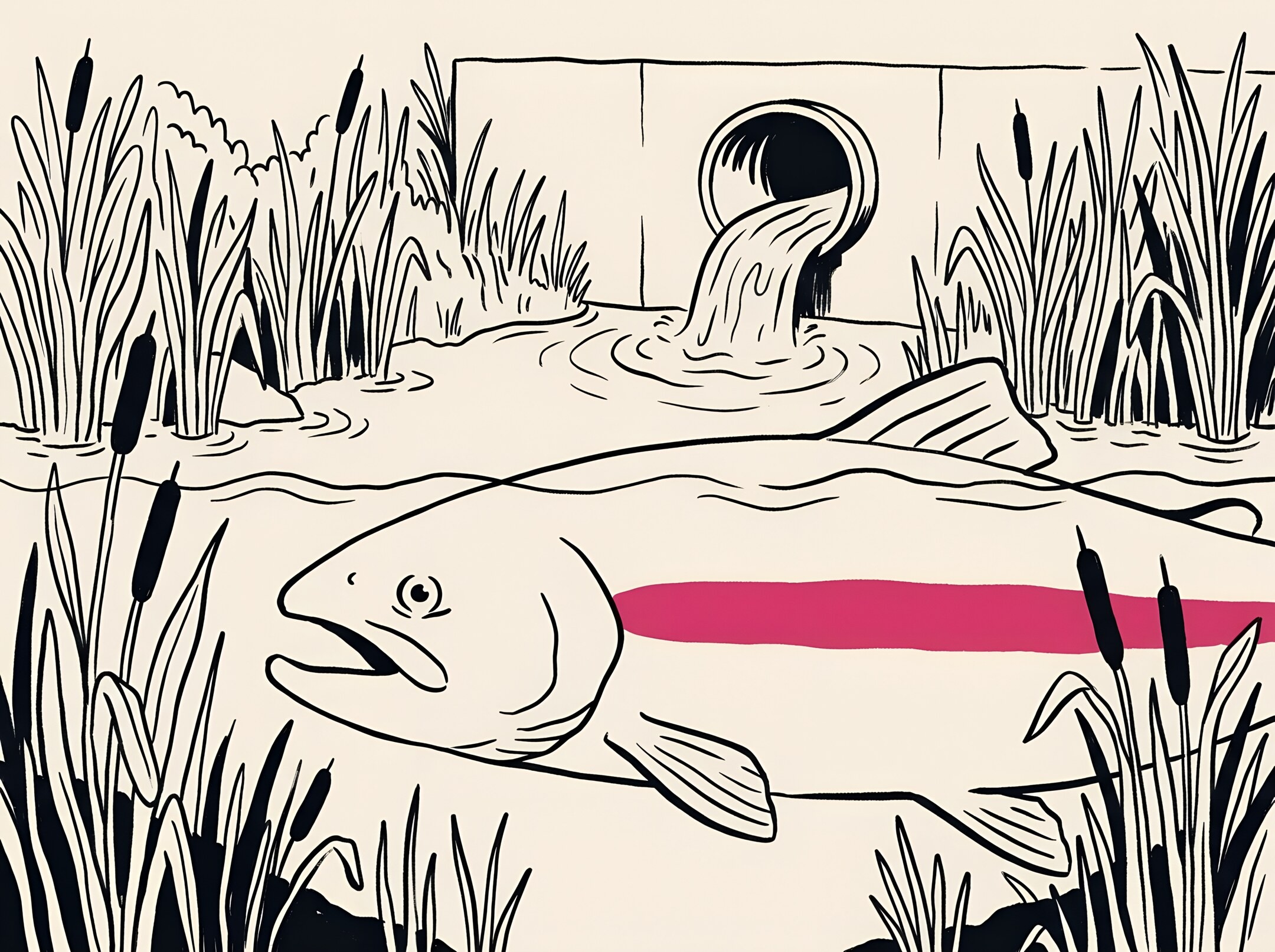
Twelve years of Philadelphia data show that after combined sewer overflows, dissolved oxygen in smaller streams stays low for days, while the big river barely notices.

An English coalition has costed what it would take to keep every drop of wastewater out of England's largest lake, £3.6–3.7 billion, and its modelling says nothing less ends harmful algal blooms.