Only Rainwater Into Windermere: What It Would Cost
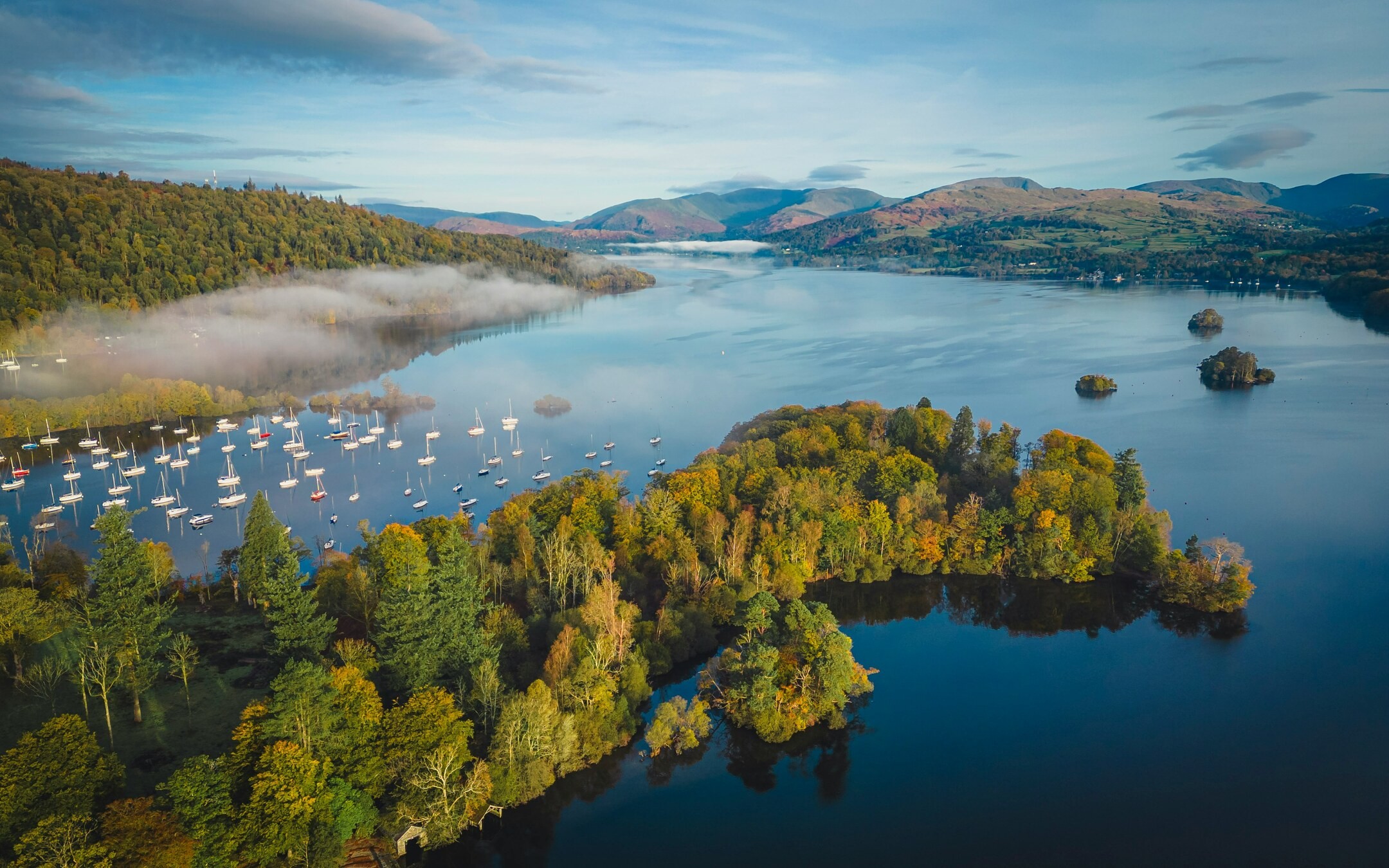
The catchment of Windermere, England's largest natural lake, has ten wastewater treatment works and six storm overflows. Around 1,800 properties are not connected to the public sewer, and about 90 permitted private treatment plants discharge into it. A study published on 21 October by a coalition of six organisations says all of this could end: only rainwater would reach the lake, and a tunnel would carry wastewater out of the catchment (ORiW, 2026). It is rare for anyone to cost a whole catchment on the principle of "keep it out" rather than "treat it better".
Why better treatment is not enough
The coalition brings together the water company United Utilities, the Environment Agency, the Lake District National Park Authority, Westmorland and Furness Council and two campaign groups. Its case starts with the lake itself. Water entering Windermere can take upwards of nine months to reach the River Leven, so whatever goes in stays a long time. The surface has warmed by about 1.7°C in 70 years, deep-water oxygen is falling and algal biomass is rising.
The largest works discharging directly into the lake already operates to some of the strictest phosphorus permits in England and Wales, with ultraviolet disinfection. The problem is the total load: the volume discharged, performance under changing flows and the cumulative effect of discharges in a lake that does not flush itself out.
What the modelling shows
The decisive argument comes from the Environment Agency's 2026 Nutrient Futures for Windermere modelling, as cited in the study. Investment planned to 2030 will improve water quality in the short term, but by 2079 the North Basin could still exceed the cyanobacteria threshold on up to 24 days a year. A no-sewage scenario brings that to zero. By the 2070s, climate change could raise nutrient loading to the lake by up to 7% and mean temperature by 2.5°C (ORiW, 2026).
According to the modelling, only the no-sewage scenario brings cyanobacteria exceedances down to zero.
The study is open about what it leaves out: agricultural run-off is an important pressure, but outside its scope, and will need to be tackled separately.
Two routes, one foundation
Over 15 months, the team looked at more than 70 options, and engineers from Jacobs and Mott MacDonald produced more than 75 technical reports. Two options remain: treated effluent would be discharged either to the River Leven or at Ulverston.
Both share a new collection network around the north, west and east of the lake and a deep tunnel running the length of the lake from near Ambleside. The common package includes:
- 77 km of new sewers, connecting around 12,800 people to the public network for the first time;
- interception of 35 km of highway run-off and 37 hectares of sustainable drainage;
- an increase of up to 75% in the wastewater network;
- conversion of the treatment works around the lake into pumping or storage assets.
The Ulverston route needs 61 km of transfer pipeline and tunnel in total, the Leven route 49 km. Ulverston is still only slightly more expensive, because United Utilities already has a site there with room to expand. That puts the new network at up to 138 km in all (United Utilities, 2026).
Costs and benefits
Construction would cost £3.6 billion for the Leven option and £3.7 billion for Ulverston. Benefits over the life of the assets are put at £7.5 billion, about £1.90 for every pound invested, and the study says they would still exceed costs if construction cost twice as much. The estimates are indicative for now and have been checked against the regulator Ofwat's econometric models (ORiW, 2026).
The study also prices the alternative. Upgrading the existing wastewater infrastructure in successive cycles would cost around £2.5 billion, more than two-thirds of the scheme's long-term bill impact, without its environmental benefits.
If bills pay for it, North West households would see their monthly bill rise by up to £3.17 in 2035. If the government chose a national charge, citing the lake's national importance, every household in England would pay up to 35p a month more (in Q3 2025 prices). Other ways of funding it will be explored in the next stage of design.
Lessons beyond the Lake District
Windermere is not the first lake to try this. Alongside Lake Washington in the US, the study cites Lake Annecy in France, where wastewater is intercepted before it reaches the lake and treated away from it. Hungary's Lake Balaton took a similar path in the 1980s: to fight algal blooms driven by phosphorus, it introduced phosphorus removal at treatment works, diverted effluent and built the Kis-Balaton reservoir system. The lake's trophic state has been falling since 1995 (Pálffy, 2013).
What sets Windermere apart is the method. The plan covers public and private systems, road run-off and rainwater together, and weighs costs and benefits over a century. That is close to what the EU's recast Urban Wastewater Treatment Directive (EU 2024/3019) expects of integrated urban wastewater management plans.
The study is not a decision. Next come detailed design, modelling and consenting, and the coalition is asking government and regulators to settle the funding question. If all that falls into place, construction could start in 2030 and take seven years. Whether a nationally important lake is worth up to 35p a month to every household in England is a political question, but for the first time it has a number attached.
On 21 October a coalition of six organisations published a feasibility study on making sure only rainwater reaches Windermere, England's largest natural lake. Of more than 70 options, two remain: both would carry wastewater out of the catchment by tunnel and pumped main to an enlarged treatment works, discharging treated effluent to the River Leven or at Ulverston. They would cost £3.6 billion and £3.7 billion, against estimated benefits of £7.5 billion. Environment Agency modelling suggests that even after investment planned to 2030, the lake's North Basin could see up to 24 days a year above the cyanobacteria threshold by 2079; only a no-sewage scenario brings that to zero. Lake Balaton in Hungary took a similar route in the 1980s. No decision has been made; construction could start in 2030.
On 21 October a coalition of six organisations, among them the Environment Agency, the Lake District National Park Authority and the water company United Utilities, published a feasibility study on making sure only rainwater reaches Windermere, England's largest natural lake. Today the catchment has ten wastewater treatment works and six storm overflows, around 1,800 properties off the public sewer and about 90 private treatment plants.
Environment Agency modelling cited in the study suggests that even after the investment planned to 2030, the lake's North Basin could exceed the cyanobacteria threshold on up to 24 days a year by 2079. Only a no-sewage scenario brings that to zero. Water stays in the lake for months, and its surface has warmed by about 1.7°C in 70 years.
Of more than 70 options, two remain. Both would carry wastewater out of the catchment by tunnel and pumped main to an enlarged treatment works, discharging treated effluent to the River Leven or at Ulverston. Both include 77 km of new sewers that would connect around 12,800 people to the public network for the first time. They would cost £3.6 billion and £3.7 billion, against £7.5 billion of benefits, about £1.90 for every pound. Funded through bills, North West households would pay up to £3.17 a month more in 2035. Even without the scheme, around £2.5 billion of upgrades would be needed. Lake Balaton in Hungary took a similar route in the 1980s, with phosphorus removal, effluent diversion and the Kis-Balaton reservoir. For Windermere, the decision is still to come.

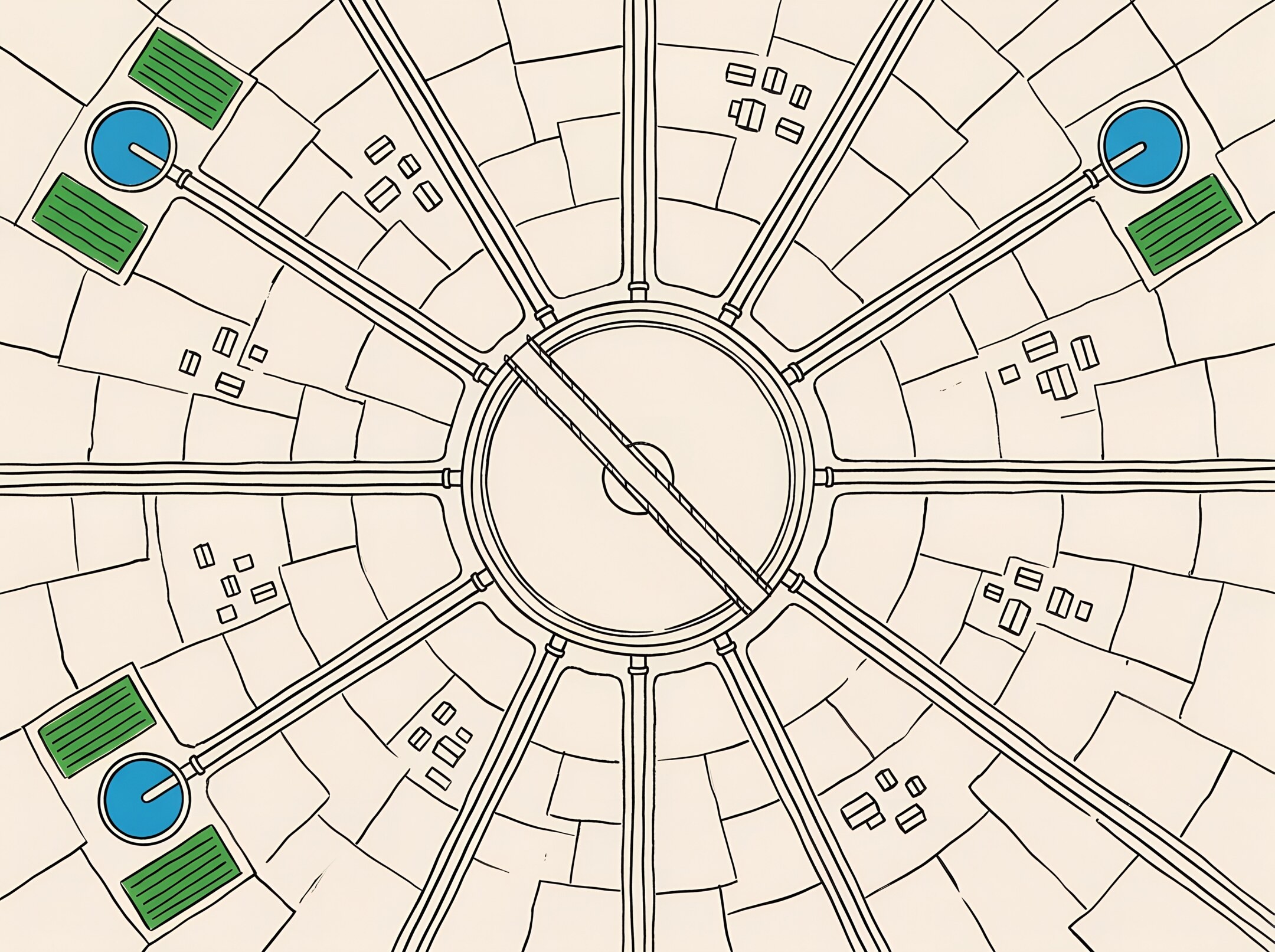

A study of 10,826 Chinese treatment plants finds that big centralised systems are reaching two limits at once, on easing water scarcity and on paying their way, and that a hybrid model could do the job for up to 37% less.
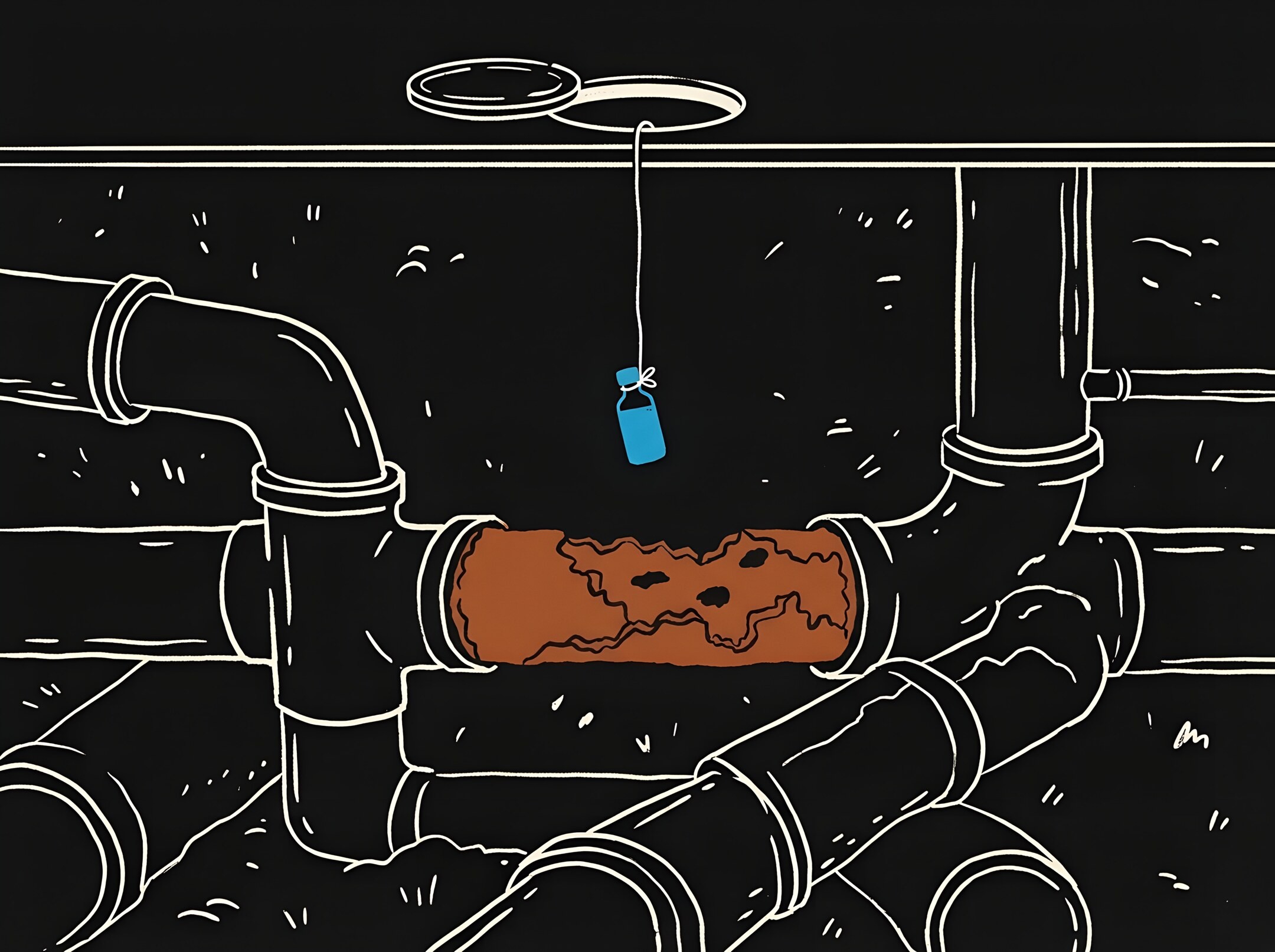
Japanese researchers combined bacterial DNA from wastewater with pipe data and machine learning to flag the sewer sections most prone to corrosion – across the whole network, before the camera goes in.
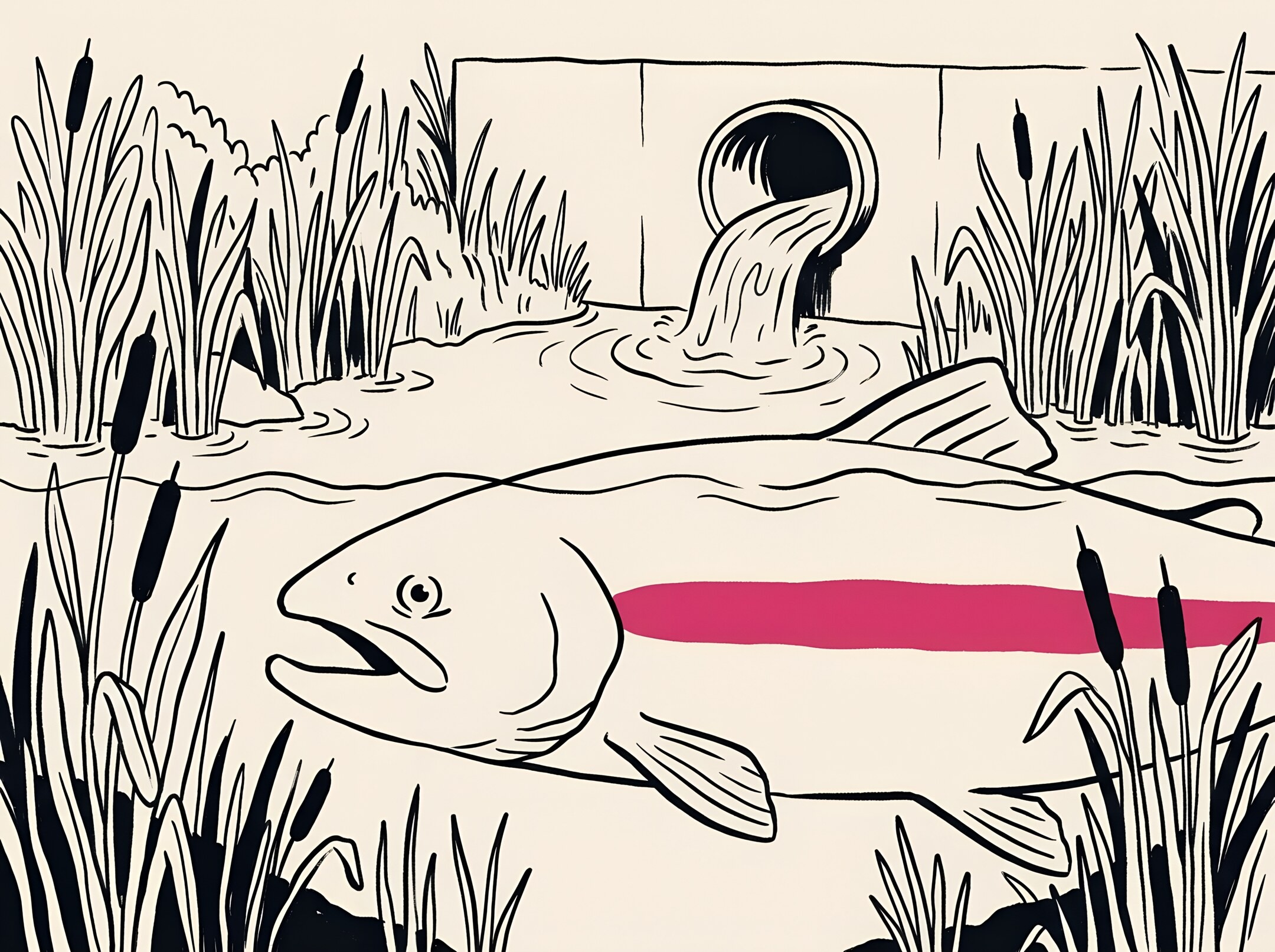
Twelve years of Philadelphia data show that after combined sewer overflows, dissolved oxygen in smaller streams stays low for days, while the big river barely notices.
W4 relaunches with a new website, an English edition, dedicated series pages and a separate professional hub – the same coverage, with far better tools for reading and finding it.