Water Quality at Europe's Bathing Sites – River Conditions Raise Questions
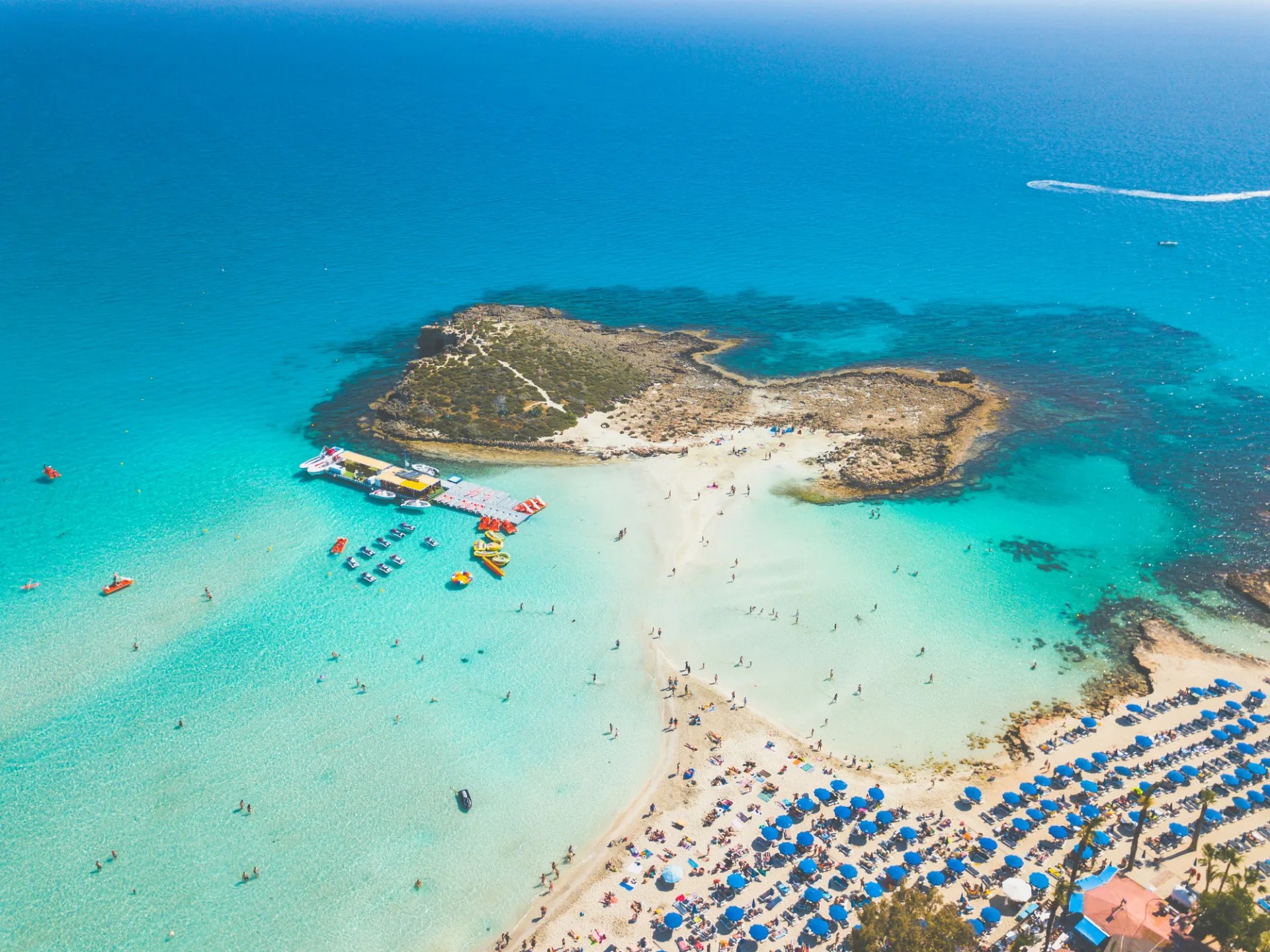
From the Atlantic to the Mediterranean, swimming is safe almost everywhere in Europe – so concludes the European Environment Agency's (EEA, 2026) latest report on the 2025 bathing season. 84% of the continent's 22,289 monitored bathing sites were rated excellent; within the EU the share is 85%. 96% of sites meet the minimum requirements of the Bathing Water Directive (BWD). But the success is uneven: while coastal and most lake bathing sites are consistently of excellent quality, sites along rivers drag the statistics down.
Decades of progress, but not equal everywhere
The improvement is no accident. According to the EEA, bathing water quality has improved dramatically over recent decades because discharges of untreated or only partially treated wastewater have fallen drastically.
The figures of the past two decades illustrate the change well: in 2006, 489 sites (2.4%) were rated poor and 16,432 (80.7%) excellent; by 2025 the number of poor sites had fallen to 324 (1.5%) and excellent ones had risen to 18,655 (84.8%).
There are big differences between countries. More than 95% of bathing sites in Cyprus, Greece, Bulgaria and Austria are of excellent quality, whereas in Belgium, Hungary, Poland, Estonia and Albania not even 70% of sites reach this level.
85% of the EU's 22,000 bathing sites were rated excellent in 2025, but only 47% of river bathing sites reached the same level.
Riverside bathing – growing demand for river swimming in cities
The report's most important message is the difference between water types. 88% of coastal bathing sites were of excellent quality in 2025, compared with 78% of inland – lake and river – sites. Rivers, however, stand out even within this group: of the roughly 1,200 designated river bathing sites – just 5.5% of all bathing sites – only 47% were rated excellent in 2025.
The reason lies in the nature of rivers. Unlike lakes and coasts, rivers react quickly to weather and hydrological changes: they accumulate loads from upstream catchments and are therefore much more sensitive to short-term pollution events. Factors that degrade quality include combined sewer overflows after heavy rain, the performance of upstream treatment plants under peak loads, diffuse agricultural pollution, resuspension of sediments left by past pollution and reduced dilution capacity due to drought.
In three EU member states at least 3% of bathing sites were rated poor in 2025: Estonia (3 sites, 4.6%), the Netherlands (31 sites, 4.1%) and France (112 sites, 3.3%). Even more telling, 57 EU bathing sites were rated poor for five consecutive years (2020–2024) – 34 in Italy, 16 in France, 3 in Spain, 2 in Sweden and one each in Estonia and Portugal. By 2025 only 4 of them had improved to at least sufficient, even though the BWD requires a permanent bathing ban or advice against bathing at such persistently poor sites.
Berlin's good example
One of the report's case studies illustrates well that river bathing water quality can be improved through targeted interventions. The Spree Lagune bathing site on the River Spree in Brandenburg was consistently rated poor between 2017 and 2021 because of high E. coli and enterococci concentrations.
In 2022, working with the local water and soil association, targeted engineering measures were carried out, including redesigning the inlet and outlet of a drainage pipe. The change improved local flow conditions and reduced pollution: the site's rating improved to sufficient by 2024 and to good by 2025. The case shows that the condition of rivers can be meaningfully improved.
Share of bathing sites rated excellent, 2025
%
Source: EEA – European bathing water quality in 2025
| All (EU) | 85 |
|---|---|
| Coastal | 88 |
| Inland (lakes and rivers) | 78 |
| Rivers | 47 |
The renaissance of urban river swimming
River swimming was a popular pastime in Europe for centuries, until pollution from the industrial revolution and urbanisation forced many cities to restrict or even ban it in the 20th century. In recent years, however, a string of civic initiatives has emerged to revive river swimming – driven by greater demand during hot summers and cities' wish to reconnect with their rivers.
According to the EEA, Budapest, Bern, Berlin, Paris, Riga, Utrecht and Vilnius have all introduced or expanded organised river bathing. But development is not simple: modern riverside bathing sites have to be designed to meet recreational goals as well as ecological conservation and flood risk management.
Along large rivers such as the Danube there are often several bathing sites not far apart, which requires cross-border coordination: an upstream intervention – such as a wastewater treatment upgrade or a nutrient management measure – can improve downstream bathing sites, but a pollution event can equally ripple along the river.
Budapest, Bern, Berlin, Paris, Utrecht, Vilnius and Riga have all expanded their organised riverside bathing – a sign that urban river swimming is popular again in Europe.
What does the future hold?
The regulatory framework continues to tighten. In June 2025 the European Commission adopted its water resilience strategy, which aims to strengthen implementation of existing legislation and the integration of water management with more than 50 measures. In May 2026, new EU rules on water pollutants were adopted, introducing stricter limits and extended monitoring for previously less regulated pollutants such as PFAS, microplastics and pharmaceutical residues.
It is important to note, however, that the Bathing Water Directive itself does not cover these chemical pollutants – from nitrates to active pharmaceutical ingredients, they are dealt with by the Water Framework Directive. In other words, an "excellent" bathing site does not necessarily meet EU targets for chemical status, and vice versa.
Climate change puts further pressure on the system: more frequent droughts reduce rivers' dilution capacity, while extreme rainfall increases the risk of short-term pollution. According to the EEA, demand for bathing will keep growing as heatwaves become more frequent and longer – which makes maintaining safe, well-managed river bathing sites all the more urgent.
The EEA's 2025 report paints a mixed picture of Europe's bathing waters. On the one hand, the vast majority – 96% – of the continent's bathing sites can be used safely, and the long-term trend is clearly positive: decades of investment in wastewater treatment and systematic monitoring have drastically reduced pollution. On the other hand, rivers' excellent rate of just 47% shows that, because of their hydrological variability and exposure to upstream loads, they remain the hardest water type to manage. Yet the Spree and the efforts of cities such as Berlin and Paris show that targeted interventions can bring river swimming back into urban life sustainably – even as climate change and tighter EU rules bring new challenges for bathing water management.
According to the EEA's 2025 bathing water report, 84% of Europe's 22,289 monitored bathing sites, and 85% of EU sites, were rated excellent, and 96% met the minimum requirements. The picture is nuanced, however: 88% of coastal bathing sites are excellent, but only 47% of river bathing sites – 5.5% of the total – reach this level, because rivers are much more sensitive to upstream pollution and short-term loads after rain. The report highlights the case of the River Spree near Berlin, where targeted engineering work after 2022 improved a site from poor to good, as well as new river bathing in Budapest, Bern, Berlin, Paris, Utrecht, Vilnius and Riga. Belgium, Hungary, Poland, Estonia and Albania are among the countries where fewer than 70% of sites are excellent. The EU's water resilience strategy and the new 2026 pollutant rules are tightening the framework further.
According to the European Environment Agency's (EEA) 2025 bathing water report, 84% of the continent's 22,289 monitored bathing sites were rated excellent; at EU level the share is 85%. 96% of sites meet at least the minimum requirements of the Bathing Water Directive, and only 1.5% (324 sites) were rated poor – a significant improvement on 2.4% in 2006. Behind the improvement lie investment in wastewater treatment, advanced collection networks and systematic monitoring.
The picture is not uniform, however. 88% of coastal bathing sites are of excellent quality, compared with 78% of inland waters, while river bathing sites – just 5.5% of the total, around 1,200 sites – reached excellent status in only 47% of cases. The reason is the hydrological variability of rivers: they react quickly to rainfall, upstream wastewater discharges and diffuse agricultural pollution. In three member states – Estonia, the Netherlands and France – at least 3% of bathing sites are rated poor, and 57 sites remained poor for five consecutive years in 2020–2024, of which only 4 had improved by 2025.
The report highlights the case of the River Spree, where a pipe modification in 2022 improved a previously poor bathing site to good by 2025 – showing that the condition of rivers can be improved with targeted interventions. Budapest, Bern, Berlin, Paris, Utrecht, Vilnius and Riga have also expanded their riverside bathing offer, signalling that urban river swimming is popular again in Europe.



A study of 10,826 Chinese treatment plants finds that big centralised systems are reaching two limits at once, on easing water scarcity and on paying their way, and that a hybrid model could do the job for up to 37% less.
FAO has published draft principles on who may use water and on what terms, a quiet piece of international work that speaks directly to this year's fights over drought, wells and free irrigation.

A new report projects data centres' water footprint reaching 9.32 trillion litres by 2030, but the number is only meaningful once you know what it counts, and who is making the case.
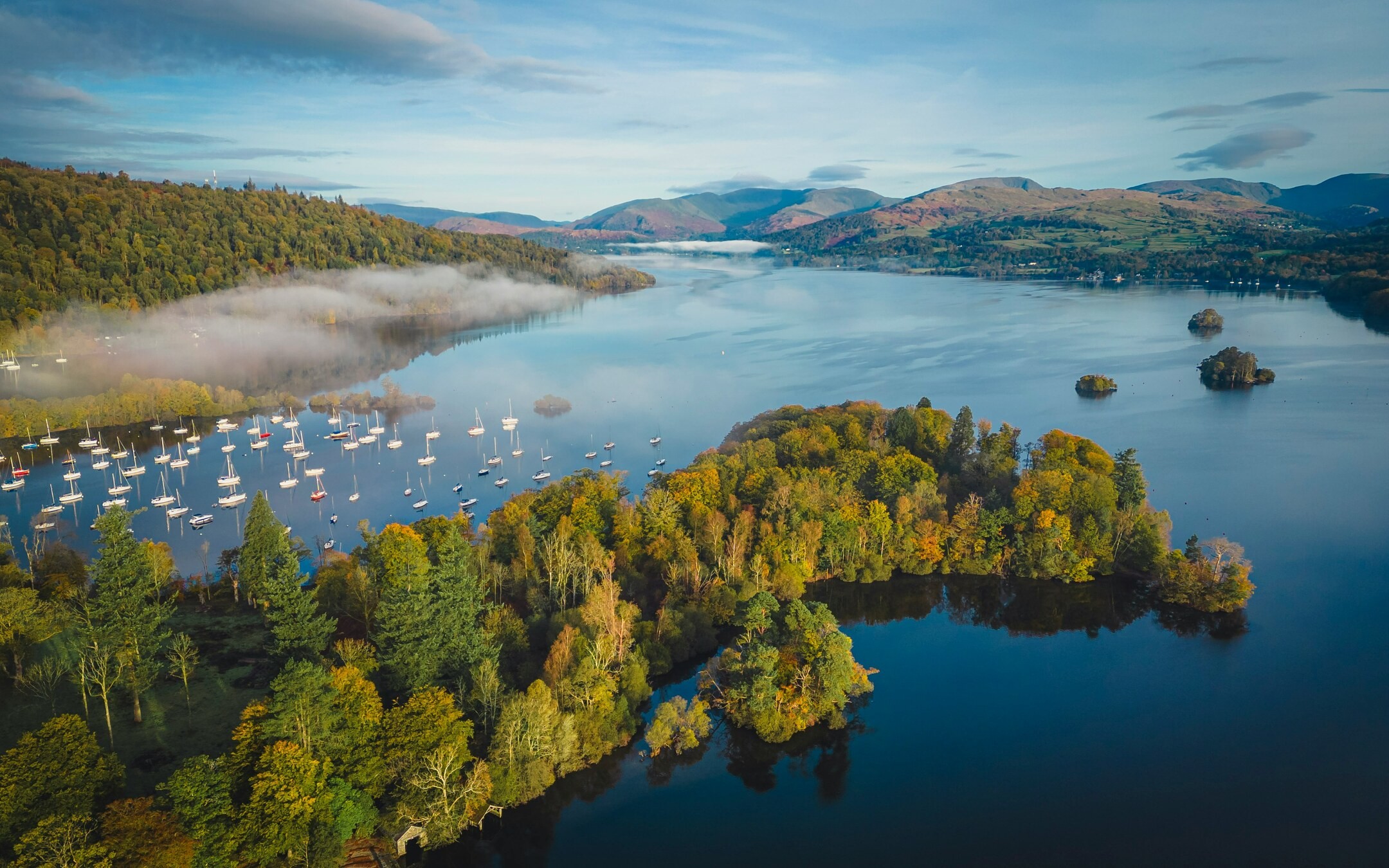
An English coalition has costed what it would take to keep every drop of wastewater out of England's largest lake, £3.6–3.7 billion, and its modelling says nothing less ends harmful algal blooms.