The Paving-Everything Mania vs. the Sponge City
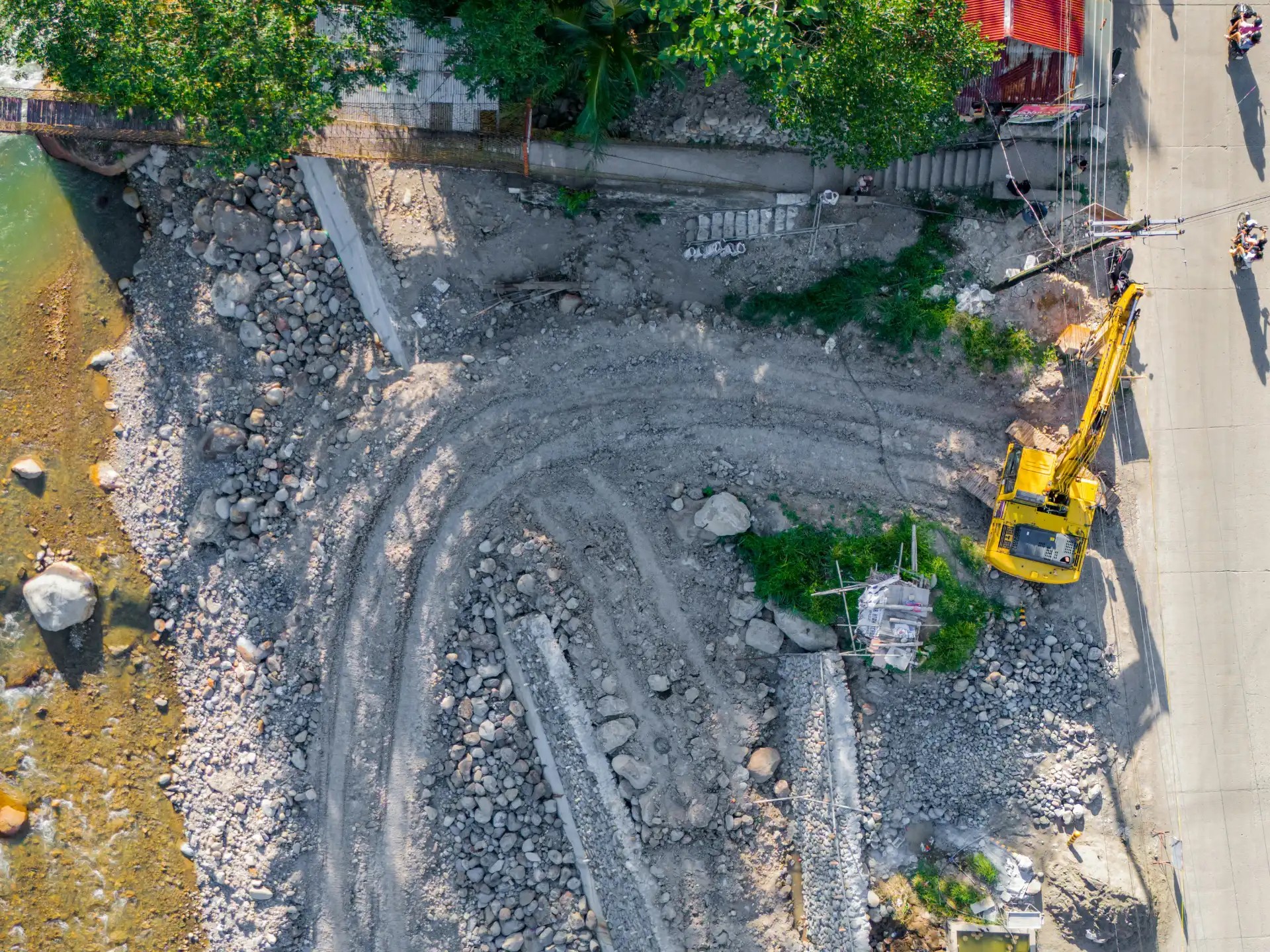
"Modern" people seem to have a morbid attraction to paved surfaces – or, seen from the other side, an inexplicable aversion to anything close to nature. They consider green space beautiful only if it is a homogeneous, monoculture lawn, which exists nowhere in nature, not even in the rain-soaked British Isles. What matters to them is that everything is planned; biodiversity does not interest them, in fact they rather oppose it, classing any plant other than ryegrass as an unwanted weed to be pulled out. They shape their urban environment so that, if possible, everything is covered with paving, lest they should accidentally come into contact with earth and humus – where would that lead…
In many European cities, between the apartment blocks that property developers' marketing teams call "residential parks" – in reality buildings that use every last square metre the rules allow – the paving stones fit together without a gap, the asphalt strip runs all the way to the underground car park, and the drainage grates line up reliably at the bottom of every slope. Everything is engineered, even the potted thuja behind which a photographer can create the false illusion of a green environment for the advertising shot.
The water does not soak in anywhere; it runs to the lowest point, where it finds the drain. In a combined sewer system it loads the wastewater treatment plant; in a separate system the closed or concreted channel carries it into a watercourse. The water disappears before it can do any good, before it can seep into the soil and feed wildlife and vegetation.
Every square metre of concrete and gap-free paving reduces the surface through which rain can soak into the soil.
On natural land, nearly 50% of rainfall soaks in; in cities the figure is around 5%. Across Europe, farmland and natural land are disappearing under development year after year – and with them the soil that should be absorbing the rain.
The sponge city
The sponge city concept is the answer: instead of draining rainwater away, keep it where it falls (Copernicus Land Monitoring Service, 2025). The solution is not a utopia – it already works in Copenhagen, Malmö, Milan and Vienna, and has appeared on a smaller or larger scale in other cities too. The question is not whether it is possible. It is who decides, who pays, and how long the decision can be put off.
According to European Environment Agency data (EEA, 2025), the share of built-up land in the EU has grown by 25% since 1990; 6.8% of the continent is now artificial surface. Between 2018 and 2023 Europe lost 912 km² of natural land a year to development – almost twice as much as earlier estimates suggested (Lambrechts et al., 2026). Put another way, around 1,500 hectares a day, mainly farmland, are taken up by infrastructure and urbanisation – equivalent to the Netherlands' entire agricultural area every 3–4 years (EEA, n.d.).
Individual countries show the same pattern. In Hungary, for example, an analysis by the University of Szeged found that between 1990 and 2016 nearly 823,000 hectares of productive land were taken out of cultivation – almost 9% of the country's area in twenty-six years (University of Szeged, 2017). This is an agricultural and nature conservation problem, but also a water management one. Every square metre lost reduces the soil surface through which rain can get into the ground at all.
In dense city centres such as central Budapest, 70–100% of the surface is sealed (Budapest Főváros, 2024). Natural evaporation, infiltration and the amount of water reaching the soil have fallen dramatically in recent decades, so heavy rain simply loads the sewer system.
On natural land, nearly 50% of rainfall soaks in; in a sealed city centre the figure is around 5%.
Architectural solutions
The sponge city's toolkit is not magic; it is a deliberate imitation of the natural water cycle (URBACT, 2024).
A long-established solution in architecture is the green roof, which covers a building's roof with vegetation and growing medium. It retains much of the rain that falls on it, and through evaporation it cools the building and its surroundings (Sousa et al., 2025; Zöldi et al., 2025).
A rain garden is a lower-lying area planted with special vegetation that can handle even prolonged rain: it collects the water and lets it soak away, so the rain ends up in the soil rather than the sewer. This solution can reduce peak surface runoff by 25–69% (Nguyen et al., 2025).
Permeable paving – whether porous concrete, porous asphalt, permeable pavers or gravel – allows rain to soak into the ground through a properly designed surface instead of running off down the slope.
Infiltration trenches and underground storage add further buffer capacity: during a cloudburst they take in excess water and then release it slowly into the soil. Combined systems can reduce runoff by 40–50% – as studies in China and Europe confirm (Chen et al., 2022; Liu et al., 2024; Fletcher et al., 2025).
In contrast to the outdated approach, the sponge city does not drain water away; it retains it (Ahern et al., 2020). The task is not to keep expanding the sewer system, but to ask why we should let the water go at all.
The sponge city does not drain water away – it retains it.
Four cities, four lessons
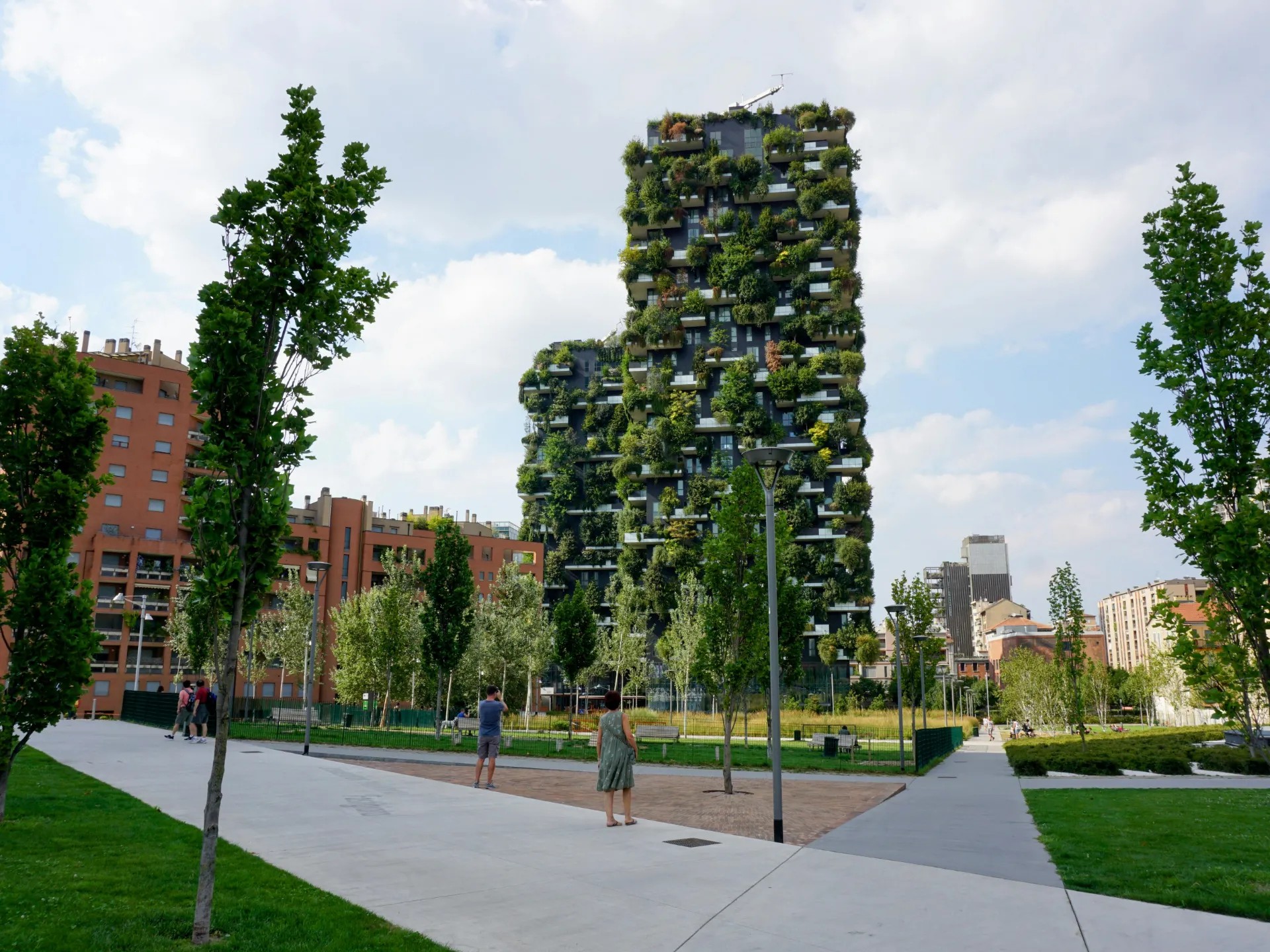
Copenhagen learned its lesson in 2011. A single cloudburst caused 6 billion Danish kroner of damage, after which a €1.3 billion investment programme was launched. The system built since then combines conventional elements – huge underground storage tanks – with sponge solutions: sunken playgrounds, tree-lined strips that channel water and redesigned public squares. Together they work extremely well.
Malmö's Augustenborg district won the UN World Habitat Award for what it built in the early 2000s: 6 km of open channels, 11 retention ponds, green roofs and rain gardens – all in a densely populated, largely municipally owned housing area (World Habitat, 2010). It was not a spectacular megaproject but meticulous rethinking at street level.
Milan is spending €50 million from the post-pandemic recovery fund on turning the city into a "sponge": 90 development projects, 300,000 m² of new green space and 2,000 newly planted trees (Comune di Milano, 2026; Urban Technology Alliance, 2025). The project is called Città Metropolitana Spugna (the metropolitan sponge).
Basel decided back in the 1990s that the city would pay private owners who build green roofs. The incentive proved cheaper than expanding the sewer system. Today Basel is among the world leaders in green roof area per inhabitant: 5.71 m² per person.
Isolated projects instead of a system
In many cities the sponge city is not an unknown concept – but so far it takes shape mostly in isolated projects rather than as a system. In Budapest, for example, the EU LIFE-funded Urban Rain project created demonstration sites with permeable paving, rain gardens and rainwater cisterns (Városi Eső, 2025). The broken concrete surface in front of the Rókus Chapel became a rain garden with a soakaway well: the water now goes not into the sewer but to the roots of four newly planted trees (Budapest Főváros, 2025). Such interventions are positive – but tiny.
Modelling by researchers and engineering consultants for such projects is clear: green roofs, rain gardens and infiltration trenches are effective not only at retaining rainwater but also at reducing flash flood risk. Cautious steps have been taken, but a system-wide shift is still awaited.
Only the planners' responsibility?
In most European countries, sponge city principles could already be enforced on paper. Local zoning and building regulations typically set a minimum green space ratio for each zone and rules for the green infrastructure network. A municipality that sets these requirements ambitiously can do a great deal. One that writes in only the minimum may please developers, but forces nothing positive out of capital.
The key player everywhere is the municipality's planning authority – often embodied in a city architect. They review and negotiate developments; it is with them that developers' demands and the public interest meet – or fail to meet. Where planners require permeable paving, rain gardens or green roofs as a condition of development, these get built. This does not necessarily require new legislation – it would be enough to use the existing room for manoeuvre consistently.
Missing incentives
The other missing element is incentives. Many countries have no general, national financial incentive for building green infrastructure. No tax break for green roofs, no reduction in development charges for permeable paving, no local fund to reward an apartment building for creating a rain garden instead of paving. Unlike Basel, where the city has been paying private owners for good decisions for thirty years, elsewhere individuals and developers usually choose the cheapest solution – because that is the rational choice in a poor regulatory environment.
The other side of financing is development funding. Sponge infrastructure is expensive to build. The returns – reduced sewer loads, avoided damage, energy savings – materialise only over a longer period, which decision-makers find hard to justify against a tight municipal budget. In principle it can be funded from EU sources (ERDF, Cohesion Fund, LIFE programme), but a lack of application capacity and project preparation is often a barrier. Frequently, what is missing is political will and institutional capacity.
Sponge cities against heat stress
The sponge city is not a miracle cure; it does not replace the sewer system, does not solve every water management challenge and certainly is not free. But the existing technical and financial arguments make it clear: not doing it is more expensive than doing it. The cost of inaction is flood damage, sewer expansion, rising insurance premiums, drying urban green spaces and ever-increasing summer heat stress.
A change of mindset instead of hypocrisy from decision-makers!
In summary, the necessary shift has three conditions:
The first is regulation: more ambitious green space and water retention requirements in local zoning rules, consistently enforced by planning authorities.
The second is incentives: financial mechanisms that give private owners and developers an interest in making the right decisions.
The third is mindset: urban planners should see rainwater not as a problem but as a resource to be used. All this requires a real change of mindset among municipal leaders and planners as well as developers. Nobody becomes a "green politician" by cycling to the town hall for a PR photo.
Every day, around 1,500 hectares of natural surface disappear under buildings, roads and paving in Europe. In dense city centres, 70–100% of the surface is sealed, and only about 5% of rainfall soaks into the ground. The sponge city is the answer: a system of green roofs, rain gardens, permeable paving and soakaways that retains and uses rainwater naturally. In Copenhagen, a €1.3 billion programme has prevented flood damage; Malmö, Milan and Basel show other routes. In most European cities the planning tools – zoning rules, green space ratios, review of developments by the city's planners – are in principle already available. What is missing is consistent application, incentives and a change of mindset. Water is not lost – it is simply mismanaged.
According to the European Environment Agency, the EU's built-up area has grown by 25% since 1990, and between 2018 and 2023 the continent lost 912 km² of natural surface a year. In dense city centres, 70–100% of the surface is sealed – while nearly 50% of rainfall soaks in on natural land, in cities the figure is around 5%. The remaining 95% loads the sewer network.
The sponge city is the answer: a system of green roofs, rain gardens, permeable paving, infiltration trenches and underground storage that keeps rainwater where it falls. Used together, they can cut urban runoff by 40–50%. In Copenhagen, a €1.3 billion programme combined sponge-like public spaces with conventional tunnels.
In most European cities the tools are in principle available: local zoning rules set minimum green space ratios, and the city's planners review development proposals. Where they require permeable paving, rain gardens or green roofs as a condition of development, these get built. Where they do not, the asphalt stays. What is missing: consistent application of the rules, incentives – tax breaks, reduced development charges – and a change of mindset that treats rainwater as a resource rather than a burden. Water is not lost – it is simply mismanaged.

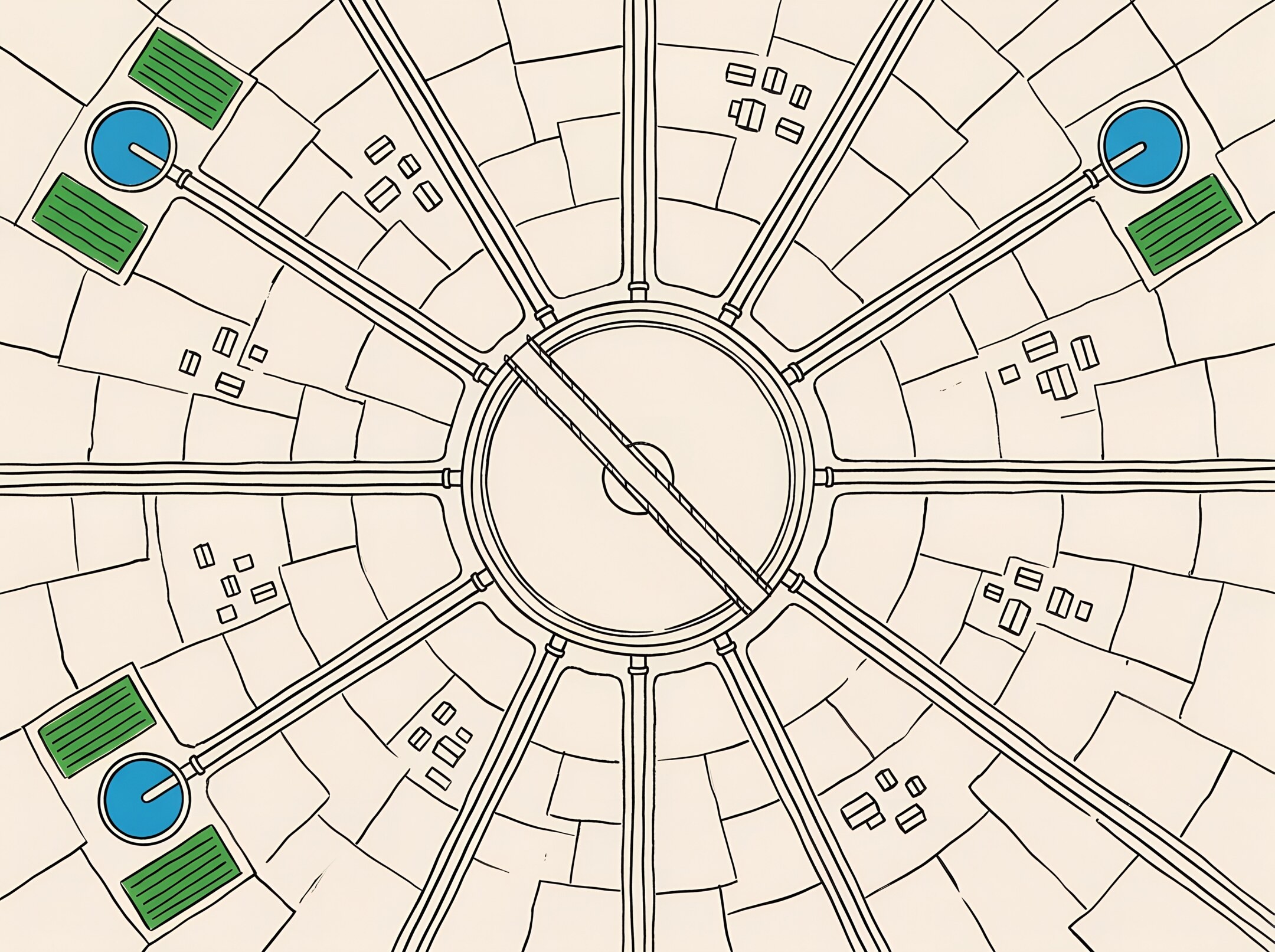

A study of 10,826 Chinese treatment plants finds that big centralised systems are reaching two limits at once, on easing water scarcity and on paying their way, and that a hybrid model could do the job for up to 37% less.
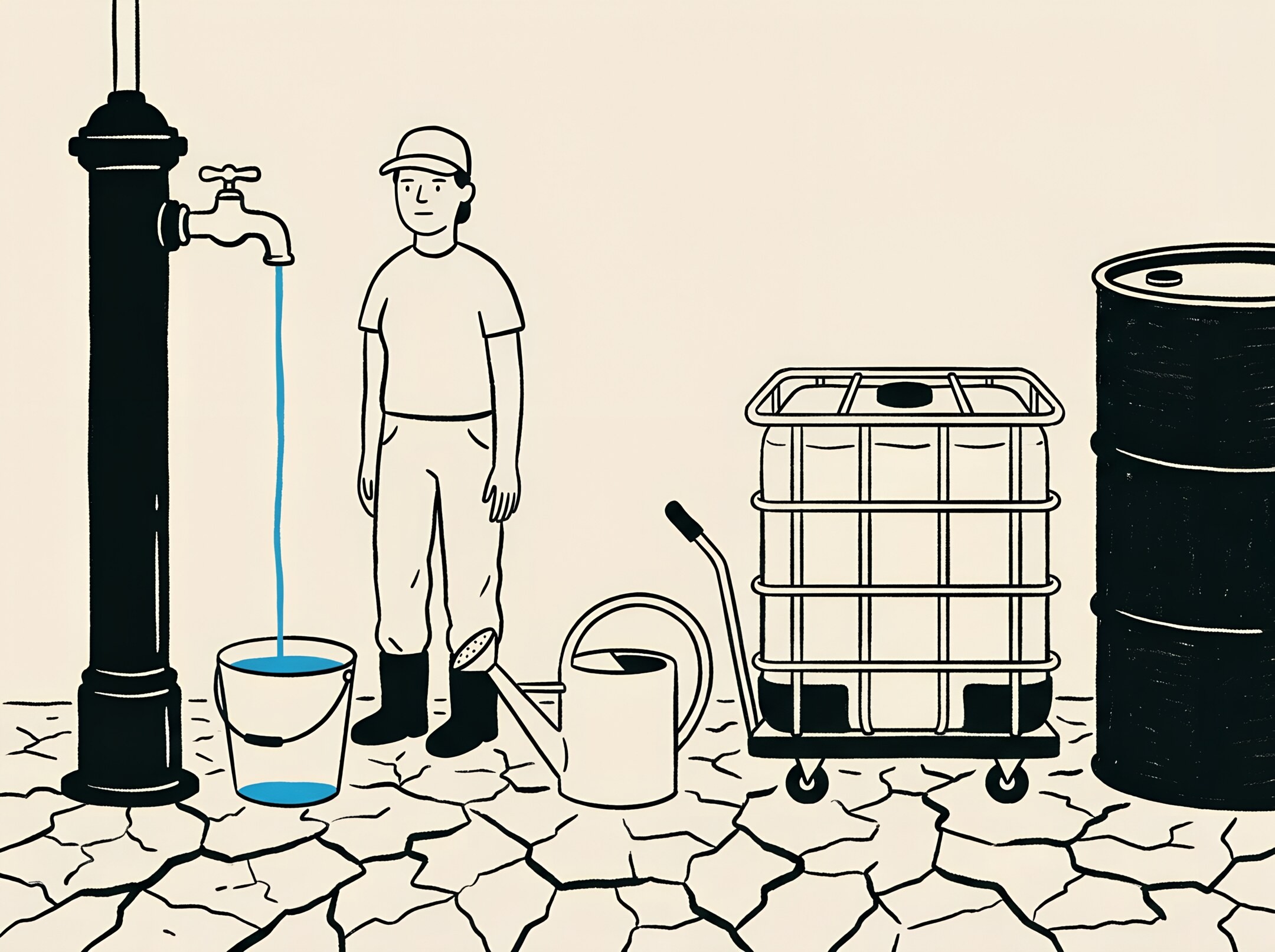
FAO has published draft principles on who may use water and on what terms, a quiet piece of international work that speaks directly to this year's fights over drought, wells and free irrigation.

A new report projects data centres' water footprint reaching 9.32 trillion litres by 2030, but the number is only meaningful once you know what it counts, and who is making the case.
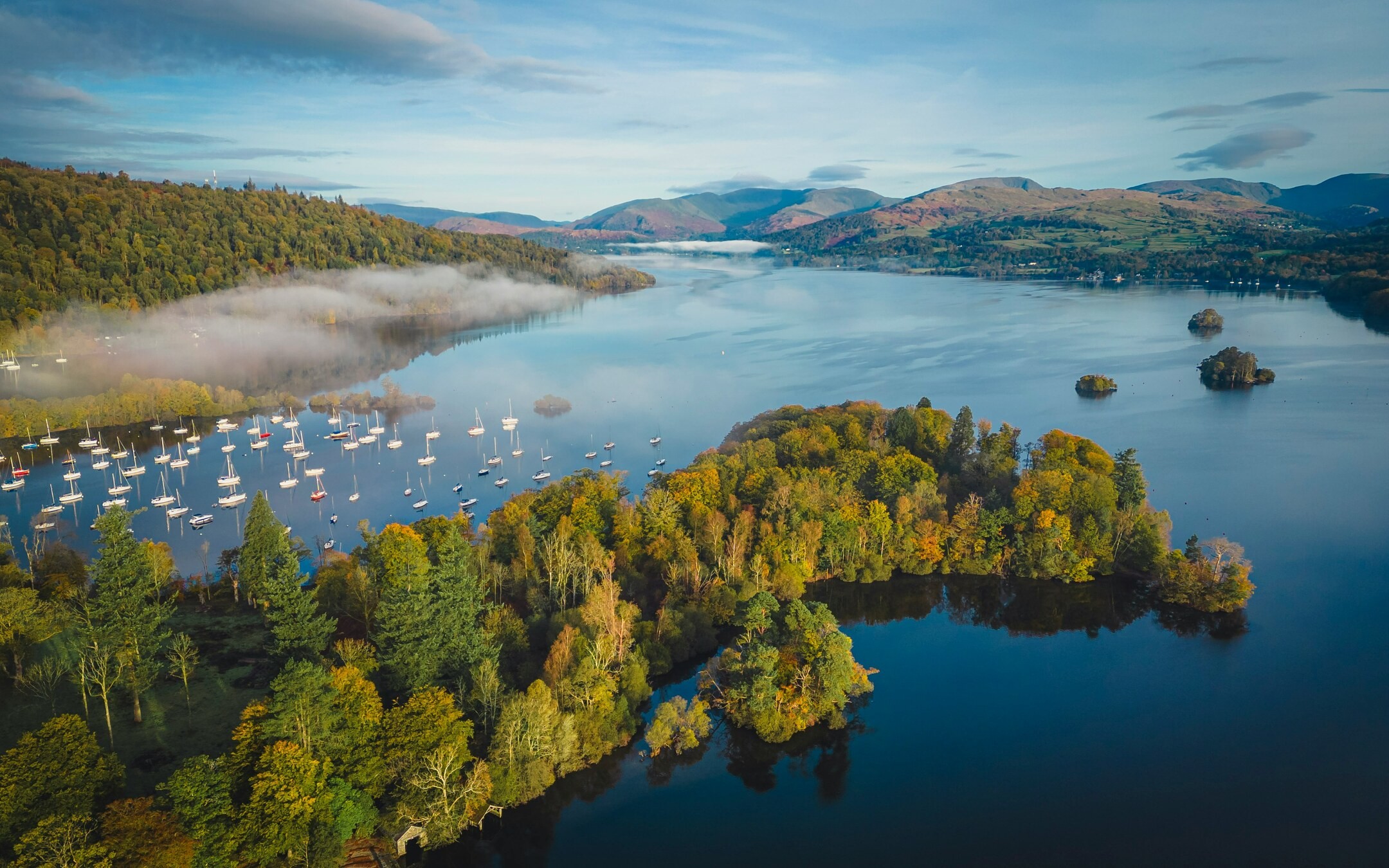
An English coalition has costed what it would take to keep every drop of wastewater out of England's largest lake, £3.6–3.7 billion, and its modelling says nothing less ends harmful algal blooms.