At the Sun's Gate
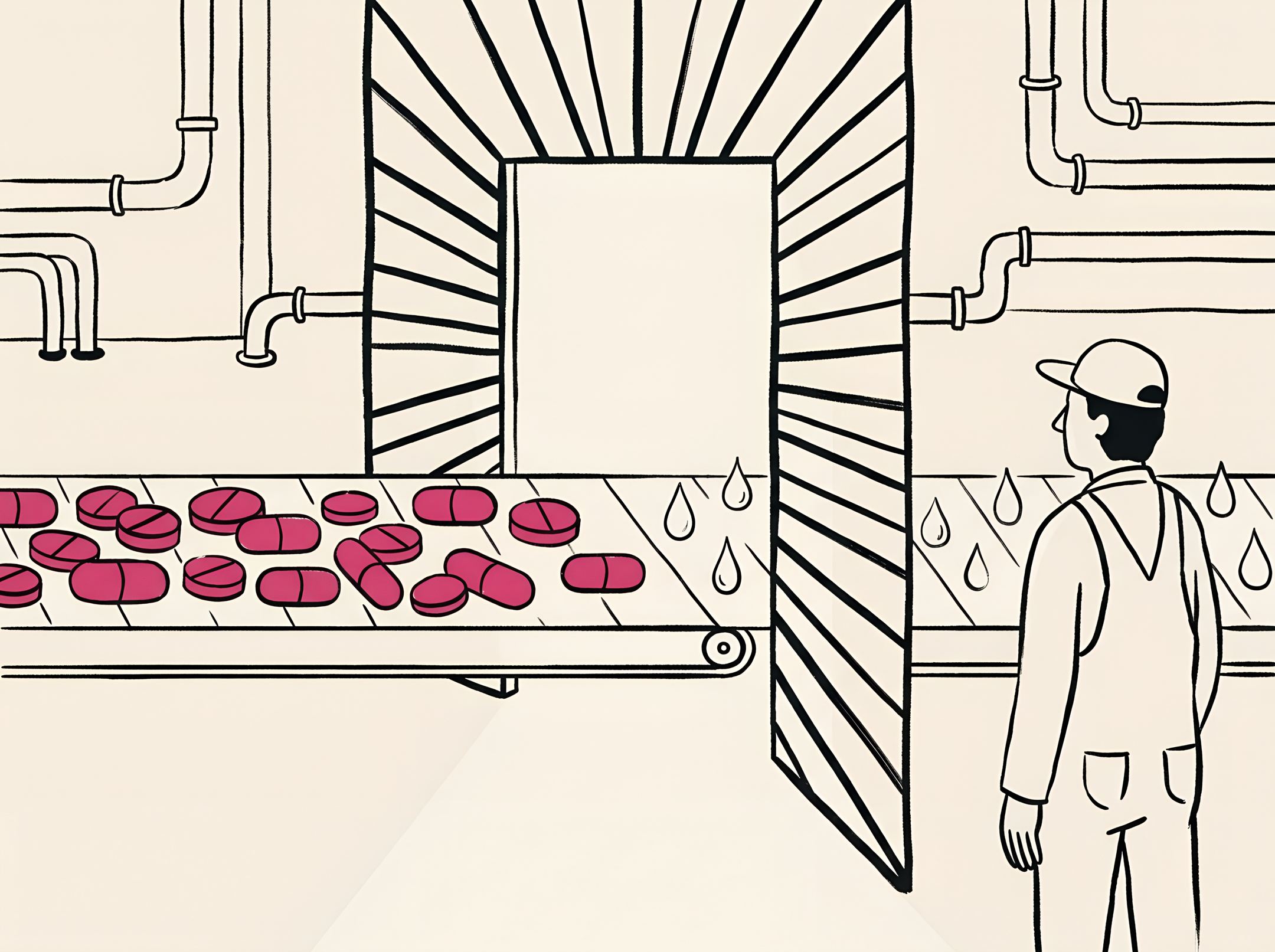
An Indian research team has developed a solar-powered nanoreactor that could radically improve the quality of wastewater treatment. Their goal was a solution that is cheap to run, sustainable and able to break down the most persistent pollutants in wastewater without using chemicals.
The new technology, patented in both India and the United Kingdom, was created jointly by the Inter-University Accelerator Centre (IUAC), the University of Allahabad and the Central Institute of Tibetan Studies under the Make in India programme. Conventional biological treatment systems cannot fully remove pharmaceutical residues, pesticides and heavy metals from wastewater – a serious problem, as these substances threaten aquatic ecosystems as much as human health.
The core of the invention is that the nanoreactor channels solar energy into a special light-driven process that breaks complex pollutants down into harmless molecules such as water and carbon dioxide. A key advantage is that it works at ambient temperature and pressure, so no expensive, energy-hungry equipment is needed. According to the developers, the reactor is best suited to hospital and industrial wastewater, where concentrations of pharmaceuticals and chemicals regularly exceed what conventional systems can handle.
How it works
The solar nanoreactor is an advanced oxidation process (AOP) that uses photocatalysis to break down hard-to-remove micropollutants in wastewater. Its active components are nanoscale semiconductor particles that become excited when exposed to sunlight. The resulting electron–hole pairs generate reactive oxygen species in the water – hydroxyl radicals, for example. These are extremely strong oxidants that can destroy the structure of pharmaceutical residues, pesticides and other stable organic molecules, ultimately mineralising them into water and carbon dioxide.
How is it different from conventional UV treatment?
The obvious question is how the new process differs from classic UV disinfection, long used to inactivate microorganisms: UV-C radiation damages their DNA/RNA and stops pathogens from multiplying. Although UV can photolyse some organic compounds to a degree, on its own it is usually not enough to fully break down persistent micropollutants.
The photocatalytic nanoreactor, by contrast, does not merely disinfect: it oxidatively degrades complex organic molecules, because a catalyst converts light energy into chemical reactions. Another advantage is that it can run on sunlight, whereas conventional UV systems typically rely on electrically powered UV lamps.
The engineering challenges of industrial scale-up
Turning laboratory results into industrial practice raises a number of engineering questions:
1. Light utilisation and reactor geometry
With large volumes of water, light has to reach the active surface of the catalyst. Turbid wastewater with suspended solids reduces light penetration and lowers efficiency.
2. Scalability and integration
That is why the technology is best inserted between or after the existing mechanical and biological treatment stages. The most likely point of use is the tertiary or quaternary treatment stage, where suspended solids are already low.
3. Catalyst stability and recovery
With nanoparticles, the key issue is keeping them out of the treated effluent. Industrial systems therefore often need fixed (immobilised) catalyst surfaces, which in turn can reduce the active reaction area.
4. Reaction kinetics and retention time
Highly concentrated industrial wastewater needs sufficient oxidation time, which can mean larger reactors.
5. Weather dependence
In systems that rely on sunlight, fluctuating irradiation (location, cloud cover, seasons) can affect reliability, so a supplementary light source or hybrid operation may be required.
A promising innovation
The sunlight-driven photocatalytic nanoreactor offers a promising alternative for removing persistent micropollutants, especially where conventional UV or biological treatment falls short. The keys to industrial deployment will be the right reactor design, catalyst durability and optimised light efficiency. If these challenges can be met, the technology could be a real breakthrough in energy-efficient, sustainable wastewater treatment: it runs on renewable energy, produces no harmful by-products and can break down pollutants that until now could only be treated with costly, energy-intensive processes.
Indian researchers have developed a solar-powered nanoreactor that uses photocatalysis to break down persistent micropollutants in wastewater – including pharmaceutical residues, pesticides and heavy metals. Conventional biological treatment cannot remove these substances effectively. Under sunlight, the reactor's nanoscale semiconductor particles generate reactive oxygen species that convert the pollutants into water and carbon dioxide. The technology works without chemicals, at ambient temperature and pressure. It is particularly suited to hospital and industrial wastewater, and has been patented in both India and the United Kingdom.
A solar-powered photocatalytic nanoreactor has been developed jointly by the Inter-University Accelerator Centre, the University of Allahabad and the Central Institute of Tibetan Studies under the Make in India programme. The invention targets a problem conventional wastewater treatment cannot solve: the effective removal of pharmaceutical residues, pesticides and heavy metals.
The reactor is based on advanced oxidation processes (AOP). Under sunlight, nanoscale semiconductor catalyst particles become excited and generate electron–hole pairs, which produce extremely strong oxidants – hydroxyl radicals – in the water. These can break down even the most stable organic pollutant molecules into water and carbon dioxide, without any chemical dosing.
Unlike classic UV disinfection, the system does not just inactivate microorganisms but chemically degrades complex organic molecules, while running on a renewable energy source: sunlight.
Industrial use, however, poses engineering challenges: turbid wastewater reduces light penetration, the nanoparticles have to be recovered, and the weather dependence of sunlight may call for a supplementary light source. According to the developers, the technology fits best as a tertiary or quaternary treatment stage alongside existing systems, where suspended solids are already low.
If the technical hurdles can be overcome, the nanoreactor could offer an energy-efficient and sustainable solution for the global wastewater industry.



A study of 10,826 Chinese treatment plants finds that big centralised systems are reaching two limits at once, on easing water scarcity and on paying their way, and that a hybrid model could do the job for up to 37% less.
Japanese researchers combined bacterial DNA from wastewater with pipe data and machine learning to flag the sewer sections most prone to corrosion – across the whole network, before the camera goes in.

Twelve years of Philadelphia data show that after combined sewer overflows, dissolved oxygen in smaller streams stays low for days, while the big river barely notices.

An English coalition has costed what it would take to keep every drop of wastewater out of England's largest lake, £3.6–3.7 billion, and its modelling says nothing less ends harmful algal blooms.