A Two-Billion-Dollar Investment in America's Biogas Industry
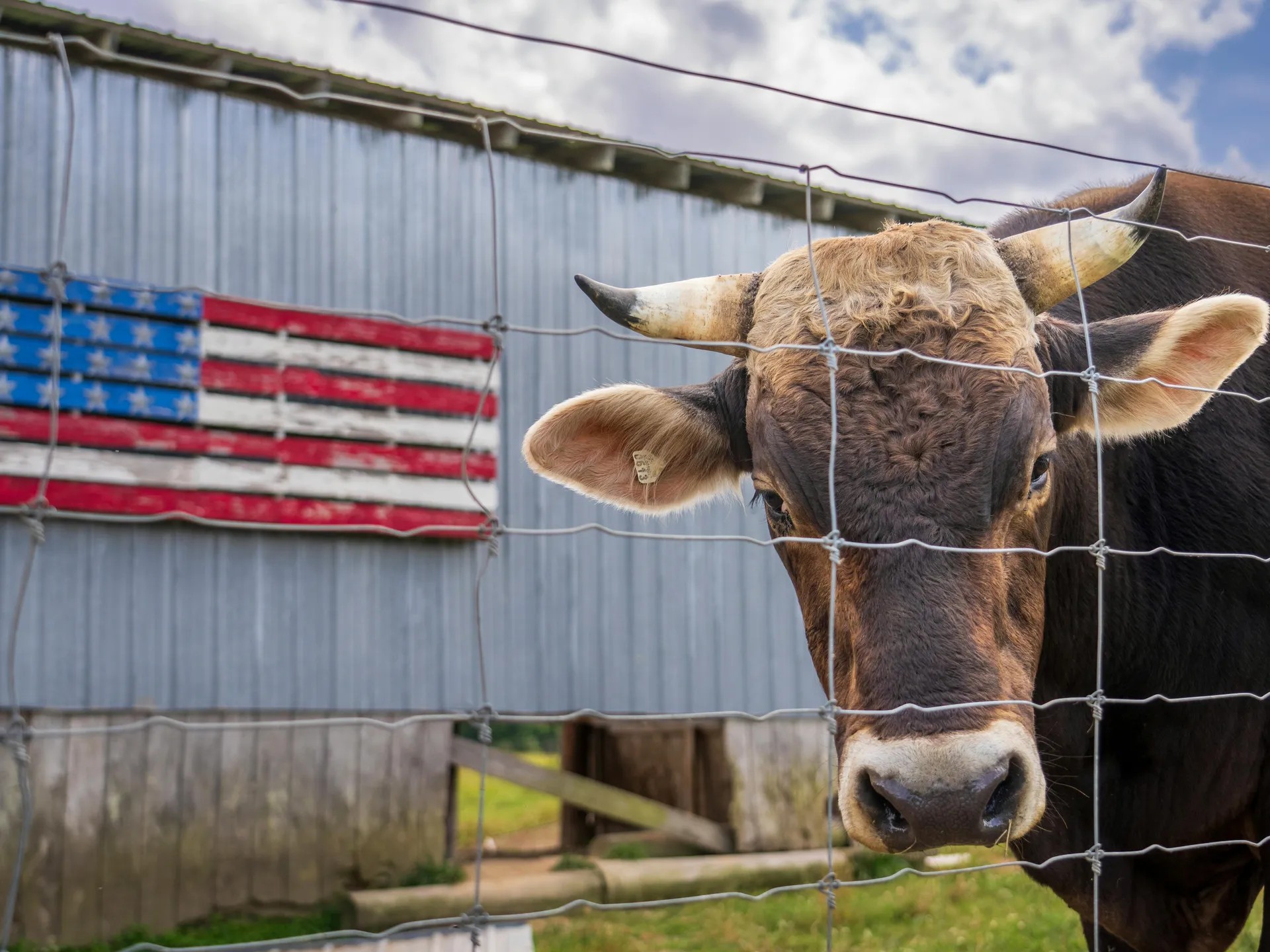
New data published by the American Biogas Council (ABC) show that 2025 was another strong year for the US biogas industry. In the 12 months to December 2025, 70 new biogas projects came online, representing more than $2 billion of new domestic recycling infrastructure and bringing the number of systems turning organic waste into biogas across the United States to nearly 2,600 facilities.
Biogas capture across the industry grew by 7.5% in 2025 to around 22.1 billion m³ a year – roughly 42,500 m³ every minute.
Biogas projects turn manure, sewage sludge, food waste and captured landfill gas into renewable natural gas (RNG), renewable electricity, heat and natural fertiliser. Together these systems provide a reliable, dispatchable renewable energy source that is available 24 hours a day, 365 days a year.
Because biogas projects capture methane that would otherwise escape into the atmosphere, the carbon intensity of biogas can be 50–700% lower than that of fossil fuels. That brings significant climate benefits while meeting domestic energy demand and managing waste from farms, cities and industry.
“Biogas continues to prove its value as a practical, scalable solution for America's energy and waste challenges. In an era of rising energy demand and growing interest in domestic manufacturing, biogas provides the reliable, always-available energy America needs, while reducing transport pollution, improving soil health and food supply, and turning waste into valuable products.”
The strongest source of biogas capture: landfills
Landfill gas (LFG) projects, which capture the biogas released as organic matter decomposes in landfills, still account for most of the biogas captured in the United States. Although there are fewer of them than agricultural or wastewater facilities, LFG facilities deliver 72% of all biogas captured nationwide. In 2025 the industry added 20 new landfill gas capture projects, bringing the total to 599 LFG facilities and representing $912 million of investment – 43% of all the capital biogas developers put into projects launched in 2025. LFG capture capacity grew by 8% to 15.8 billion m³ a year.
While many newer landfill projects are designed to upgrade biogas to RNG, electricity generation remains the dominant end use in the segment and across the biogas industry as a whole.
Manure is the new favourite
Agricultural biogas systems continue to play an important role in managing manure more sustainably while producing renewable energy and natural fertiliser. As in recent years, most new agricultural projects in 2025 were built to upgrade the captured biogas to RNG, reflecting continued demand for lower-carbon transport fuels.
Food waste and wastewater
Food waste biogas projects also grew strongly in 2025. Investment in the segment more than doubled year on year to $325 million, driving an 18% increase in biogas capture to 800 million m³ a year. Although it remains the smallest segment by number of projects, food waste digestion gains momentum every year as more municipalities look for ways to divert organic waste such as food scraps from landfill. Besides the 124 US biogas projects that process only food waste, some 200 agricultural and wastewater facilities co-digest food waste with manure or biomass.
By number of facilities, the wastewater sector – with 1,232 operating systems – makes up nearly half of all US biogas facilities. The country's oldest biogas facilities, dating from the 1920s and running for more than 100 years, are at wastewater treatment plants.
Electricity still dominates biogas use
Of the 70 new biogas projects launched in 2025, 68 were designed to upgrade biogas to RNG for use as vehicle fuel. As a result, 659 US facilities now supply captured biogas for RNG production.
Total RNG production grew by 24% in 2025 – enough to fuel some 8.2 million vehicles.
Despite this growth, renewable electricity remains the backbone of the US biogas industry. Around 75% of biogas projects and 55% of total biogas output are used to generate electricity, underlining the popularity of the reliable, renewable, on-demand power that biogas provides.
Growth backed by the states
Biogas projects operate in every US state, because organic waste is produced – and causes problems – wherever people or animals live. Seven states – Texas, California, Illinois, Idaho, Washington, Wisconsin and Florida – each attracted more than $100 million of capital investment through biogas projects launched in 2025. These states led the country in spending on new projects, boosting local economies, supporting job creation and developing recycling and waste management infrastructure.
Most of America's waste is still untapped
The ABC estimates that more than 17,000 additional biogas systems could be built nationwide, adding up to 25 GW of always-available renewable generating capacity. These projects could create around 900,000 short-term construction jobs and 45,000 permanent operating jobs, while strengthening domestic energy production and cutting emissions.
The biogas industry offers a huge opportunity to turn waste into economic growth – by capturing methane, producing local energy and fertiliser, and supplying clean, reliable energy to American communities around the clock.
According to the American Biogas Council, 70 new biogas projects came online in the United States in 2025, representing more than $2 billion of investment. The country now has nearly 2,600 biogas facilities turning manure, wastewater and food waste into renewable energy and fertiliser. Biogas capture grew by 7.5%. Landfill gas projects account for 72% of the biogas captured, while the wastewater sector leads by number of facilities, with 1,232 sites. Renewable natural gas (RNG) production rose by 24%, but electricity generation remained the dominant use.
According to the 2025 annual data of the American Biogas Council (ABC), the US biogas industry has completed another year of strong growth. In the 12 months to December 2025, 70 new biogas projects came online with a combined investment of more than $2 billion. This brought the number of biogas facilities operating in the United States to nearly 2,600, while biogas capture grew by 7.5% to 22.1 billion cubic metres a year.
The sector processes organic waste from four main sources: landfill gas, agricultural manure, wastewater and food waste. Landfill gas projects deliver 72% of the biogas captured, even though there are fewer of them than in the other segments. The wastewater sector leads by number of facilities with 1,232 sites, nearly half of all US biogas facilities – and it has the longest history, with some plants operating since the 1920s.
Food waste showed the fastest growth: investment more than doubled to $325 million. Renewable natural gas (RNG) production rose by 24%, yet electricity generation remained the dominant end use, accounting for 75% of projects and 55% of output.
The ABC estimates that more than 17,000 additional biogas systems could be built in the United States, adding up to 25 gigawatts of renewable capacity and around 45,000 permanent jobs.



From 4 November, companies that want to buy biomethane can post their demand on the European Commission's platform and producers can bid from January. Here is what to do now and what the scheme will not give you.

Berlin wants gas and heating oil suppliers to sell a rising share of renewable fuels to households from 2028, but biomethane producers say the draft design favours hydrogen.

W4 relaunches with a new website, an English edition, dedicated series pages and a separate professional hub – the same coverage, with far better tools for reading and finding it.

A new analysis finds that global biomethane production could in theory cover much of international shipping's early decarbonisation energy demand, but regulatory details may decide whether it actually reaches the seas.