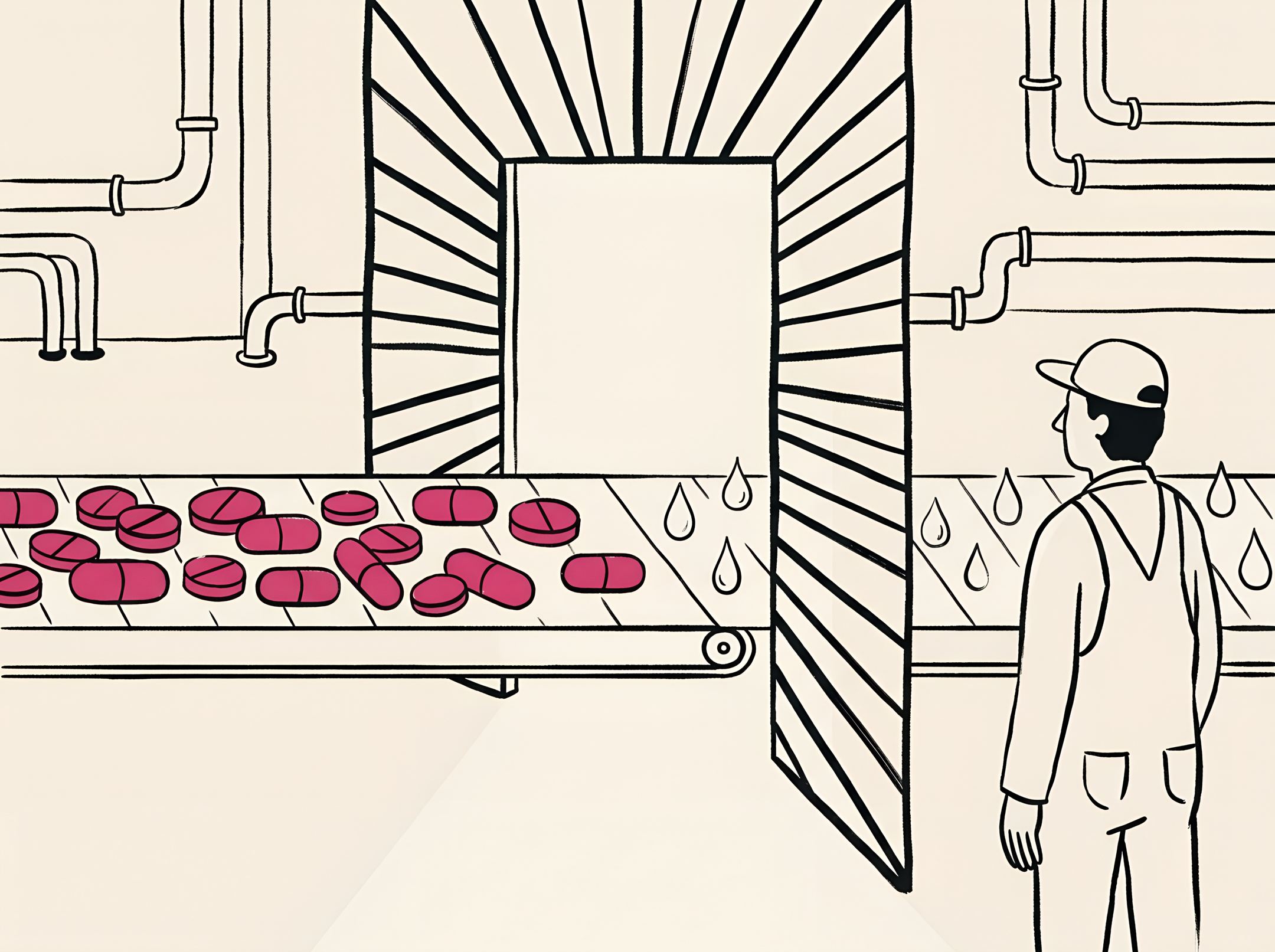
Bacteria Could Be Our Best Friends Yet
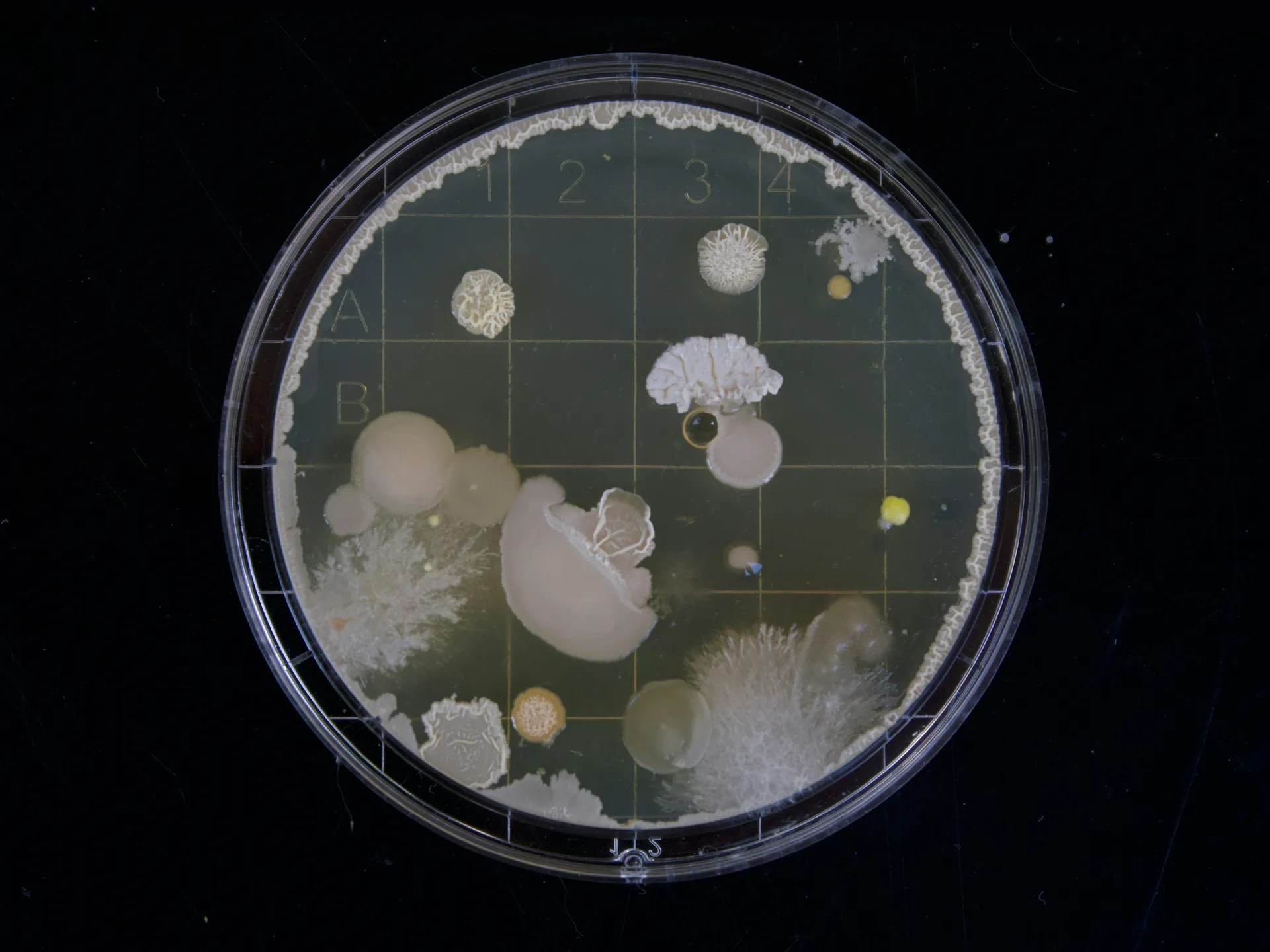
Nearly 360 billion m³ of wastewater is produced worldwide every year – enough to fill Lake Geneva four times over. Half of it returns to nature untreated, while the other half is cleaned for reuse through expensive, energy-intensive processes. An international research review published in February 2026 (Schröder et al., 2026), however, approaches the problem from a radically new angle: wastewater is not merely waste but a huge, untapped resource.
"Globally, our wastewater contains over 800,000 GWh of chemical energy – equivalent to the annual output of 100 nuclear power plants," says Professor Uwe Schröder of the University of Greifswald, lead author of the review. The nutrients it contains could also supply around 11% of global demand for ammonia and about 7% for phosphate.
Bacteria that generate electricity
The key lies in microbial electrochemical technologies (MET). These systems use electroactive bacteria – microorganisms that release electrons into their surroundings as part of their metabolism. When they are connected to electrodes, the process produces a measurable electric current.
In the laboratory, these systems can convert up to 35% of the chemical energy in wastewater into electricity. That may sound modest at first, but it clearly beats conventional anaerobic digestion, which achieves a conversion of just 28%. According to the researchers, in principle enough energy could be recovered for the treatment process to cover part of its own energy demand – no small matter, given that the water sector currently accounts for around 4% of global energy consumption.
But the bacteria do not just help recover energy; they also help reclaim valuable nutrients from wastewater. Recovering nitrogen and phosphorus compounds brings a double benefit: it stops these substances from causing algal blooms and fish kills once they reach waterways, and it provides raw material for fertiliser that can be used directly.
Proven in the field
The technology is not confined to the laboratory. The Pee Power® system, which generates electricity from urine, first proved itself at the Glastonbury Festival in 2015, followed by longer-term field trials in Uganda, Kenya and South Africa. The principle is simple and striking: the energy recovered from users' urine is enough to light the toilets at night, reducing safety risks in areas without a power supply.
“Globally, about 3.5 billion people cannot access managed sanitation. Expanding wastewater treatment could help improve living conditions for many of the world's poorest people, as well as preventing ecological damage.”
The obstacles to overcome
Serious challenges stand in the way of widespread use. In many countries, regulations have not yet adapted to the logic of the circular economy: fertiliser made from nutrients recovered from urine, for example, cannot legally be used for food or feed production in many places.
On the engineering side, the long-term stability and performance of electrode materials under continuous operation still need work. Scalability is also an open question: what works efficiently in the laboratory faces different hydraulic and mass-flow conditions at industrial scale.
"While it would be a stretch to imagine powering our homes with wastewater, microbial electrochemical technologies could enhance existing water treatment processes," stresses Professor Falk Harnisch of the Helmholtz Centre for Environmental Research. The researchers see the greatest potential in heavily loaded industrial wastewater and in places where conventional treatment is unavailable or unaffordable.
Why it matters now
According to the researchers, MET systems could play a key role in achieving the UN Sustainable Development Goals, particularly Goal 6 – clean water and sanitation for all. Over the past twenty years the technology has progressed from laboratory experiments to modular on-site systems. The next steps are to make it economically competitive and to modernise the regulatory environment.
Rethinking wastewater – not as a burden to be disposed of but as a resource to be recovered – requires a change of mindset. But if that change happens, wastewater treatment plants could become self-sustaining energy and nutrient recovery systems.
The world produces nearly 360 billion cubic metres of wastewater a year, half of which returns to the environment untreated. In a review published in Frontiers in Science, an international team of researchers argues that this "waste" actually holds a huge store of energy and nutrients. Using microbial electrochemical technologies (MET), special electricity-producing bacteria can recover energy, nutrients usable as fertiliser and clean water from wastewater. The technology has already proved itself in pilot projects – including at festivals and in the field in Africa. The real challenge is large-scale deployment and modernising the regulatory framework.
According to a review published in Frontiers in Science in February 2026, the wastewater produced worldwide is not just a problem to be solved but an untapped resource. The world generates some 359 billion cubic metres of wastewater a year, half of which enters the environment untreated. Yet wastewater contains more than 800,000 GWh of chemical energy – equivalent to the annual output of 100 nuclear power plants – as well as large amounts of nitrogen and phosphorus compounds that could cover part of global fertiliser demand.
The researchers see the answer in microbial electrochemical technologies (MET). These systems use electroactive bacteria which, connected to electrodes, generate electricity from the chemical energy in wastewater. In the laboratory, up to 35% of the chemical energy can be converted into electricity – considerably more than with conventional anaerobic digestion.
The technology has already proved itself in real conditions: the Pee Power® system was tested at the Glastonbury Festival and then deployed in Uganda, Kenya and South Africa, where electricity from urine lit toilets in areas without a power supply.
Serious obstacles remain before widespread adoption: in many places regulations do not allow nutrients recovered from wastewater to be used in agriculture, electrode materials still need to become more durable, and economic competitiveness against conventional methods is not yet clear. According to the researchers, the key lies in smartly upgrading existing infrastructure and in a broad coalition of researchers, water utilities and policymakers working together.



A study of 10,826 Chinese treatment plants finds that big centralised systems are reaching two limits at once, on easing water scarcity and on paying their way, and that a hybrid model could do the job for up to 37% less.
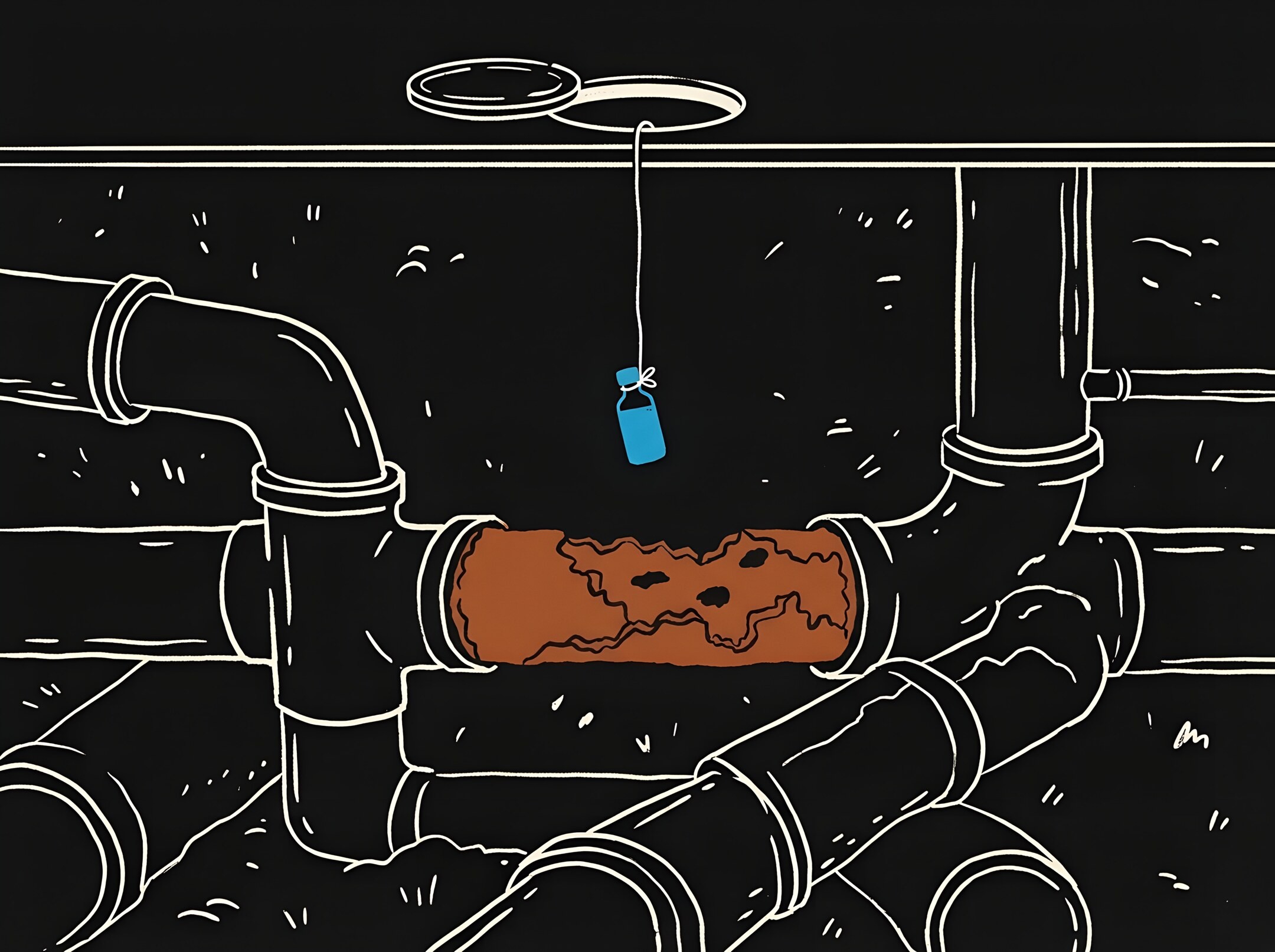
Japanese researchers combined bacterial DNA from wastewater with pipe data and machine learning to flag the sewer sections most prone to corrosion – across the whole network, before the camera goes in.
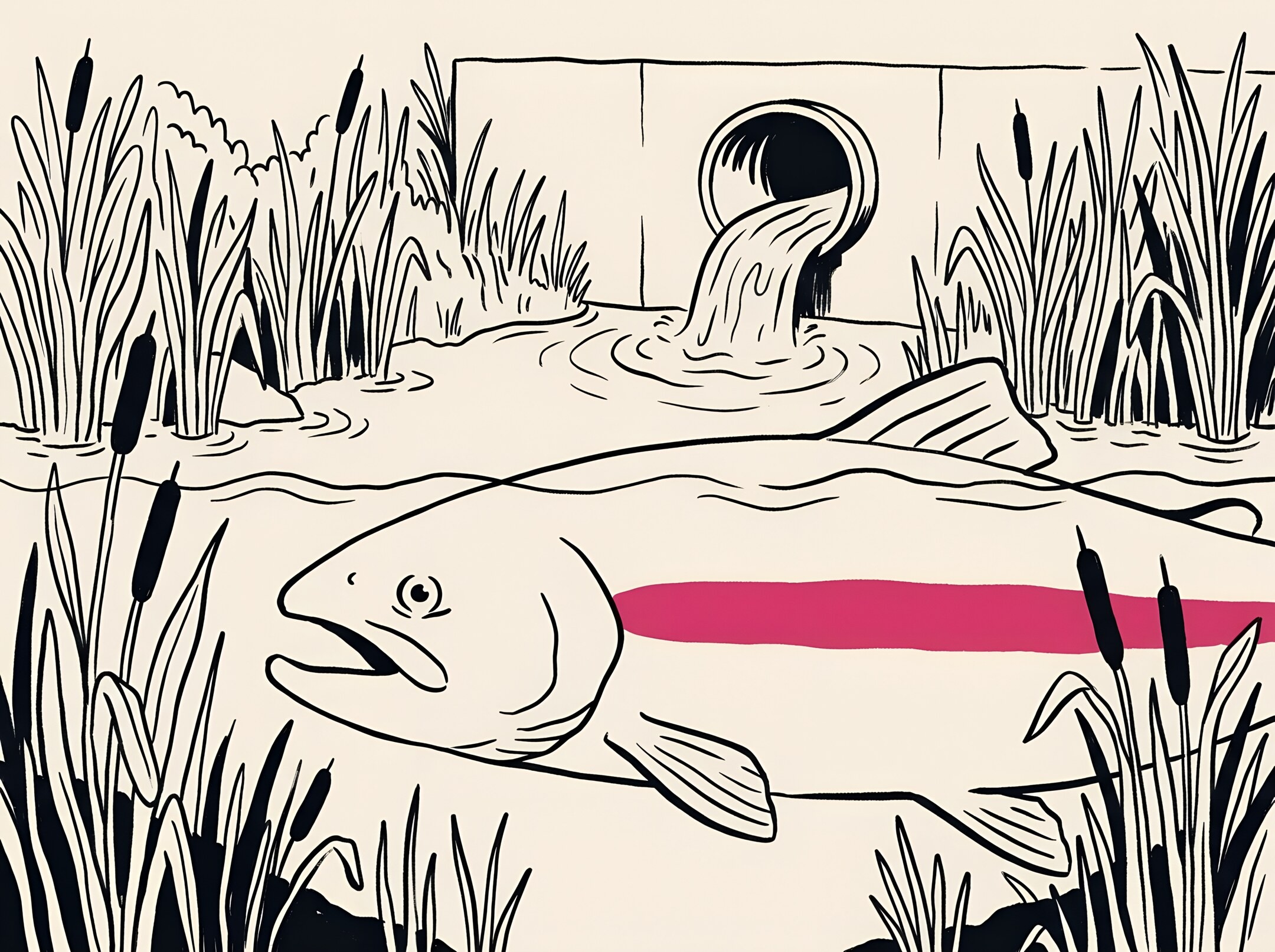
Twelve years of Philadelphia data show that after combined sewer overflows, dissolved oxygen in smaller streams stays low for days, while the big river barely notices.

An English coalition has costed what it would take to keep every drop of wastewater out of England's largest lake, £3.6–3.7 billion, and its modelling says nothing less ends harmful algal blooms.