Fighting Microplastics With Algae
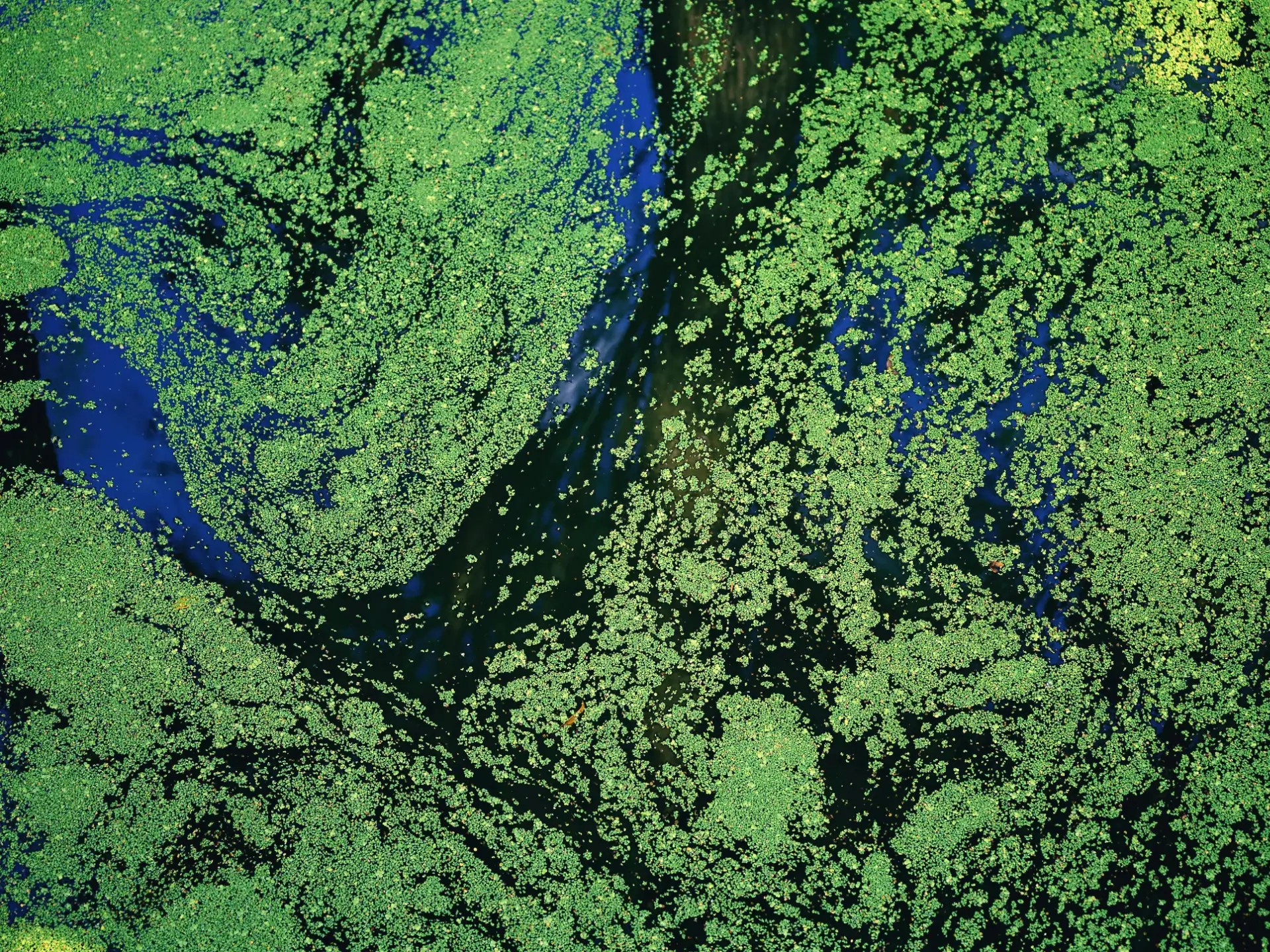
Professor Susie Dai, of the Department of Chemical and Biomedical Engineering at the University of Missouri and principal investigator at the Bond Life Sciences Center, has used genetic engineering to create a new kind of alga that grows in wastewater and can turn microplastics into biomass that is easy to collect and remove.
She hopes to build larger versions of her experimental bioreactor in the future that could be used in wastewater treatment.
The background: she recently used a ground-breaking new strain of algae to capture and remove harmful microplastics from polluted water, with the aim of turning the collected microplastics into safe bioplastic products such as composite plastic films.
"Microplastics are pollutants found almost everywhere in the environment, such as in ponds, lakes, rivers, wastewater and the fish that we consume. Currently, most wastewater treatment plants can only remove large particles of plastic, but microplastics are so small that they slip through and end up in drinking water, polluting the environment and harming ecosystems," she explains.
Limonene is the key
In a recent study, she explains how she used genetic engineering to produce a new alga that makes a volatile natural oil, limonene – the same chemical that gives oranges their refreshing scent. Limonene makes the alga water-repellent. Because microplastics are water-repellent too, the two stick together like magnets when they meet in water: they form clumps that sink to the bottom of the tank, creating a layer of solid biomass that is easy to collect and remove. These specially engineered algae can grow in wastewater, feeding on excess nutrients and cleaning the water as they grow.
"By removing the microplastics, cleaning the wastewater and eventually using the removed microplastics to create bioplastic products for good, we can tackle three issues with one approach. While our research is still in the early stages, our eventual goal is to integrate this new process into existing wastewater treatment plants so cities can clean their water more effectively and reduce pollution while creating useful products at the same time," says Dai.
Susie Dai, a researcher at the University of Missouri, has used genetic engineering to develop an alga that can collect microplastics in wastewater. The alga produces limonene – the natural oil behind the scent of citrus fruit – which makes the cell surface water-repellent. Since microplastics are also hydrophobic, the two stick together when they meet in water, forming clumps that sink to the bottom of the tank. The resulting biomass is easy to remove. Meanwhile the algae feed on the nutrients in the wastewater, helping to clean the water too. The researchers aim to use the technology at wastewater treatment plants in the future.
Susie Dai, professor in the Department of Chemical and Biomedical Engineering at the University of Missouri and principal investigator at the Bond Life Sciences Center, has used genetic engineering to develop a new strain of algae that can remove microplastics from wastewater. The key innovation is that the alga turns microplastics floating in the water into biomass that is easy to collect and can later be removed from the system. In the longer term, she plans to build larger bioreactors that could be used at wastewater treatment plants.
Microplastics are now present in almost every environmental medium: in lakes, rivers and wastewater, and even in fish caught for human consumption. Conventional wastewater treatment systems mainly remove larger pieces of plastic, while microscopic particles often slip through the filters and end up in natural waters or even drinking water.
The key element of the research is a genetically modified alga that produces limonene – a natural compound responsible for the scent of citrus fruit. This oil makes the algal cells water-repellent. Since microplastics are also hydrophobic, the two readily stick together when they meet in water. The resulting clumps sink to the bottom, forming a layer of solid biomass that is easy to collect.
The algae also use the excess nutrients in wastewater to grow, so the process helps clean the water as well. According to the researchers, the technology could solve three problems at once: removing microplastics, cleaning wastewater and recycling the collected plastics into bioplastic products such as composite films. The development is still at an experimental stage, but the goal is to integrate it into existing wastewater treatment systems.



A study of 10,826 Chinese treatment plants finds that big centralised systems are reaching two limits at once, on easing water scarcity and on paying their way, and that a hybrid model could do the job for up to 37% less.
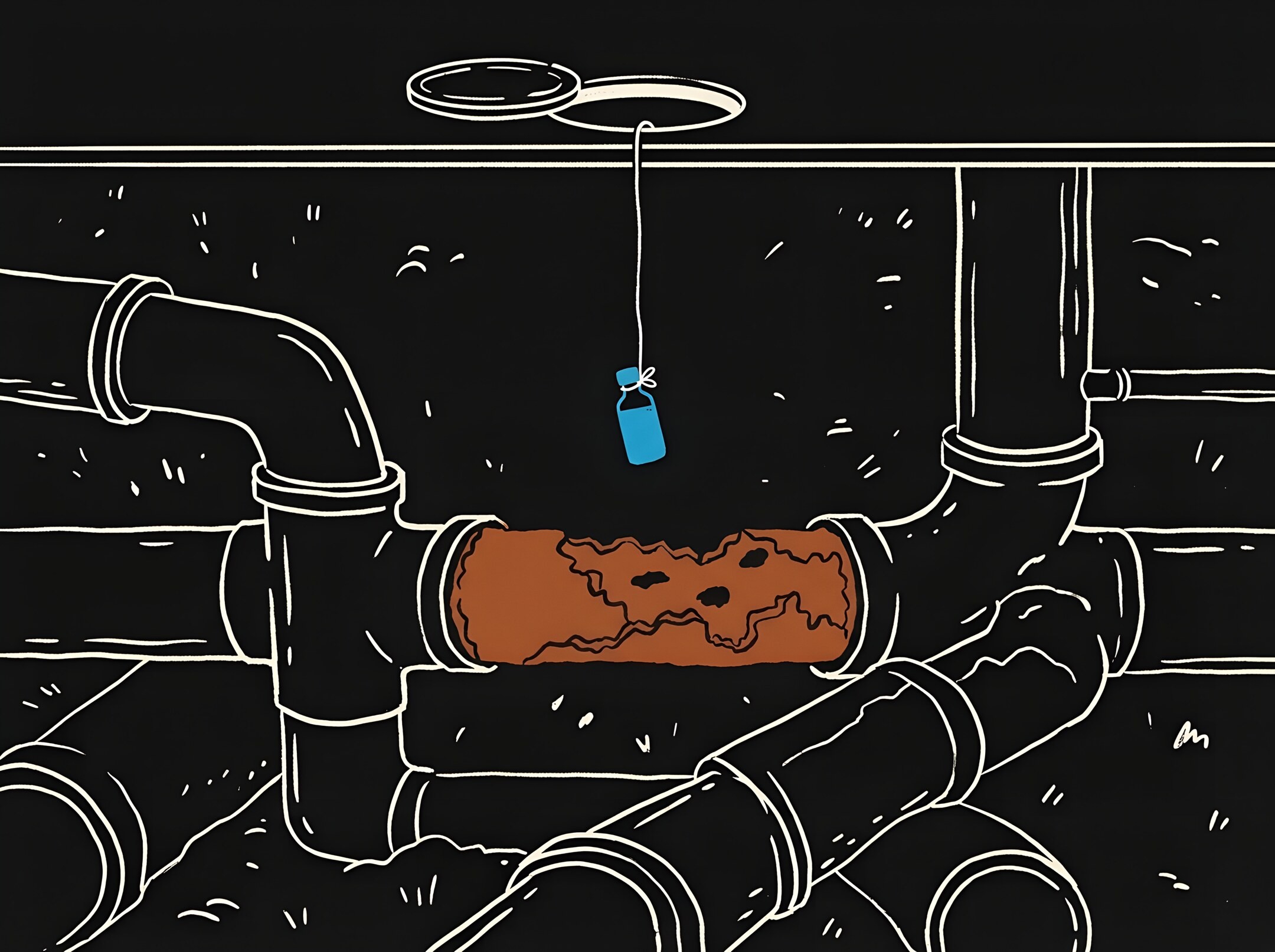
Japanese researchers combined bacterial DNA from wastewater with pipe data and machine learning to flag the sewer sections most prone to corrosion – across the whole network, before the camera goes in.
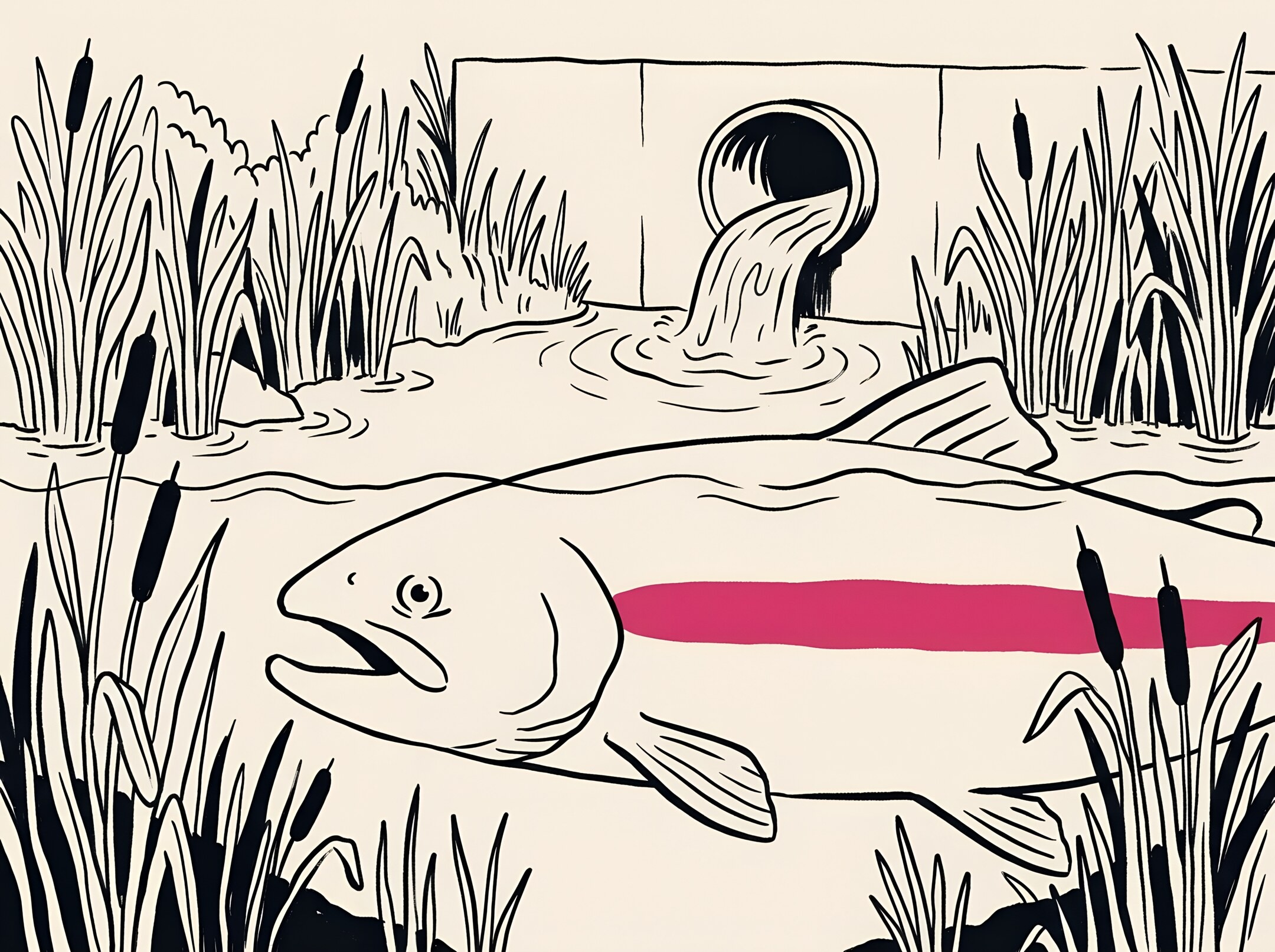
Twelve years of Philadelphia data show that after combined sewer overflows, dissolved oxygen in smaller streams stays low for days, while the big river barely notices.

An English coalition has costed what it would take to keep every drop of wastewater out of England's largest lake, £3.6–3.7 billion, and its modelling says nothing less ends harmful algal blooms.