The World of Water Recycling Gathers in Los Angeles
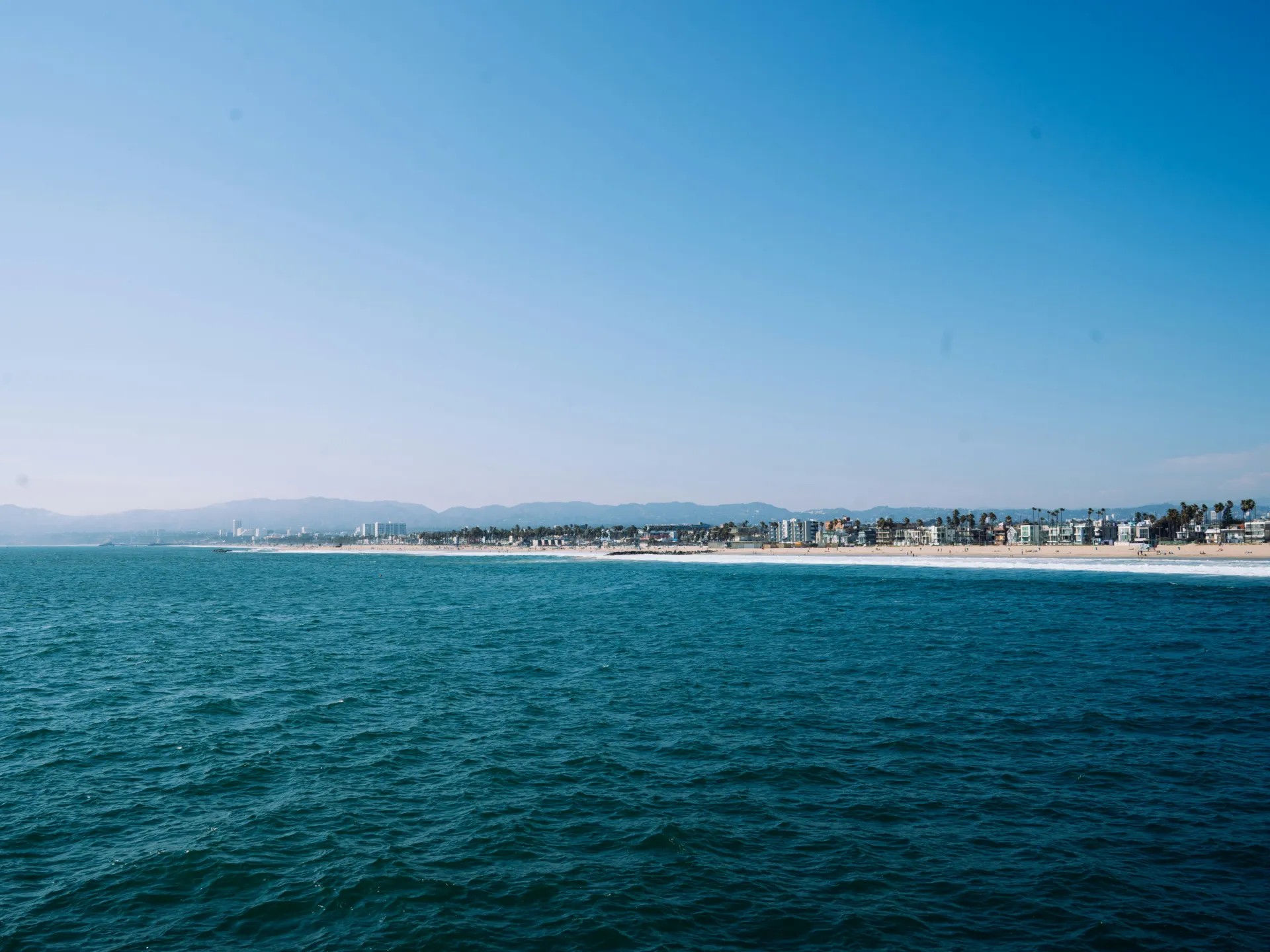
In March 2026 the WateReuse Association held its annual symposium in a city where water management is not an abstract policy issue but everyday reality. It is no coincidence that Los Angeles – the largest metropolis of the water-scarce American Southwest – hosted the most prestigious international conference on water recycling.
The 41st Annual WateReuse Symposium took place on 8–11 March 2026 at the InterContinental Los Angeles Downtown hotel. The return to California is symbolic: in 1918 it was the first state in the United States – and one of the first places in the world – to create a legal framework for water recycling. It has led the way ever since: California has more large-scale water recycling projects than any other state.
The conference: four days, one industry
The WateReuse Symposium is more than a conference – it is the annual meeting point for professionals, researchers, regulators and businesses working with recycled water. The event covers the full spectrum of water reuse: from irrigation and agriculture through industrial water recycling and onsite building systems to potable reuse.
The four-day programme offered technical sessions, policy debates, workshops and site tours. Participants could attend sessions covering every phase of the project life cycle – from planning and financing to operations and community outreach.
Philippe Cousteau Jr.: the voice of the ocean in the water industry
One highlight of the symposium was the keynote address by Philippe Cousteau Jr. The renowned oceanographer – grandson of the legendary Jacques-Yves Cousteau – is not only a scientist but also a well-known media personality and activist. He has hosted more than 100 hours of television, earned an Emmy nomination for his work and, as founder of EarthEcho International, has mobilised more than 2 million young people in 146 countries for environmental awareness.
Philippe Cousteau Jr. is also CEO of Voyacy Regen, which is developing pioneering coral restoration technology for commercial-scale use – creating a direct link between the water industry and ocean conservation.
Exhibitors and visitors from around the world
In the exhibit hall, nearly 40 companies – including DuPont Water Solutions, Veolia, Trojan Technologies, Xylem and Kubota – showcased their latest technologies and water treatment solutions. The exhibition was open on Monday and Tuesday, alongside the sessions.
Why the symposium matters for the whole water sector
The WateReuse Symposium is not just an industry event – it is also a barometer of where water recycling stands globally. With water scarcity, climate change and growing urban water demand, treated wastewater and recycled water are increasingly becoming strategic resources – not only in the Arizona desert or Los Angeles, but in Europe, Asia and Africa alike.
The symposium's return to California in 2026 is a reminder that water innovation is often born of necessity. Where water is scarce, solutions mature faster – and Los Angeles, with its population of more than 4 million and its semi-arid climate, has shown for decades that water recycling is not a future option but a present necessity.
The WateReuse Association's 41st Annual Symposium took place on 8–11 March 2026 at the InterContinental hotel in Los Angeles. The largest international professional conference on water recycling returned to California – the state that passed the first water recycling legislation in 1918 and has remained one of the field's leading innovators ever since. The keynote speaker was oceanographer and environmental advocate Philippe Cousteau Jr. The four-day symposium offered technical sessions, policy debates, workshops and site tours, covering everything from policy and technology to operations, with nearly 40 exhibitors. Instead of a printed programme, the symposium offered participants a dedicated mobile app, in line with the event's own sustainability goals.
The WateReuse Association held its 41st Annual Symposium on 8–11 March 2026 at the InterContinental hotel in downtown Los Angeles. The largest and most comprehensive annual conference on water recycling returned to a symbolic venue: in 1918 California was the first state to create a regulatory framework for water recycling, and it has remained one of the leading innovators in the field ever since. Today California has more large-scale water recycling projects than anywhere else in the United States.
The four-day event covered every area from potable reuse and industrial water recycling to stormwater capture and agricultural use. The programme included technical sessions, policy debates, workshops and site tours spanning every phase of the project life cycle – from planning to operations. Professional development hours (PDH) could be earned in all US states.
The keynote speaker was Philippe Cousteau Jr. – oceanographer, Emmy-nominated TV host and environmental advocate, who as founder of EarthEcho International has mobilised more than 2 million young people in 146 countries for conservation. Nearly 40 companies – including DuPont Water Solutions, Veolia, Trojan Technologies and Xylem – showcased their latest technologies in the exhibit hall. The Water Research Foundation was the event's presenting partner, with leading industry companies playing a major role in its funding. Los Angeles, with its semi-arid climate and population of more than 4 million, has shown for decades that water recycling is not a future option but a present necessity. Instead of a printed programme, the symposium offered a dedicated mobile app with the full schedule, attendee list and networking features – a small but symbolic step towards sustainability.



A study of 10,826 Chinese treatment plants finds that big centralised systems are reaching two limits at once, on easing water scarcity and on paying their way, and that a hybrid model could do the job for up to 37% less.
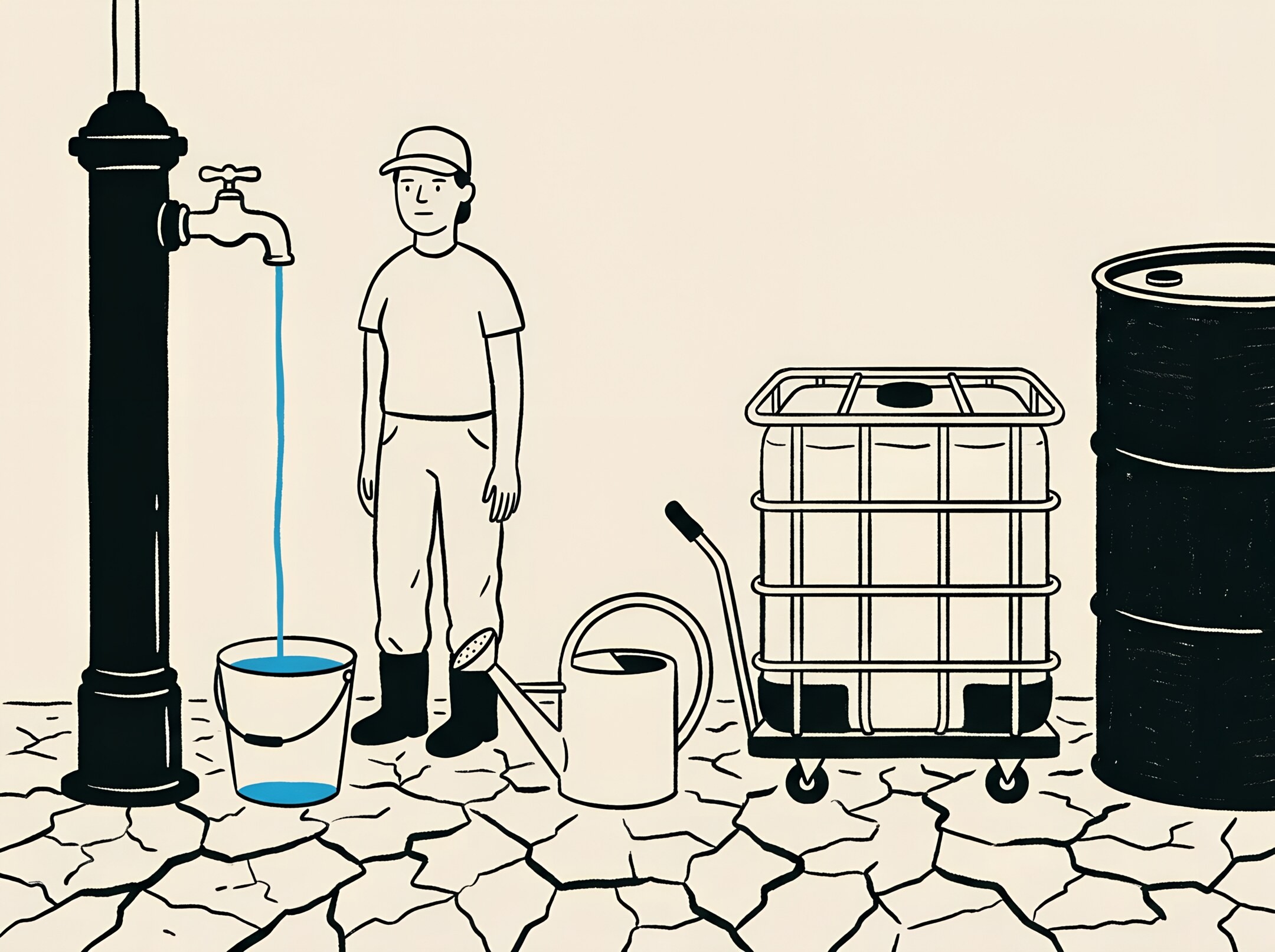
FAO has published draft principles on who may use water and on what terms, a quiet piece of international work that speaks directly to this year's fights over drought, wells and free irrigation.

A new report projects data centres' water footprint reaching 9.32 trillion litres by 2030, but the number is only meaningful once you know what it counts, and who is making the case.
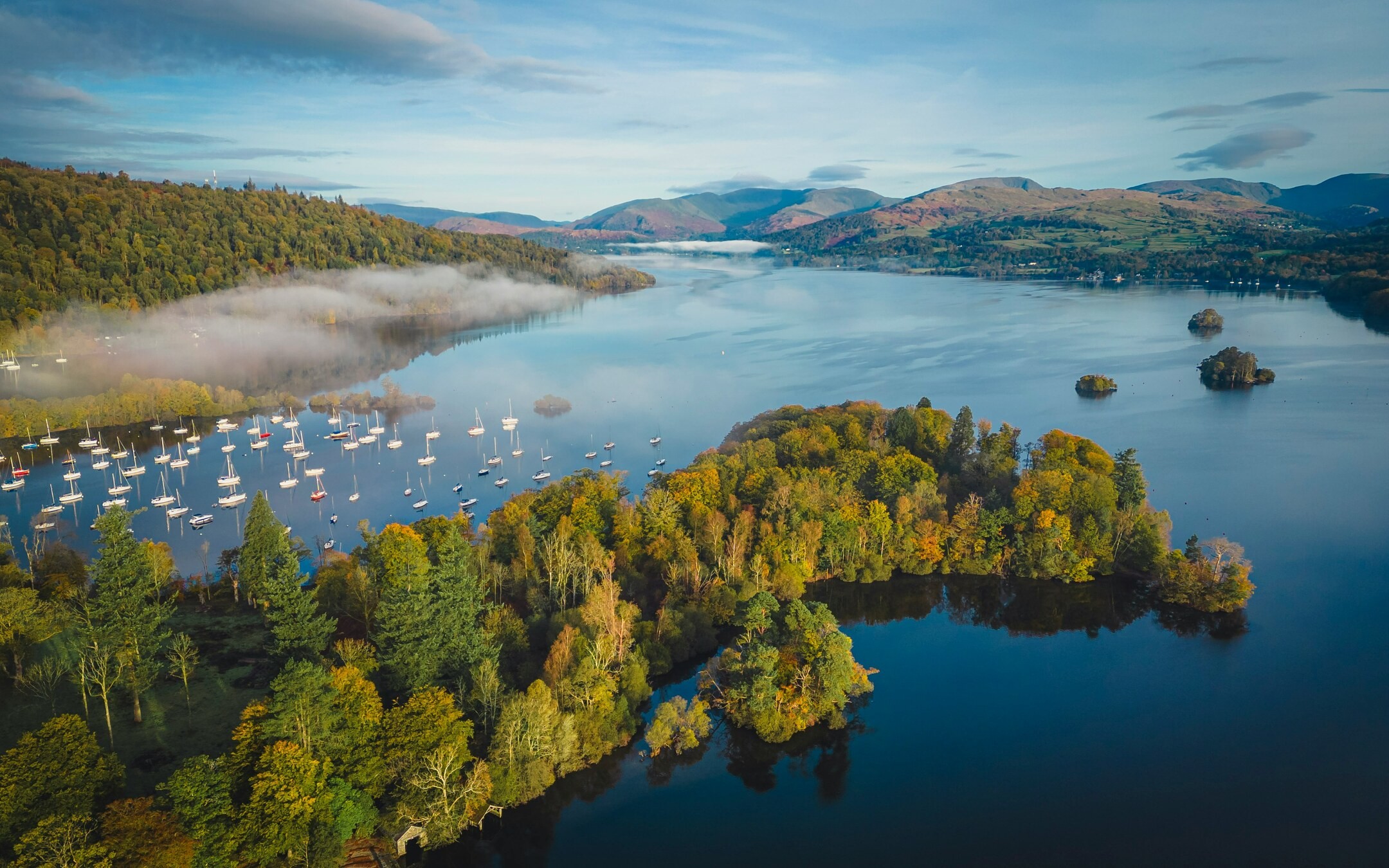
An English coalition has costed what it would take to keep every drop of wastewater out of England's largest lake, £3.6–3.7 billion, and its modelling says nothing less ends harmful algal blooms.