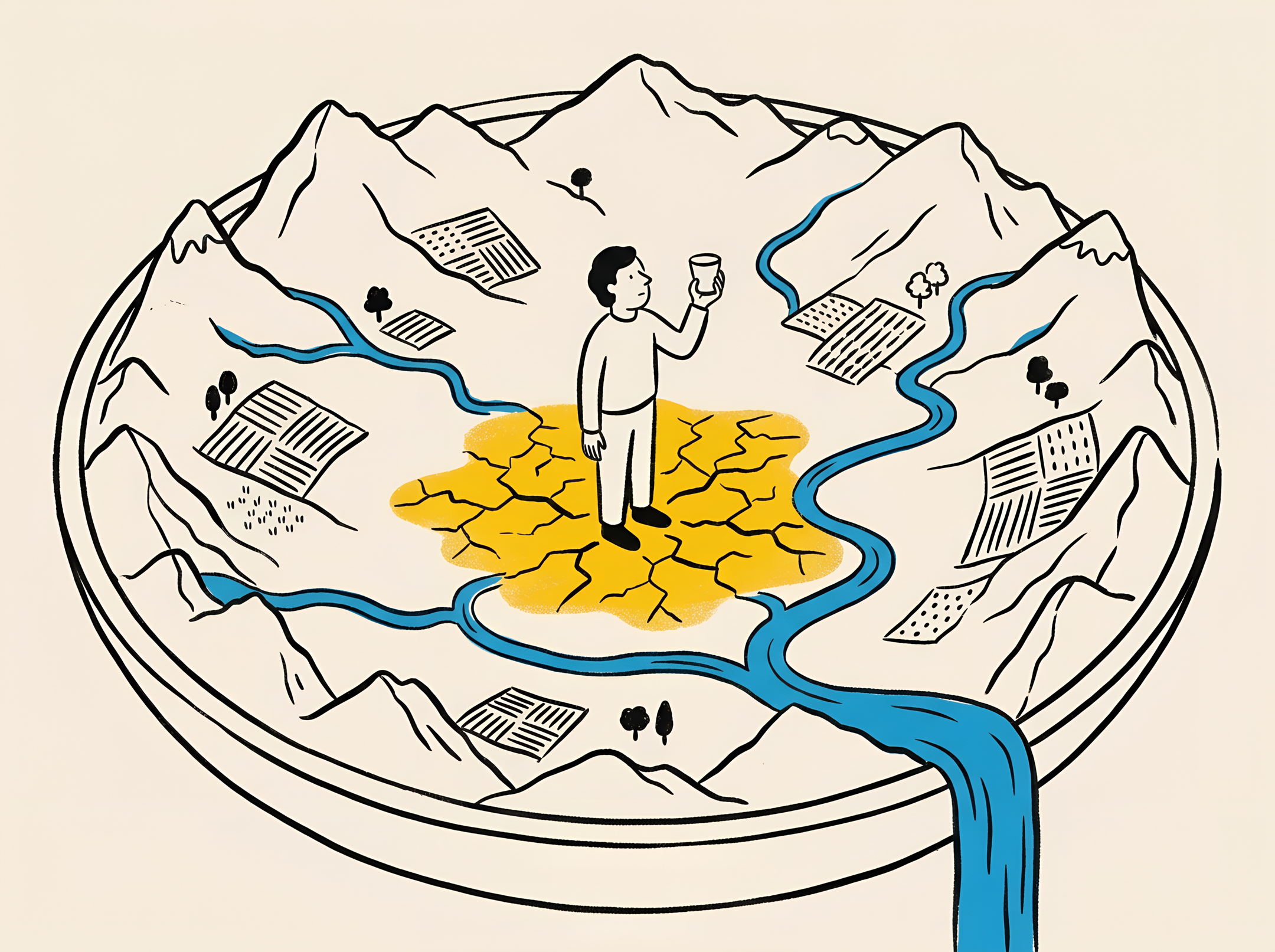
New Water Knowledge Centres in Europe
Sustainability is no longer just an ecological expectation – it is a precondition for economic stability and security. Across Europe, droughts, falling groundwater levels and growing water stress are turning water into a strategic issue. Against this backdrop, the latest initiative of the European Institute of Innovation and Technology (EIT) could be a strategic breakthrough.
The new EIT Water community, headquartered in Denmark, will operate through a network of regional co-location centres (CLCs) that bring together partners, expertise and innovation ecosystems across Europe. Nine locations have now been announced, in regions spanning the Black Sea, the Baltic, the Danube, the Iberian Peninsula, the Nordics, Croatia, the UK and Ireland, and Belgium.
Strategic agenda
Part of the European Institute of Innovation and Technology, EIT Water is currently preparing its first strategic agenda. The new knowledge and innovation community (KIC), with a start-up grant of €5 million, brings together partners from different sectors to work together on Europe's water challenges by connecting expertise, scaling solutions and building coordinated, place-based innovation ecosystems.
Gaining new knowledge
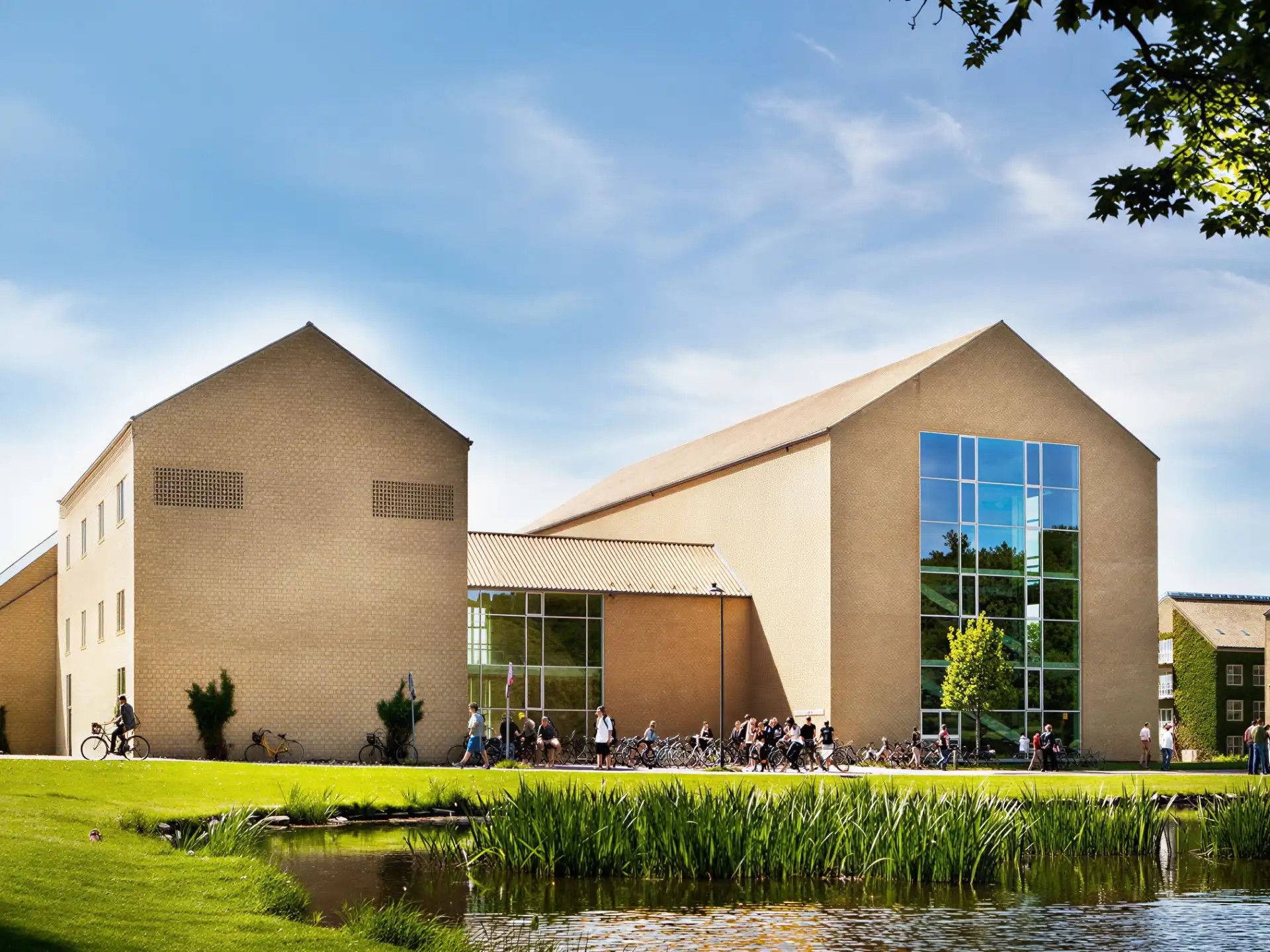
Based at Aarhus University in Denmark, EIT Water is led by the All Waters consortium of 50 partners from 24 countries, including leading industry partners, and is supported by the Grundfos Foundation.
“EIT Water will be a tremendous boost in bringing existing knowledge into play and securing new insights in areas where we are lagging behind. That is crucial if we are to achieve our societal goals.”
Building businesses
The KIC, housed in Aarhus University's Water House, will officially launch in 2027 and will work in three main areas: entrepreneurial skills, business creation and scaling innovation. New programmes will allow professionals, students and employees to acquire the entrepreneurial skills needed for a sustainable blue economy. Business creation will be supported by accelerator and scale-up programmes, investment readiness and market access support, helping entrepreneurs launch effective water projects, grow and secure funding. The innovation scaling strand will provide funding and support for pilot projects, demonstration sites, mission-driven challenges and breakthrough solutions.
EIT funding
Over its 15-year funding period, EIT Water is expected to draw several hundred million euros from EIT funds and attract companies, investors, stakeholders and international talent within the water sector. This will complement the external funding the new knowledge and innovation community will secure.
Water stress, droughts and falling groundwater levels are making water a strategic issue across Europe. EIT Water, a new knowledge and innovation community of the European Institute of Innovation and Technology, aims to respond by linking Europe's innovation ecosystems through nine regional co-location centres (CLCs). Launching in 2027, the community will focus on entrepreneurial skills, start-up creation and scaling technologies. Over 15 years it is expected to mobilise several hundred million euros of EU funding – including from Horizon Europe – to build a sustainable blue economy.
Water is becoming a strategic issue across Europe: droughts, falling groundwater levels and growing water stress affect drinking water supply, food security and economic stability alike. EIT Water, the newest knowledge and innovation community of the European Institute of Innovation and Technology (EIT), is designed to accelerate Europe's response.
Launching in 2027 and based at Aarhus University in Denmark, the initiative will connect Europe's innovation ecosystems through nine regional co-location centres (CLCs), taking an integrated approach. It is led by the All Waters consortium of 50 partners from 24 countries and supported by the Grundfos Foundation.
EIT Water will focus primarily on developing entrepreneurial skills, launching start-ups and scaling innovative water technologies. Over a fifteen-year horizon it is expected to mobilise several hundred million euros of EU funding – including from Horizon Europe – to build a sustainable blue economy. The community aims to speed up solutions to water challenges, strengthen resilience and support the green transition.
For water companies, researchers and start-ups across Europe, the regional centres offer a way into this network – and a chance to become part of the innovations that will shape how the continent deals with water scarcity.

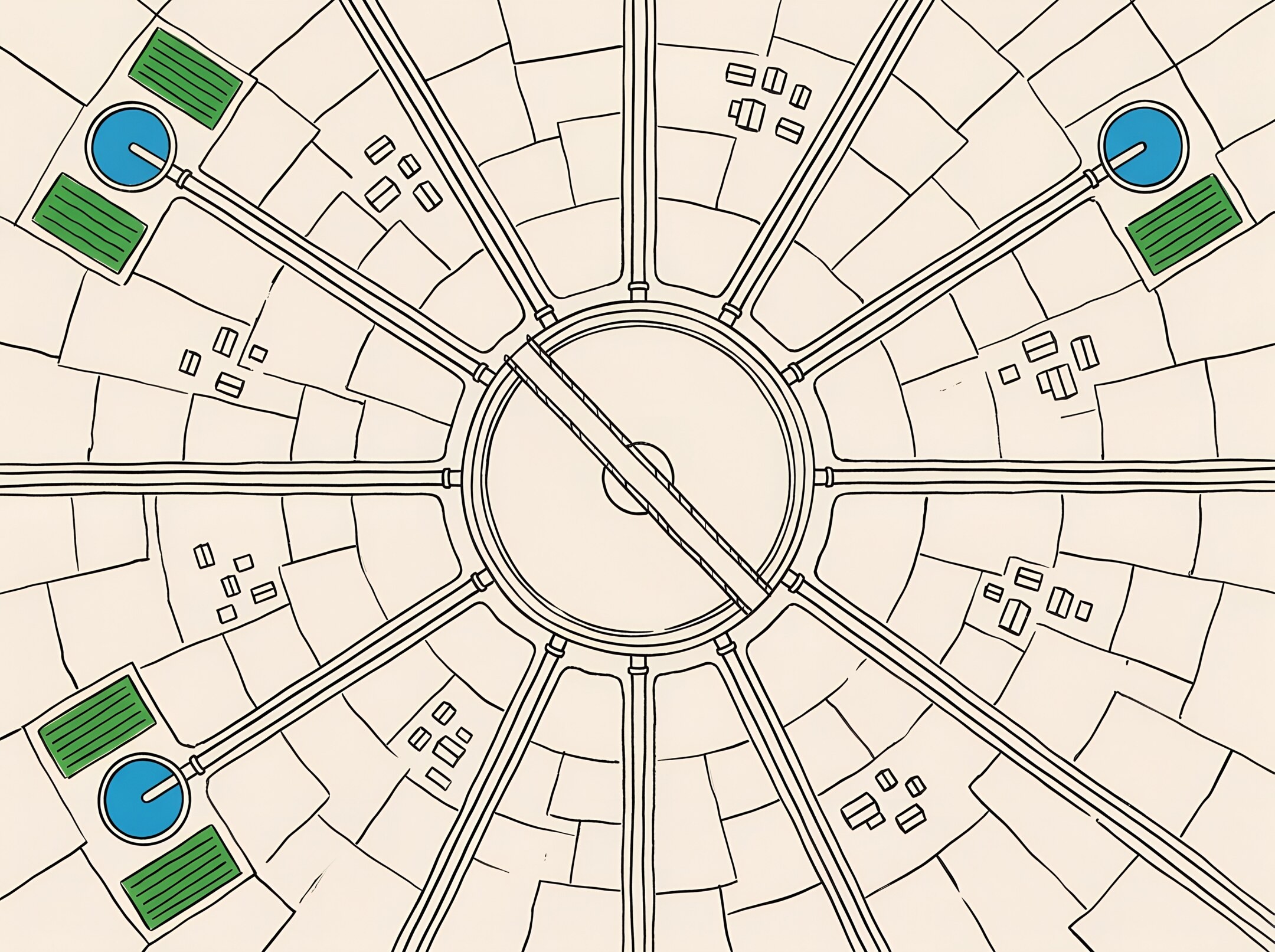

A study of 10,826 Chinese treatment plants finds that big centralised systems are reaching two limits at once, on easing water scarcity and on paying their way, and that a hybrid model could do the job for up to 37% less.
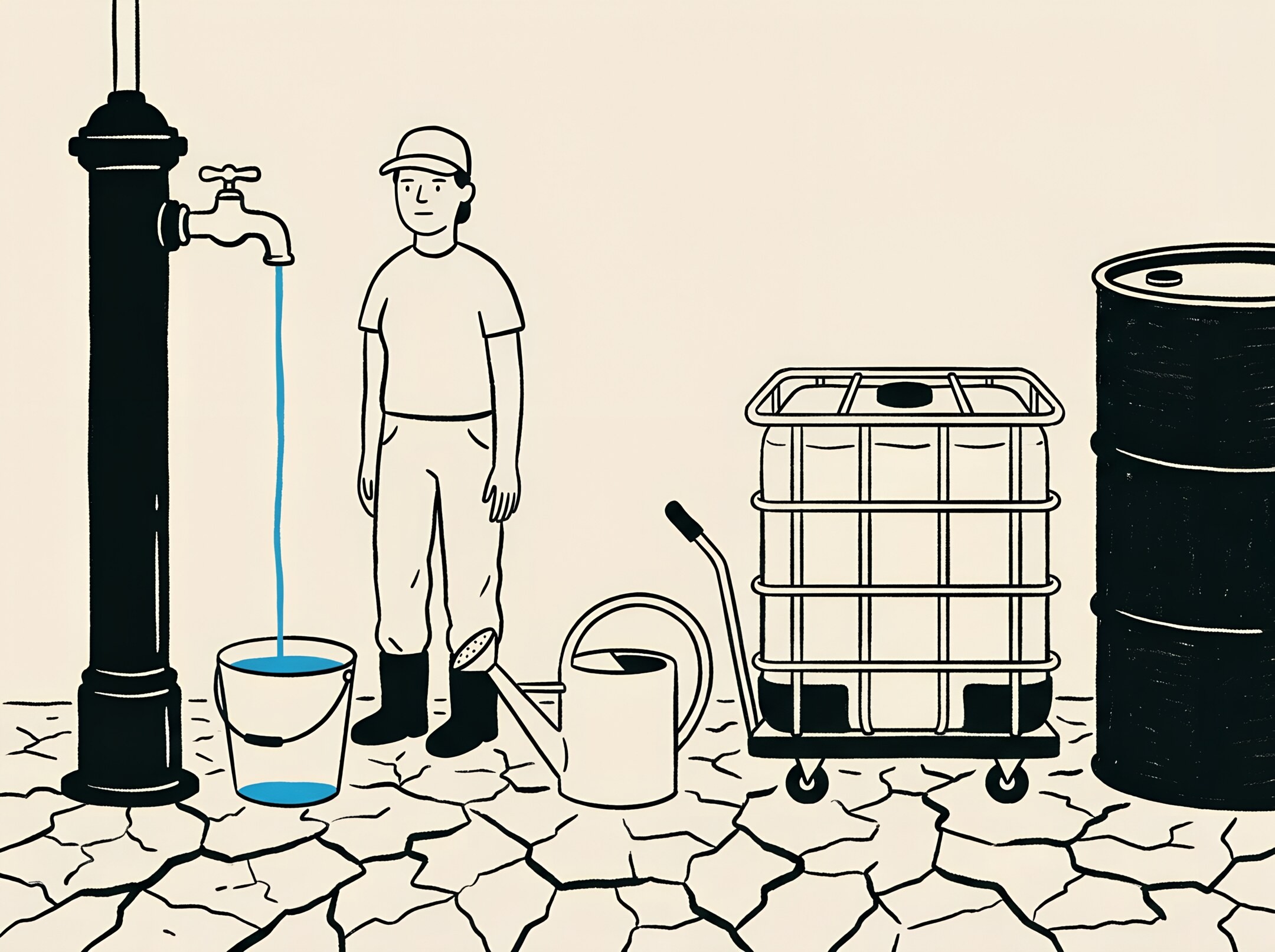
FAO has published draft principles on who may use water and on what terms, a quiet piece of international work that speaks directly to this year's fights over drought, wells and free irrigation.

A new report projects data centres' water footprint reaching 9.32 trillion litres by 2030, but the number is only meaningful once you know what it counts, and who is making the case.
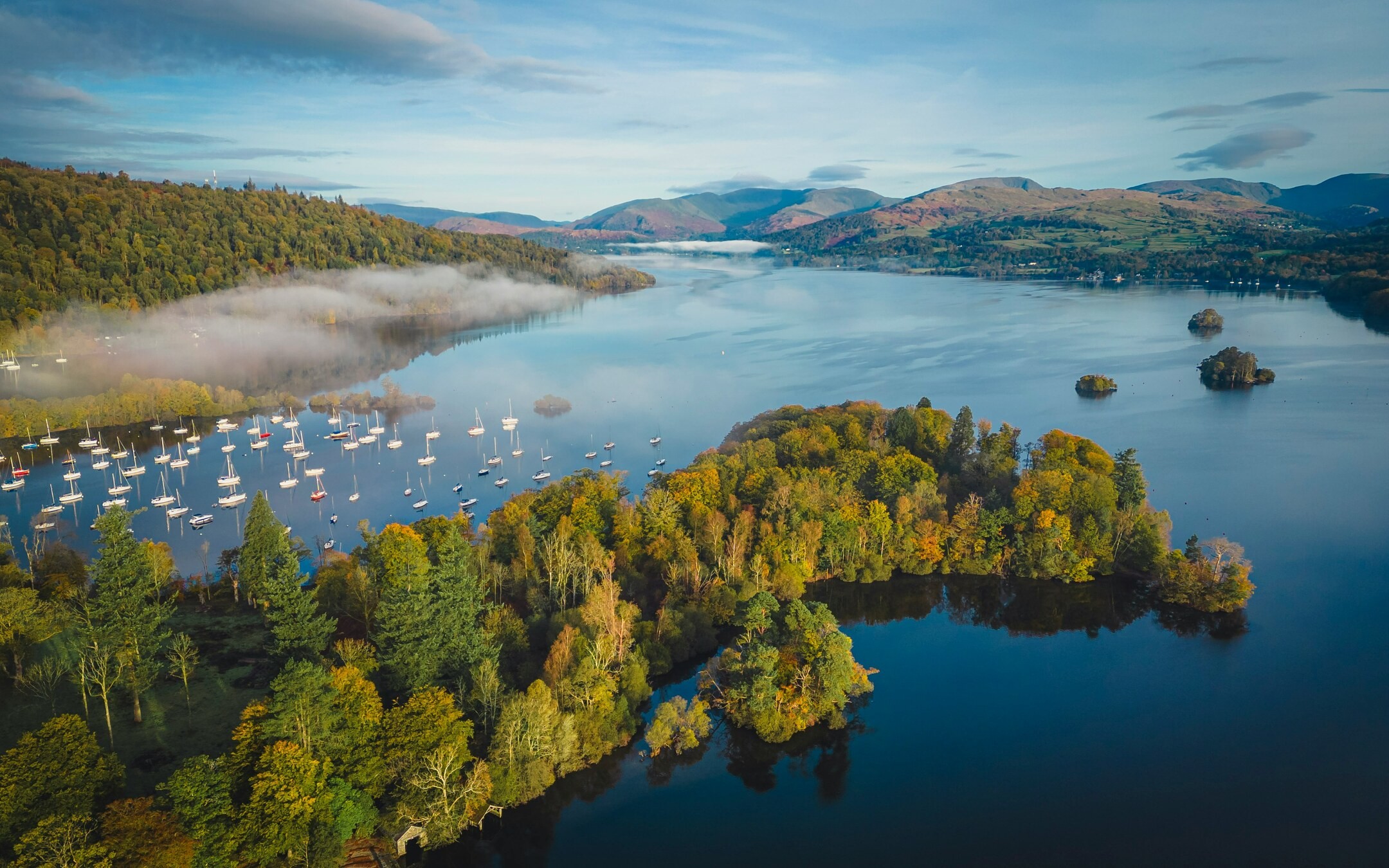
An English coalition has costed what it would take to keep every drop of wastewater out of England's largest lake, £3.6–3.7 billion, and its modelling says nothing less ends harmful algal blooms.