Wastewater

Where Centralised Wastewater Treatment Stops Paying

A study of 10,826 Chinese treatment plants finds that big centralised systems are reaching two limits at once, on easing water scarcity and on paying their way, and that a hybrid model could do the job for up to 37% less.
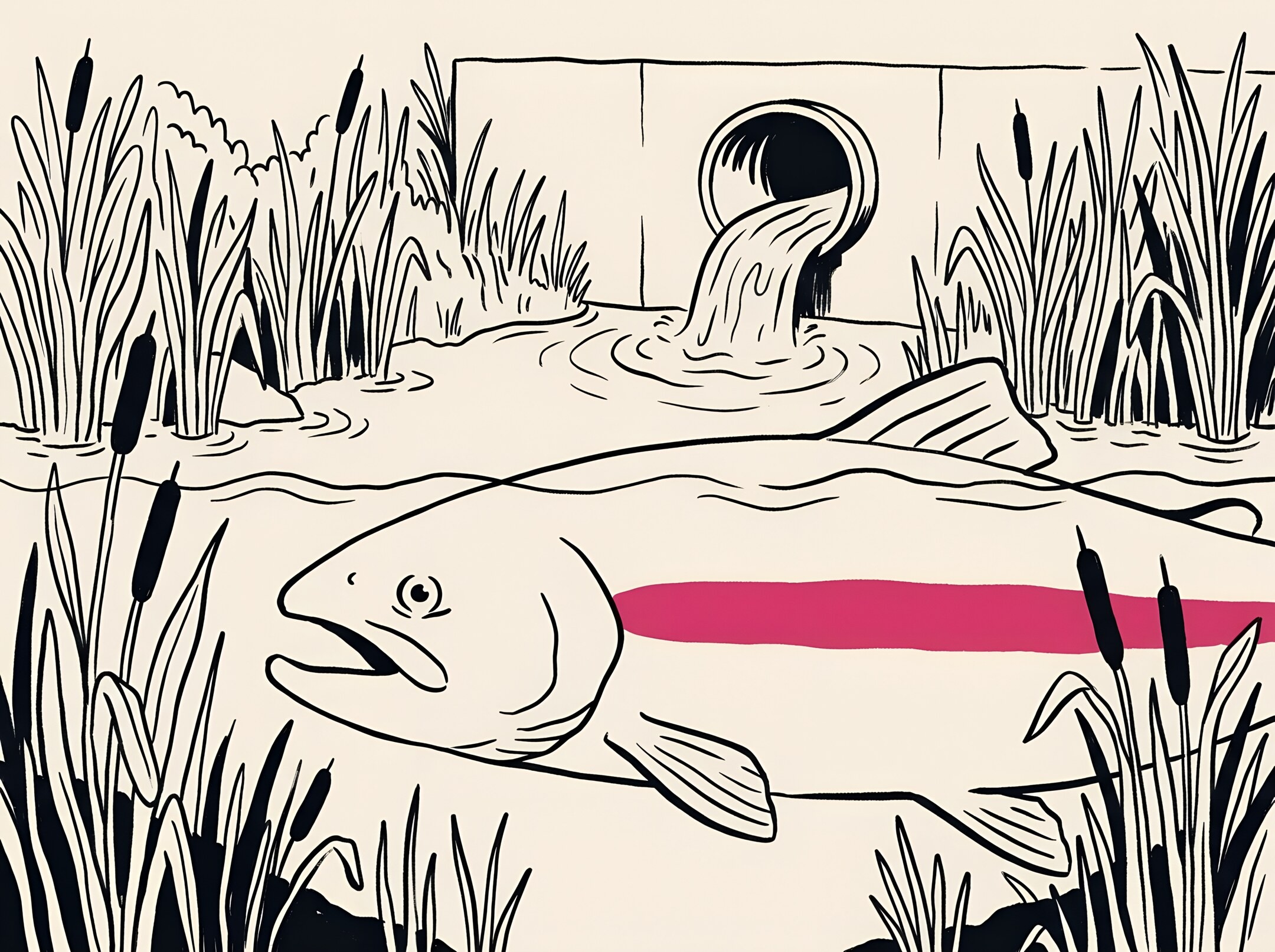
What a Sewer Overflow Does to a Stream
Twelve years of Philadelphia data show that after combined sewer overflows, dissolved oxygen in smaller streams stays low for days, while the big river barely notices.

Only Rainwater Into Windermere: What It Would Cost
An English coalition has costed what it would take to keep every drop of wastewater out of England's largest lake, £3.6–3.7 billion, and its modelling says nothing less ends harmful algal blooms.
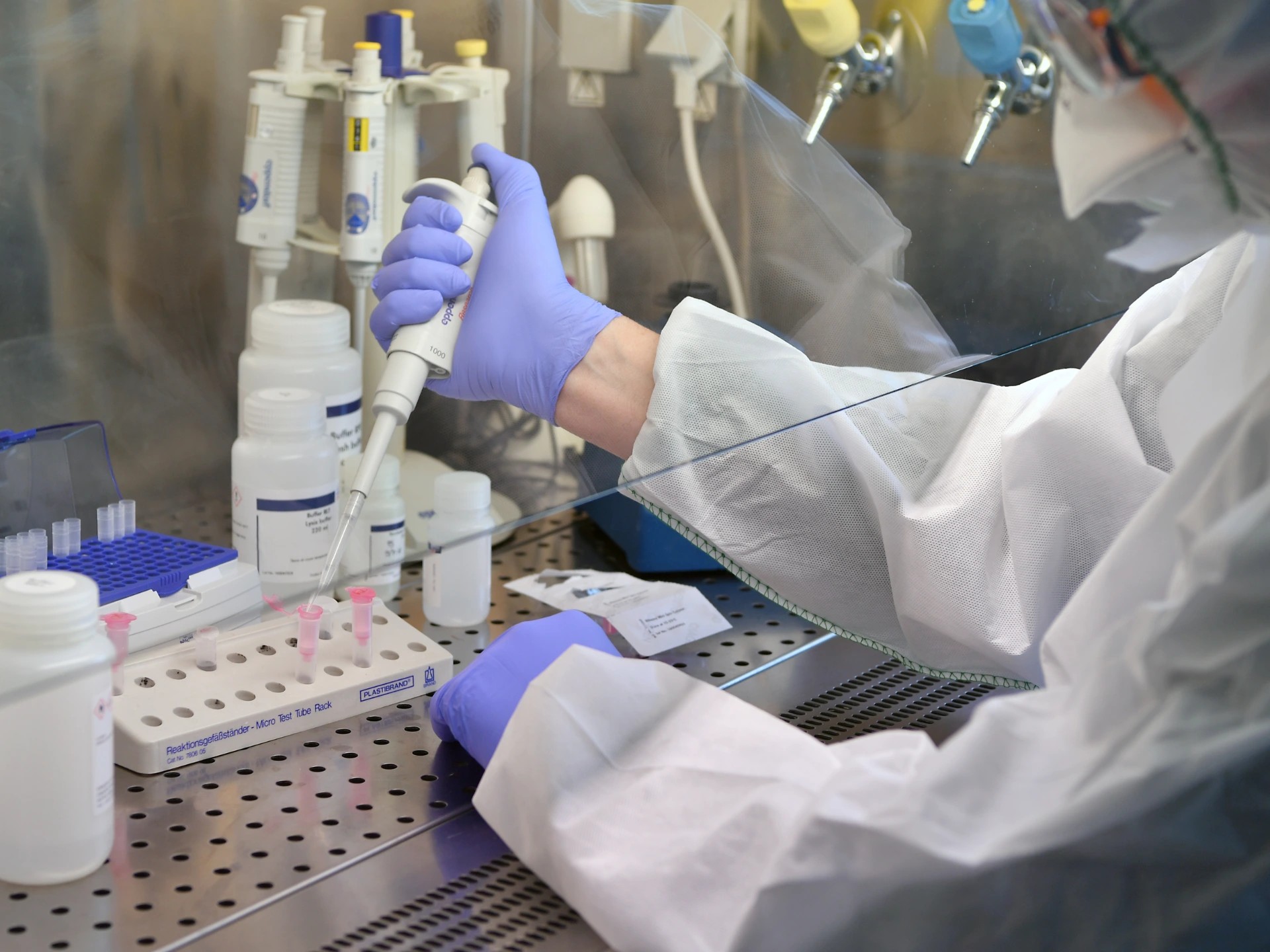
Wastewater as a Data Carrier
Wastewater-based epidemiology has long gone beyond predicting epidemics – the sewer network is a real-time mirror of a whole community's health, social and environmental condition.
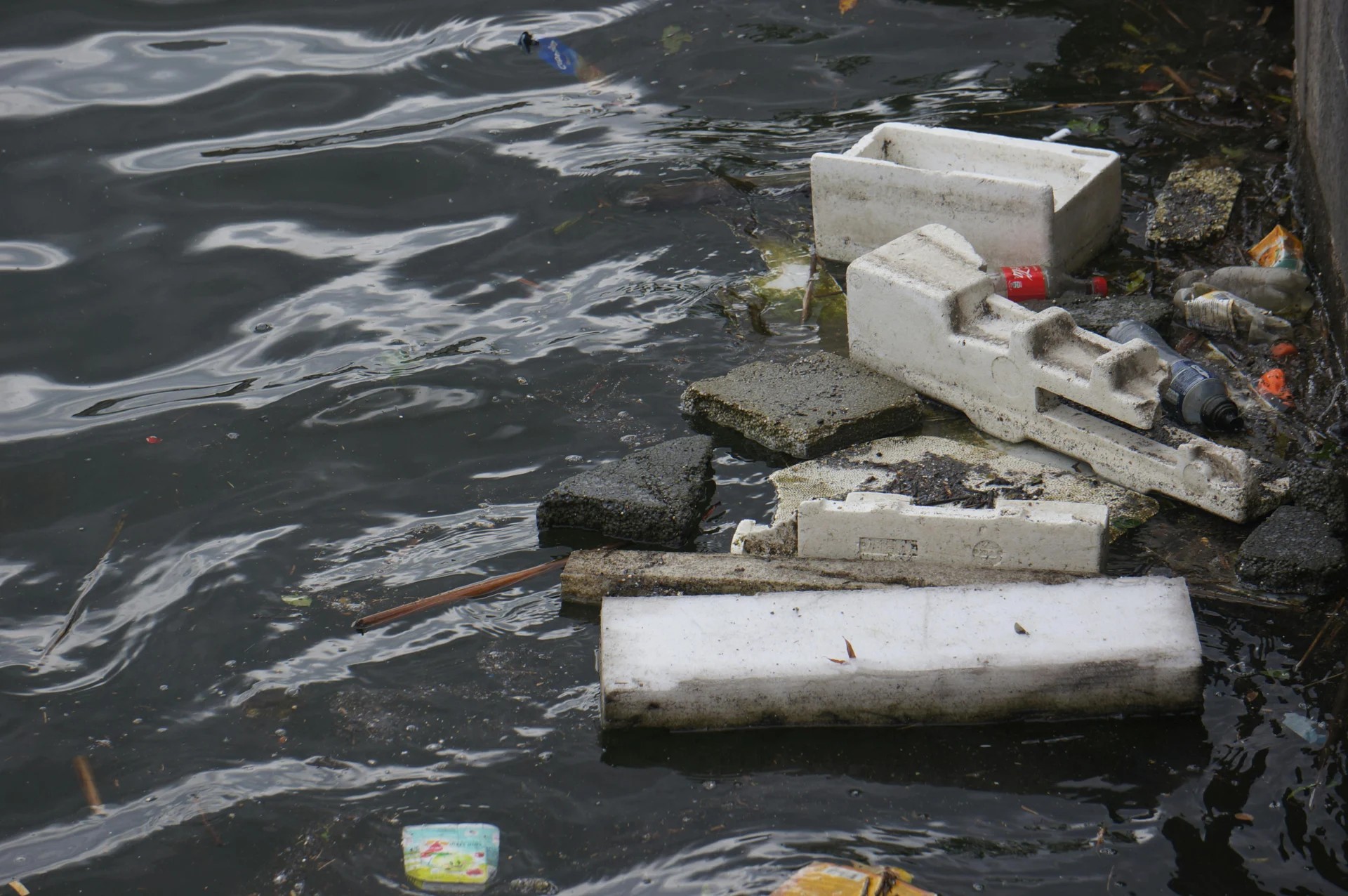
Microplastics in Wastewater – Poison Accumulating in Sewage Sludge
Wastewater is one of the most important collection points for microplastics. In conventional wastewater treatment, 80–99% of microplastics end up in sewage sludge.
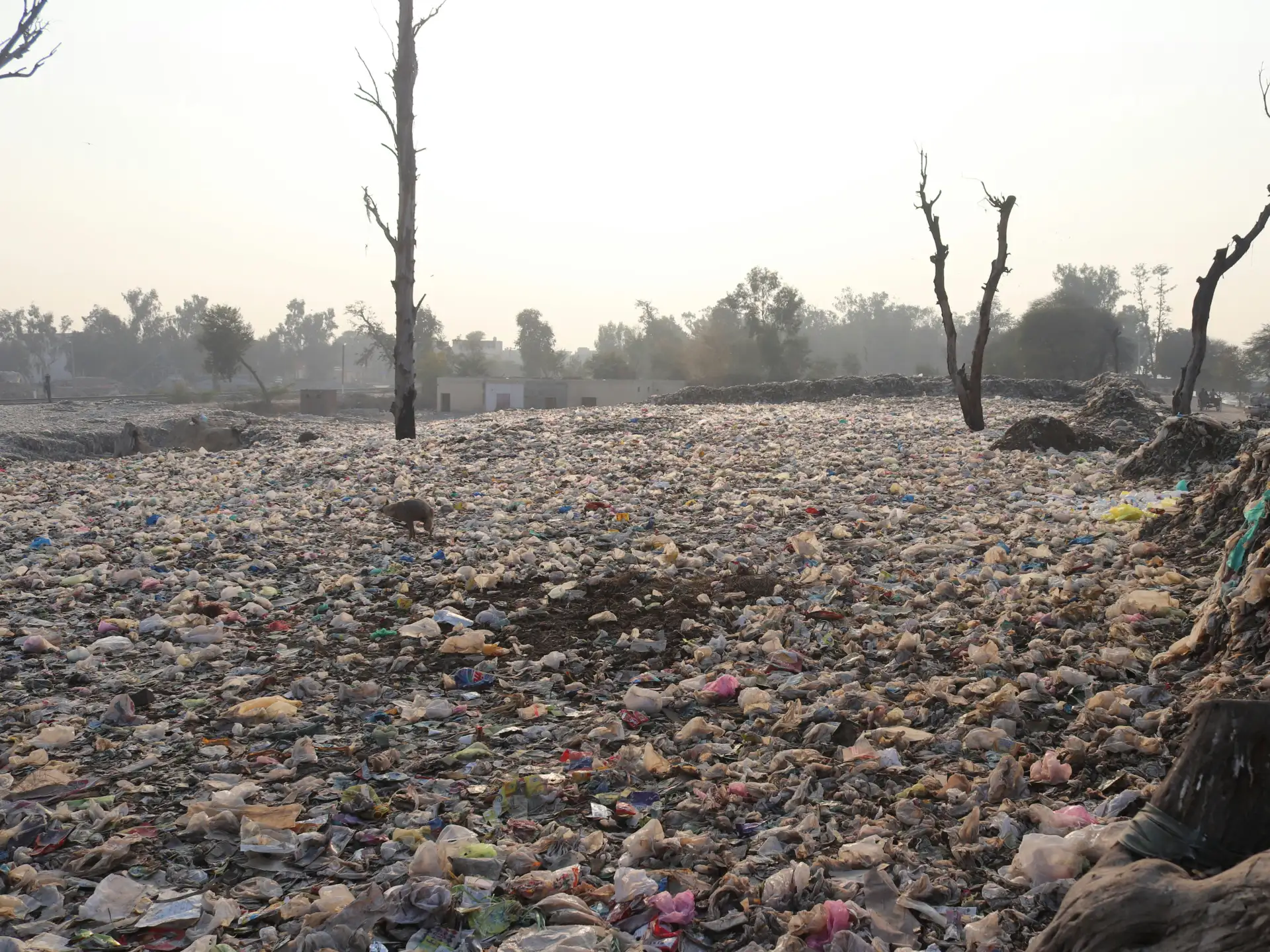
Nano- and Microplastics – How Much Is Around Us?
Scientific data on the scale of microplastic pollution: how these particles get into our bodies from air, water and food – and what we can do about it.
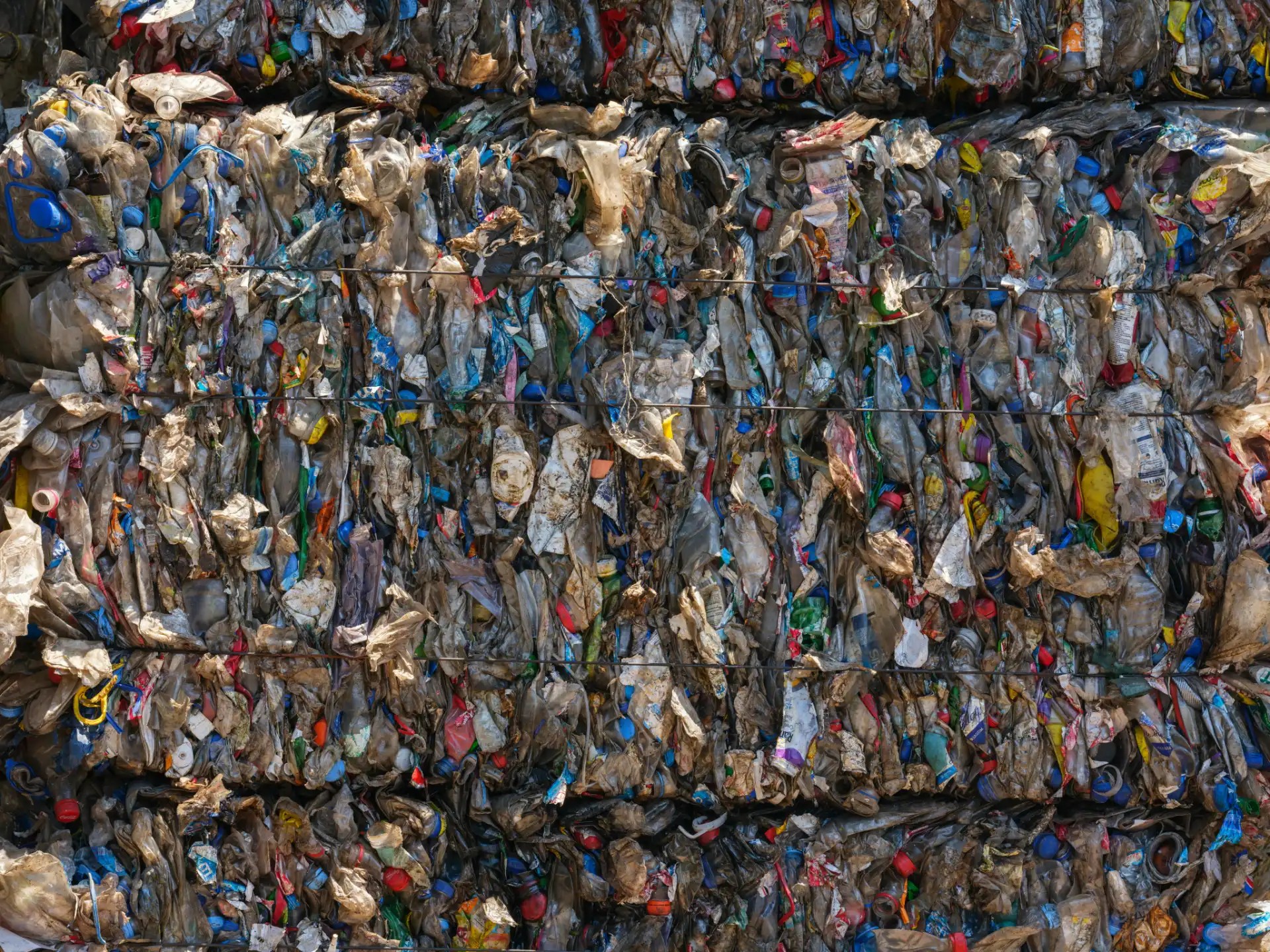
Plastics That Penetrate Our Cells
Plastic is an integral part of modern industry and the economy, but it has a powerful impact on us and our environment. In the first part of our new series, we examine the causes and consequences of plastic production.