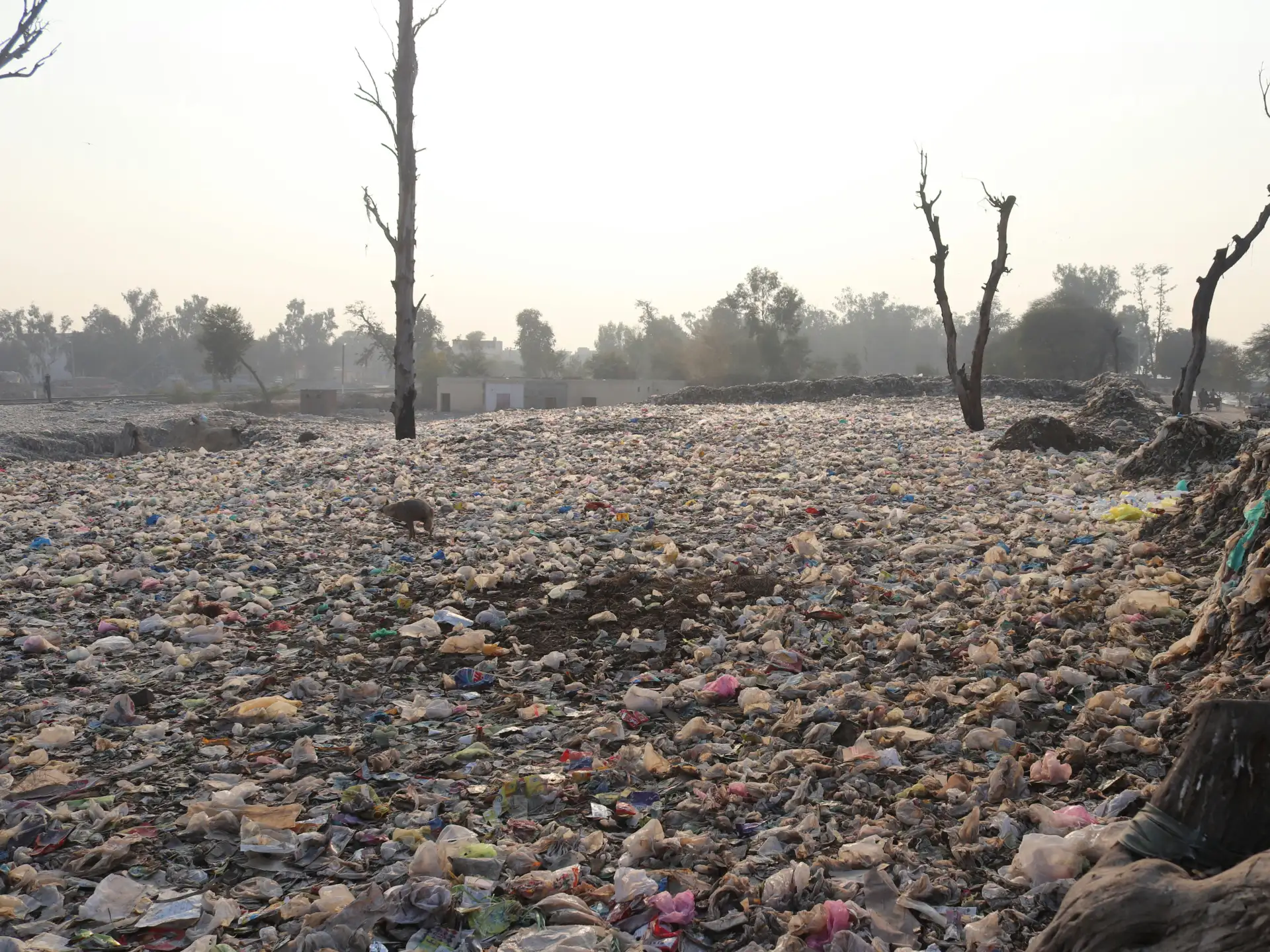
Plastics That Penetrate Our Cells
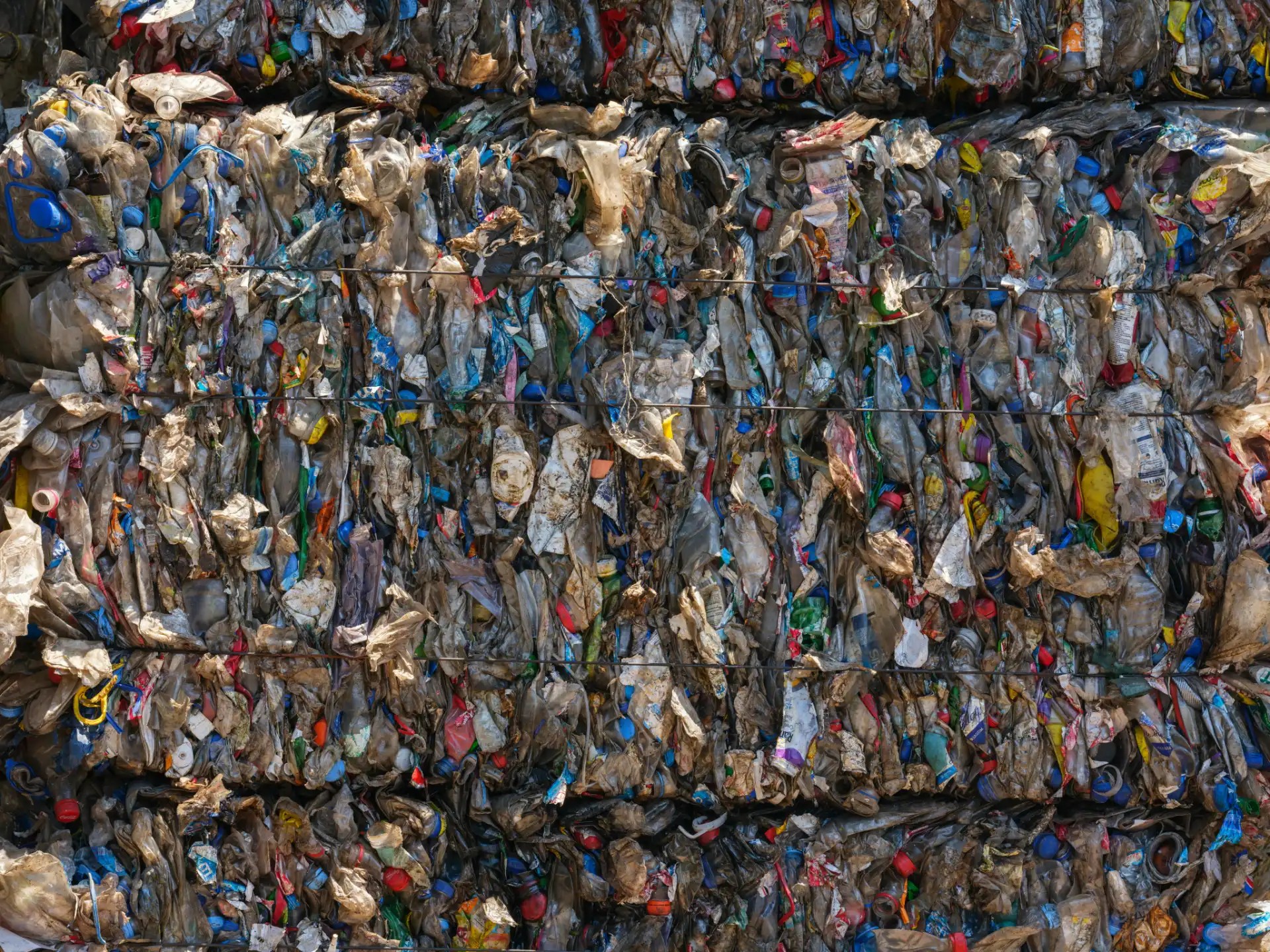
In our new series we examine micro- and nanoplastics. In this first part, we define these terms, explain the reasons behind plastic production and describe the health effects of micro- and nanoplastics proven so far.
The aim of our series is to raise awareness, not to spread fear. We hope the data in these articles will help our readers lead healthier lives.
What are plastics, microplastics and nanoplastics?
Before diving into numbers and scandals, let us clarify the terms – because precise definitions are not a mere scientific formality but the basis for understanding the problem.
Plastic is a man-made organic polymer material. It is based on a polymer chain built from one or more monomers, to which numerous chemical additives are added during manufacture: plasticisers (e.g. phthalates), flame retardants, stabilisers, pigments and antioxidants. These additives are not chemically bound to the polymer chain – over time they can leach out and enter the environment, food and the human body. According to a 2025 report by The Pew Charitable Trusts, plastic products contain more than 16,000 added chemicals, more than 4,000 of which may be hazardous to health (Pew Charitable Trusts, 2025).
A microplastic is a plastic particle smaller than 5 mm – roughly the width of a paper clip. There are two types. Primary microplastics enter the environment already smaller than 5 mm: examples include microbeads used in cosmetics, toothpaste and industrial processes, microfibres released from clothes during washing, and plastic pellets used as manufacturing feedstock. Secondary microplastics form when larger objects – bottles, packaging, tyres – break down through physical, chemical and biological processes until they are smaller than 5 mm. Sunlight, mechanical abrasion and oxidation break plastic into ever smaller particles that never disappear completely, but simply become harder to see.
Nanoplastic is the collective term for particles smaller than 1 micrometre (or, by some definitions, 100 nanometres). They are so small that they can cross biological barriers: cell membranes, the blood–brain barrier and the placenta. A 2026 systematic review (Tran et al., 2026) – which considered only studies on living humans – confirmed that nano- and microplastics accumulate in several organ systems and are associated with inflammatory processes and dysfunction.
How much plastic do we produce – and why?
The numbers alone are sobering. In 1950 the world produced just 2 million tonnes of plastic. By 2025 the figure had reached nearly 500 million tonnes – an increase of almost 230-fold in seventy years (Our World in Data, n.d.; PlasticsEurope, 2025). An OECD (2022) analysis showed that plastic use doubled between 2000 and 2019 and, without radical global intervention, will triple by 2060.
Europe's role is shrinking: its share of global production fell from 28% in 2002 to 14% in 2022 (PlasticsEurope, 2025). China now accounts for 33% of the world's plastic production, and Asia as a whole for more than half of global output. This is partly due to differences in competitiveness: European energy prices, a stricter regulatory environment and access to raw materials make life harder for European producers.
That in itself is a warning sign: regulation puts those who try to act responsibly at a competitive disadvantage.
Packaging is the largest user: around 36% of the plastic produced worldwide goes into packaging, mostly single-use formats. It is followed by construction, textiles (synthetic fibres), the automotive industry and the electrical and electronics sector. According to the OECD, nearly two-thirds of plastic waste comes from products with a lifespan of less than five years – packaging, consumer goods and textiles (OECD, 2022).
Why do we need so much plastic? The economic logic
The explanation for plastic's success is simple: it is cheap, light, durable and versatile. These advantages are real. Plastic has helped build drinking water networks, sterilise medical devices, improve the fuel efficiency of cars and develop renewable energy technologies. The material itself is not the enemy – the problem is the way the economic system treats it.
Producing polymers from fossil feedstocks, particularly as a by-product of oil refining, has extremely low direct costs. But that price does not include the true social costs: health burdens, environmental damage and the cost of waste management infrastructure. Pew's 2025 study estimates that the annual health cost of hazardous substances associated with plastics reaches $1.5 trillion globally even on conservative assumptions (Pew Charitable Trusts, 2025) – a figure based on 2015 data, and production has grown considerably since.
Moreover, the fossil fuel industry has a strategic interest in increasing plastic production. As global demand for oil and gas begins to fall with growing climate awareness, the petrochemical industry increasingly sees its future in plastics. Shell's petrochemical complex in Pennsylvania – which came online in November 2022, exactly when negotiations on the global plastics treaty began – can produce more than 1.6 million tonnes of polyethylene a year. That is no coincidence.
It is a strategic decision: the industry knows which way the wind is blowing and is locking in capacity before regulation tightens.
The recycling myth
One of the industry's most effective narratives is recycling. For decades the chemical industry has told the public that the solution is better sorting and smarter waste management. OECD data from 2022, however, ruthlessly dispel this illusion:
Of the 353 million tonnes of plastic waste generated in 2019, only 9% was recycled (OECD, 2022).
49% went to landfill, 19% was incinerated and 22% was mismanaged – in other words, it ended up in nature.
The recycling rate has not improved significantly since. Pew's 2025 projection says that if nothing changes, it will reach only 12% by 2060 (Pew Charitable Trusts, 2025). The reason is not just a lack of sorting discipline but structural: most plastic polymers lose quality when mechanically recycled, and demand for the resulting recycled material is low because virgin plastic is cheaper.
Recycling alone will never be able to stop the exponential growth of plastic production. While the industry promotes recycling as the solution, oil companies are building new petrochemical plants.
Degradation: a timescale we cannot perceive
One of the most important – and perhaps most heartbreaking – characteristics of plastic is that it does not disappear. It does not decompose the way a leaf, paper or bone does. Physical, chemical and biological processes break it into smaller pieces, but the polymer chain essentially remains.
A scientific review of environmental degradation rates by Chamas et al. (2020) provides concrete data: a HDPE (high-density polyethylene) milk bottle takes 58 years to degrade by 50% in the ocean and 250 years in a landfill; for a HDPE pipe the figure can be as high as 1,200 years.
For PET (e.g. mineral water bottles) and polystyrene (foamed packaging), measurements showed no measurable degradation – scientific estimates put their degradation time at hundreds, possibly thousands, of years.
How long does plastic take to degrade?
Time needed for 50% degradation
| Plastic | In the ocean | In landfill |
|---|---|---|
| HDPE bottle | ~58 years | ~250 years |
| HDPE pipe | ~600 years | ~1,200 years |
| LDPE film, bag | ~3–5 years | ~5–10 years |
| PVC | ~200+ years | ~400 years |
| PET bottle | not measurable | not measurable |
| Polystyrene foam | not measurable | not measurable |
Source: Chamas et al. (2020); Sutkar et al. (2023)
It is important to stress that "degradation" here does not mean the polymer disappears – it simply fragments into ever smaller particles, eventually becoming microplastic and then nanoplastic. Every discarded plastic item is in fact a time bomb: it is not lost, it is being transformed.
According to Pew's 2025 study, 17 million tonnes of microplastics enter the environment in 2025 from the seven sources modelled (tyre wear, paints, recycling, agriculture, pellet loss, textile washing and cosmetics). That is 13% of all plastic pollution. Tyre wear and paints account for the largest shares – 38% each (Pew Charitable Trusts, 2025).
Microplastics in the human body: what science knows today
This section is not meant to frighten. It is what scientific research proves today – and that is enough to take the issue seriously.
How do they get into our bodies?
Microplastic particles can enter the human body by three main routes: ingestion (contaminated food and drink, particles leaching from packaging), inhalation (airborne microfibres, particles from tyre wear) and, to a lesser extent, skin contact (especially nanoscale particles through damaged skin).
According to a 2025 review (Hoang et al., 2025), city dwellers inhale 39,000–52,000 microplastic particles a year. Some estimates put the figure as high as 68,000 particles a day once intake through food and drink is added.
Where have microplastics been found in the human body?
Research in recent years has clearly shown that microplastics are present in almost all our organs:
- Blood – a Dutch study by Leslie et al. (2022) detected them in the circulatory system
- Lungs – microfibres and particles in lung tissue
- Liver and kidneys – tissue studies have identified micro-polyethylene particles
- Testes and semen – microplastics detected, associated with reduced sperm quality
- Placenta – they can enter the body of a newborn before birth
- Breast milk – microplastics in a baby's first food
- Meconium – in a newborn's first stool
- Vitreous body of the eye – associated with increased intraocular pressure
- Atherosclerotic plaques – in the carotid arteries
According to Nihart et al. (2025), human brain samples from 2024 contained 50% more microplastics than those from 2016. Plastic made up 0.48% of brain tissue by weight – equivalent to a whole plastic spoon.
What do they do in our bodies?
A systematic review published in Environmental Health in 2026 (Tran et al., 2026), synthesising only studies on living humans, documented effects on five organ systems:
Cardiovascular system: higher microplastic loads in thrombus samples were associated with inflammatory markers and an increased risk of adverse cardiac events. Marfella et al. (2024, N Engl J Med) showed that patients with microplastics in their carotid arteries had twice the risk of heart attack, stroke and death compared with patients without them.
Reproductive system: microplastics have been found in prostate tumours, cervical cancer tissue, uterine fibroids, amniotic fluid and the placenta. PTFE exposure correlated with lower sperm count and motility.
Digestive system: gut studies found microbiome dysbiosis, elevated inflammatory markers and raised liver enzyme levels in people with higher microplastic loads.
Respiratory system: higher microplastic concentrations were measured in the nasal cavities of patients with chronic rhinosinusitis and allergic rhinitis than in healthy controls.
It is important – and scientifically honest – to note that most studies are cross-sectional (a single measurement) rather than longitudinal, so causality has not yet been proven for all effects. But the associations are growing stronger and more consistent, and they extend to more and more organ systems.
The industry knows – and carries on
So much for science and facts. Now comes the question the scientific community answers with data, but to which policymakers should respond.
Does the plastics industry know what it is causing? The answer: yes.
According to an analysis by the Center for International Environmental Law (CIEL), 220 fossil fuel and chemical industry lobbyists attended the INC-5 session of the UN negotiations on a global plastics treaty (Busan, 2024) – the highest number yet, and more than all EU member states plus the EU delegation combined (191 people). Lobbyists outnumbered members of the Scientists' Coalition for an Effective Plastics Treaty, which brings together independent scientists, three to one (CIEL, 2024).
Greenpeace UK's 2025 report Plastics, Profits & Power also gives concrete figures: Dow Chemical is estimated to have earned $5.1 billion from plastics since negotiations began – while sending at least 21 lobbyists to the negotiating rooms. ExxonMobil, Shell, BASF and TotalEnergies also sent their own delegates or influenced the process through industry associations (Greenpeace UK, 2025).
Before the negotiations, the Office of the UN High Commissioner for Human Rights (OHCHR) warned that industry actors use well-documented tactics such as lobbying, strategic funding and influencing the authorship of scientific studies – all aimed at casting doubt on scientific evidence and slowing effective policy measures.
The industry's message follows a consistent and well-known strategy: regulate waste management, not production. According to a 2024 analysis by InfluenceMap, Dow, ExxonMobil and other leading petrochemical companies consistently campaign for mandatory recycling targets and innovative chemical recycling – solutions that do not reduce virgin plastic production but merely give society the illusion that the problem is being dealt with.
Just as the fossil fuel industry lied for decades about the effects of climate change, it is now using the same playbook for plastics: offering false solutions while obstructing real change.
This is not a conspiracy theory. It is fact, based on documented, publicly available lobbyist registers, UN documents and corporate financial statements.
The system and the future
The Pew Charitable Trusts' 2025 study analyses two scenarios. The first is business as usual: in 2025, 130 million tonnes of plastic pollute the environment each year, doubling to 280 million tonnes by 2040. Annual virgin plastic production rises from 450 million to 680 million tonnes (+52%). Health impacts worsen by 75%. Greenhouse gas emissions from the global plastics system rise from 2.7 to 4.2 GtCO₂e – as if the whole system were the world's third-largest emitting country (Pew Charitable Trusts, 2025).
The second scenario is system change: if the global community introduces ambitious, coordinated measures across the entire life cycle, annual plastic pollution can be cut by 83% by 2040. It is achievable. The technology and solutions already exist. What is missing is political will.
To be continued
This article is the first in a series exploring the world of micro- and nanoplastics. In the coming parts we will show the actual extent of plastic pollution in different environmental media and in the human body, and in separate articles we will look at microplastics in wastewater and at possible treatment methods.
In our next article: How many microplastic particles are there in food packaged in plastic? How many in mineral water from PET bottles? How many in our bodies? How many in the soil? The numbers are shocking – and the methods for measuring them are increasingly precise.
In 2025 the world produced nearly 500 million tonnes of plastic – a figure set to rise to 680 million tonnes by 2040 if nothing changes. Low cost, durability and versatility have made plastic a pillar of the modern economy, while waste management systems cannot keep up with growing production. Over time, larger pieces of plastic break down into microplastics (smaller than 5 mm) and nanoplastics (<1 µm), which enter soil, air and water – and the human body. Scientific studies have found microplastics in the human brain, heart, placenta and blood. At the same time, fossil fuel and chemical industry lobbyists are attending UN plastic pollution negotiations in record numbers, deliberately weakening regulatory efforts.
Plastic is one of the greatest technological achievements of the 20th century: light, durable, cheap and versatile. In 1950 just 2 million tonnes were produced. By 2025 production had reached 450–500 million tonnes a year, and if current trends continue it will rise to 680 million tonnes by 2040. Plastic production rests mainly on economic logic: polymers made from fossil feedstocks are competitively priced and give the industry an alternative source of revenue as demand for fossil fuels declines.
Over time, larger plastic objects break down into ever smaller fragments. Particles smaller than 5 mm are called microplastics, those below 1 micrometre nanoplastics. These particles are now everywhere: in the deepest ocean trenches, on polar snowfields, in the air, in drinking water and in the human body. According to research published in Nature Medicine in 2025, human brain samples from 2024 contained 50% more microplastics than those from 2016 – and the brains of people with dementia contained up to ten times more than those of healthy individuals.
While science is sounding the alarm ever more loudly, plastics industry lobby groups are flooding the UN negotiations on a global plastics treaty in record numbers. According to an analysis by Greenpeace and CIEL (the Center for International Environmental Law), 220 fossil fuel and chemical industry lobbyists attended the 2024 talks in Busan (INC-5) – more than all EU member state delegations and the European Union delegation combined. The picture is complex, but the link is clear: the industry knows what it is doing, and it carries on.



A study of 10,826 Chinese treatment plants finds that big centralised systems are reaching two limits at once, on easing water scarcity and on paying their way, and that a hybrid model could do the job for up to 37% less.
FAO has published draft principles on who may use water and on what terms, a quiet piece of international work that speaks directly to this year's fights over drought, wells and free irrigation.
A new report projects data centres' water footprint reaching 9.32 trillion litres by 2030, but the number is only meaningful once you know what it counts, and who is making the case.

An English coalition has costed what it would take to keep every drop of wastewater out of England's largest lake, £3.6–3.7 billion, and its modelling says nothing less ends harmful algal blooms.