
Deep Dive
The Age of Hydrogen – Why Now?
We have talked about the Earth's lightest element as a potential energy carrier for decades – for the first time, it looks as if the hope is coming true.
Sign in to save articles.
Four parts on the world of hydrogen, from production to use
For decades it has been called the energy carrier of the future – for the first time, that hope looks like it might come true.
Our four-part series takes you through the whole world of hydrogen: from how it is made and the role of water, through where it is used, to why it has not yet become part of everyday life.
We have talked about the Earth's lightest element as a potential energy carrier for decades – for the first time, it looks as if the hope is coming true.
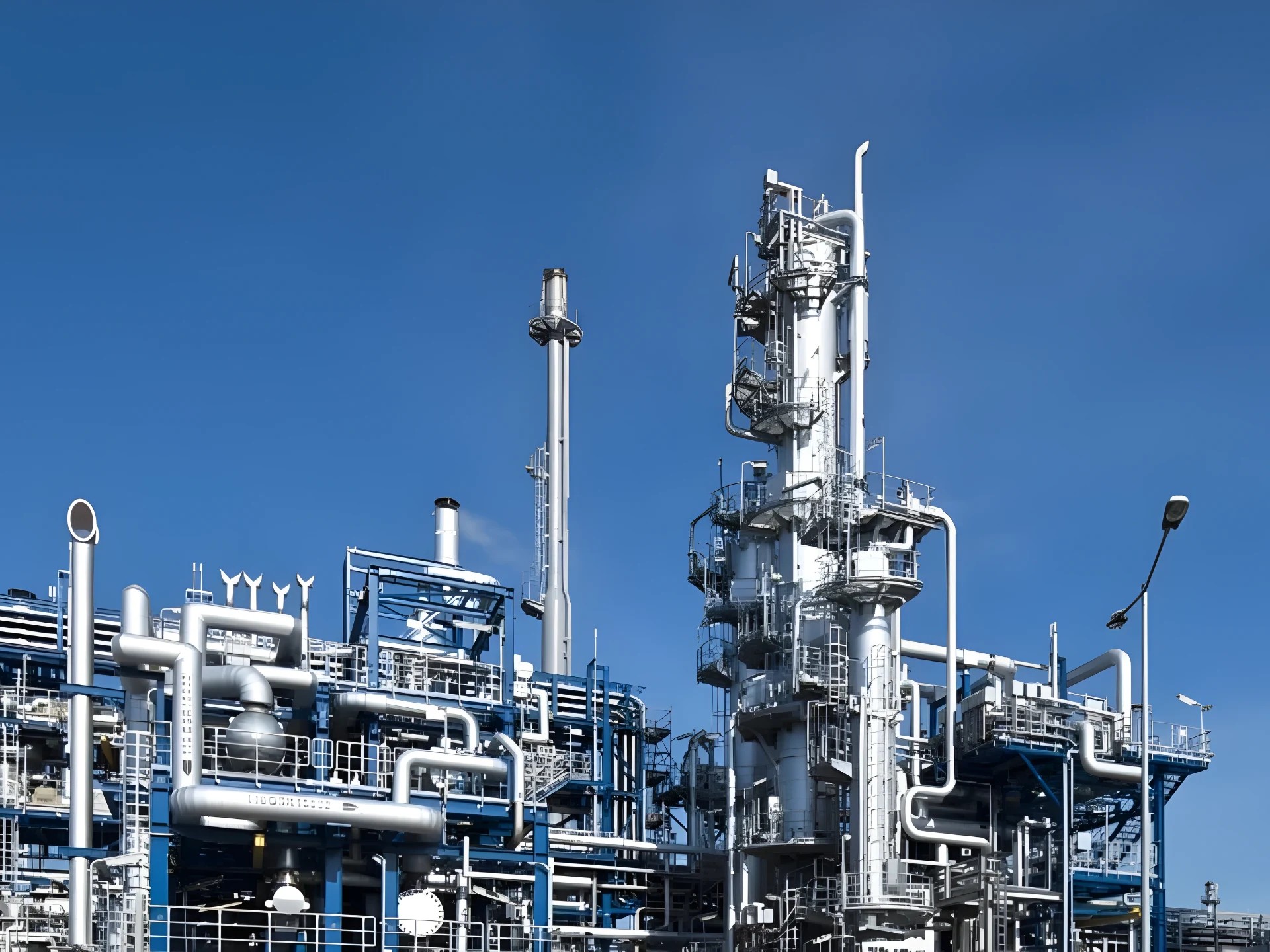
Steam methane reforming and coal gasification, then electrolysis in three ways – production methods differ widely in efficiency, CO₂ footprint and price per kilogram.
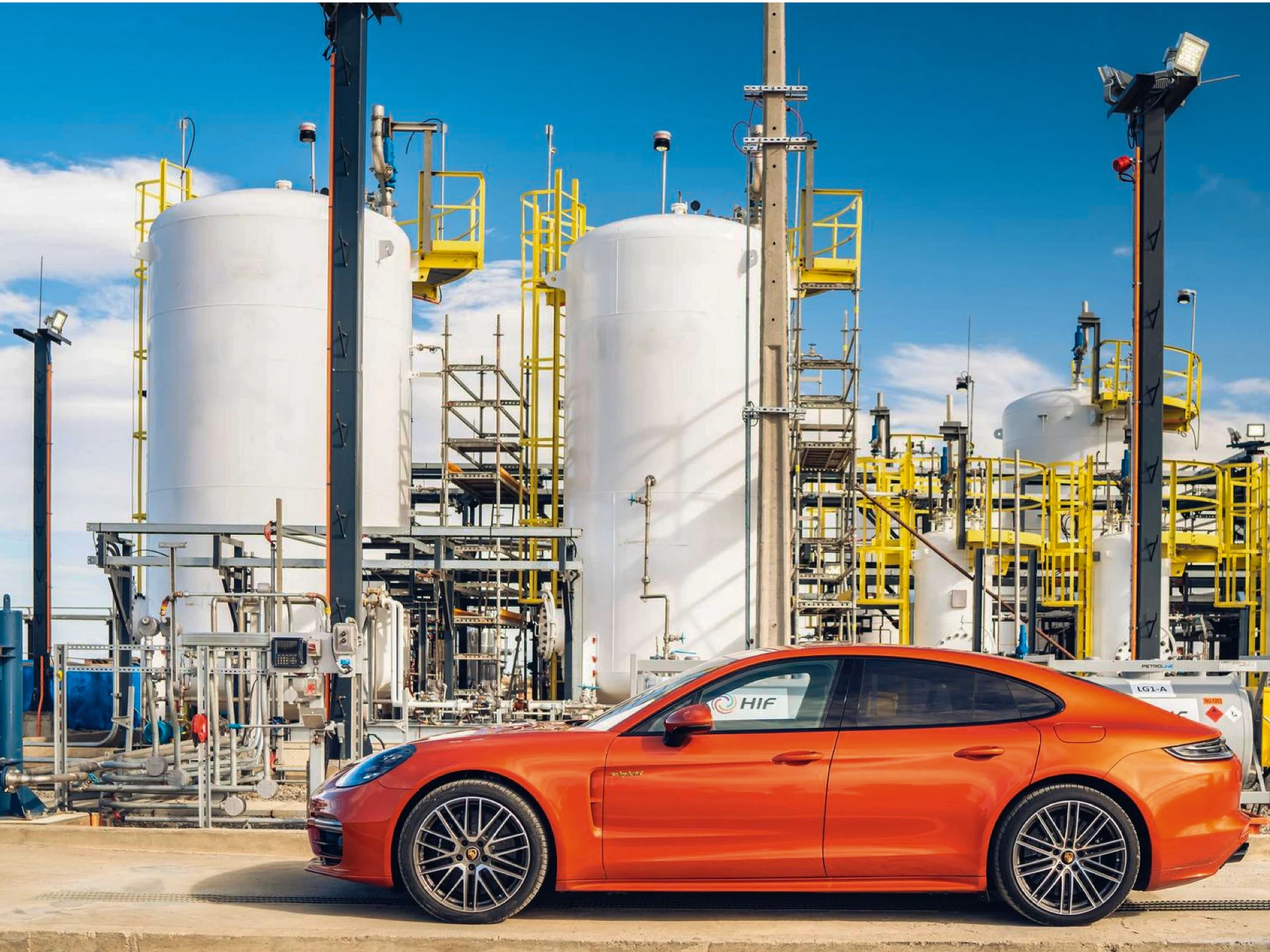
For decades, hydrogen has quietly kept heavy industry alive – now, through e-fuels and fuel cells, it is entering transport too.
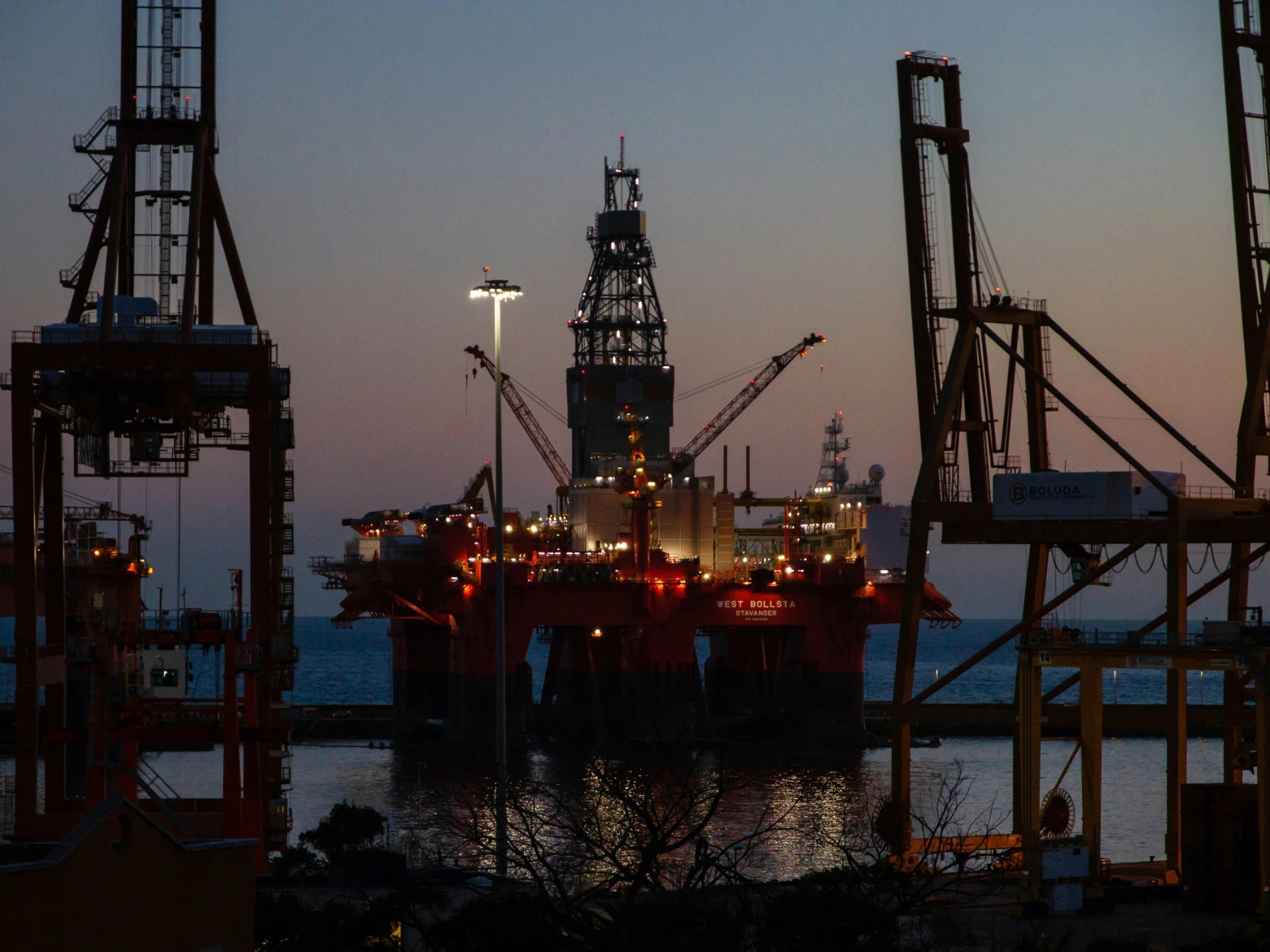
Behind the most loudly promised technology of the energy transition lie persistent cost gaps, missing infrastructure and documented oil industry interests.