Health
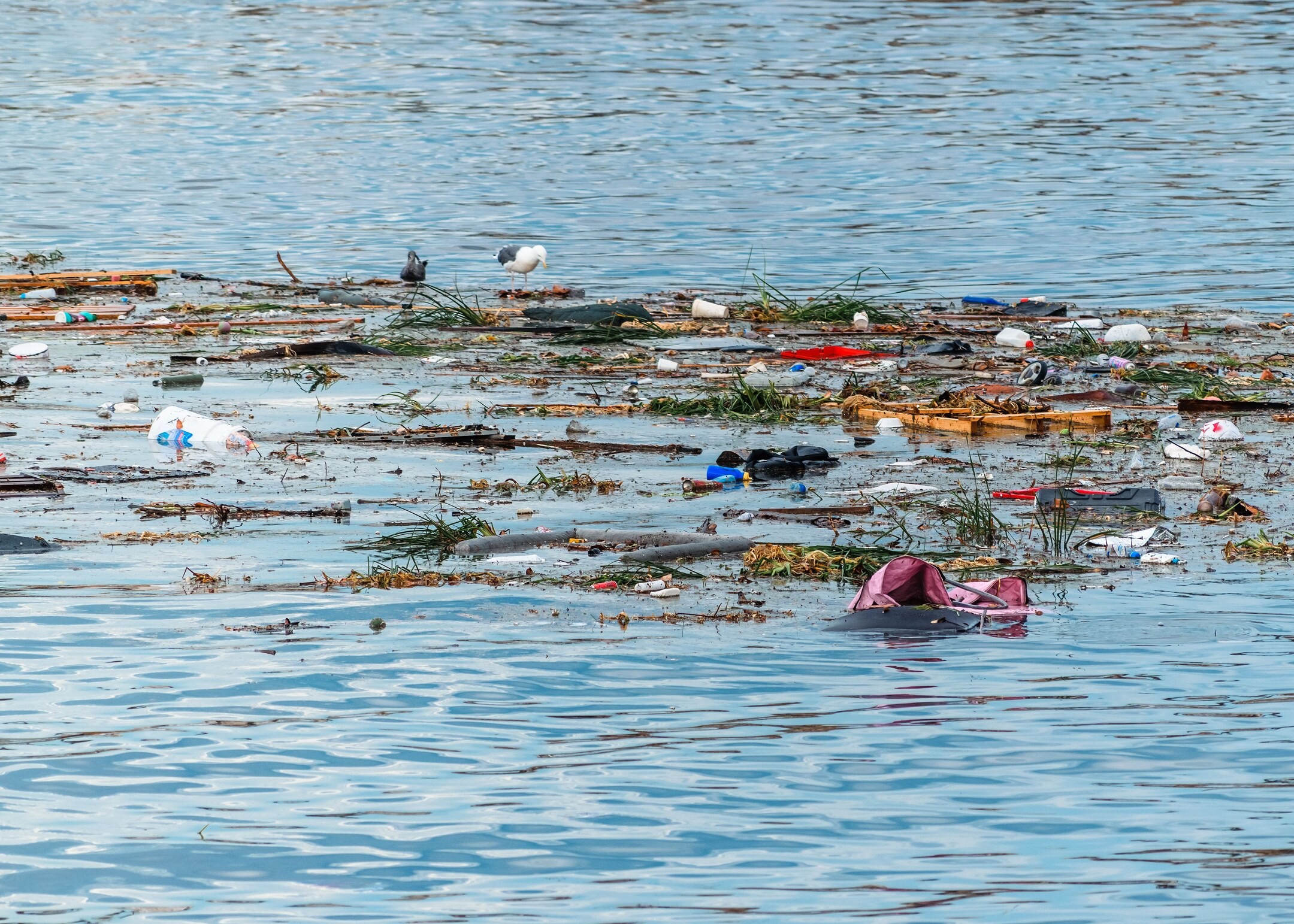
Microplastics in Water Are Not Chemically Inert

A new study finds that common microplastics spontaneously generate reactive oxygen species in water, a possible mechanism for harm that does not depend on the pollutants they carry.

PFAS Ban Takes Effect in Packaging
From 12 August 2026, PFAS-coated pizza boxes, paper cups and greaseproof papers will disappear from the shelves because of tightening concentration limits – transforming the daily business of the food and packaging industries and, indirectly, the water sector.

Water Quality at Europe's Bathing Sites – River Conditions Raise Questions
According to the European Environment Agency's 2025 report, the vast majority of the continent's bathing sites are safe, but river swimming remains the weakest link despite urban successes in Berlin and Budapest.
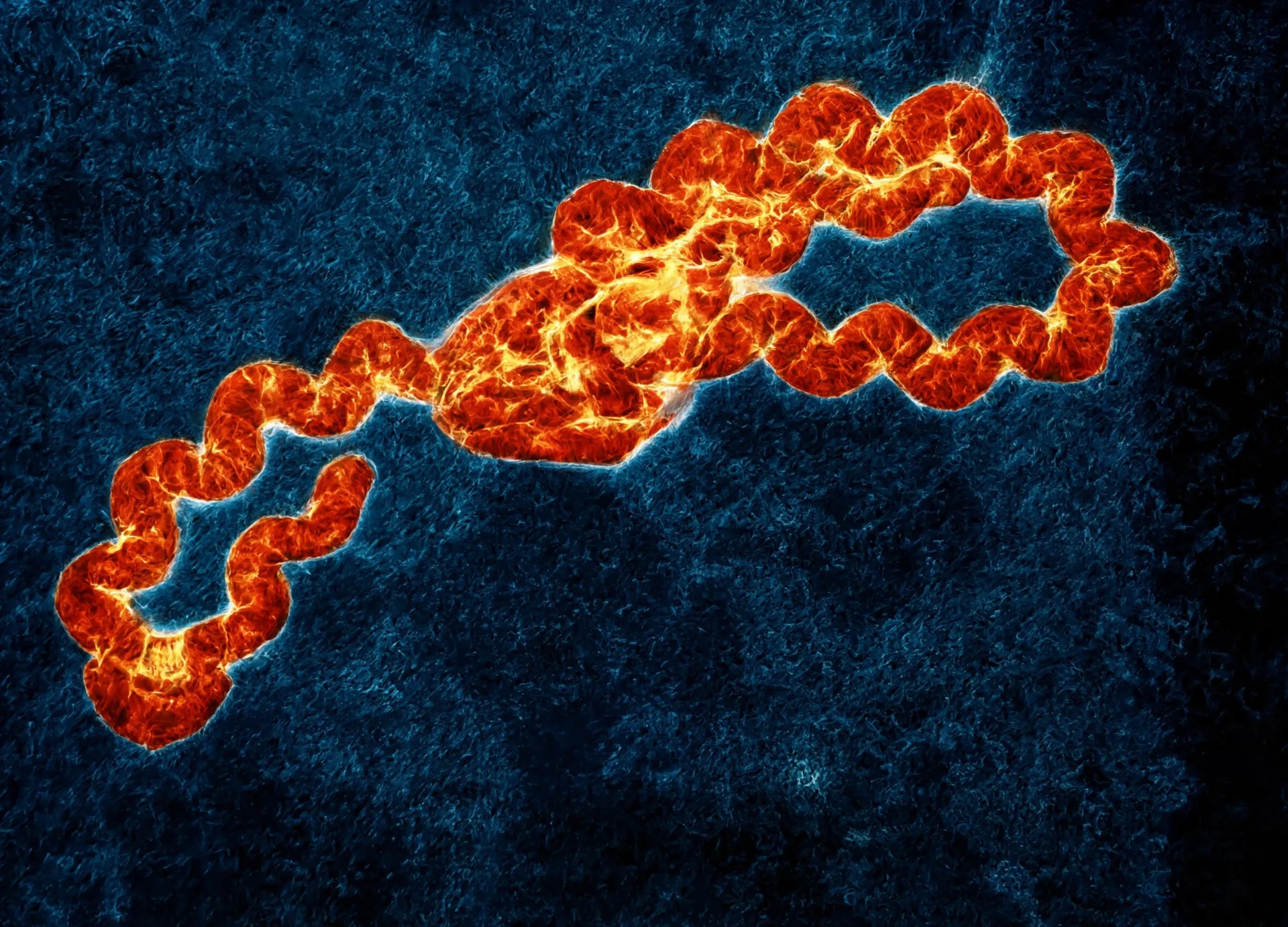
We Need to Prepare for Rat-Borne Disease
According to the latest study by the EU's Joint Research Centre (JRC) and The Lancet, a warming and wetter climate increases the risk of one of Europe's underdiagnosed waterborne bacterial zoonoses under every future scenario examined.
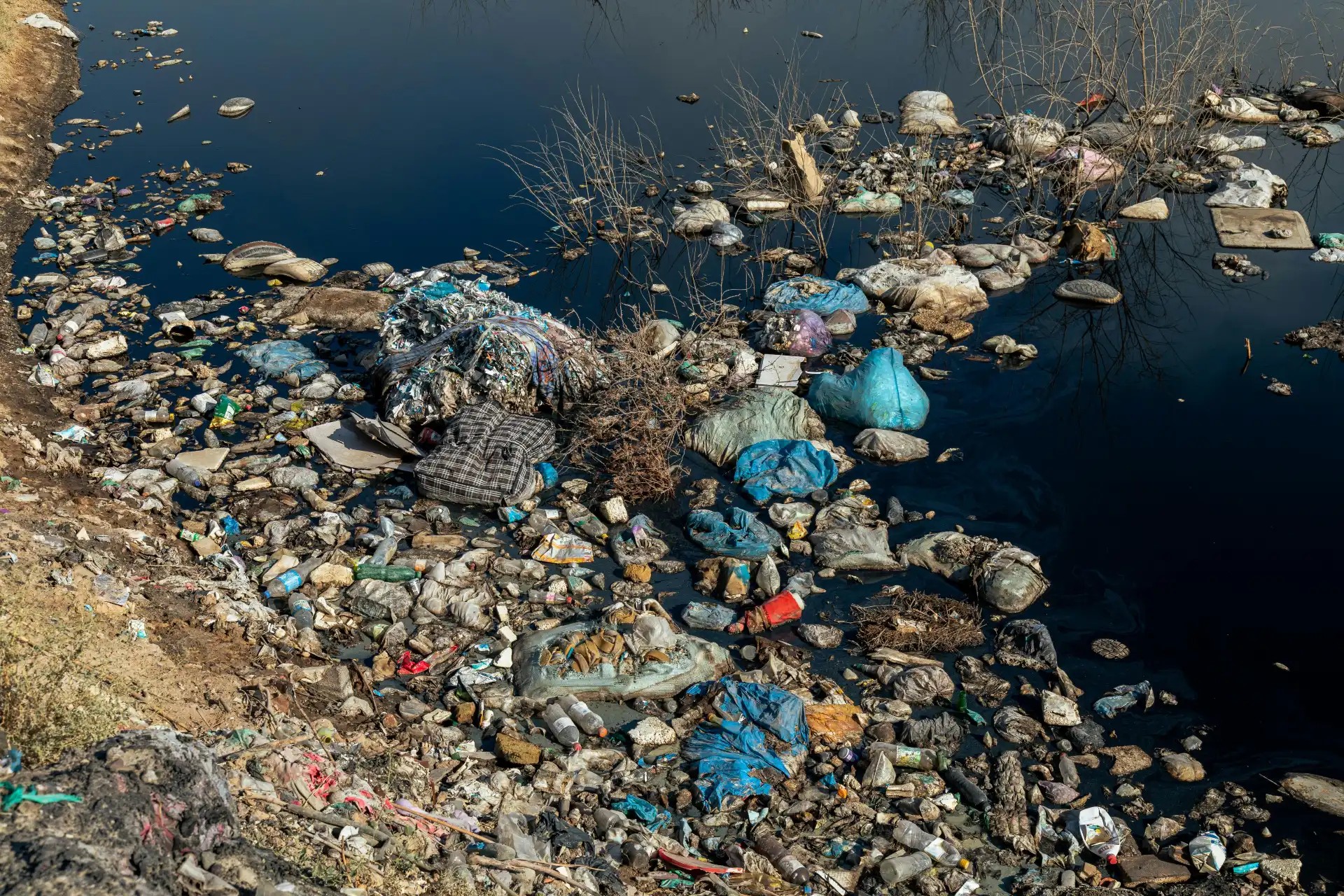
Microplastics in Hungarian Tap Water: How Bad Is It?

We already know how harmful micro- and nanoplastics are to human health, so the question comes up more and more often: how worried should we be about the drinking water that reaches us through the pipes?
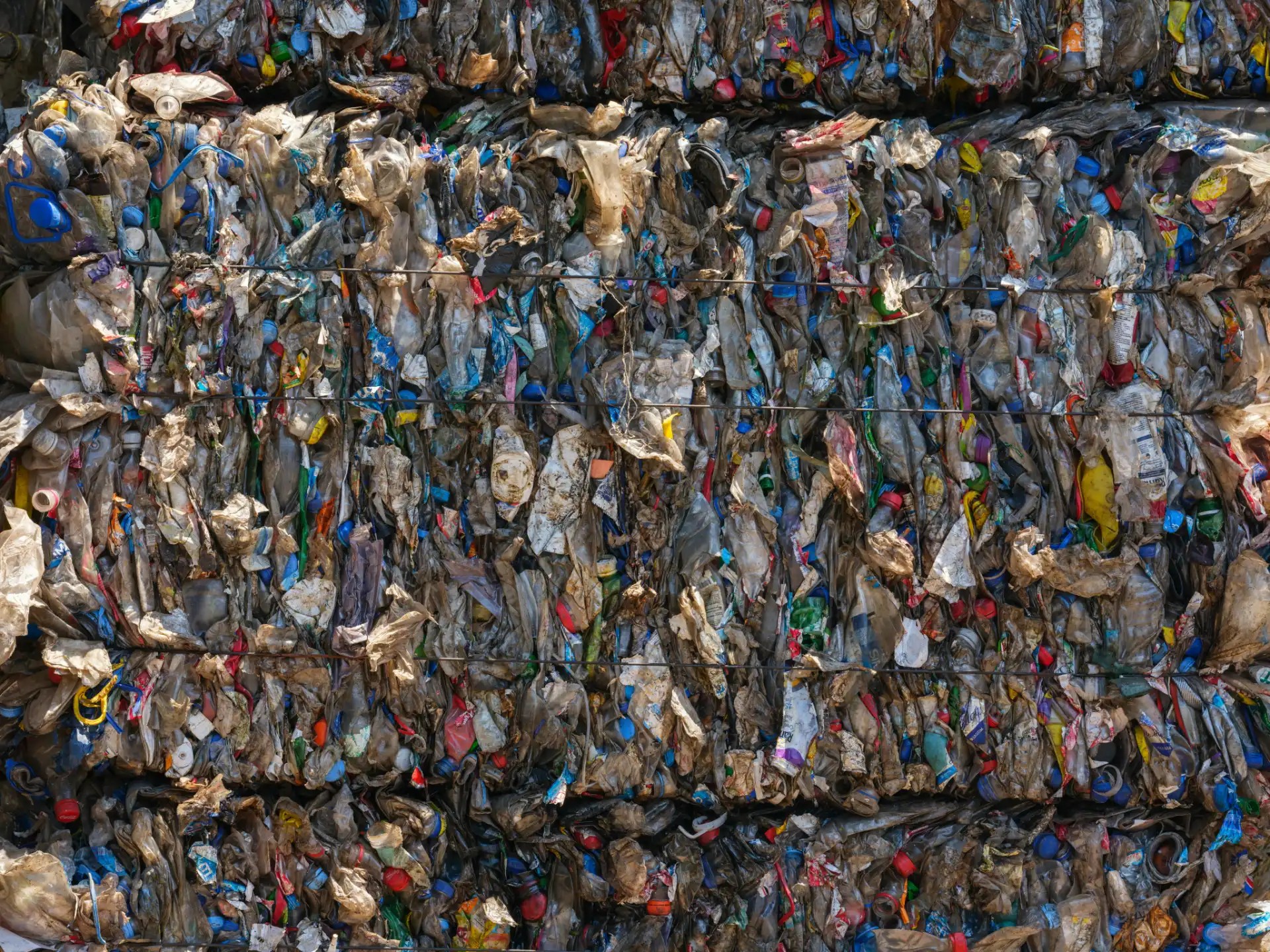
Plastics That Penetrate Our Cells
Plastic is an integral part of modern industry and the economy, but it has a powerful impact on us and our environment. In the first part of our new series, we examine the causes and consequences of plastic production.