Tideway's First Full Year: 86% Less Sewage
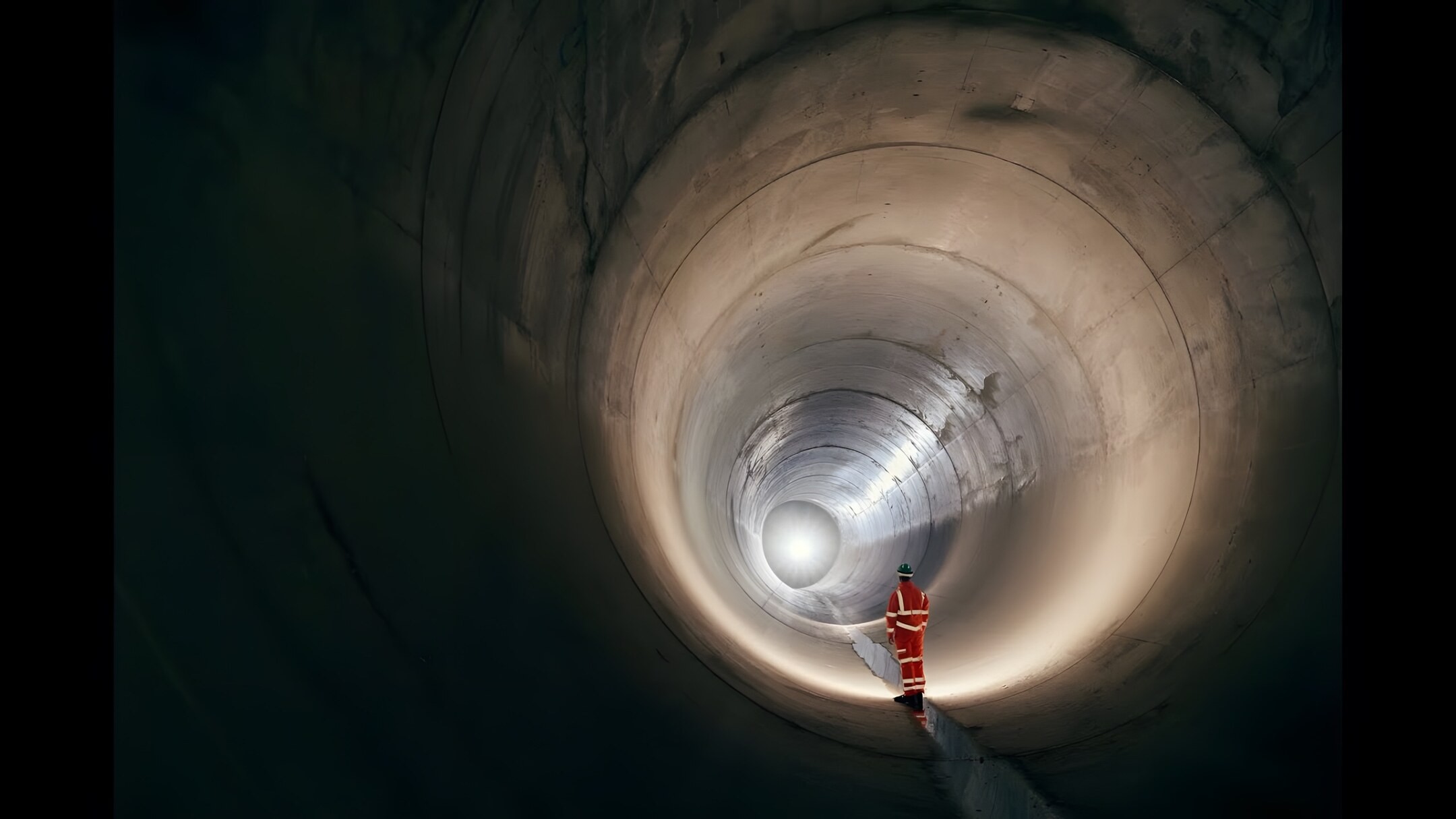
On 13 October Thames Water published its first annual report on what the Thames Tideway Tunnel has achieved. In 2025, the 25 km tunnel's first full year, storm sewage discharged to the tidal Thames fell by 86% against the 2020–2023 average. The headline is strong, but the report's real value lies elsewhere: in how it measures the effect, and in what it openly lists as limits.
Why it was built
In London's combined sewers, wastewater and rainwater share one pipe. In heavy rain the network spills into the river through combined sewer overflows (CSOs). The EU Urban Waste Water Treatment Directive addressed this in 1991, with large cities expected to comply by 2000. In 2006 the European Commission found that London did not comply; in 2010 it took the UK to court, and in 2012 the Court of Justice of the European Union ruled that the UK was in breach because of the volume and frequency of overflows into the Thames.
The response, according to Thames Water's summary, was a three-phase programme:


Wastewater treatment does not break down PFAS, so the chemicals collect in sludge, and just as farmland is closing to it in more places, the technologies that can destroy them are leaving the pilot stage.
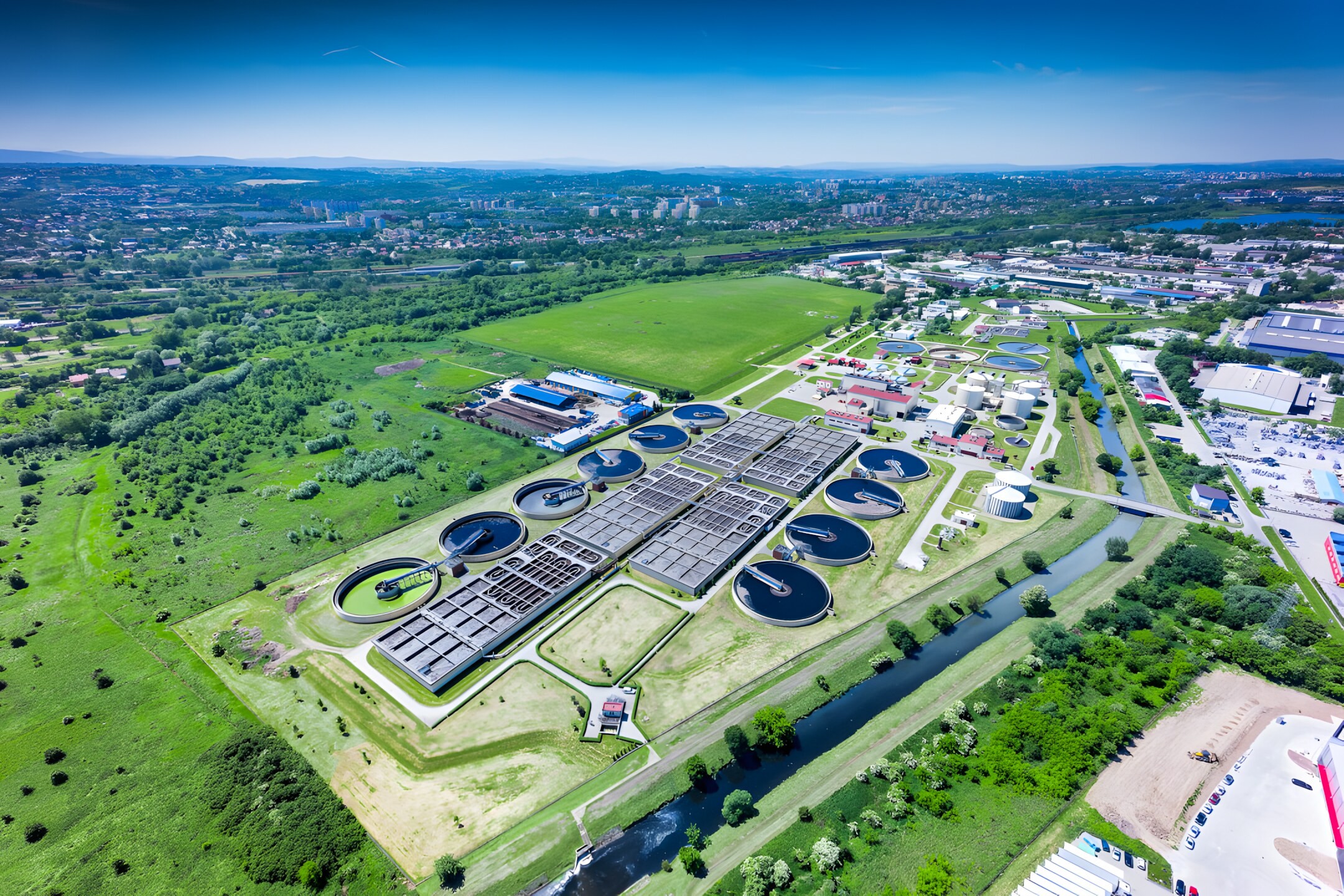
Kraków's smaller wastewater plant already covers about 80% of its electricity demand with biogas, the larger one 45%, and their upgrades show what it still takes to reach the EU's 2045 target.

After three years of construction, the Rheinbach-Flerzheim wastewater plant has commissioned a fourth treatment stage that combines membrane filtration with powdered activated carbon, ahead of a stream that in summer carries little but treated effluent.