Britain Earmarks an Astronomical Sum for Its Water Utilities
Ofwat, the economic regulator of the water sector in England and Wales, has provisionally approved £3.4 billion (around $4.6 billion) of additional investment for 13 water companies (Ofwat, 2026). The decision was made under the Cost Change Process, which the regulator set up so that companies can access extra funding between two full cycles of the 2024 Price Review (PR24) in priority areas where costs were still uncertain or unknown at the time of the final determinations in December 2024. The package aims to develop infrastructure, support housebuilding and economic growth, and improve environmental and drinking water quality outcomes – with a particular focus on removing PFAS, the so-called forever chemicals, from drinking water.
How the Cost Change Process works
The 13 water companies applied for a total of £4.3 billion in additional funding under the Cost Change Process. Of this, £752 million of claims were rejected by the regulator. Of the remaining eligible £3.533 billion, Ofwat provisionally approved £3.39 billion – around 96% of the eligible amount.
The 13 water companies applied for a total of £4.3 billion in additional funding, of which Ofwat provisionally approved £3.39 billion – around 96% of the eligible amount.
Where the money goes
Of the approved £3.39 billion, £1.2 billion goes towards the long-term resilience of existing services and assets, £477 million can be used to manage growth pressures and support housebuilding and data centre developments, and £34 million is earmarked for tackling PFAS and other forever chemicals to ensure a reliable drinking water supply.

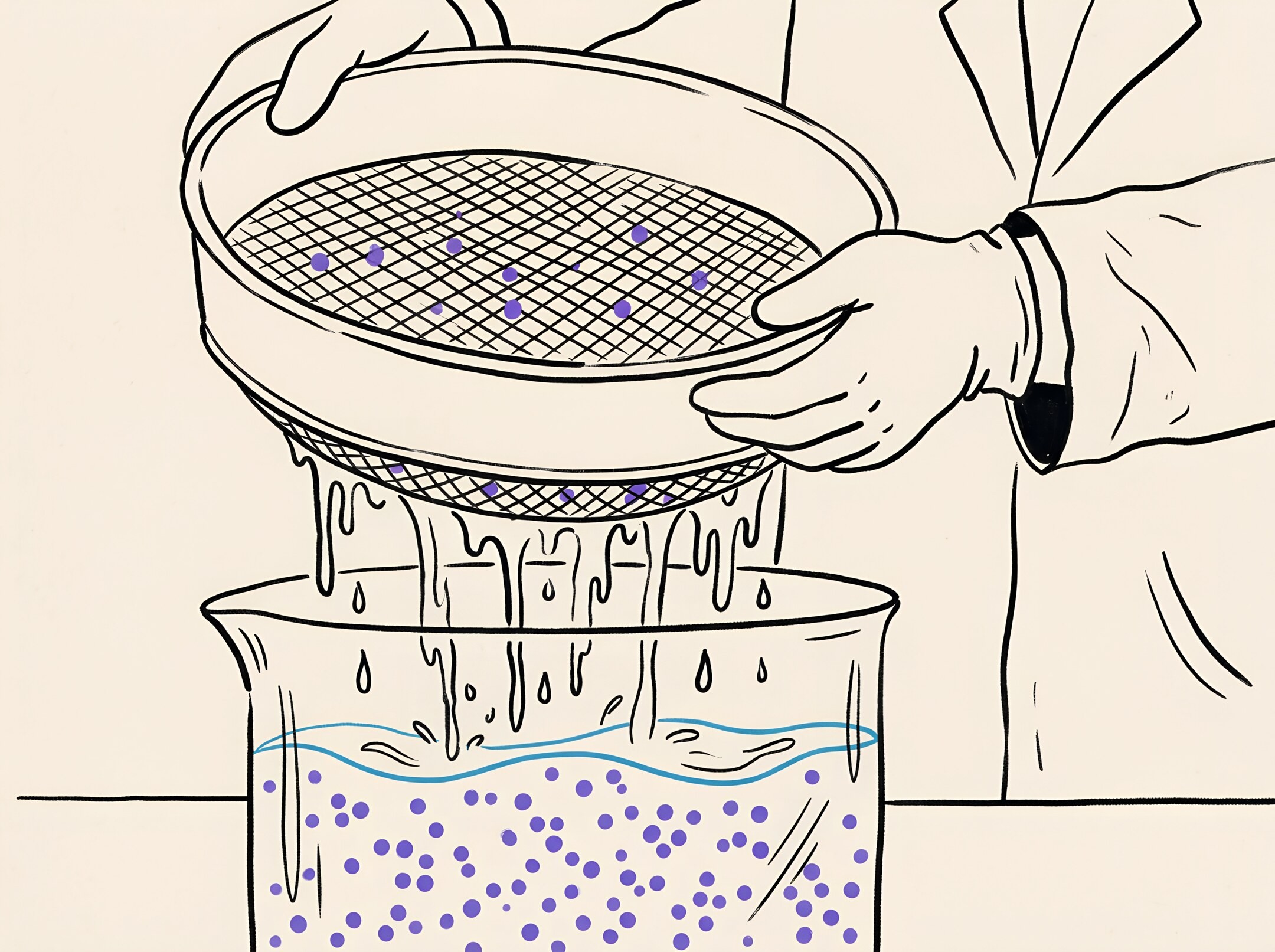

A national Swiss campaign has run every PFAS method in the Commission's guidelines side by side, and none of them can name most of the organic fluorine in wastewater.
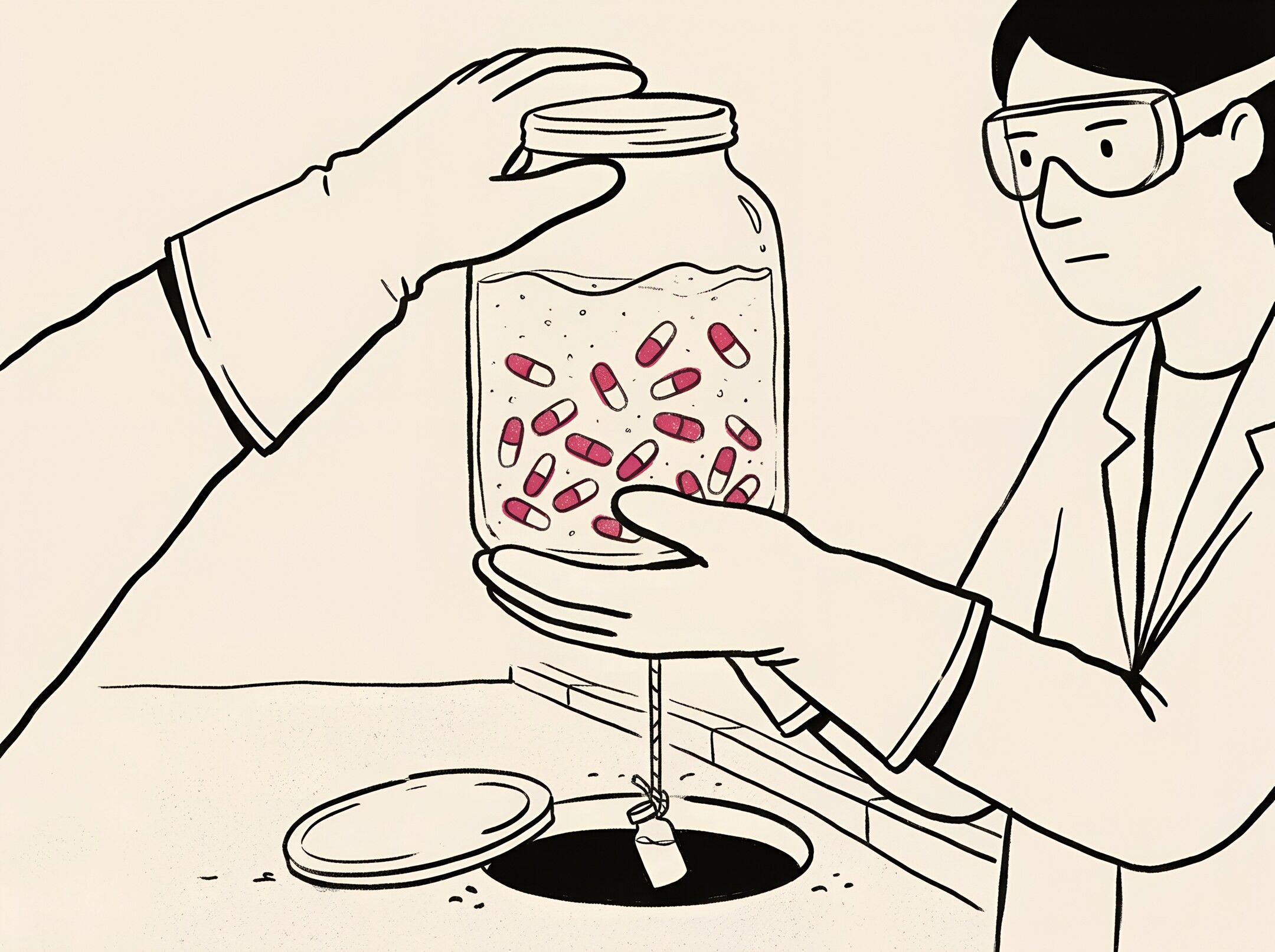
Europe is about to make wastewater monitoring for antimicrobial resistance routine, while researchers warn that the numbers it produces can't yet say how many people are affected or what risk they face.

A meta-analysis of 455 datasets finds that fertilisers made from separated urine and faeces perform as well as mineral fertiliser, so the open questions are now quality assurance and regulation.

Prague's draft law transposing the recast EU wastewater directive puts the investment bill at up to CZK 176 billion and gives a detailed view of what the rules mean for a central European member state.