Professional articles
In-depth analysis, technology comparisons and interviews.
Professional content is free to read with a W4 account.Create an accountSign in


The European Commission's new Water Resilience Investment Accelerator will help 20 pilot projects become bankable and attract private finance, with applications open until the end of October.

The Czech government's first biomethane support auction drew bids for more than four times the expected capacity, pushing down the price of the winning offers.
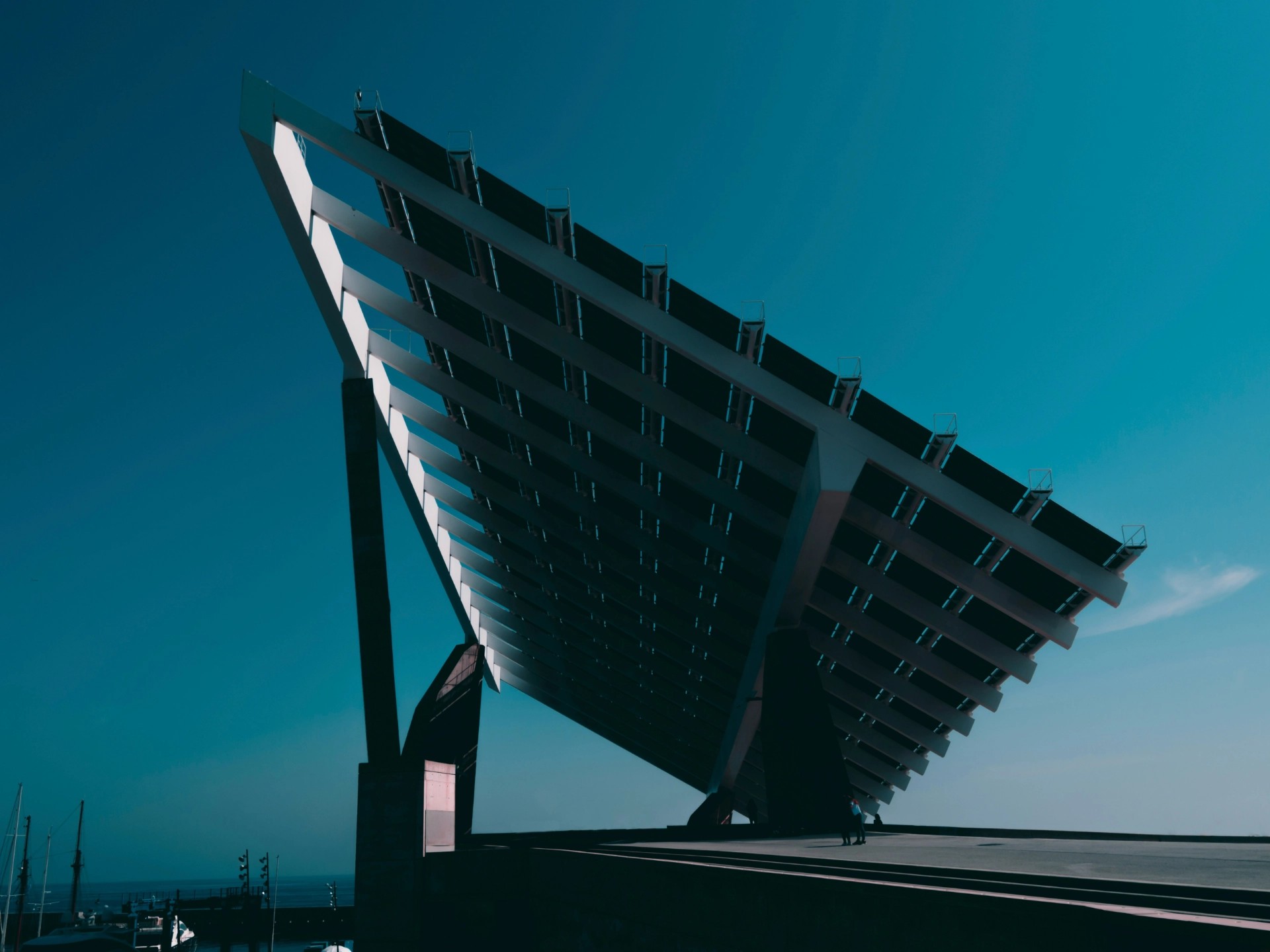
According to the latest BloombergNEF data, $327.5 billion flowed into renewable energy worldwide in the first half of 2026, while solar projects combined with storage attracted record investment.

The UK regulator has approved additional funding for infrastructure improvements at 13 water companies, but only five of them can raise customer bills between 2027 and 2030.
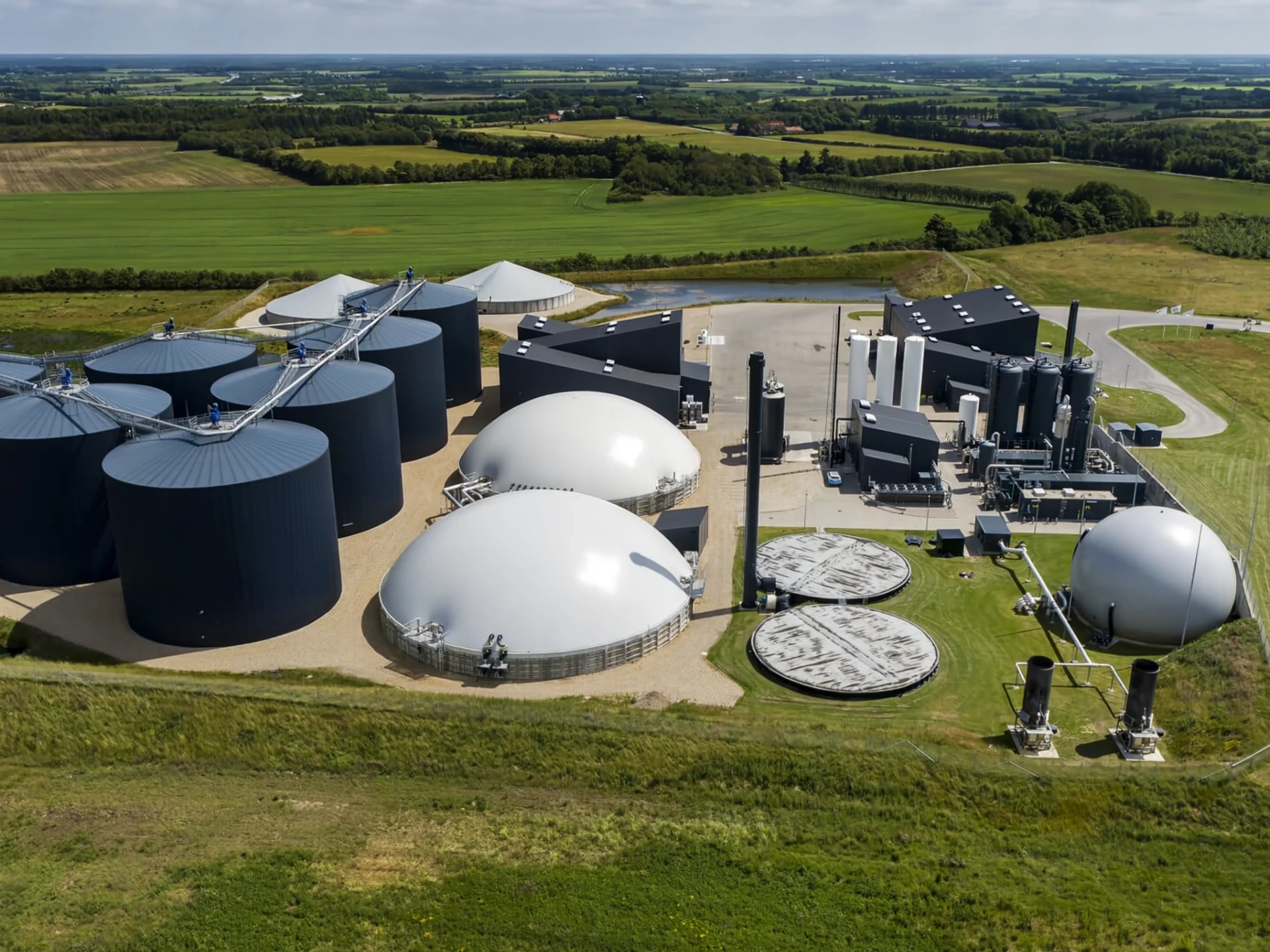
According to the latest map from EBA and GIE, the continent's biomethane production grew by 17% in a year, but 95% of capacity is still concentrated in just five countries.
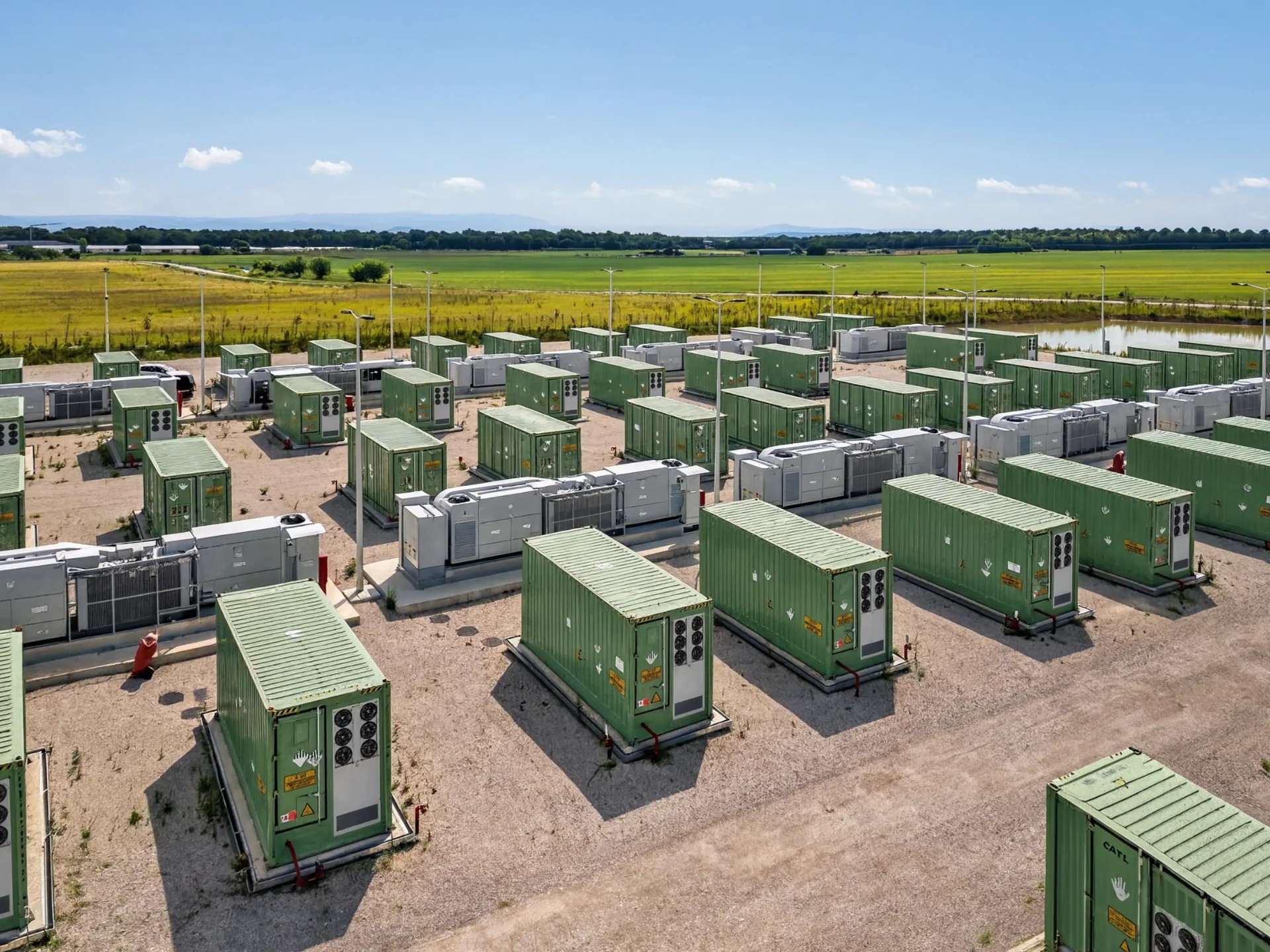
The European Commission has confirmed that 200 GW of storage capacity is needed by 2030, while EU power markets have already seen twice as many negative-price hours this year as before.

Citing cybersecurity, the European Commission is excluding solar inverters from high-risk countries – mainly China – from EU funding; according to Fluence's head of regulatory affairs, the decision is already actively shaping buyer behaviour.
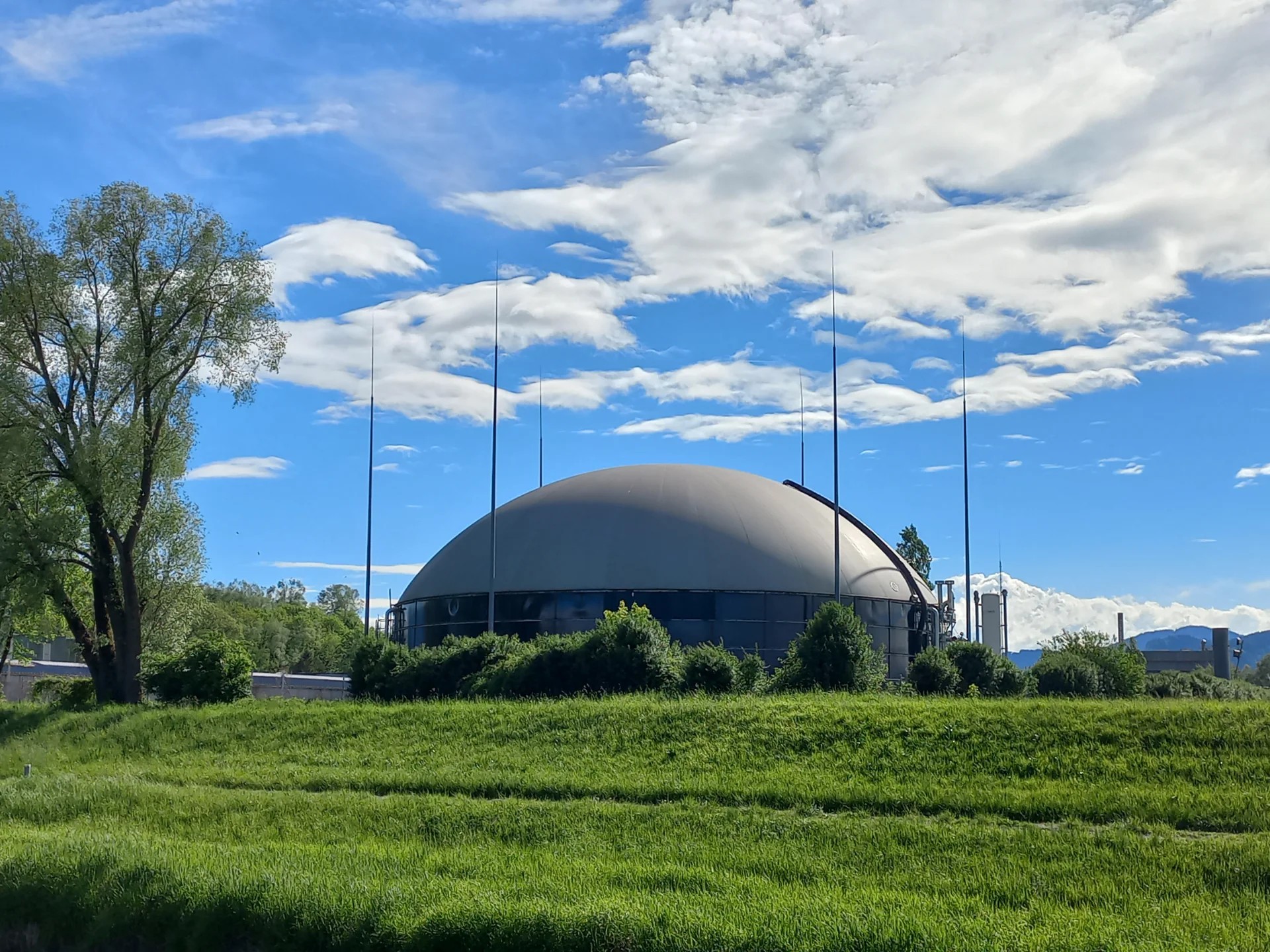
Within a single week, the European Investment Fund launched one of Europe's largest biomethane infrastructure funds with a €200 million investment, while the EU's Fertiliser Action Plan declared digestate a key resource for circular agriculture.
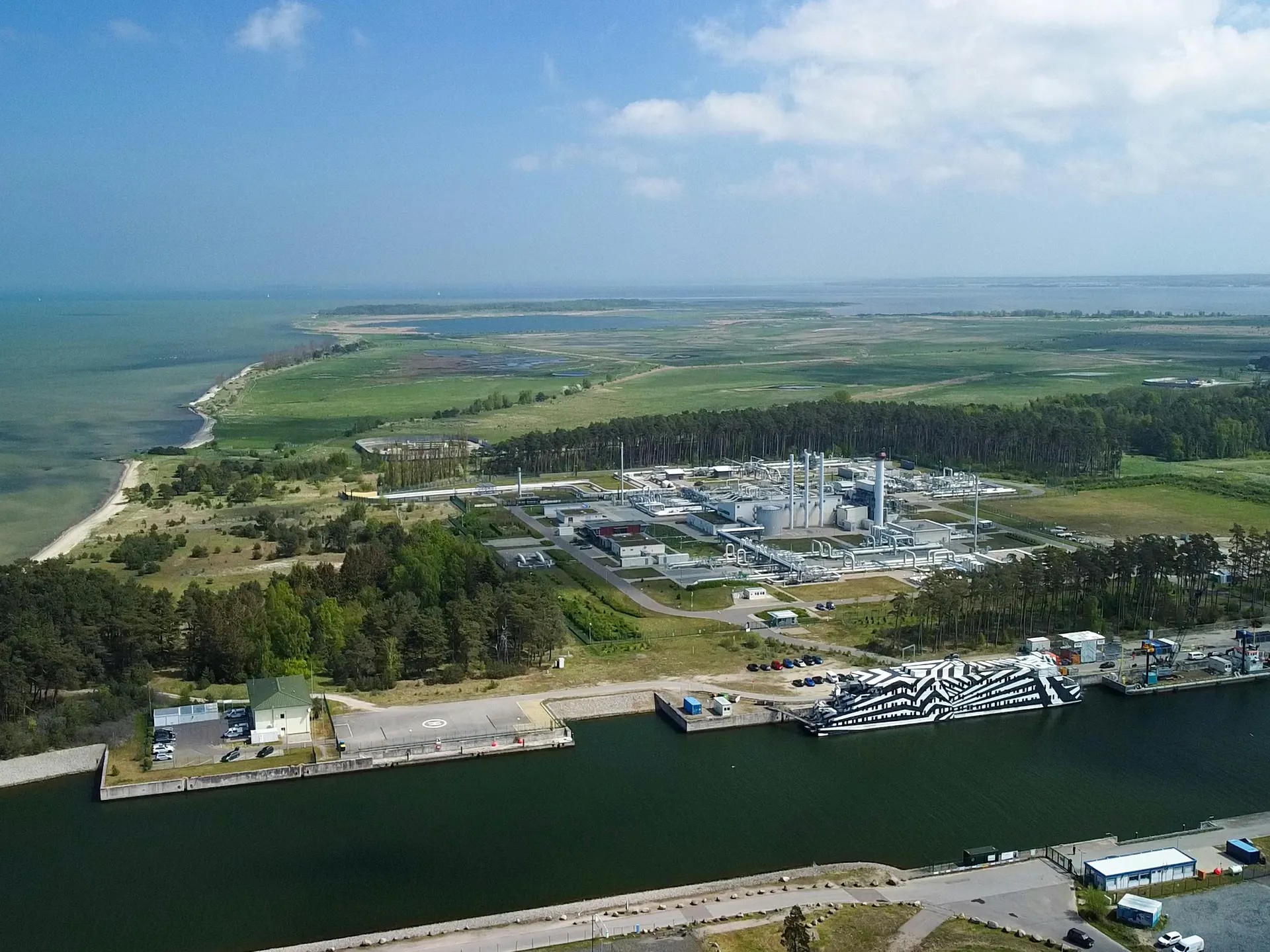
Two new industry documents – the IGU's 2026 assessment and the Joint Biomethane Declaration – agree: biomethane is Europe's only immediate, scalable domestic alternative to imported gas.
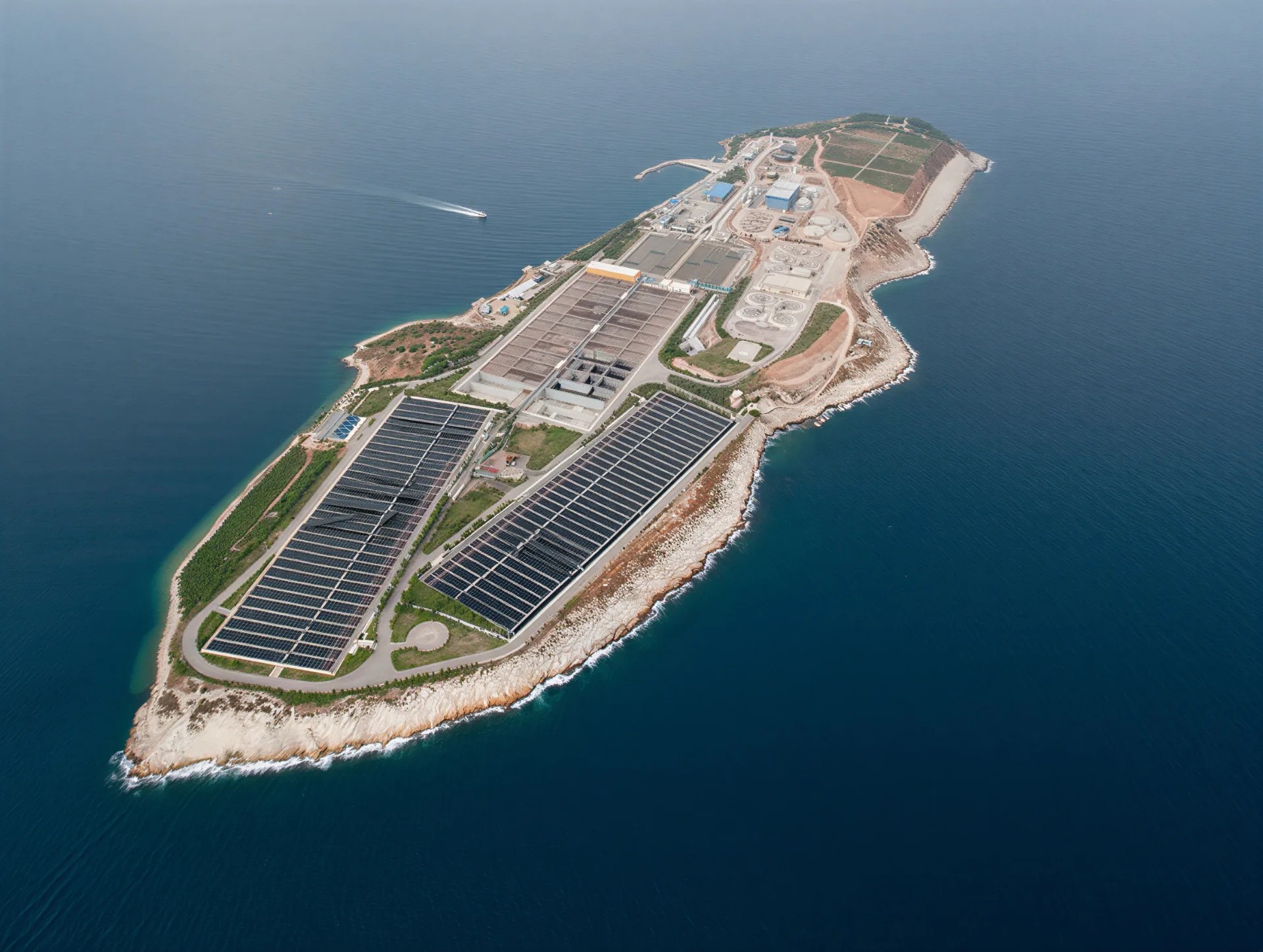
The two main goals of the EU's Urban Wastewater Treatment Directive seem to contradict each other, but with the right strategy both can be met.
The Council of the EU has approved an updated list of water pollutants, including PFAS and pharmaceutical residues – while loosening the principles of the Water Framework Directive.