Czech Biomethane Auction Oversubscribed Four Times Over
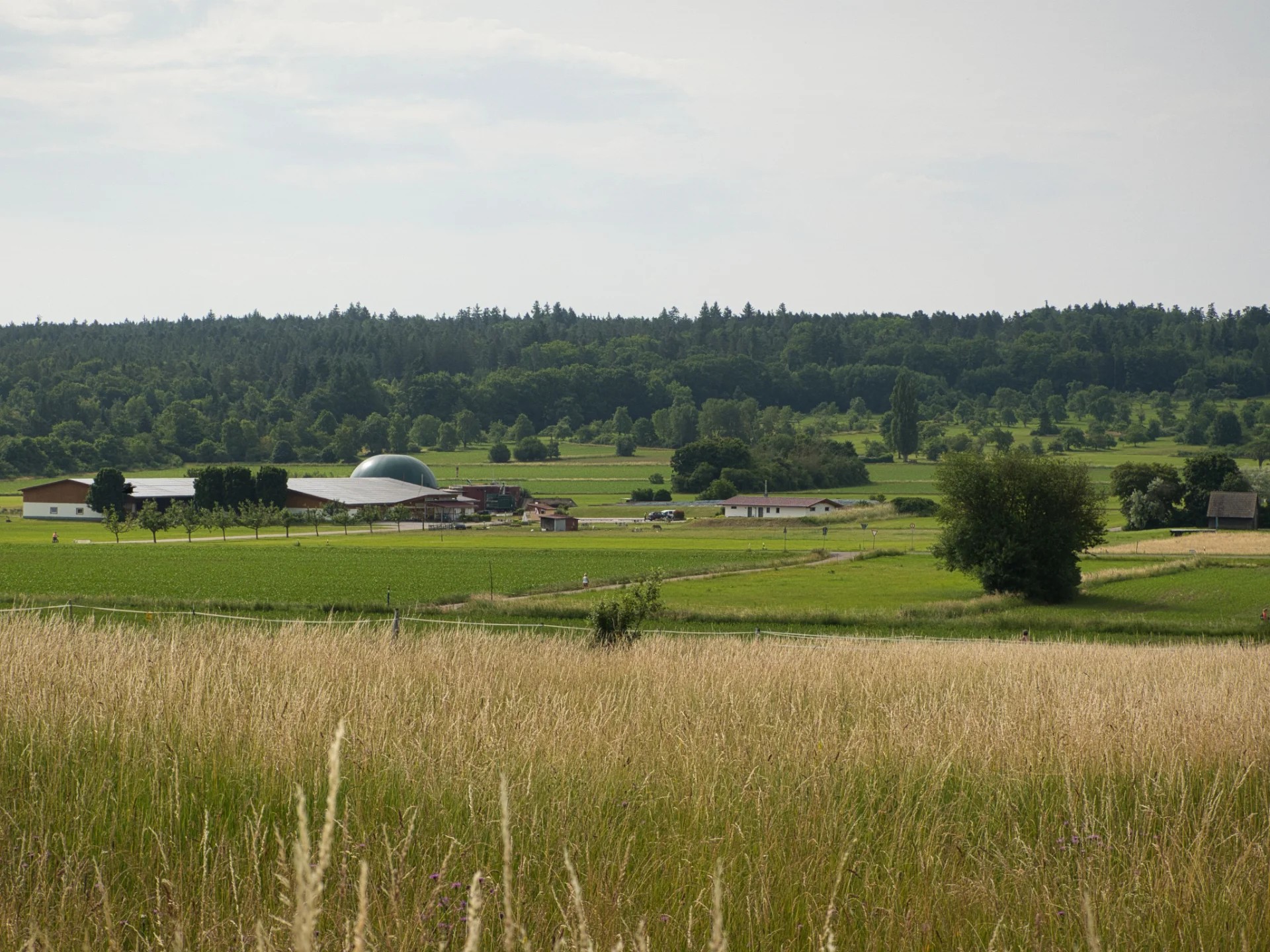
Czechia's first-ever biomethane auction for operating support was nearly four times oversubscribed, the Czech Ministry of Industry and Trade (MPO) announced. The round, which closed in May and aimed to support 45 million m³ of biomethane production a year, attracted a total of 63 projects with a combined capacity of 176.4 million m³. According to the ministry, the strong competition pushed down the reference price of the winning bids, reducing the burden of the support on the state budget.
Interest exceeded expectations
According to the MPO, the level of interest exceeded even the government's most optimistic expectations. Karel Havlíček, Deputy Prime Minister and Minister of Industry and Trade, said the result confirms that the support scheme was designed correctly.
"This confirms that we designed biomethane support correctly and that the sector has a strong future in Czechia." – Karel Havlíček, Deputy Prime Minister and Minister of Industry and Trade
The MPO plans further auctions in the coming years to expand domestic renewable gas capacity. The scheme aims to bring biomethane production, grid injection and end use into a single framework.

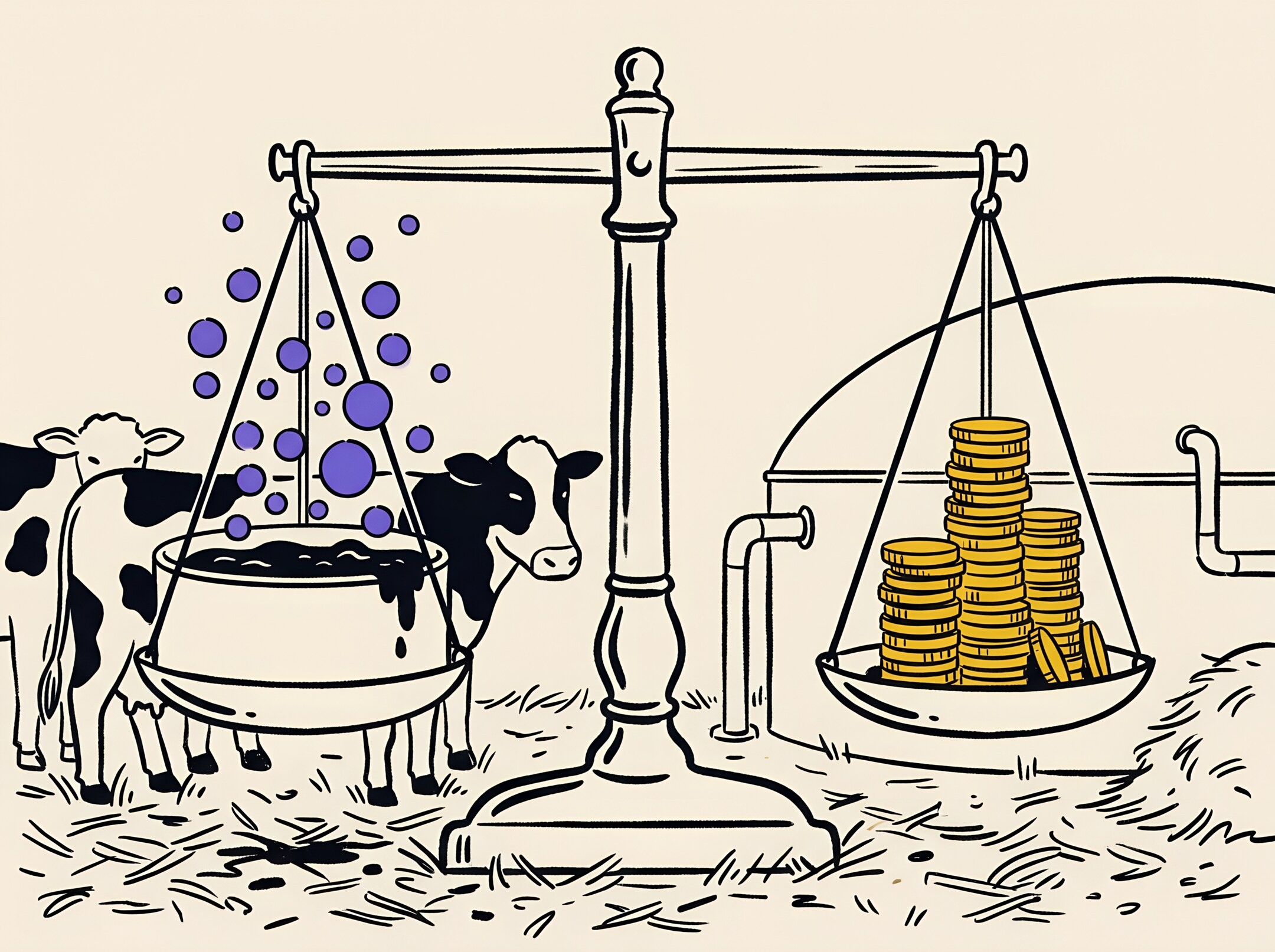

A model update in the United States quadrupled the tax credit for dairy-farm biomethane overnight, because the US credit pays for carbon intensity, while the European Union mostly measures the same performance as a pass or a fail.
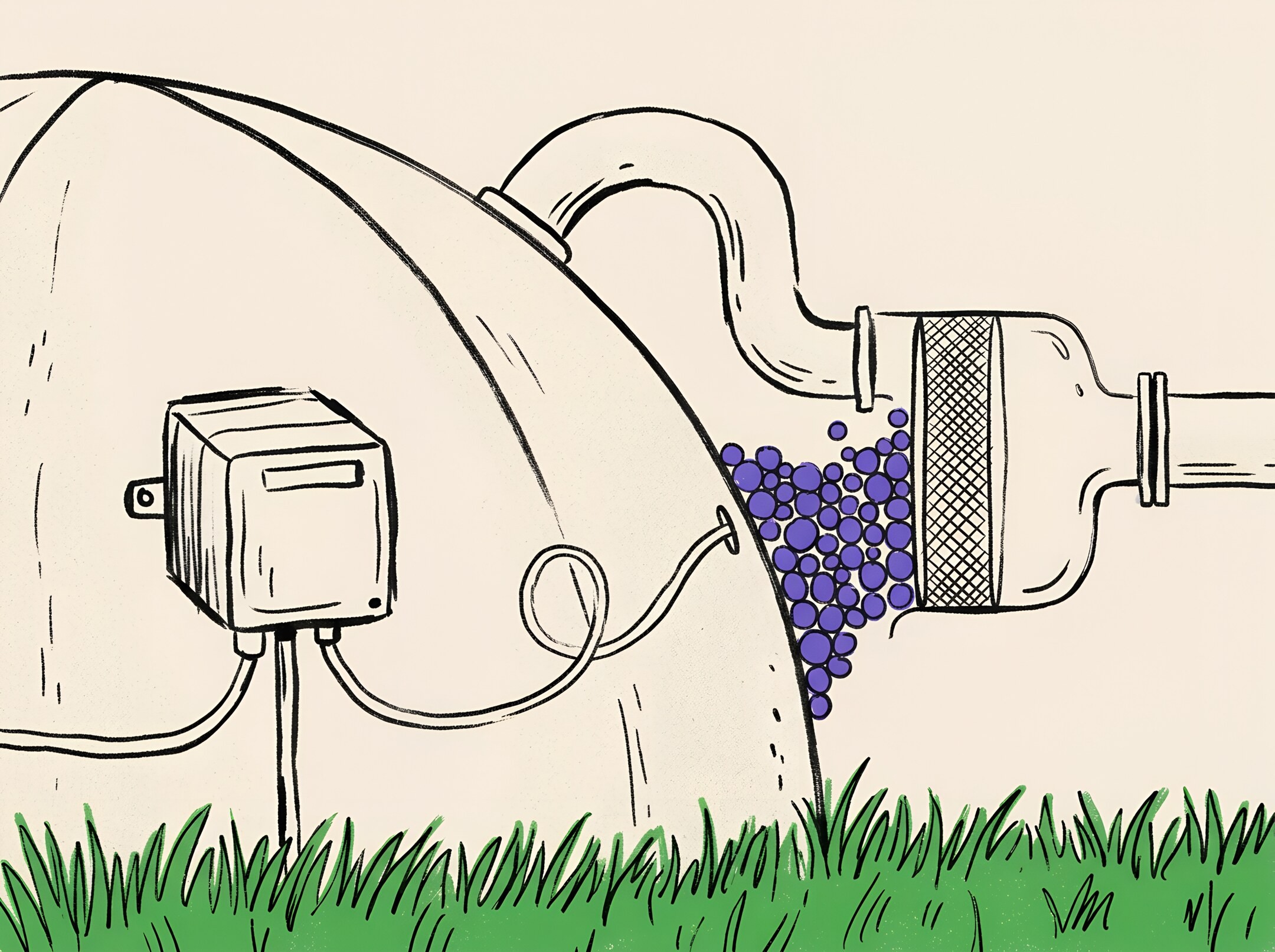

A clause buried in a gas tariff order makes oxygen a design parameter for Spanish biomethane plants, and shows how differently Europe handles a problem it hasn't yet agreed on.
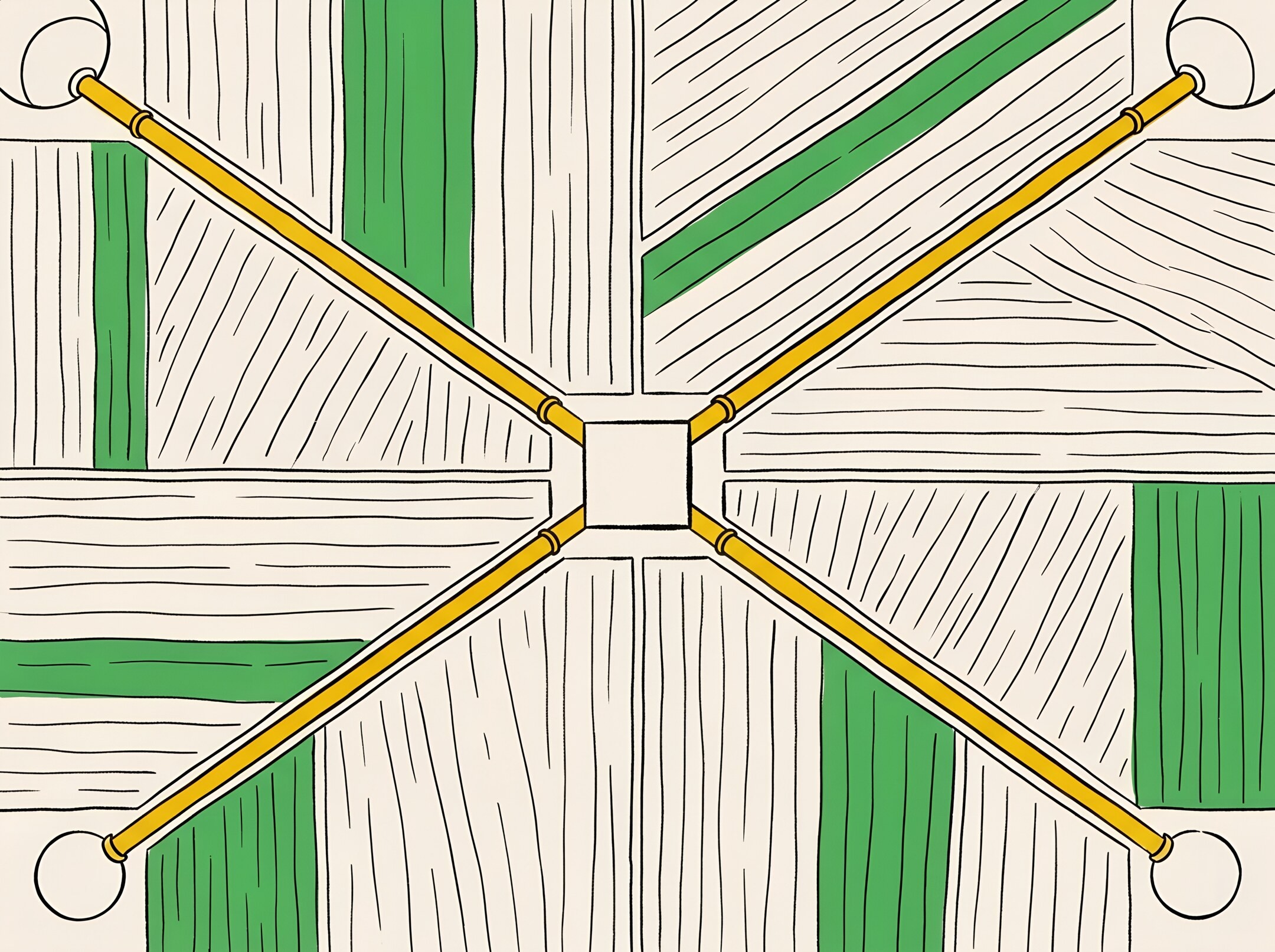
Calculations by the DVGW research centre in Karlsruhe show that if small biogas plants reach the gas grid through a shared upgrading unit and injection point, investment falls by up to 55% and the biomethane injected rises by 16% compared with connecting plants one by one.
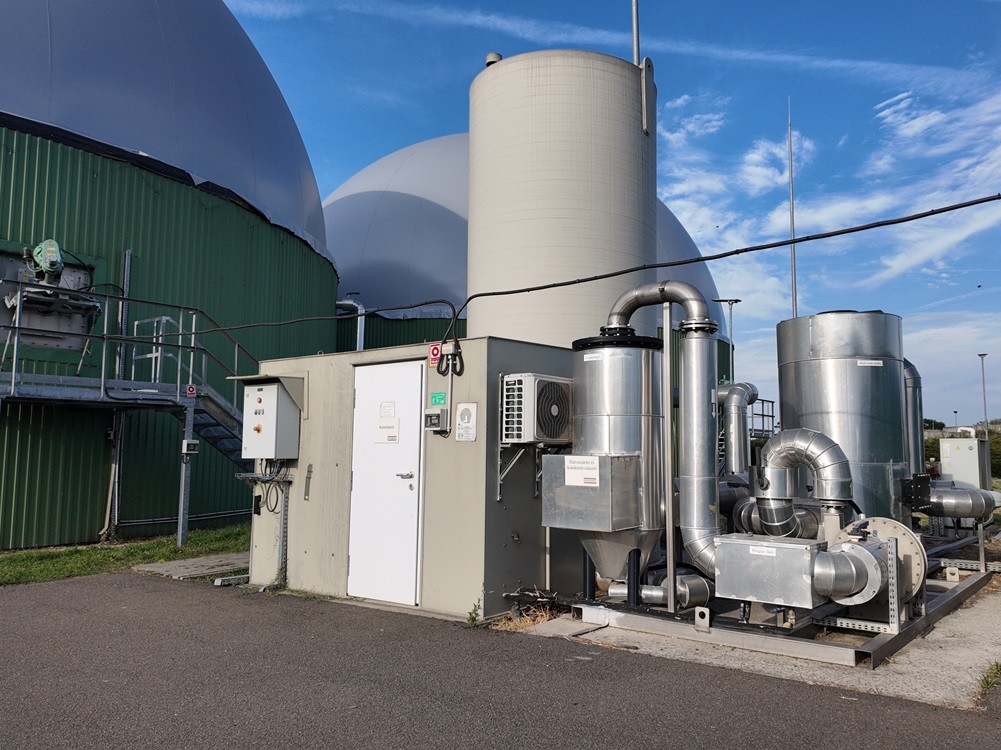
Dosing iron into the digester is one of a biogas plant's main defences against hydrogen sulphide, but iron chloride, iron hydroxide and iron oxide behave very differently – and reactivity matters more than the price per kilo.