Pricing Avoided Methane: What 45Z Teaches Europe
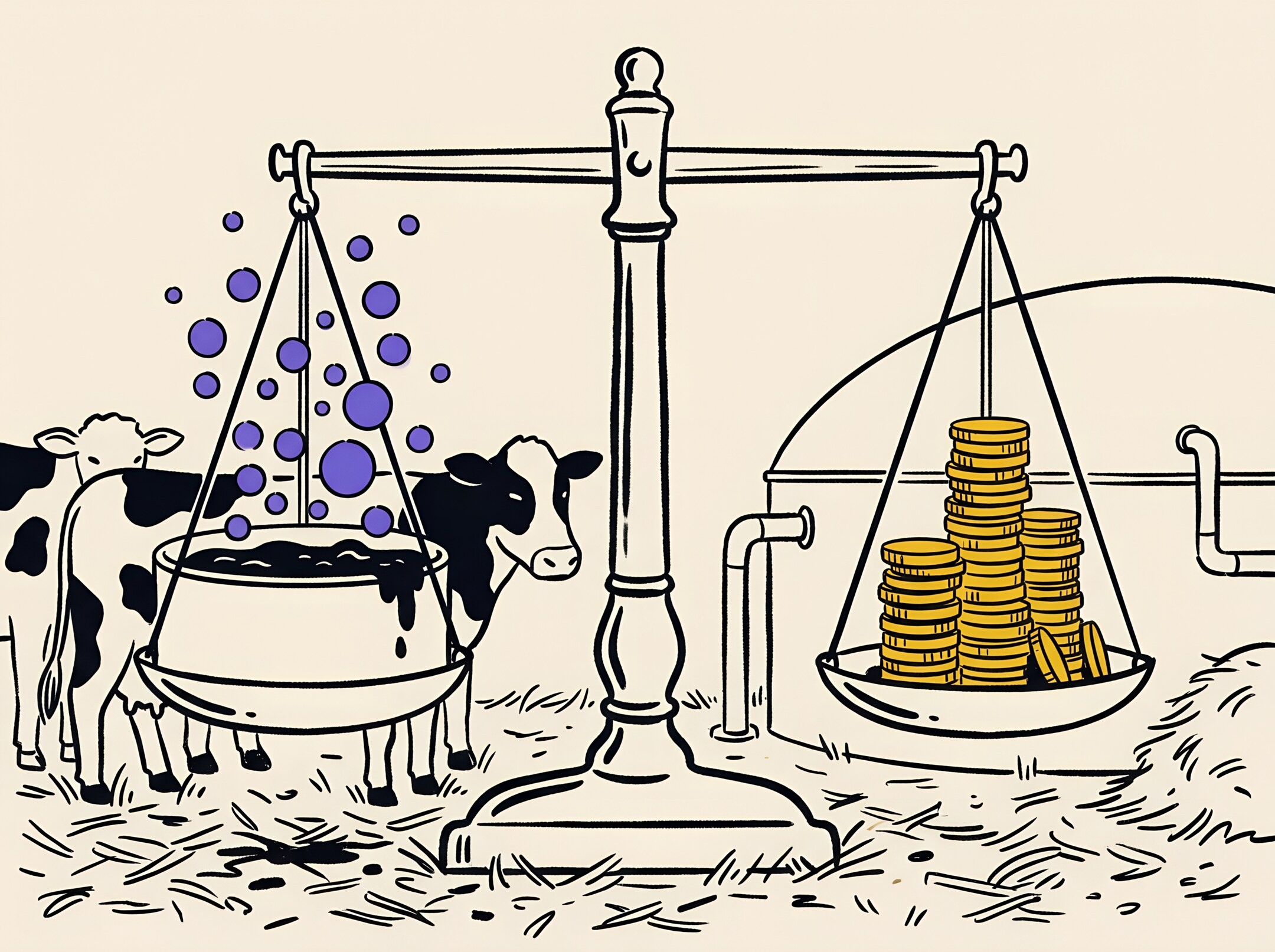
In its third-quarter report, the Californian producer Aemetis rewrote an industry's arithmetic in a single sentence: the federal tax credit for its dairy renewable natural gas (RNG), it said, had risen from about $15 to about $62 per MMBtu, before sale discounts and transaction costs. The gas price had not moved that much, nor had output. A regulatory model had been updated.
W4's weekly biogas review covered the numbers. This piece looks at what drives the credit, why nothing similar happens to a European digester, and what each approach asks of investors.
How a carbon-intensity credit is calculated
The Clean Fuel Production Credit sits in section 26 U.S.C. § 45Z of the tax code. It applies to transportation fuel produced after 2024 and sold by 31 December 2029; the 2025 amendment extended it by two years, to the end of 2029.

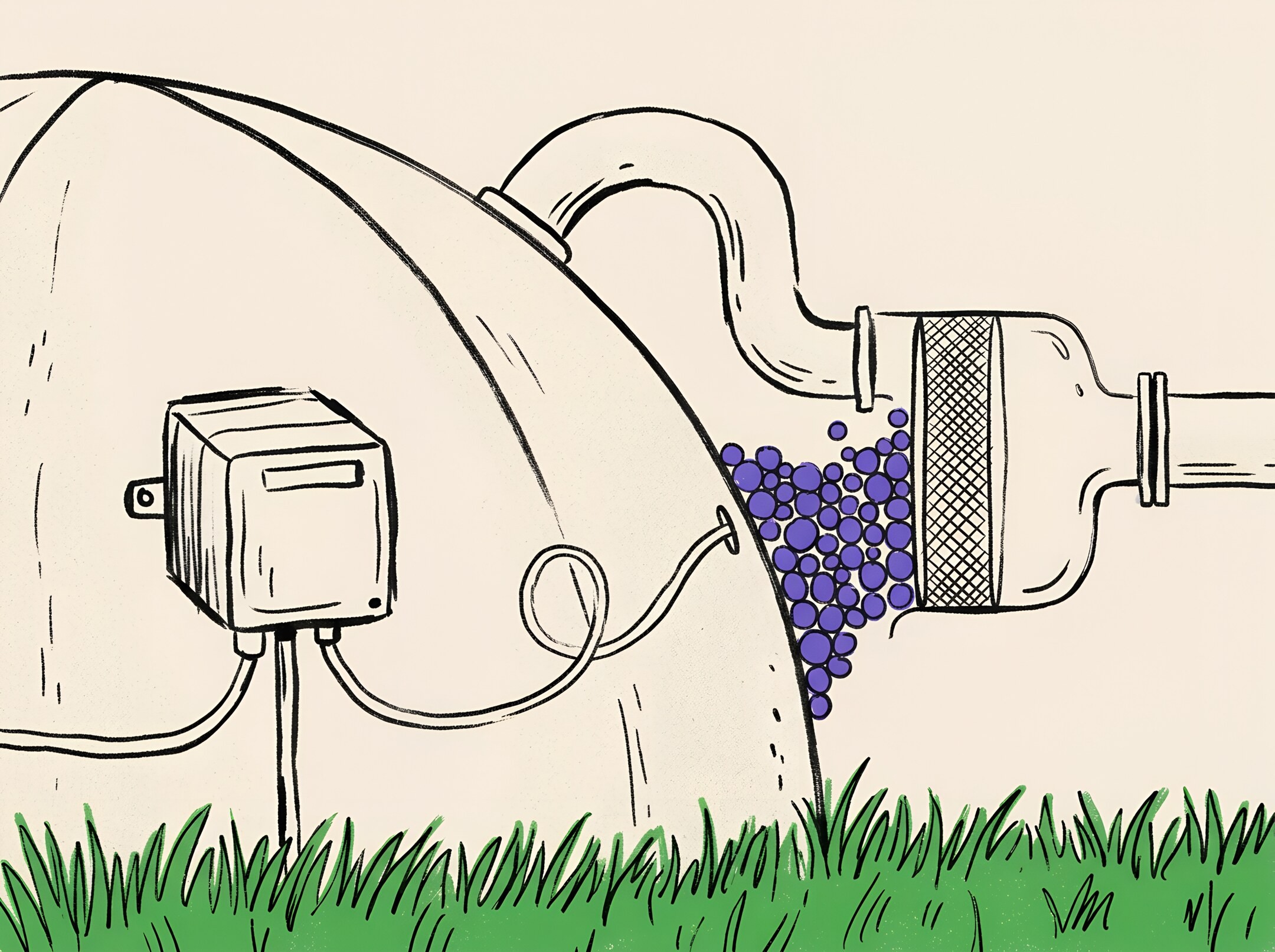

A clause buried in a gas tariff order makes oxygen a design parameter for Spanish biomethane plants, and shows how differently Europe handles a problem it hasn't yet agreed on.

Calculations by the DVGW research centre in Karlsruhe show that if small biogas plants reach the gas grid through a shared upgrading unit and injection point, investment falls by up to 55% and the biomethane injected rises by 16% compared with connecting plants one by one.
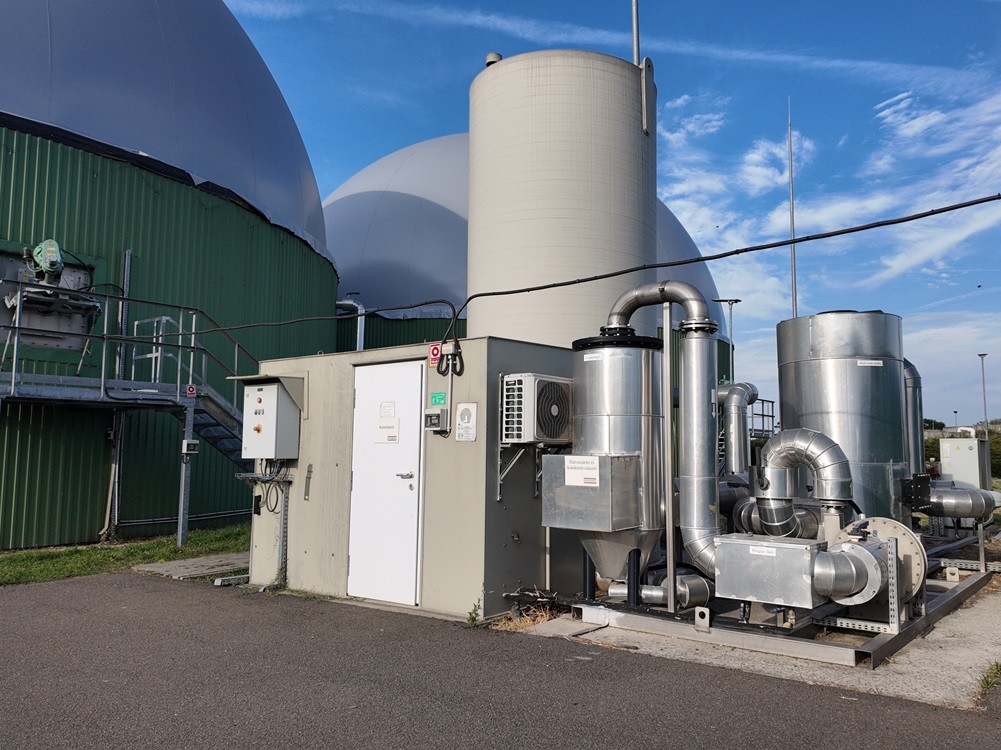

Dosing iron into the digester is one of a biogas plant's main defences against hydrogen sulphide, but iron chloride, iron hydroxide and iron oxide behave very differently – and reactivity matters more than the price per kilo.

Market data from Bavaria's state agricultural research institute show biogas plants earning 3–9 cents more per kilowatt-hour by producing in the most expensive hours instead of running at baseload, provided they invest in gas storage, larger engines and daily trading.