Professional articles
In-depth analysis, technology comparisons and interviews.
Professional content is free to read with a W4 account.Create an accountSign in


A national Swiss campaign has run every PFAS method in the Commission's guidelines side by side, and none of them can name most of the organic fluorine in wastewater.
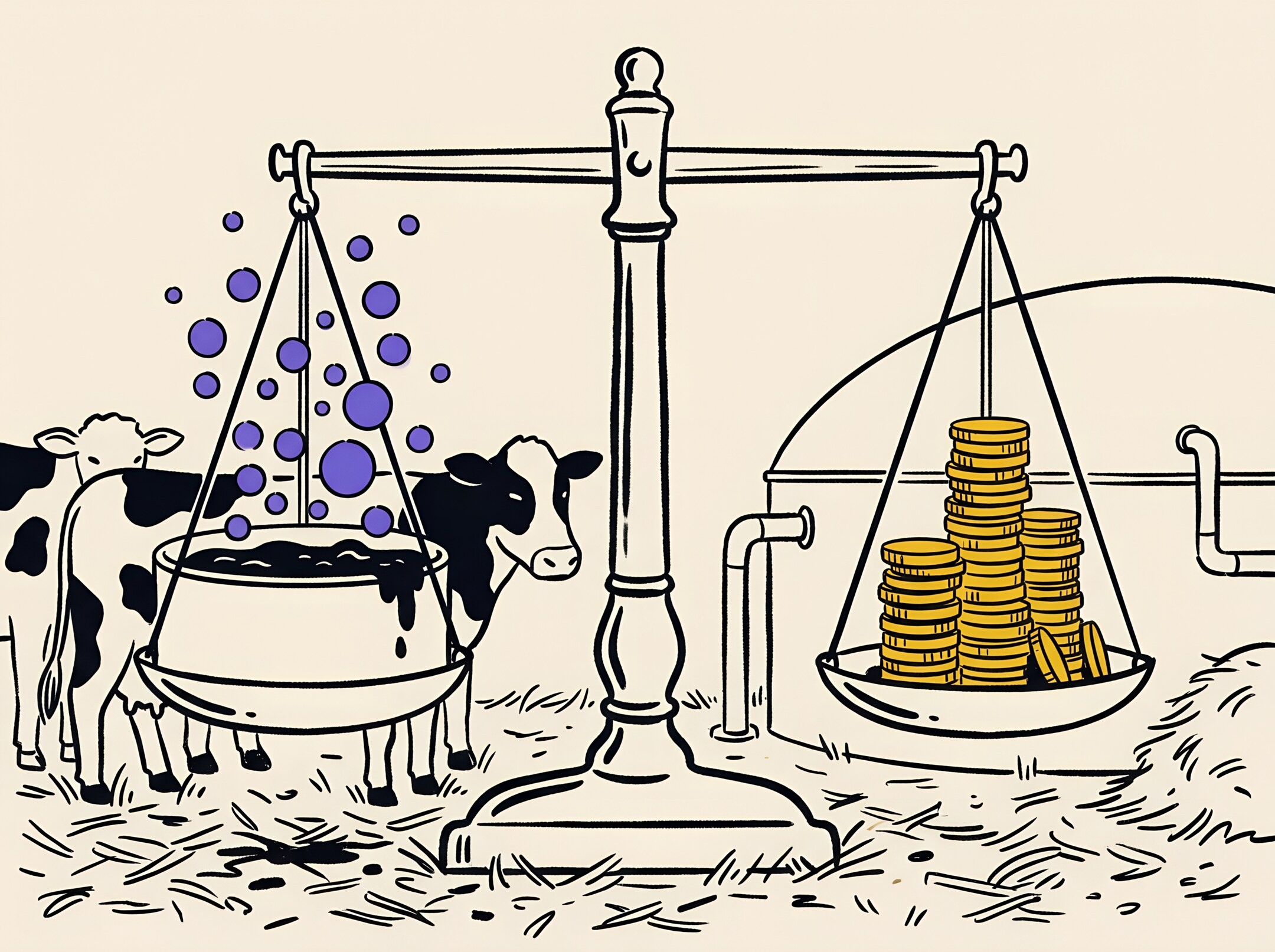

A model update in the United States quadrupled the tax credit for dairy-farm biomethane overnight, because the US credit pays for carbon intensity, while the European Union mostly measures the same performance as a pass or a fail.
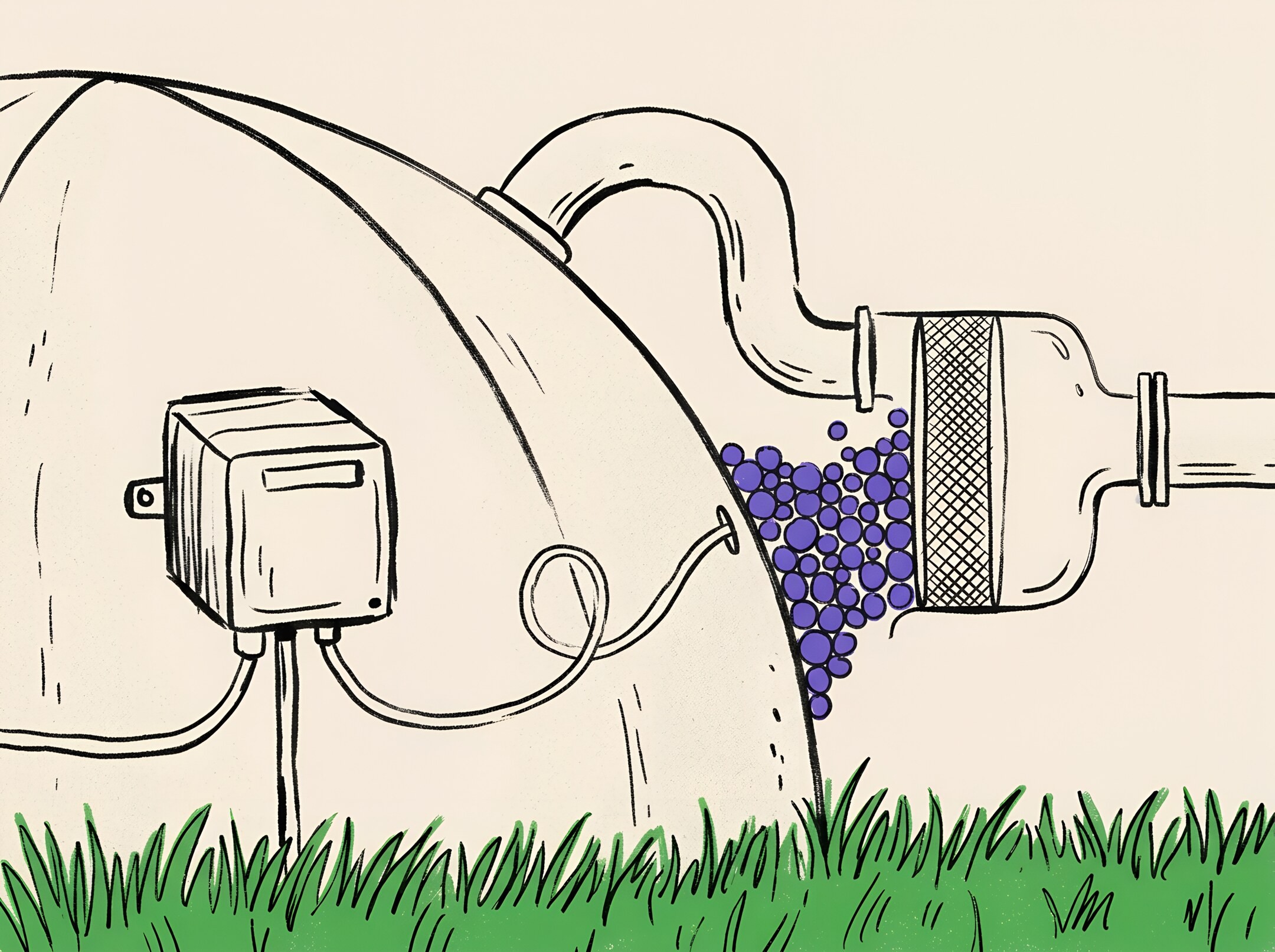
A clause buried in a gas tariff order makes oxygen a design parameter for Spanish biomethane plants, and shows how differently Europe handles a problem it hasn't yet agreed on.
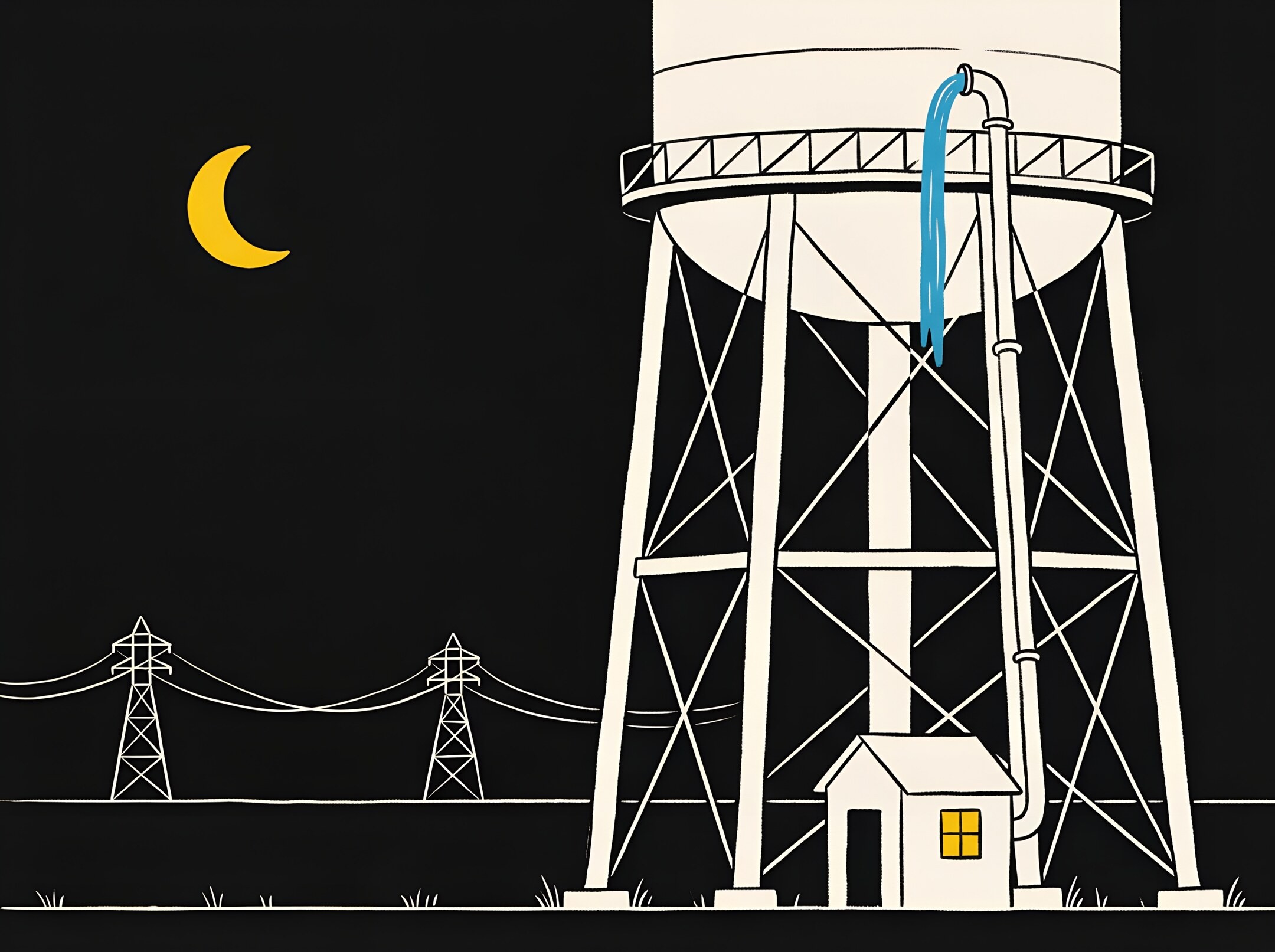
The Commission wants network tariffs to reward whoever can shift load away from the peak, and that makes pumping stations and aeration basins, which rarely feature in the debate, part of the argument.
The Commission's proposed Climate Resilience Law would give every member state the same warming path to plan against, put water security in every national plan and set deadlines that collide with the next river basin cycle.

Prague's draft law transposing the recast EU wastewater directive puts the investment bill at up to CZK 176 billion and gives a detailed view of what the rules mean for a central European member state.
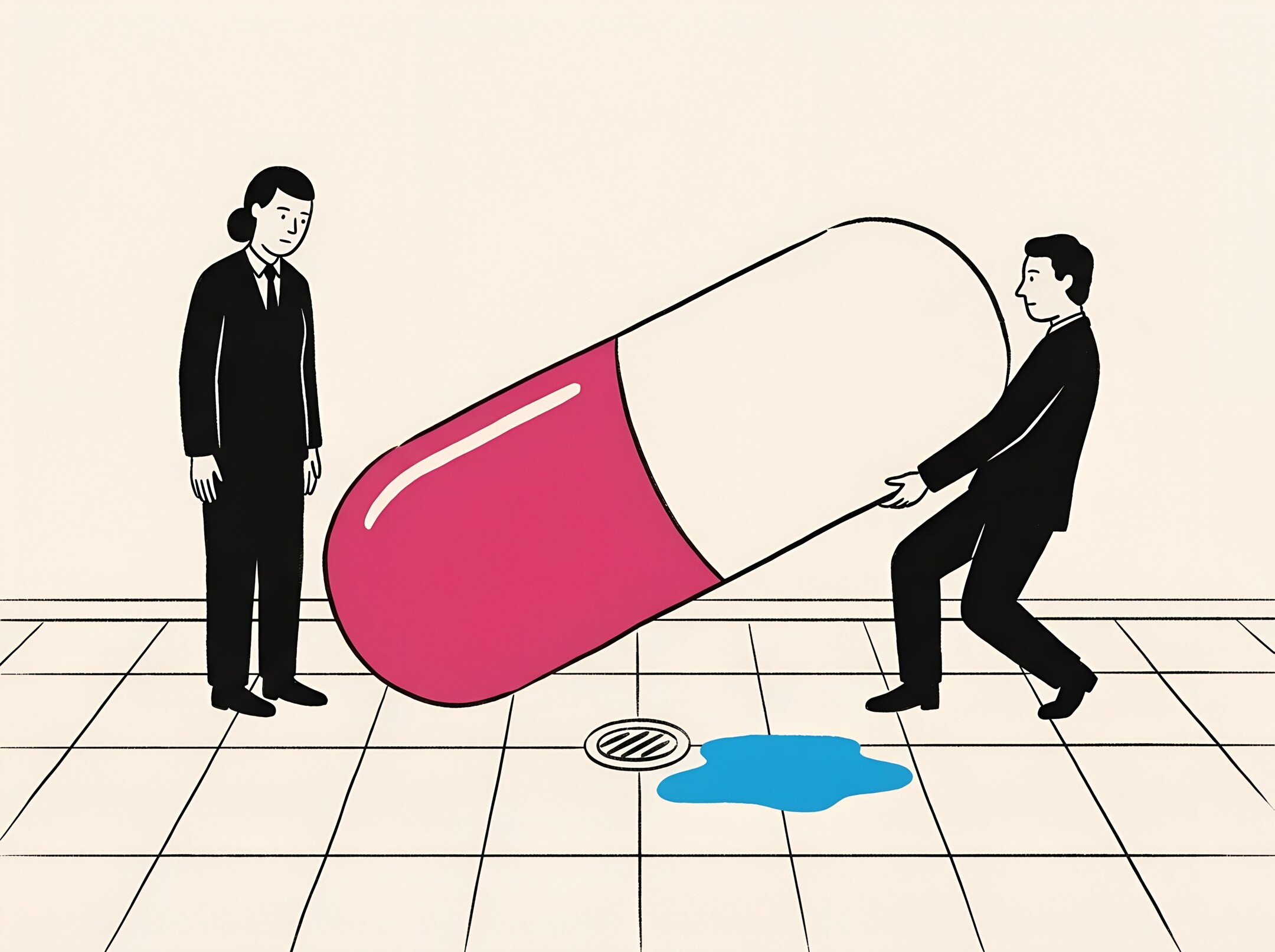
The EU's wastewater directive makes producers of medicines and cosmetics pay at least 80% of the cost of removing micropollutants, but an Advocate General's Opinion has thrown the whole financing model into doubt.
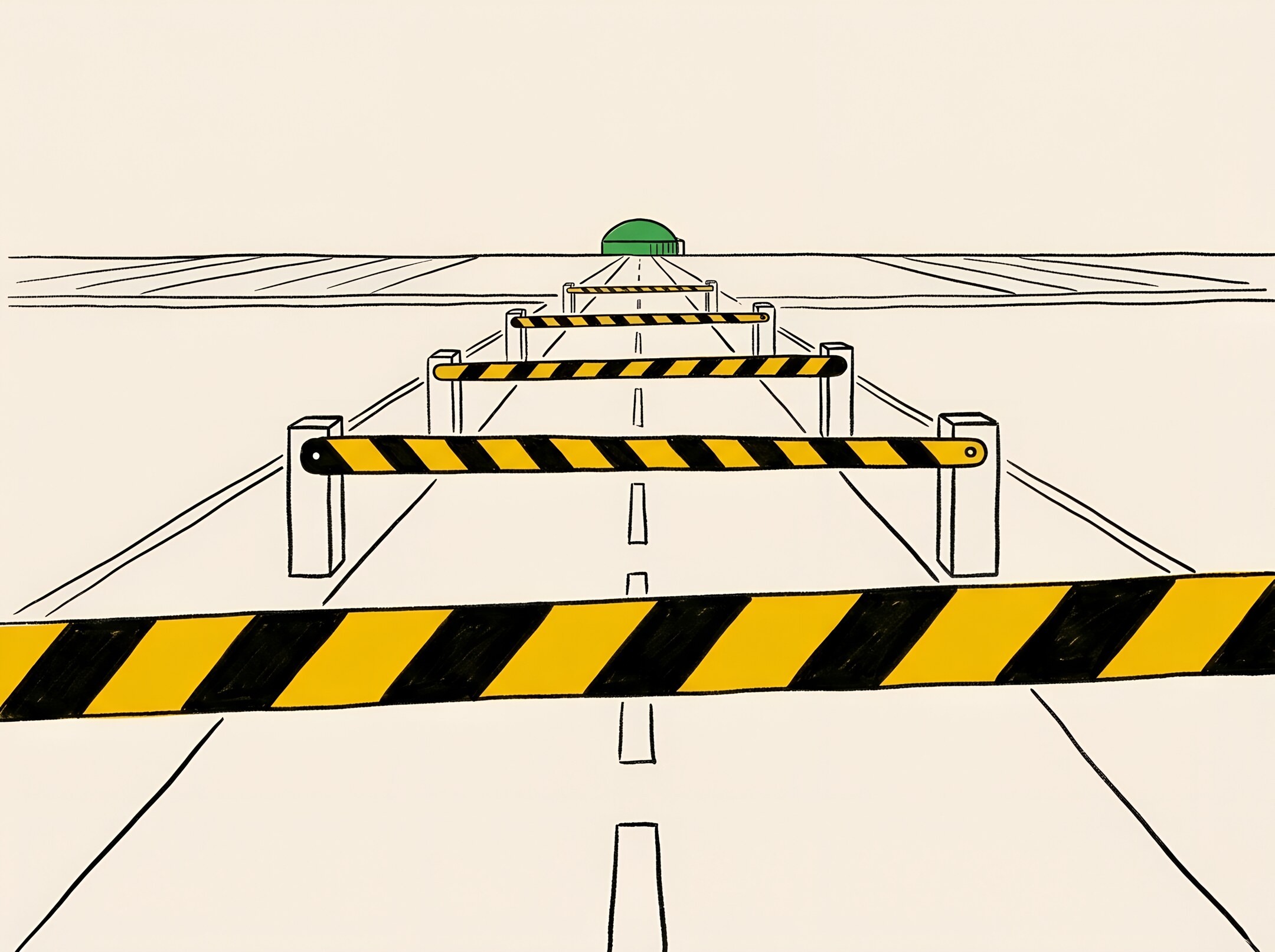
The European Biogas Association has mapped what is slowing the growth of biogas and biomethane across five areas, and points to national examples that show how each barrier can be overcome.

The Commission has promised a new water initiative to tackle leakage, while the Drinking Water Directive already sets a binding timetable for measuring and reducing network losses.
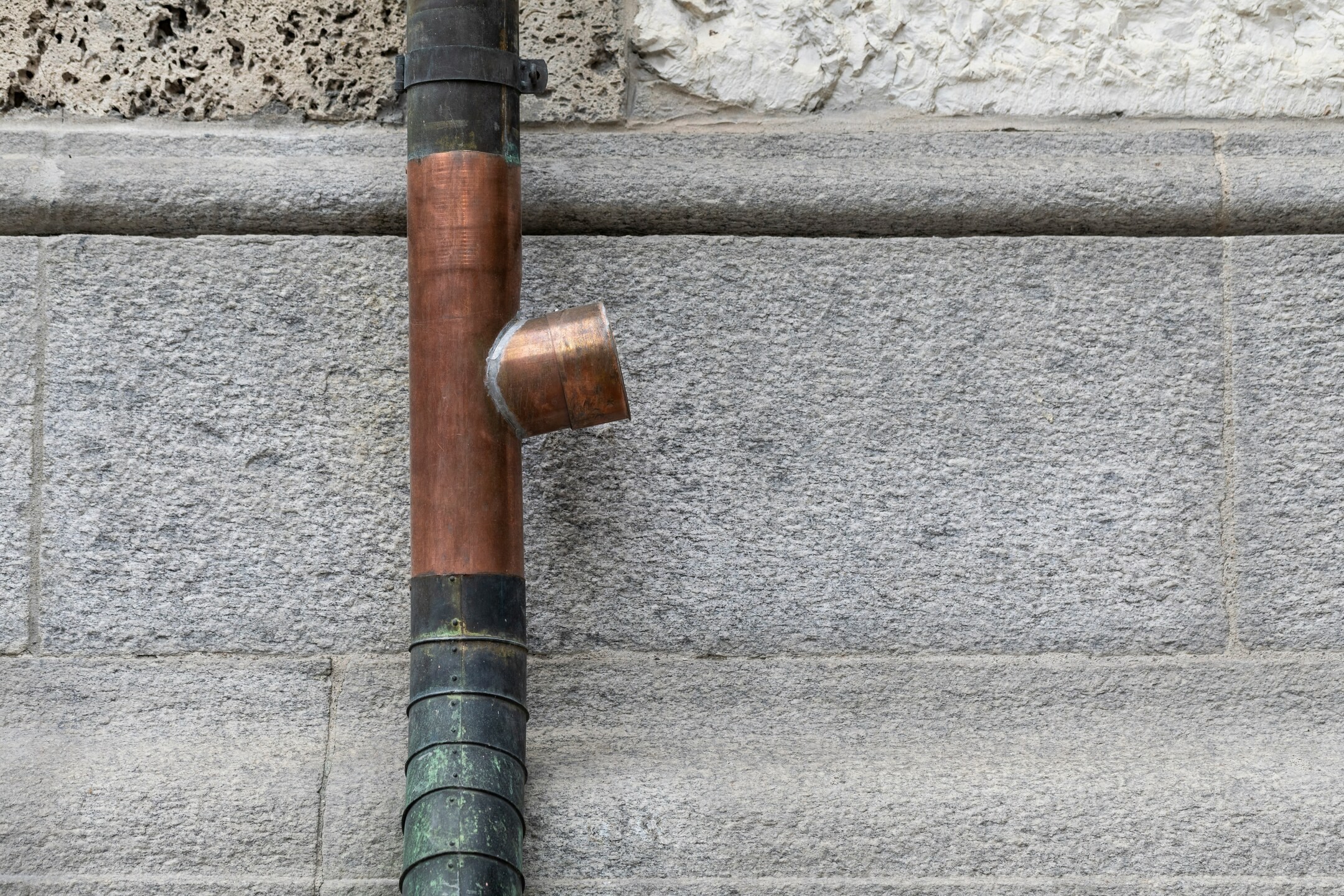
From 1 January 2027, harmonised EU hygiene requirements will apply to pipes, fittings and seals in contact with drinking water – yet a new survey suggests most manufacturers are not ready.
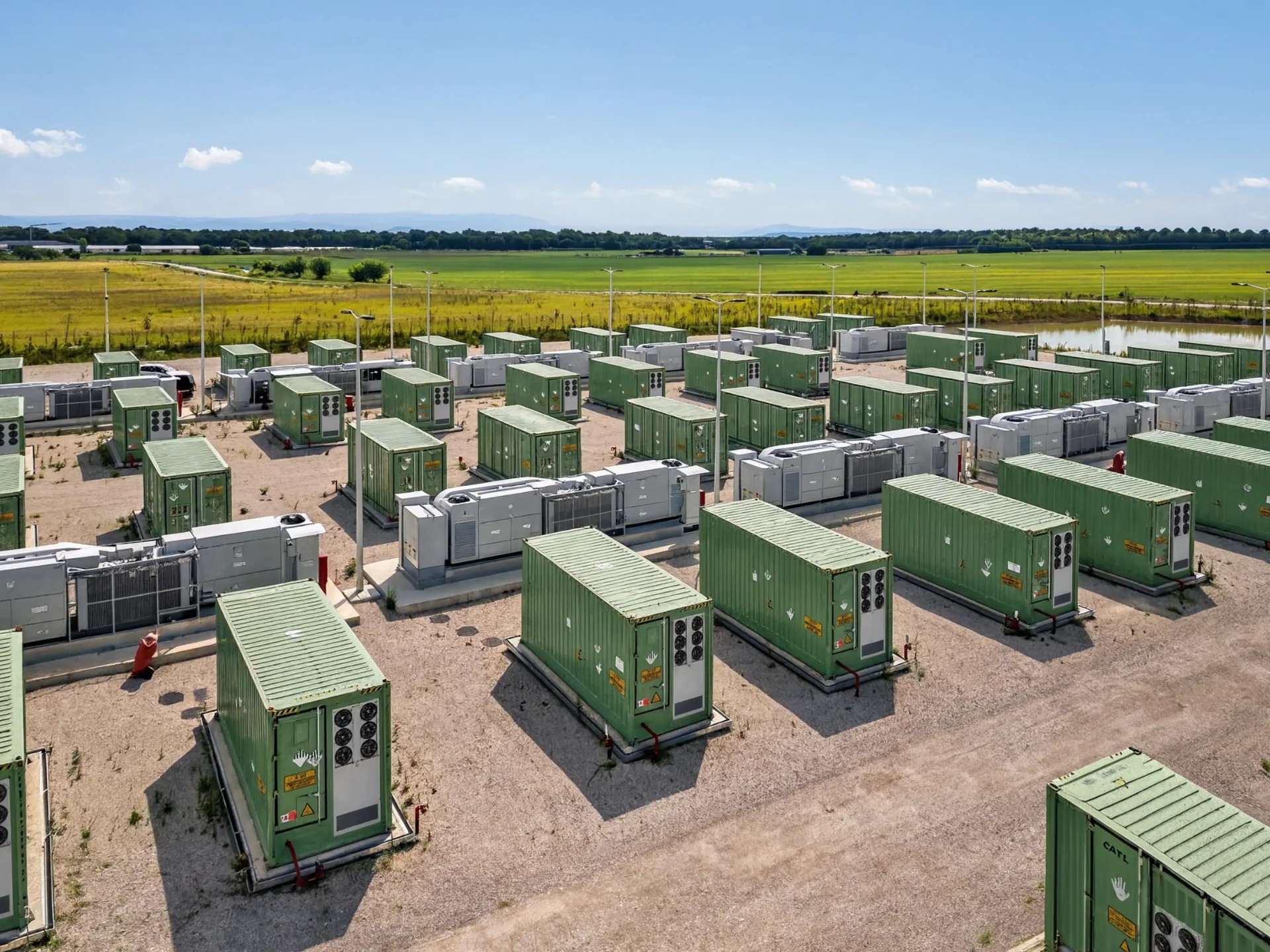
The European Commission has confirmed that 200 GW of storage capacity is needed by 2030, while EU power markets have already seen twice as many negative-price hours this year as before.
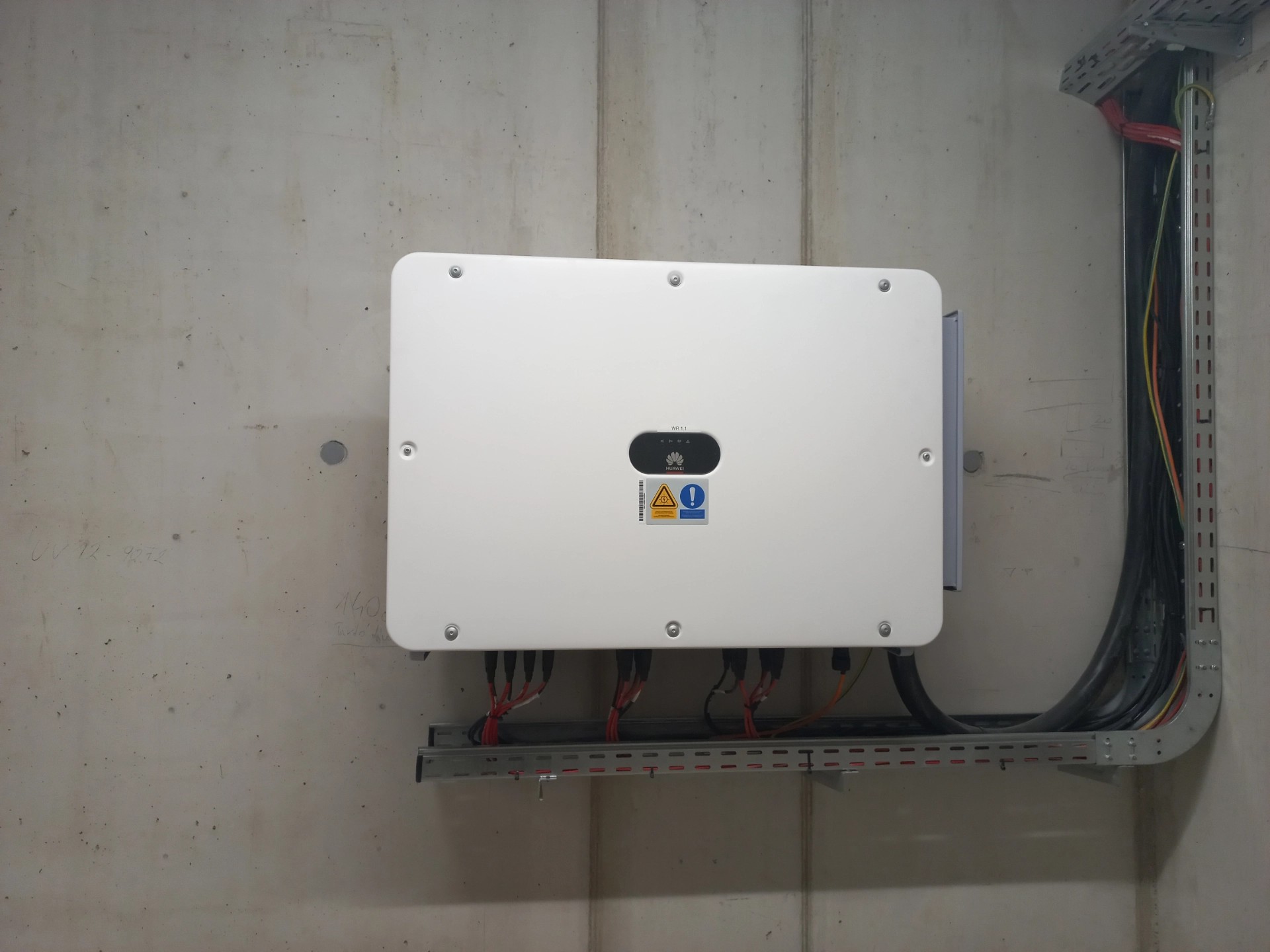
Citing cybersecurity, the European Commission is excluding solar inverters from high-risk countries – mainly China – from EU funding; according to Fluence's head of regulatory affairs, the decision is already actively shaping buyer behaviour.