What EU Grid Charges Mean for Water Utilities
Grid fees are the part of the electricity bill that a utility has rarely tried to manage. It pays them, books them and moves on. A proposal now before EU energy ministers would make that harder, by requiring network tariffs to reward users who can move load away from the moments when the grid is under pressure (European Commission, 2026a).
The text talks about data centres, energy-intensive industry and storage, and never mentions a pumping station or an aeration basin. Yet few customers fit its logic better than a water or wastewater utility: a large, round-the-clock load, partly movable, often with a generator on site. What follows is our reading of what the proposal would mean for them.
What the proposal would change
The Commission published the proposal in July, as an amendment to Regulation (EU) 2019/943, in response to the European Council's call in March for targeted measures on every component of the electricity price (Council of the European Union, 2026). The Commission says network charges represent roughly a quarter of household bills, and that making them more system-friendly can reduce costs for all consumers. It gives no figure for the bill savings (European Commission, 2026b).


A new KfW study says Germany must more than double its yearly climate investment, and it leaves the hardest financing problem on the balance sheets of municipal utilities.
The International Energy Agency has reviewed 134 policies and regulations for fitting data centres into power systems, and its clearest lesson is that a flexible connection is faster than waiting for firm capacity.
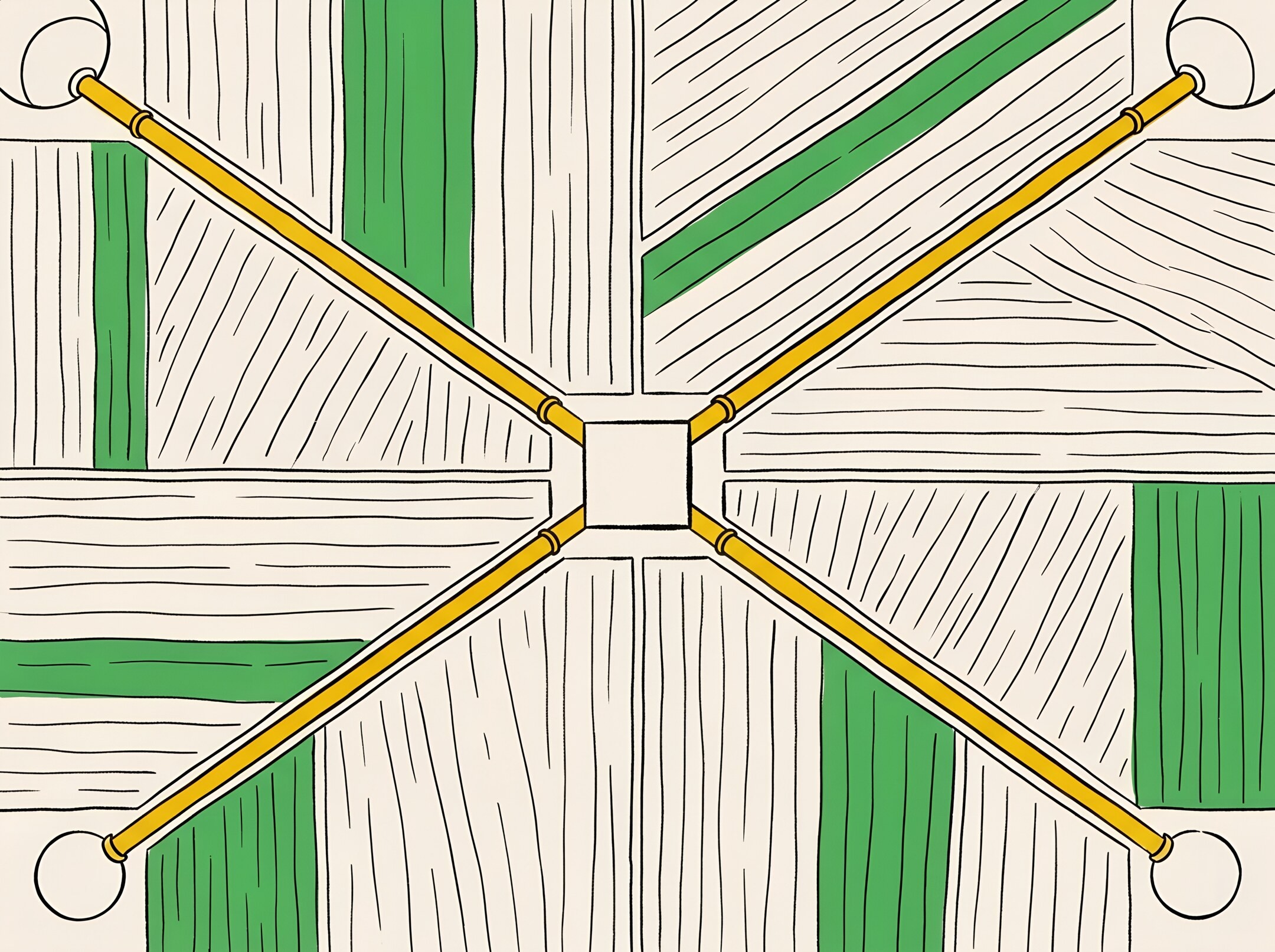
Calculations by the DVGW research centre in Karlsruhe show that if small biogas plants reach the gas grid through a shared upgrading unit and injection point, investment falls by up to 55% and the biomethane injected rises by 16% compared with connecting plants one by one.
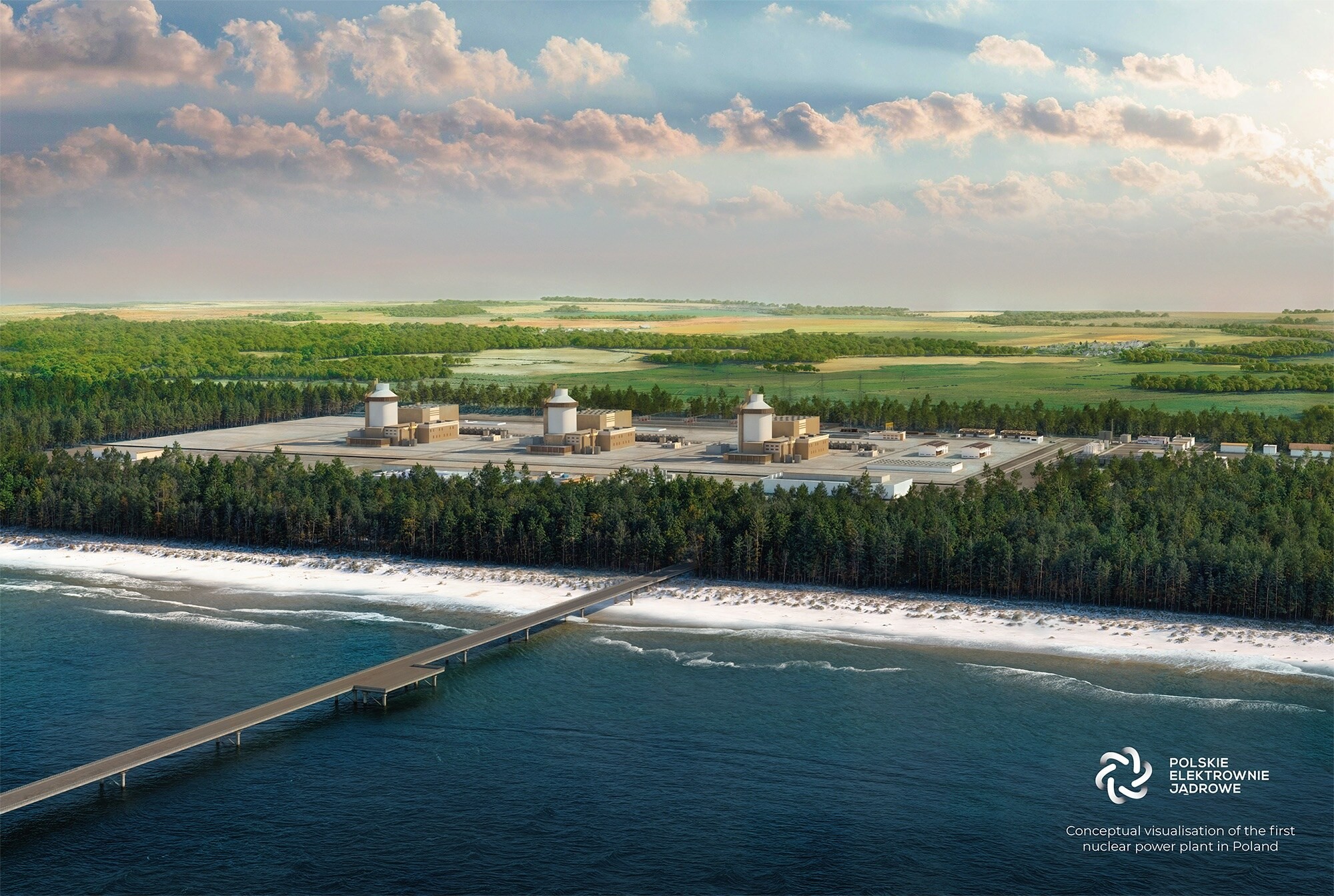
In a single week Westinghouse placed orders with Polish suppliers, ČEZ filed the environmental documentation for its small modular reactor and Slovakia took full control of its Bohunice project, as the region's four nuclear programmes take four different routes.