What Brussels' Resilience Law Asks of Water Planners
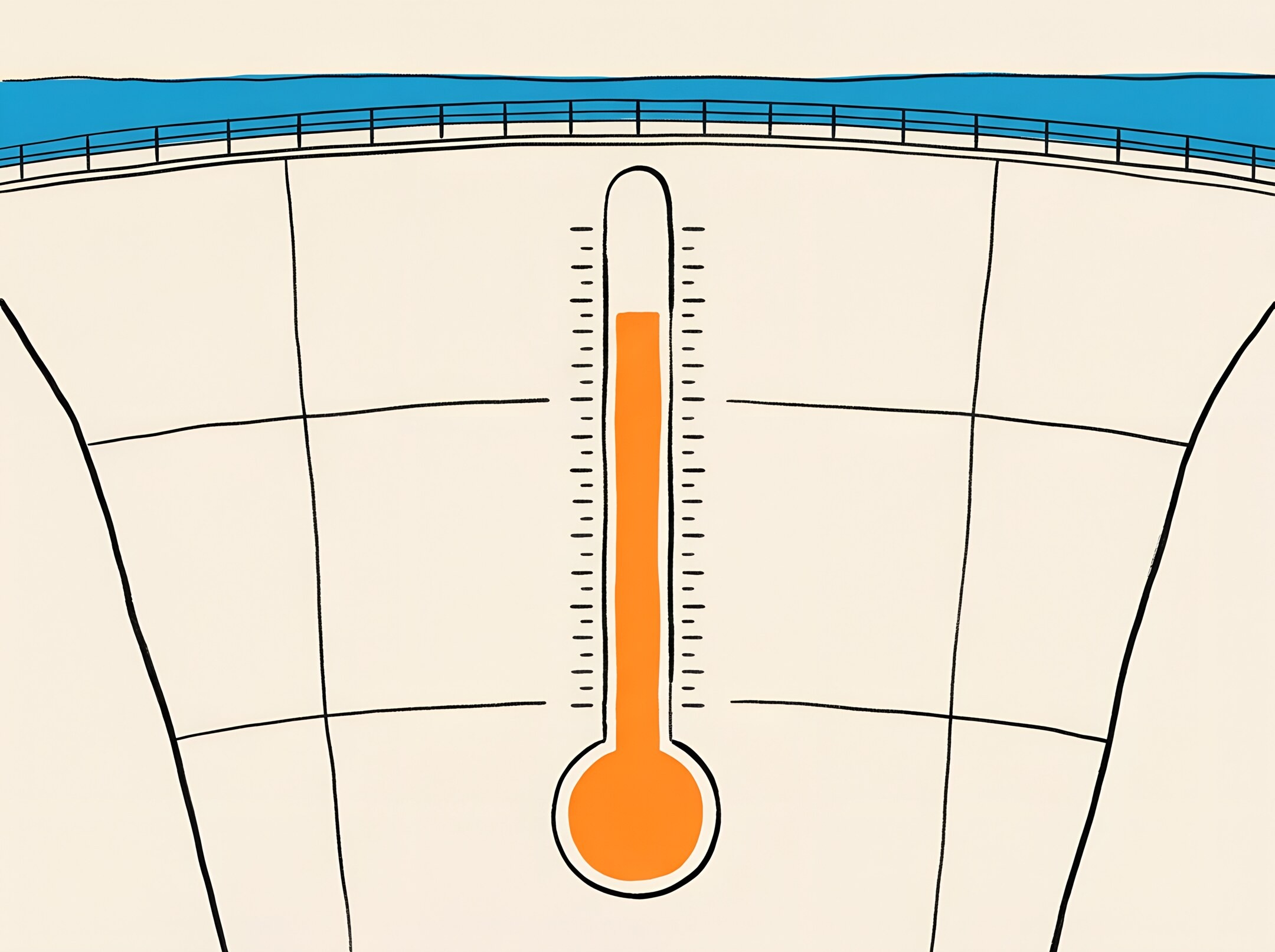
Reservoirs, transfers and sewers are built to last for decades, and their sizing depends on an assumption about the climate they will serve. So far, each country in Europe has picked its own. On 27 October the European Commission proposed to change that with a European Climate Resilience Law, which would give every member state the same warming path to plan against (European Commission, 2026b).
The proposal sets no water targets and leaves the Water Framework Directive as it is. It would still reach water planners quickly, through a shared baseline, firm dates and a new duty to say how much risk they are prepared to accept. This is what it asks, and what can be done before it becomes law.
A shared warming path, and it is only the floor
Annex I of the proposal defines the reference trajectory as an increase in multi-decadal global average surface temperature of 1.5 °C by 2030, 2 °C by 2050 and 3 °C by the end of the century, measured against the 1850–1900 average. The recitals explain why: a common baseline makes plans comparable and improves coherence across borders and across policies, and river basins are named among the systems that span national boundaries.

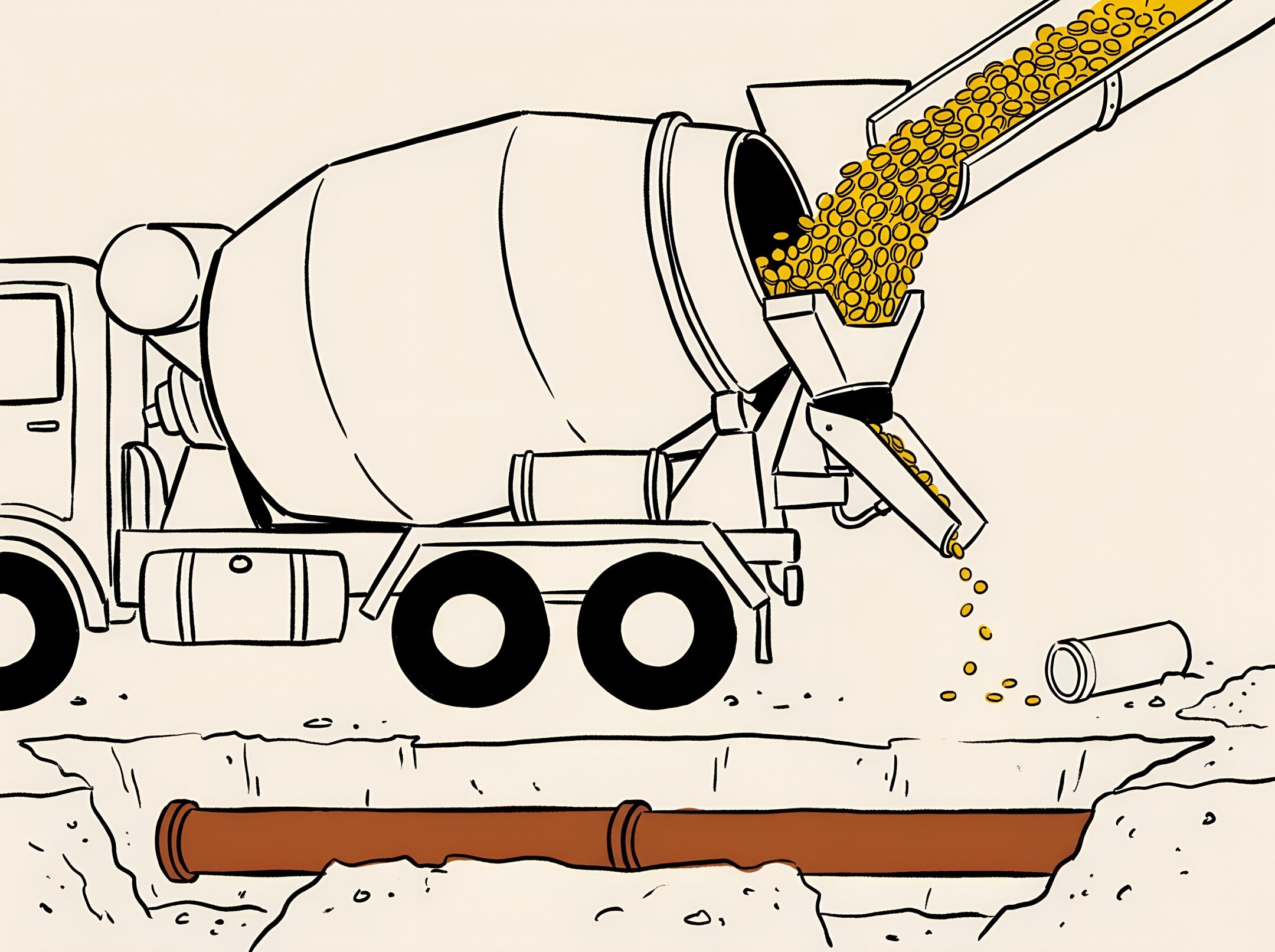

Europe's water utilities are investing 16% more than a year ago, but EurEau's latest figures show that construction inflation absorbed most of the increase and that pipe renewal has not sped up.
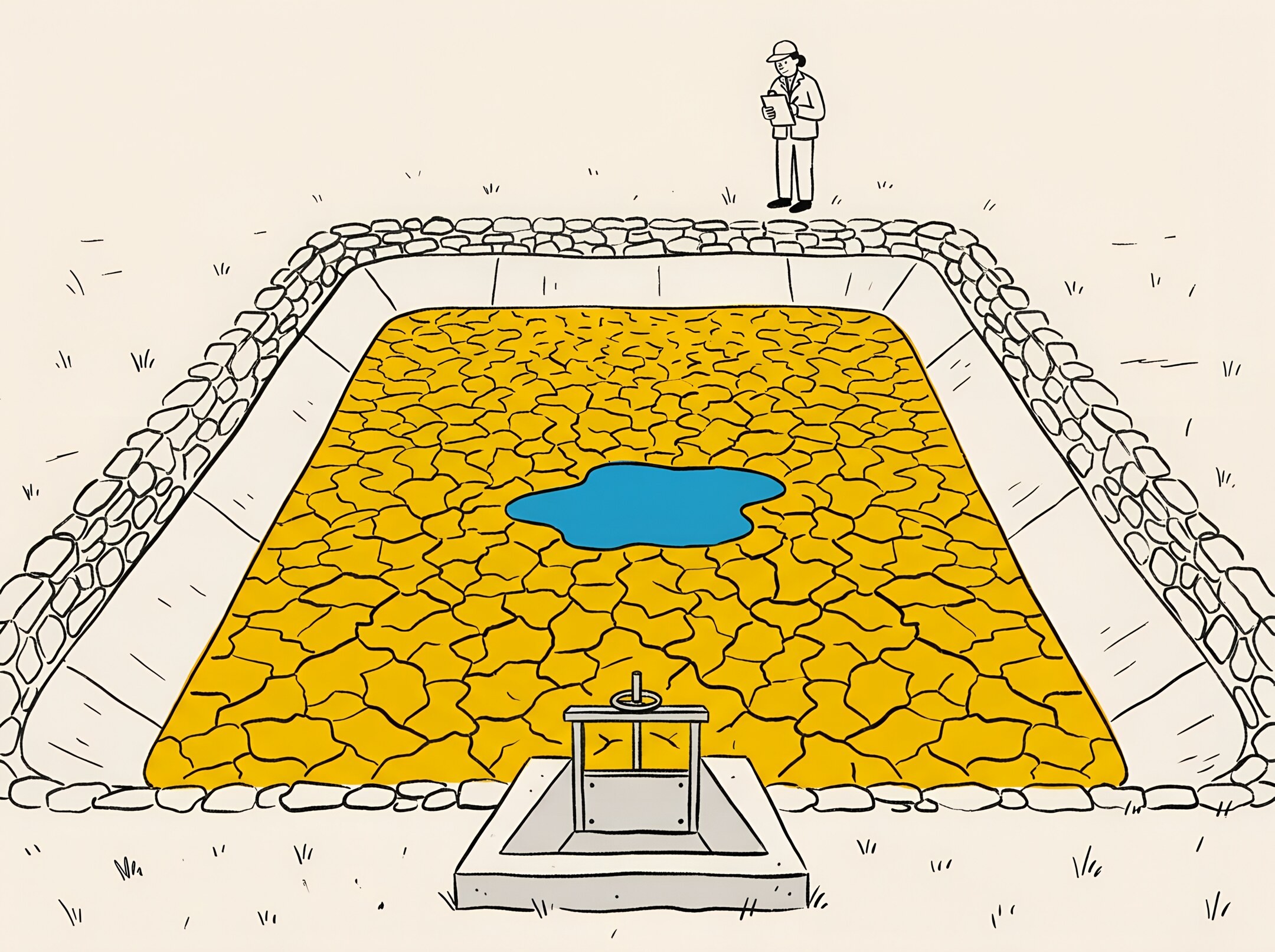

The Czech agriculture ministry can list pipelines, ponds and hectares after nine years of drought spending, but in the worst groundwater summer in decades it cannot yet show what they changed.
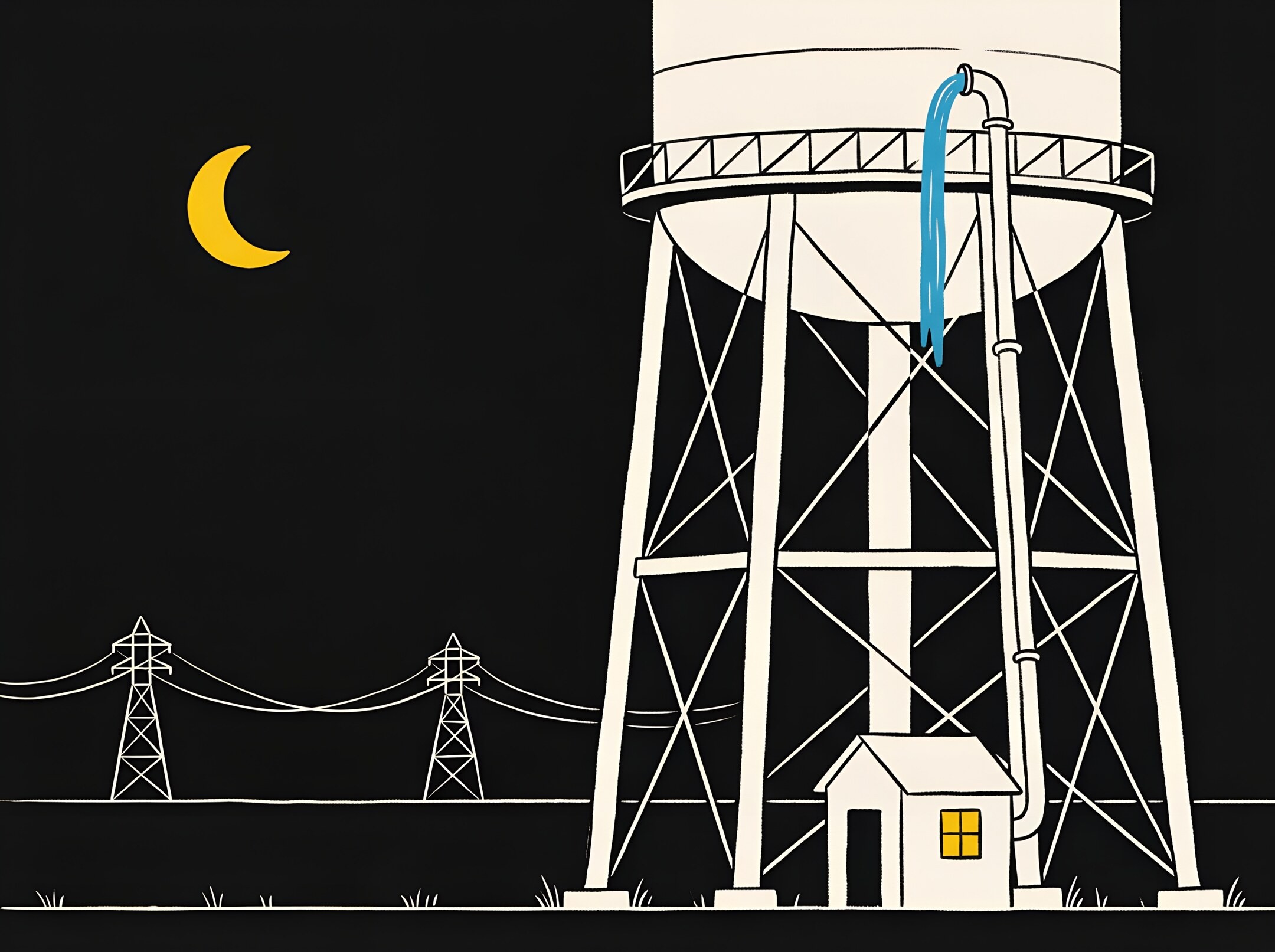
The Commission wants network tariffs to reward whoever can shift load away from the peak, and that makes pumping stations and aeration basins, which rarely feature in the debate, part of the argument.
Researchers in China have used a global model to work out where solar-driven interfacial evaporation could supply drinking water, and how much – a promising result in which the assumptions matter as much as the headline.