Not Every Drought Reaches the River
Drought is usually measured from the sky down. Indices built on precipitation and on the atmosphere's demand for evaporation show that most of the world has been drying over the past four decades, and evaporative demand keeps rising as the climate warms. For a water utility, though, the question that counts is narrower: how much less water will be in the river, the reservoir or the aquifer it draws from? A global study of streamflow records suggests that the answer cannot be read off the climate signal.
Drying air, uneven rivers
Guo et al. (2026) compiled streamflow observations from about 19,000 catchments worldwide, drawn from 29 global and regional hydrometric networks, and compared hydrological drought with atmospheric drought between 1981 and 2019. Hydrological drought was measured with a standardised streamflow index, atmospheric drought with the standardised precipitation evapotranspiration index (SPEI), which combines rainfall with evaporative demand.
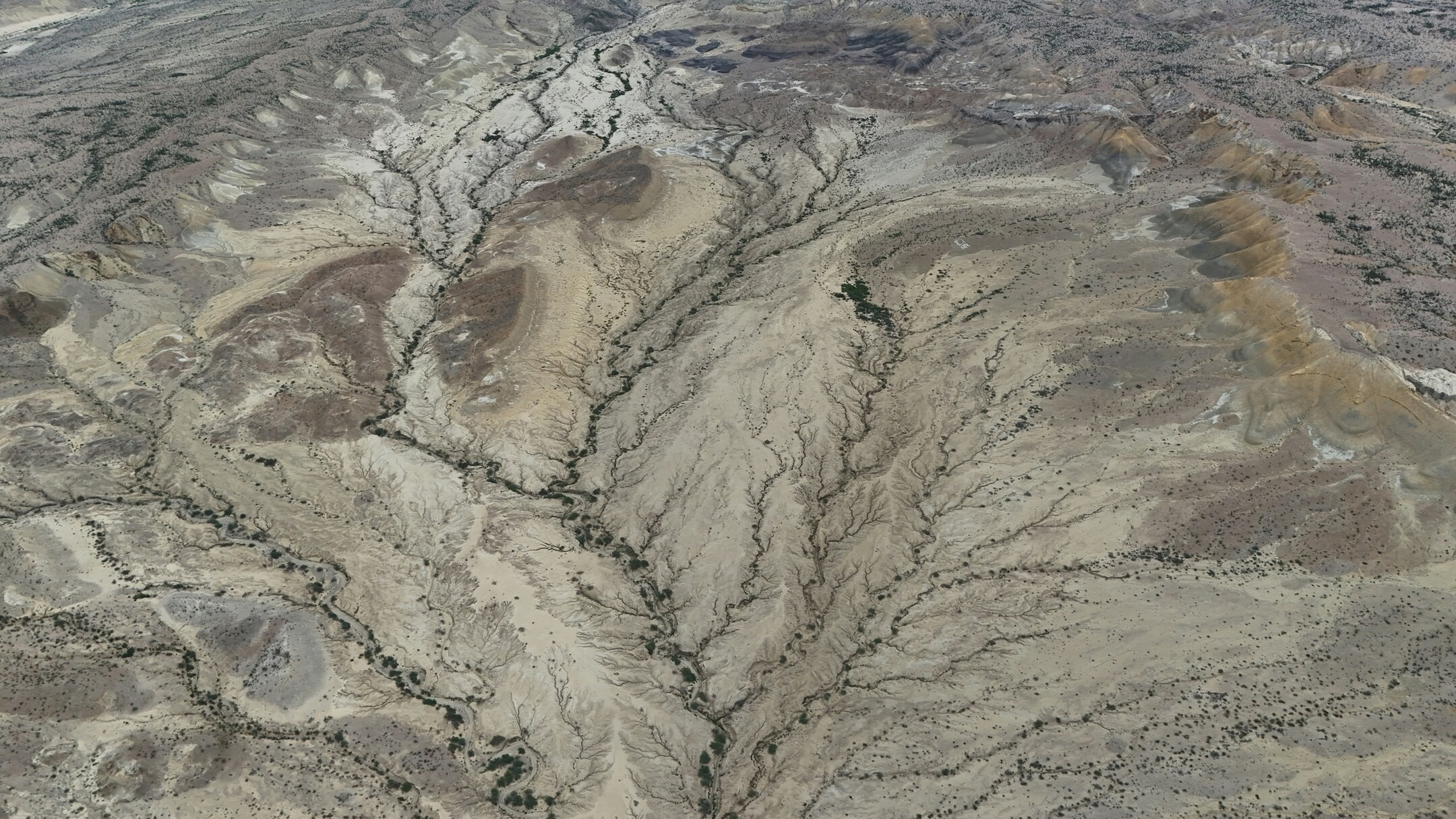
The two pictures do not match. Over the four decades, atmospheric drought trends point broadly towards drying. Streamflow drought trends are substantially more heterogeneous: some catchments dried markedly, others barely changed, and some became wetter. At the global scale, the change in river-flow drought is highly variable from place to place.

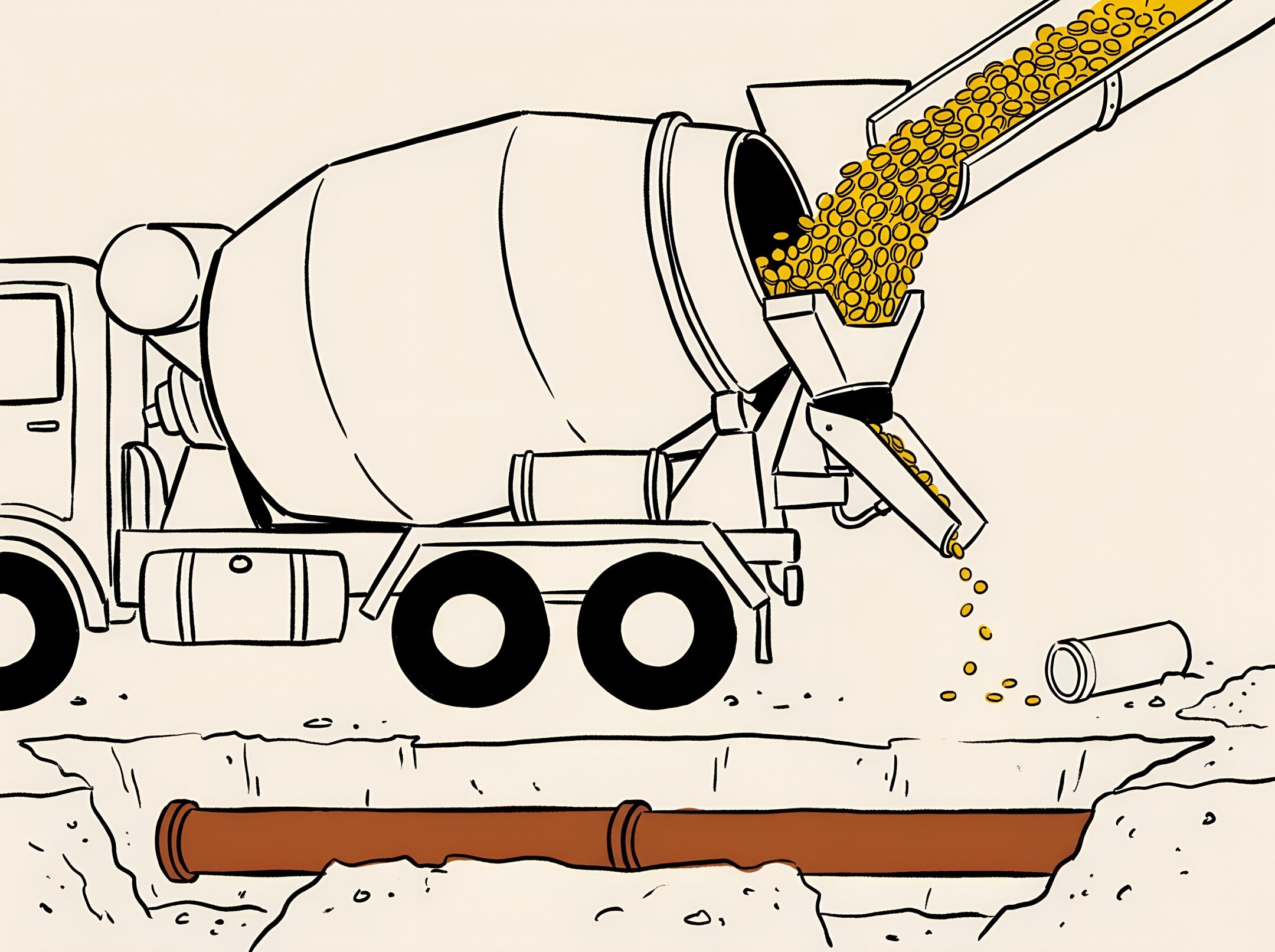

Europe's water utilities are investing 16% more than a year ago, but EurEau's latest figures show that construction inflation absorbed most of the increase and that pipe renewal has not sped up.
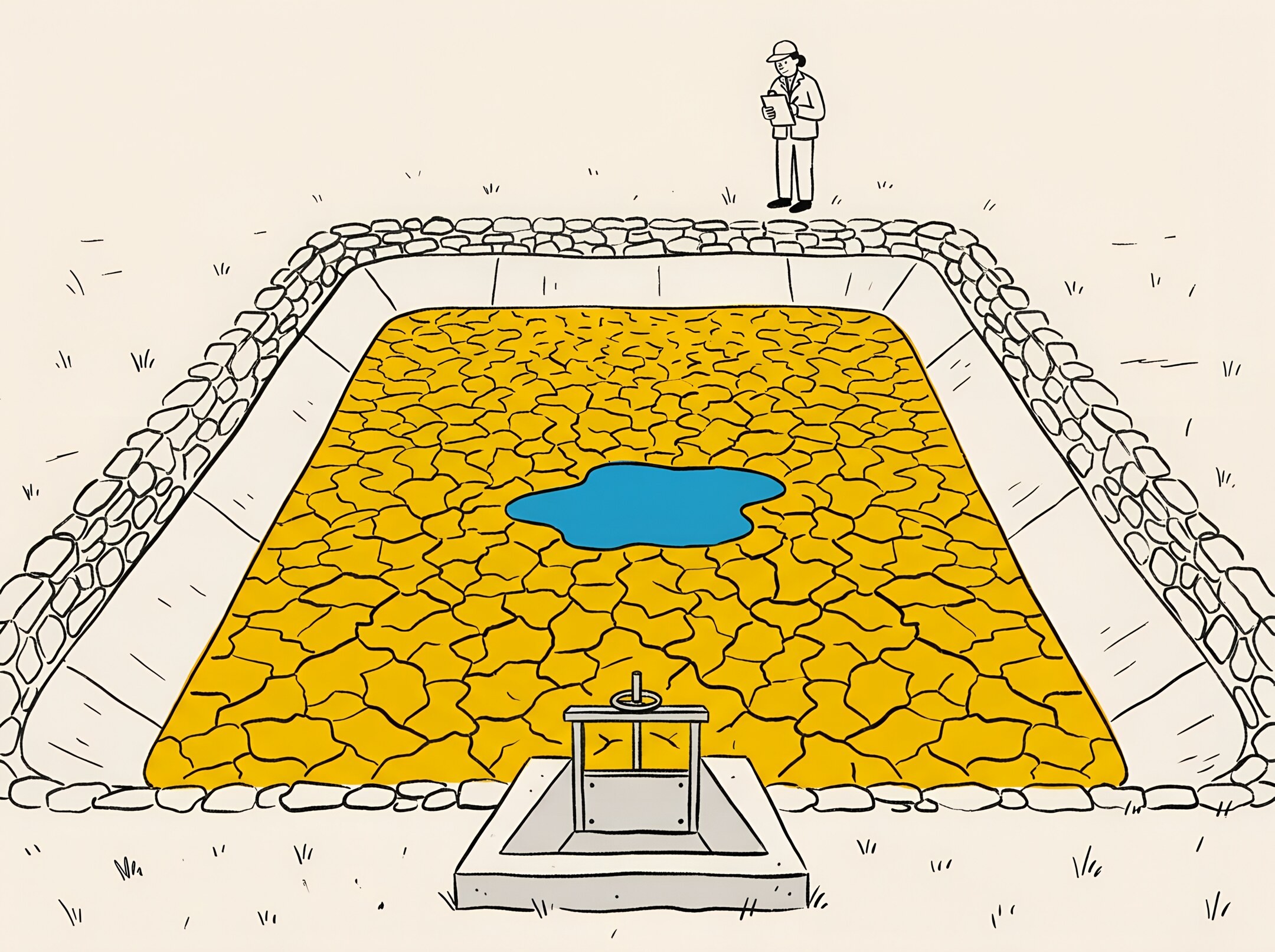

The Czech agriculture ministry can list pipelines, ponds and hectares after nine years of drought spending, but in the worst groundwater summer in decades it cannot yet show what they changed.
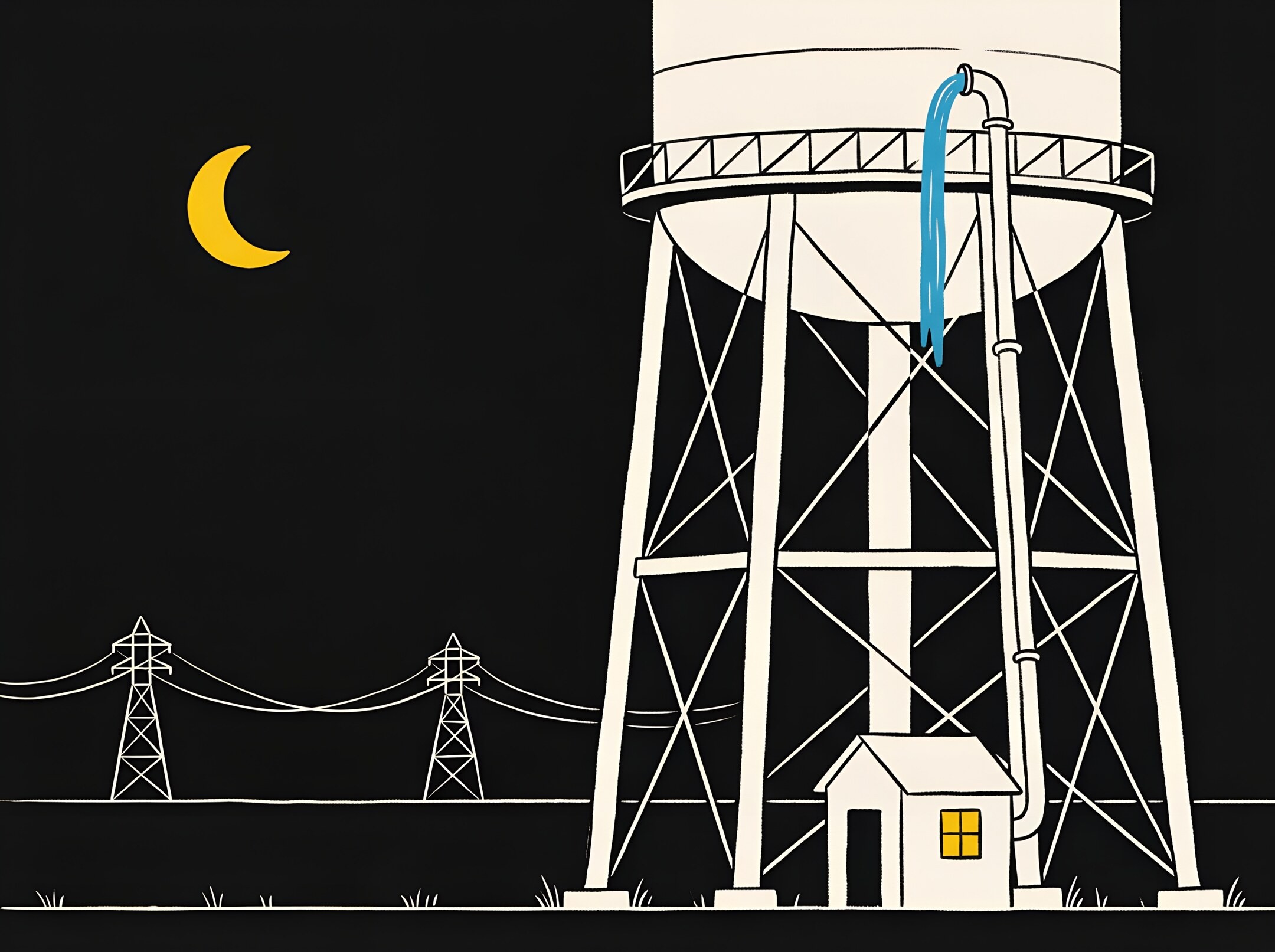
The Commission wants network tariffs to reward whoever can shift load away from the peak, and that makes pumping stations and aeration basins, which rarely feature in the debate, part of the argument.
The Commission's proposed Climate Resilience Law would give every member state the same warming path to plan against, put water security in every national plan and set deadlines that collide with the next river basin cycle.