Colorado Basin Groundwater Is Vanishing Faster Than Thought
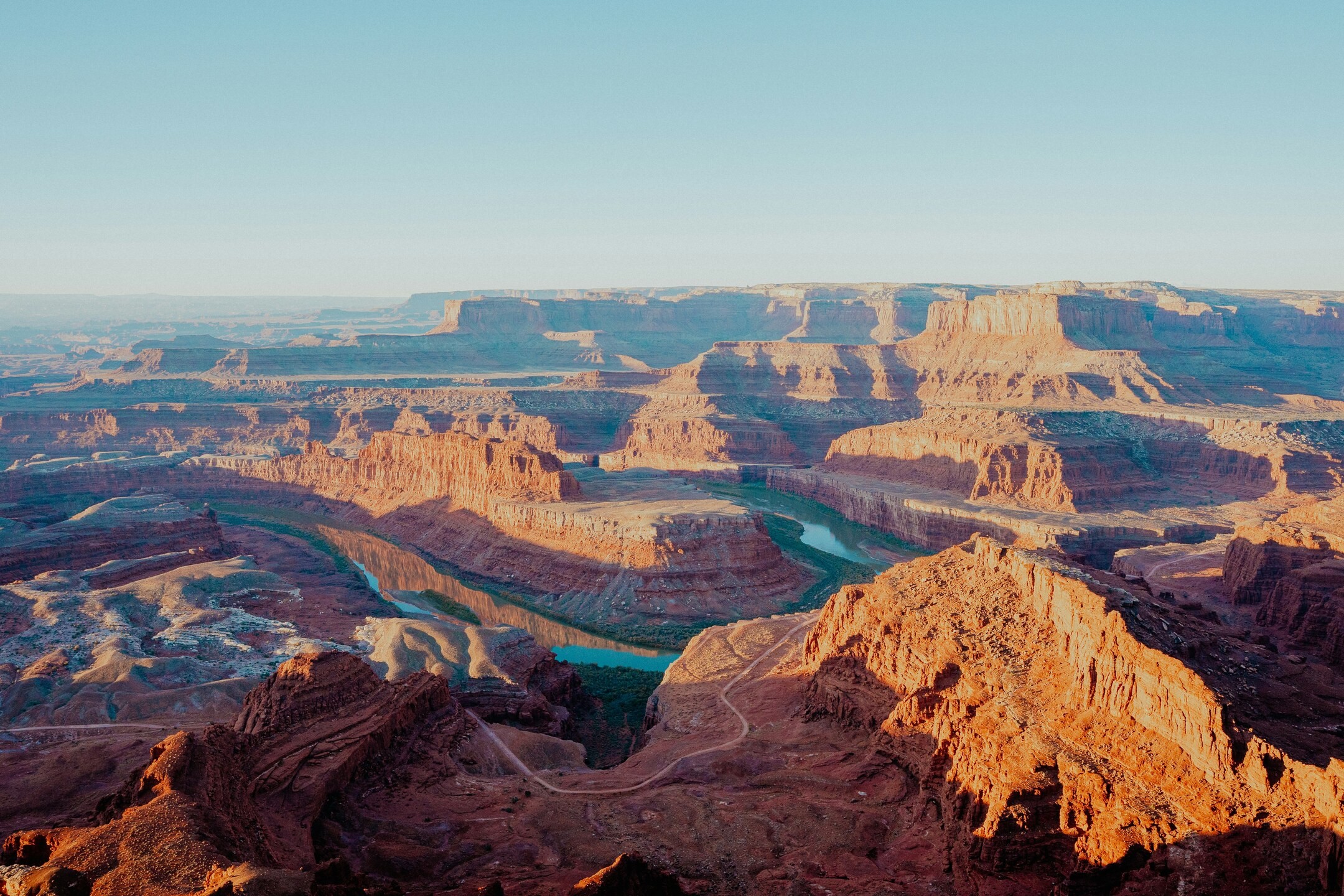
Water shortages in the Colorado River Basin are usually measured by what can be seen: the levels of Lake Mead and Lake Powell and the flow of the river. A study by Virginia Tech researchers (Oyedele et al., 2026) shows that something faster is happening below ground. The basin's groundwater has been shrinking for two decades, and in the latest drought the largest losses came where they were least expected – in the snow-fed Upper Basin.
Tracking groundwater by gravity
Groundwater is stored in aquifers and, unlike lakes and reservoirs, cannot be measured from the surface. Monitoring wells provide valuable data, but in a basin of this size they are scattered, and in the Upper Basin they are particularly sparse.
The researchers therefore turned to NASA's GRACE and GRACE-FO satellites. Water has weight: when a region gains or loses large amounts of it, its gravitational pull changes very slightly, and the satellite pair can detect the difference. Subtracting the water held in reservoirs, snow and soil from the change in total storage gives an estimate of the change in groundwater. The team added copula-based statistical modelling to estimate how likely surface water shortages are to coincide with groundwater drought.

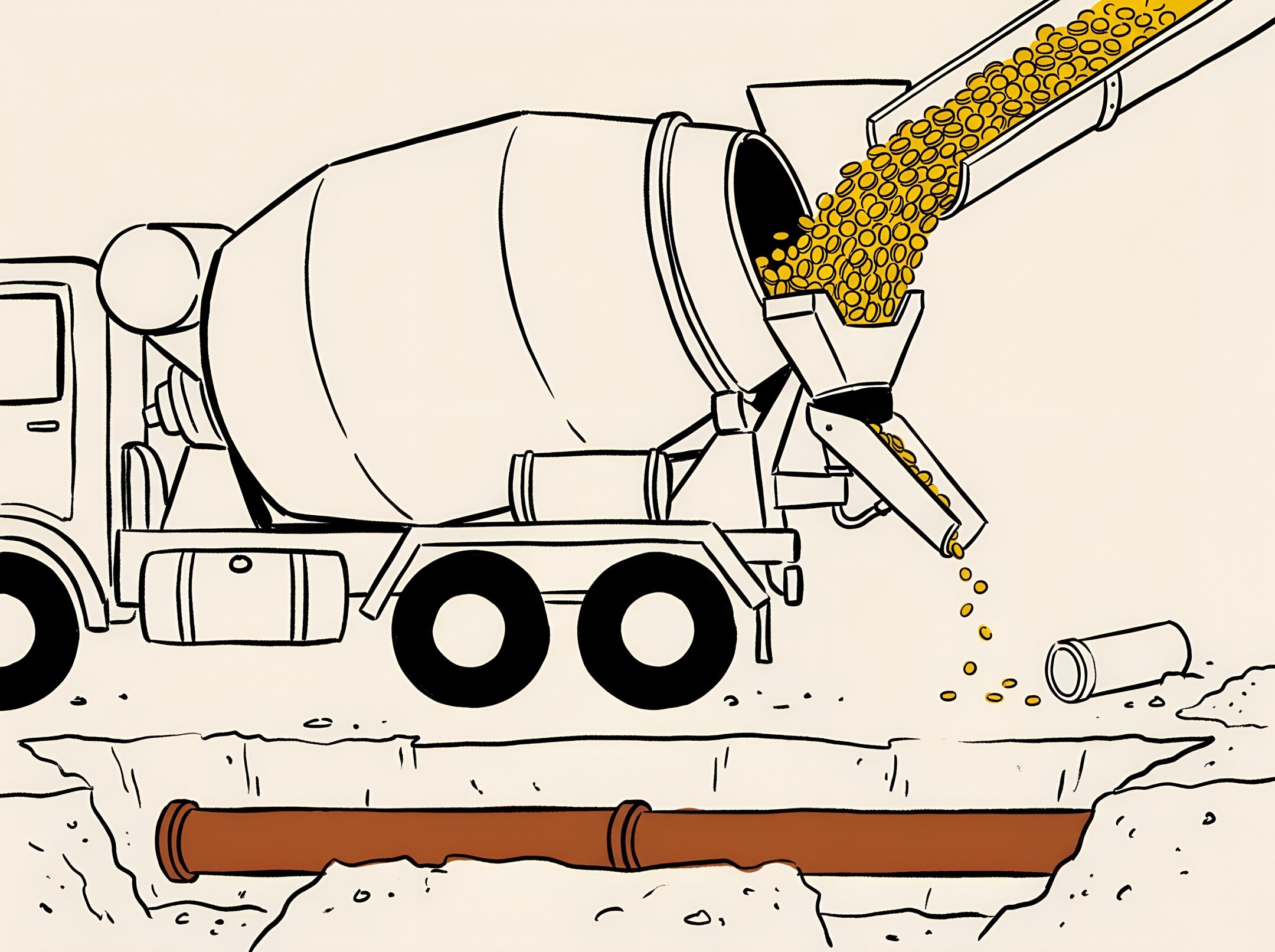

Europe's water utilities are investing 16% more than a year ago, but EurEau's latest figures show that construction inflation absorbed most of the increase and that pipe renewal has not sped up.
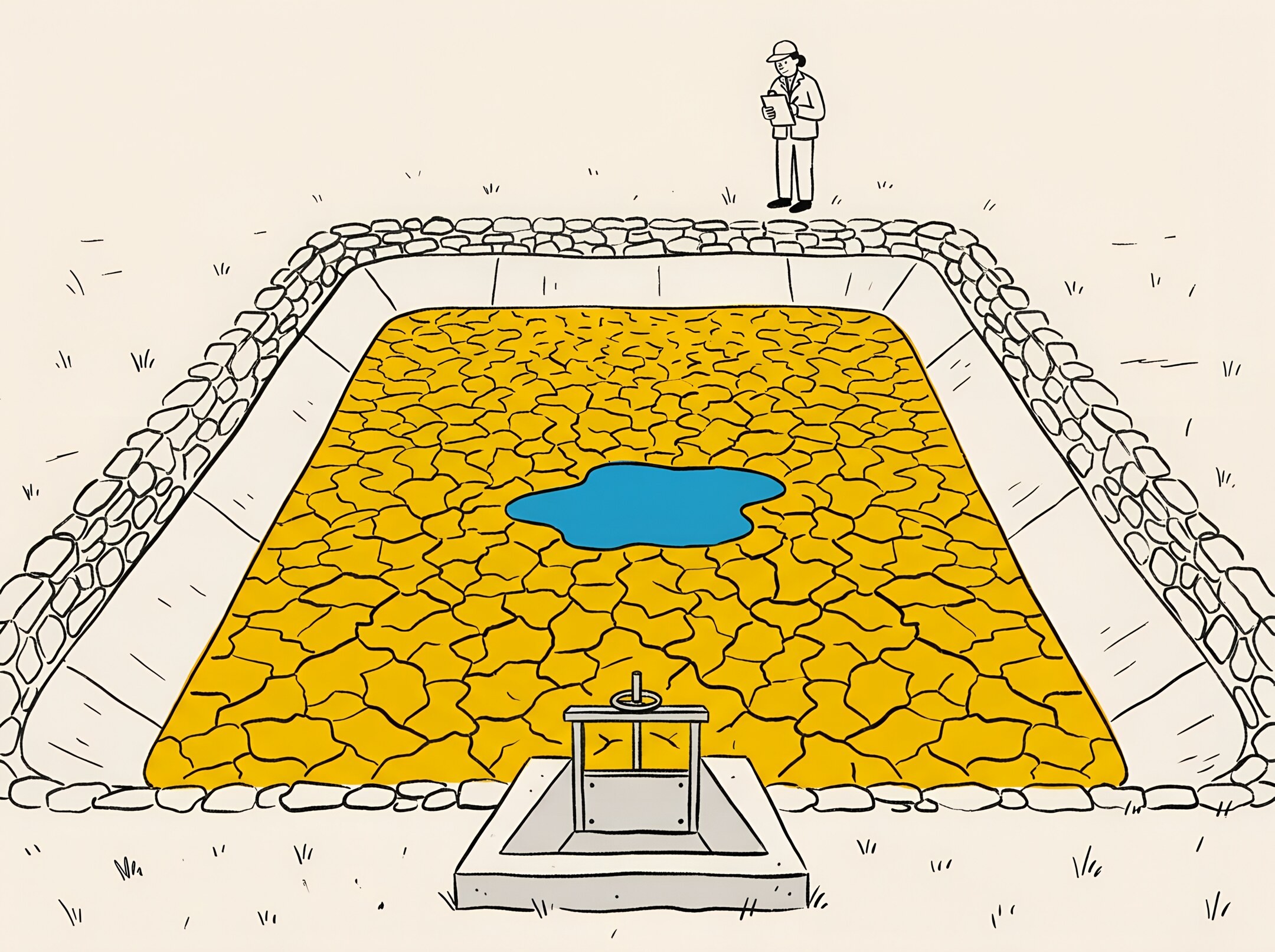

The Czech agriculture ministry can list pipelines, ponds and hectares after nine years of drought spending, but in the worst groundwater summer in decades it cannot yet show what they changed.
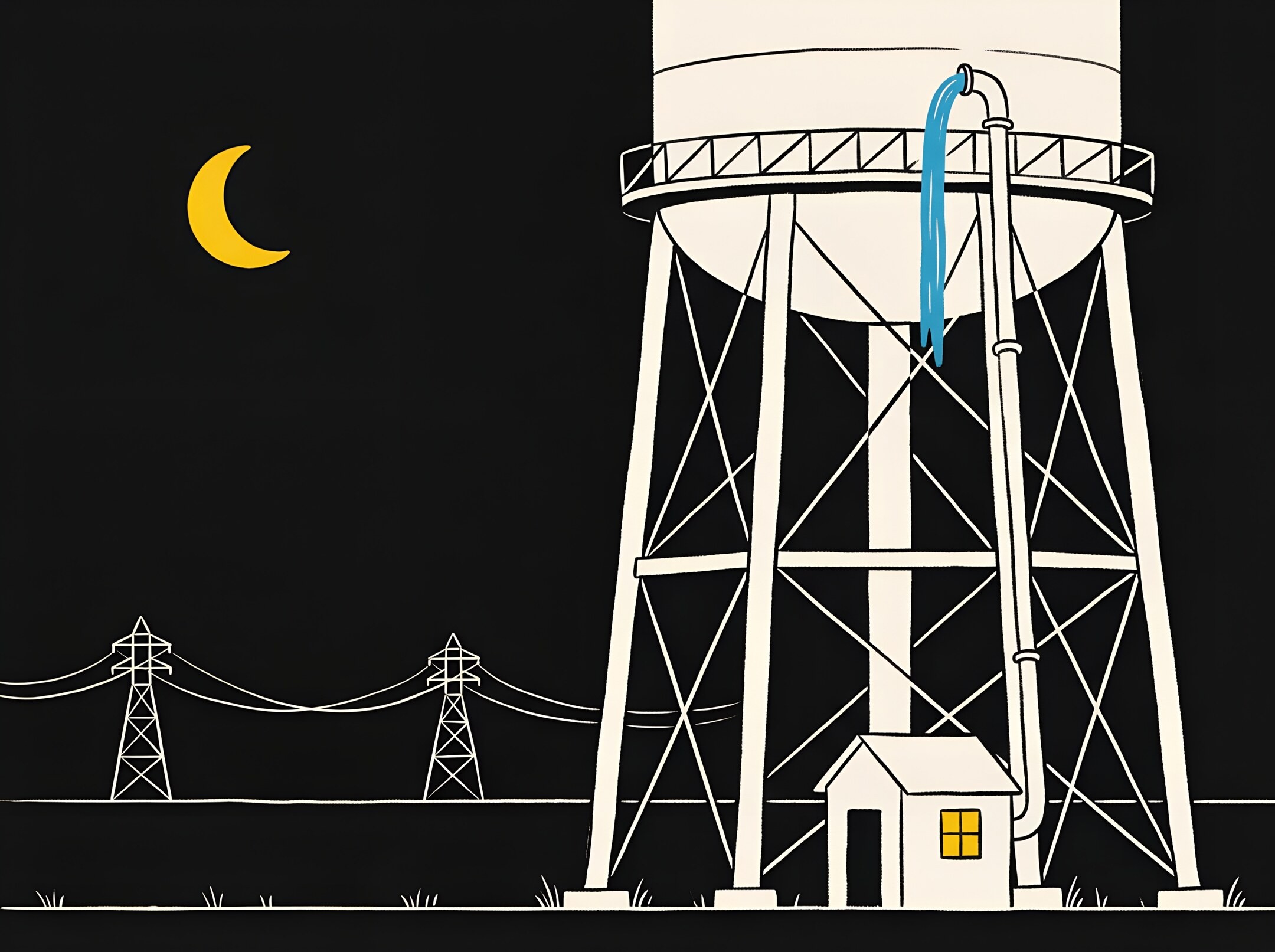
The Commission wants network tariffs to reward whoever can shift load away from the peak, and that makes pumping stations and aeration basins, which rarely feature in the debate, part of the argument.
The Commission's proposed Climate Resilience Law would give every member state the same warming path to plan against, put water security in every national plan and set deadlines that collide with the next river basin cycle.