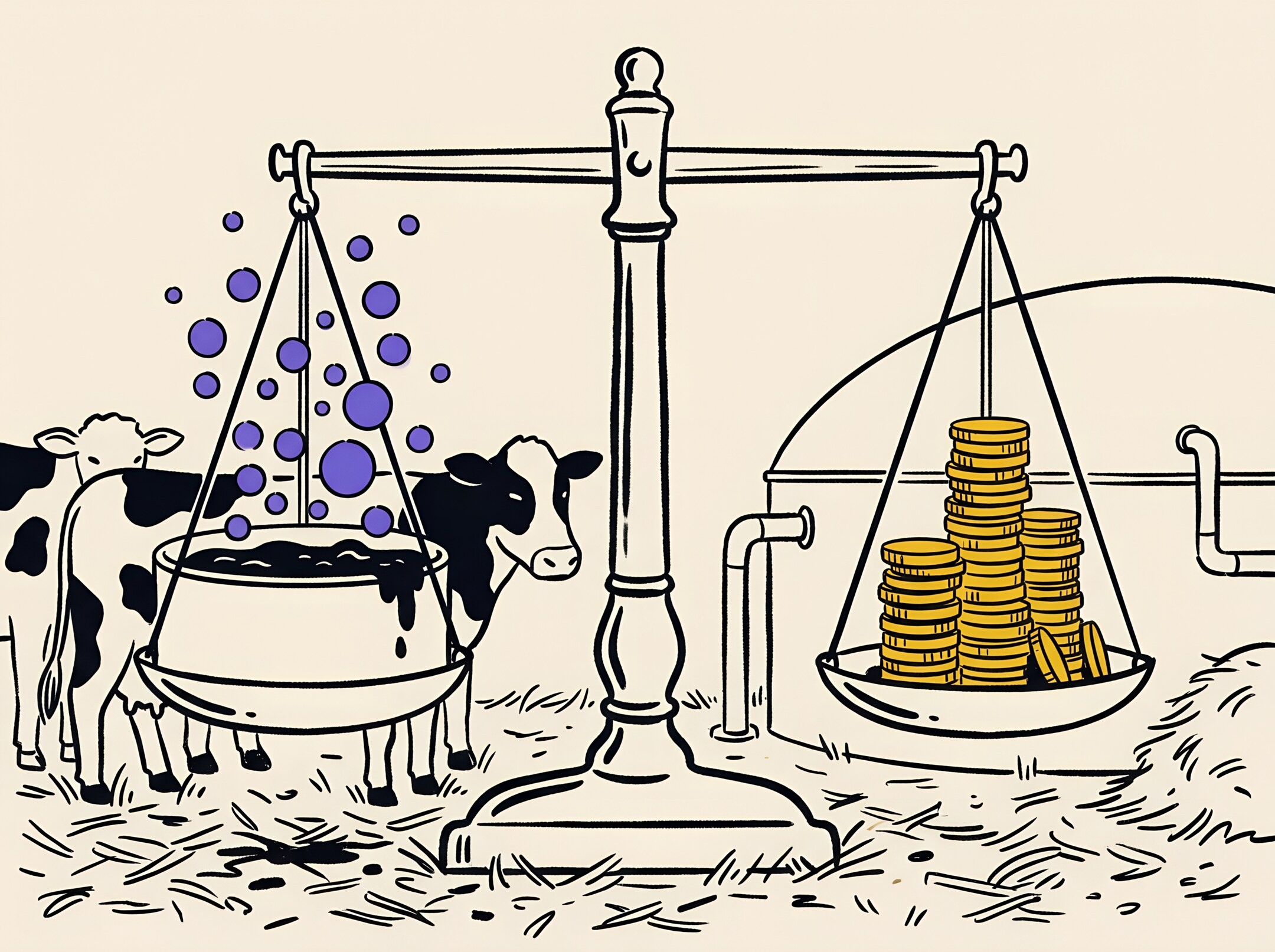
More Water Investment, No Faster Pipe Renewal
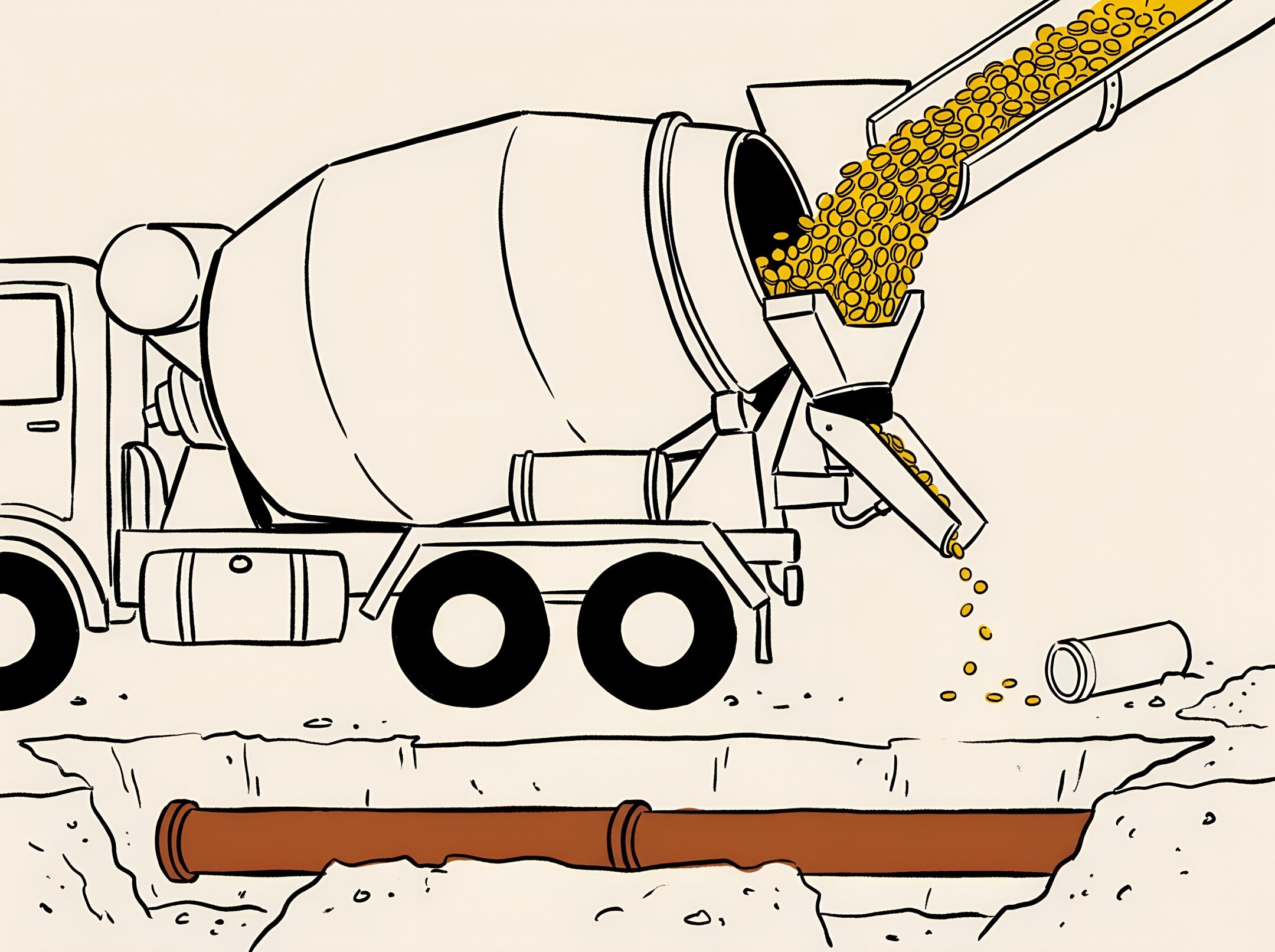
Europe's water utilities are spending more. According to the 2026 snapshot of EurEau, the federation of national water associations, utilities across its member countries invest an average of €61 billion a year in networks and plants, 16% more than in the previous edition (EurEau, 2026a).
The federation is careful about what this means. Much of the increase responds to stricter treatment requirements, security needs and climate change, but it also reflects rising supply-chain costs. Billing income grew more slowly, and the extra investment has not shown up in faster network renewal or lower water losses (EurEau, 2026b). So where did the money go?
Inflation took most of the increase
EurEau describes the 44% rise in investment since 2017 as "little more than catching up to inflation": over the same period, the European Central Bank's construction price index rose by 42%. The figures are not adjusted for inflation, so they show investment in current euros.

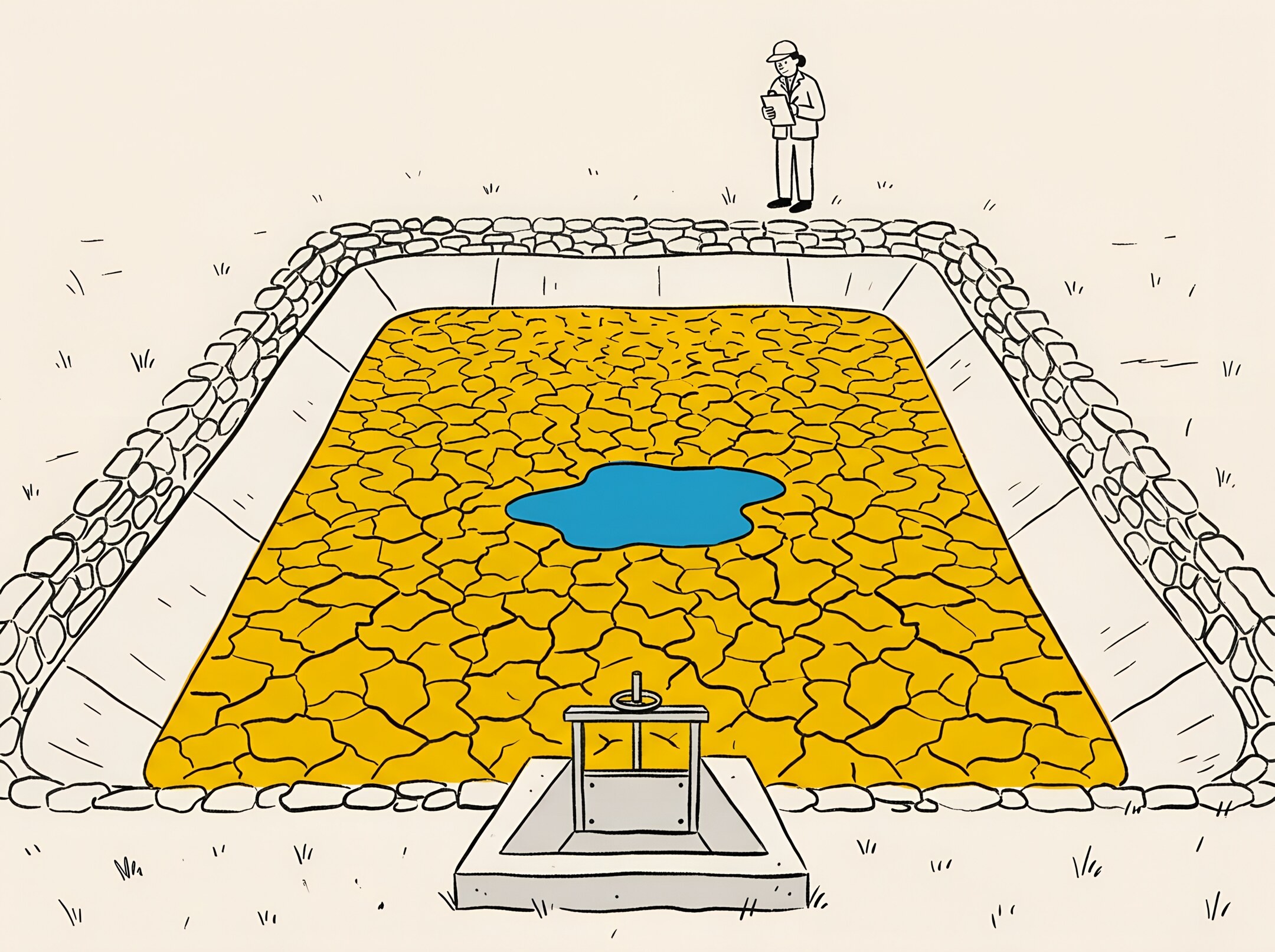

The Czech agriculture ministry can list pipelines, ponds and hectares after nine years of drought spending, but in the worst groundwater summer in decades it cannot yet show what they changed.
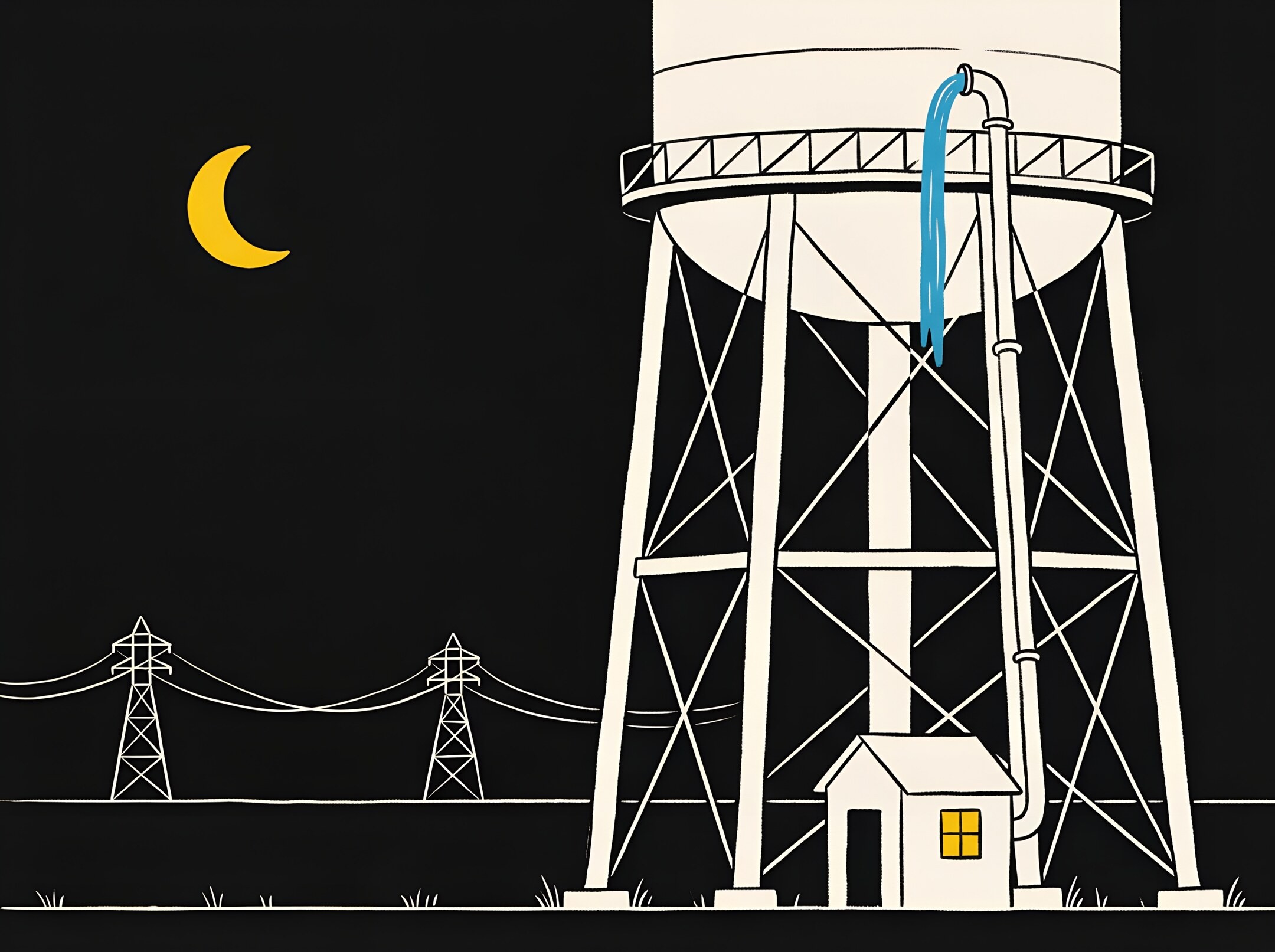
The Commission wants network tariffs to reward whoever can shift load away from the peak, and that makes pumping stations and aeration basins, which rarely feature in the debate, part of the argument.
The Commission's proposed Climate Resilience Law would give every member state the same warming path to plan against, put water security in every national plan and set deadlines that collide with the next river basin cycle.
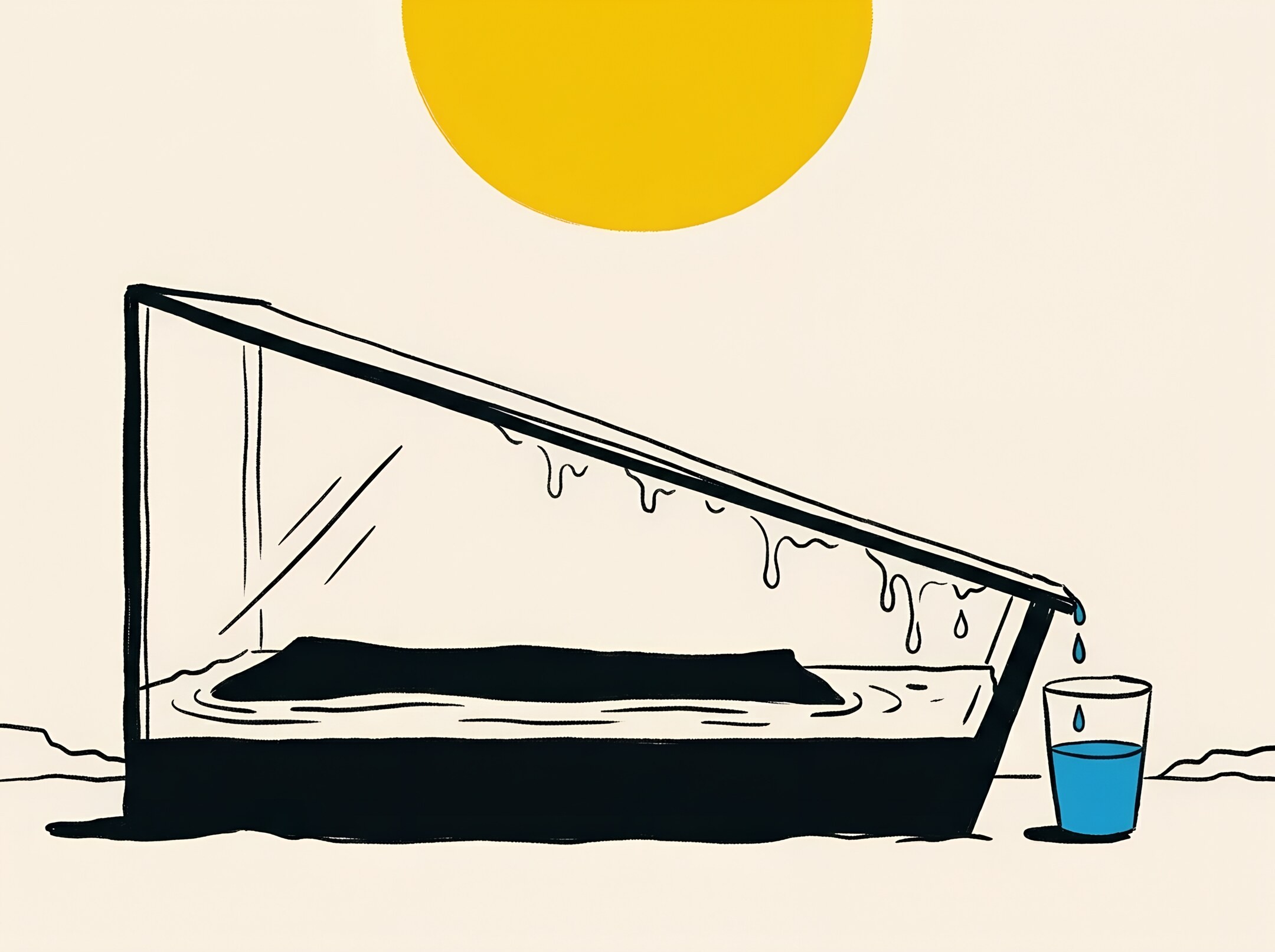
Researchers in China have used a global model to work out where solar-driven interfacial evaporation could supply drinking water, and how much – a promising result in which the assumptions matter as much as the headline.