Brussels Takes Aim at Water Leakage
In her State of the Union address on 16 September 2026, Ursula von der Leyen announced a new European water initiative. Her case rested on a single figure: Europe's pipes lose almost one in every four litres of water, mostly through leakage. After a record dry summer that, by the Commission President's account, cost 12 million tonnes of crops, network losses have become a political issue. The Commission has yet to publish the details, but utilities do not need to wait for them: the Drinking Water Directive already sets a binding timetable for measuring and reducing leakage.
What the Drinking Water Directive already requires
Article 4(3) of Directive (EU) 2020/2184 requires member states to assess leakage levels on their territory and the potential for reducing them. The assessment must cover at least suppliers that produce 10,000 m³ of water a day or serve 50,000 people. It is based on the infrastructure leakage index (ILI) rating method or another appropriate method, and must take account of public health, environmental, technical and economic factors.
The timetable has three steps:

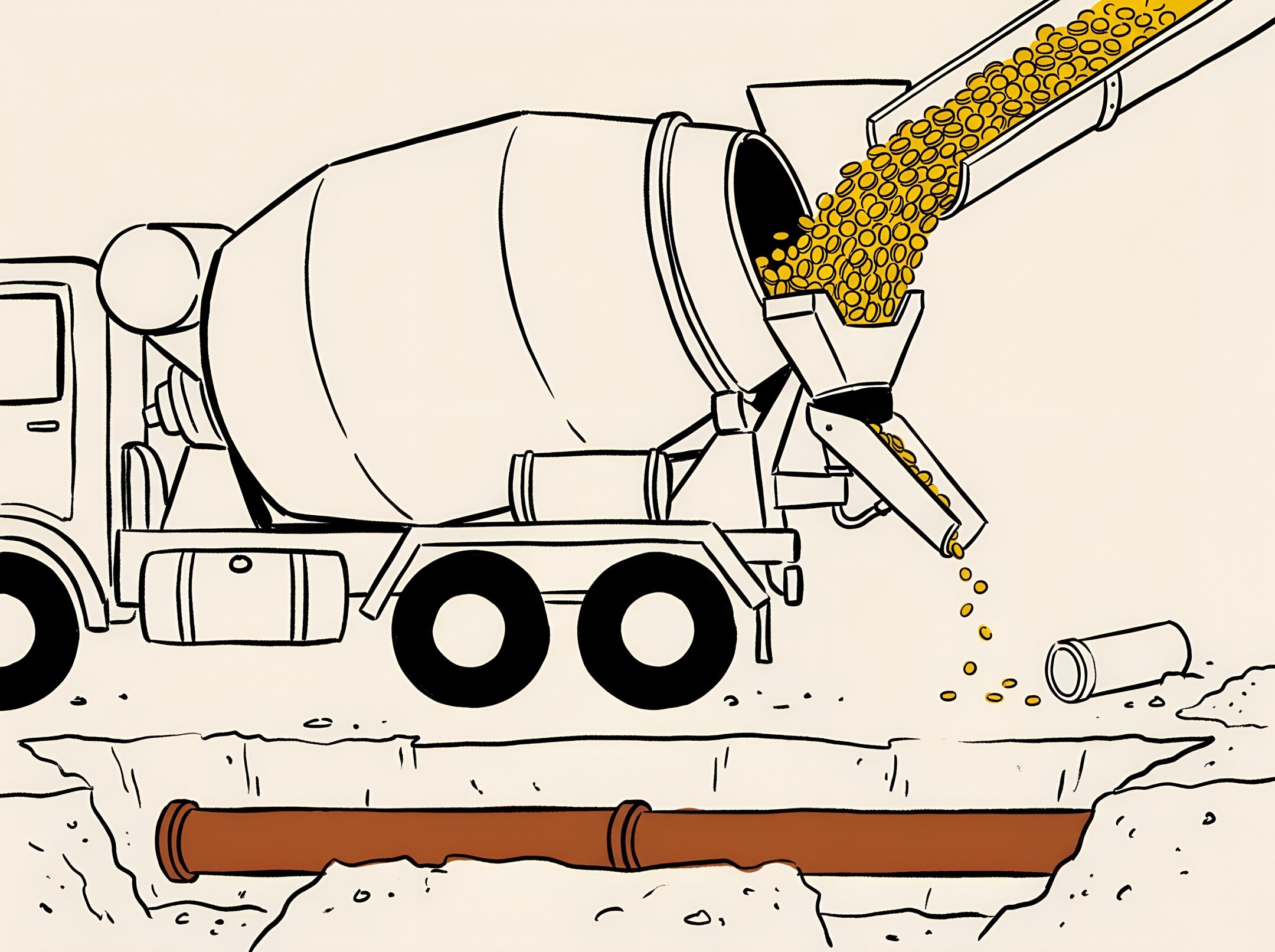

Europe's water utilities are investing 16% more than a year ago, but EurEau's latest figures show that construction inflation absorbed most of the increase and that pipe renewal has not sped up.
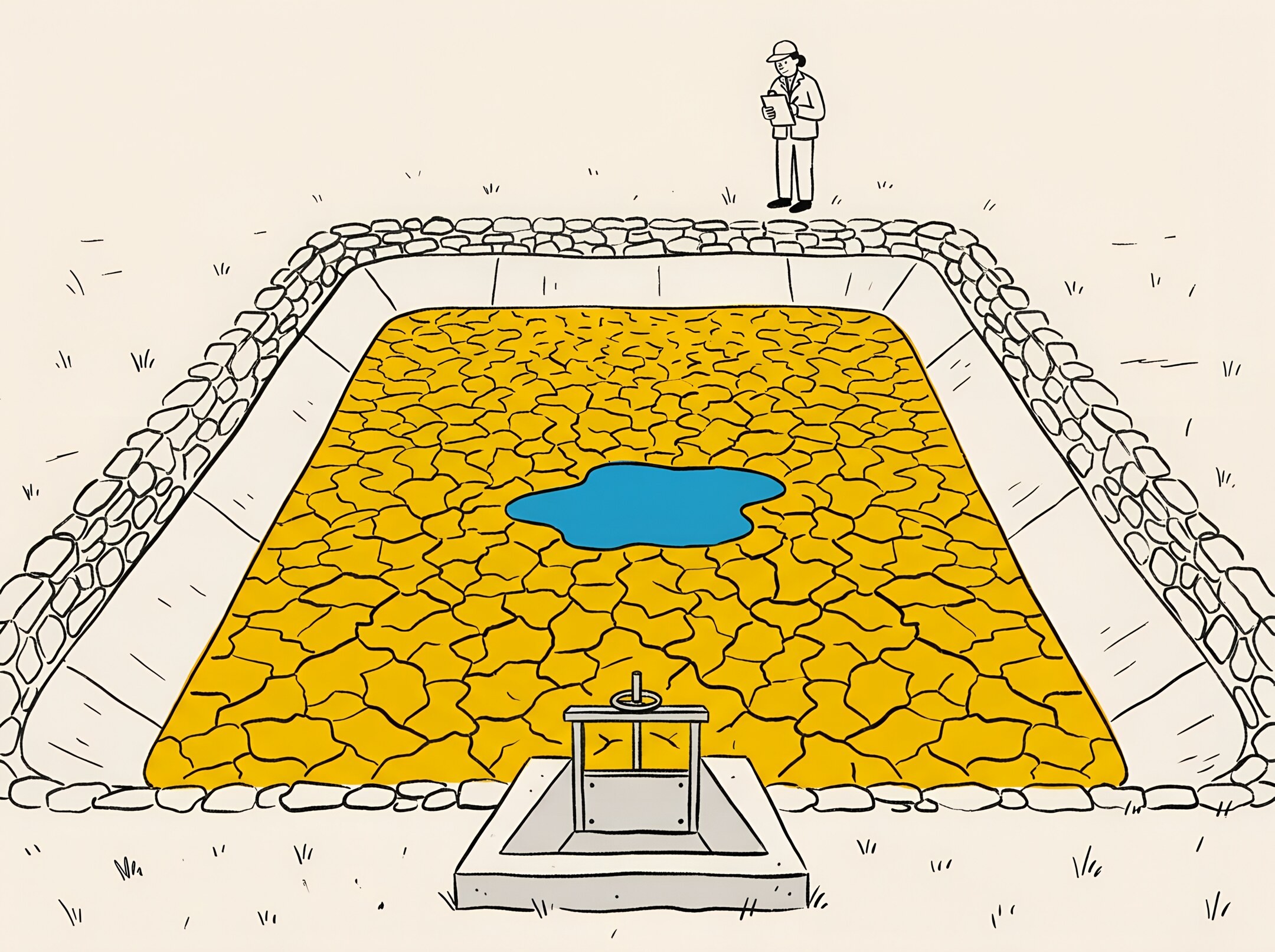

The Czech agriculture ministry can list pipelines, ponds and hectares after nine years of drought spending, but in the worst groundwater summer in decades it cannot yet show what they changed.
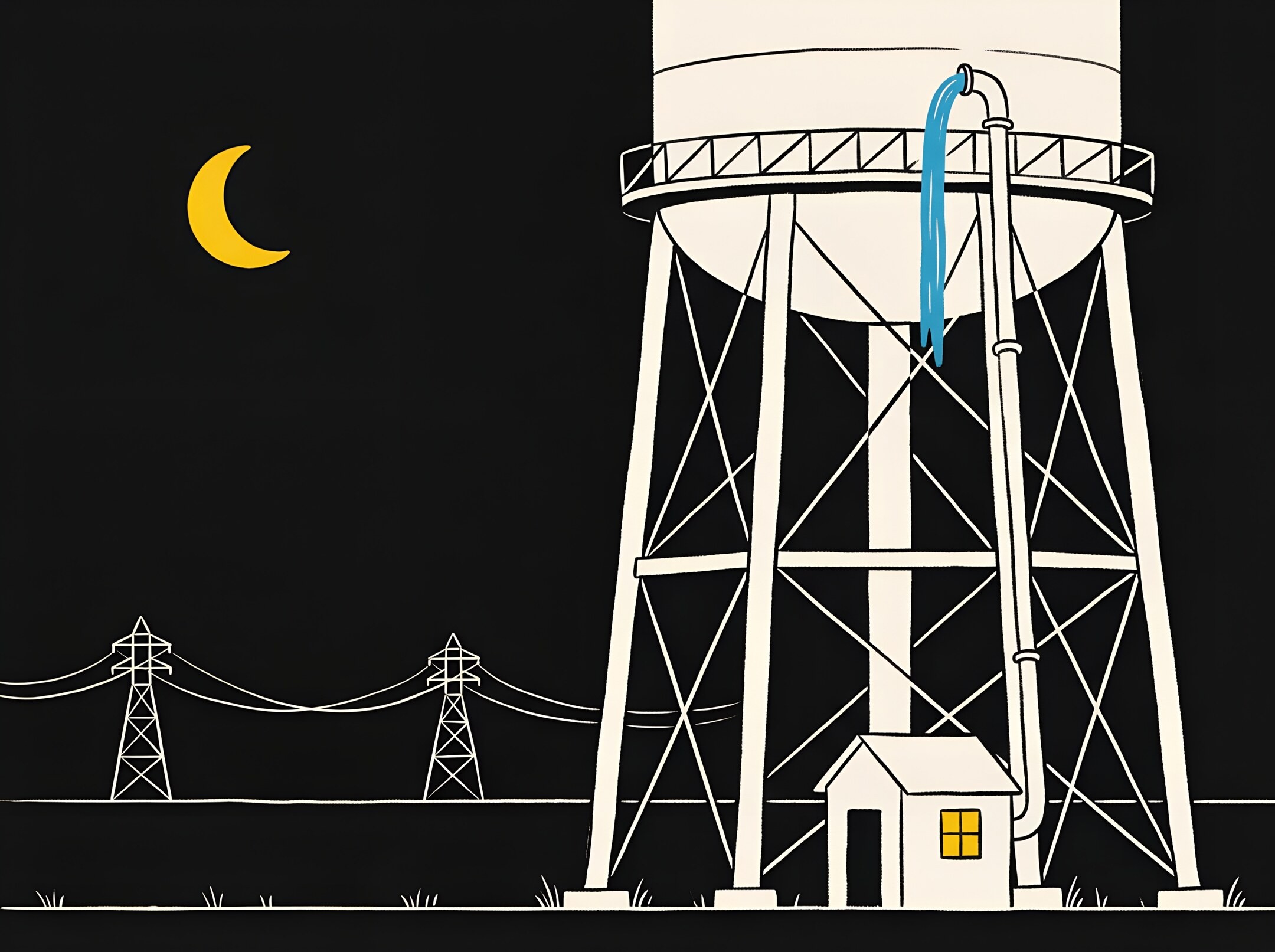
The Commission wants network tariffs to reward whoever can shift load away from the peak, and that makes pumping stations and aeration basins, which rarely feature in the debate, part of the argument.
The Commission's proposed Climate Resilience Law would give every member state the same warming path to plan against, put water security in every national plan and set deadlines that collide with the next river basin cycle.