EU Accelerator Offers Free Advice to Water Projects

The European Commission wants more private money in Europe's water infrastructure, and it has launched a small, practical instrument to test how that could work. The EU Water Resilience Investment Accelerator, presented on 14 October 2026, offers free expert advice to 20 pilot projects to help them become bankable and reach investors (European Commission, 2026). The window is short: applications close at the end of October.
What the accelerator offers
The accelerator is not a grant. It runs through Green Assist, the Commission's advisory service for green investments under InvestEU, funded by the LIFE programme and managed by the European Climate, Infrastructure and Environment Executive Agency (CINEA). Green Assist has a LIFE budget of up to €30 million and already supports close to 100 public and private beneficiaries, several of them in the water sector (CINEA, n.d.).
For the accelerator, CINEA is looking for projects that are nearing fundraising. Support can cover business planning, financial structuring, fundraising, environmental due diligence and regulatory assessment. The Commission's stated aims are to make projects more bankable, connect solution providers with beneficiaries and the financial sector, and showcase financing models that others can copy.

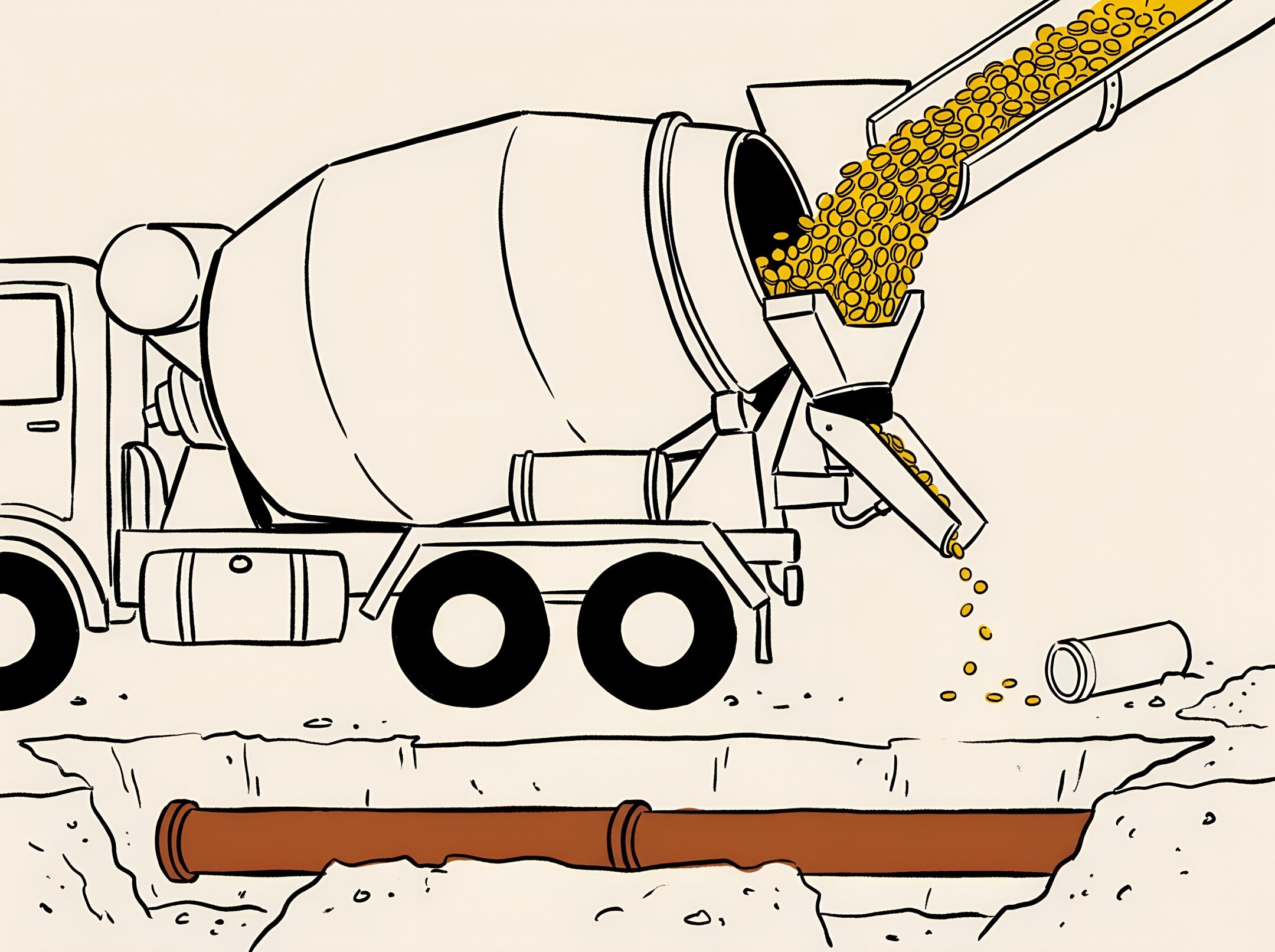

Europe's water utilities are investing 16% more than a year ago, but EurEau's latest figures show that construction inflation absorbed most of the increase and that pipe renewal has not sped up.
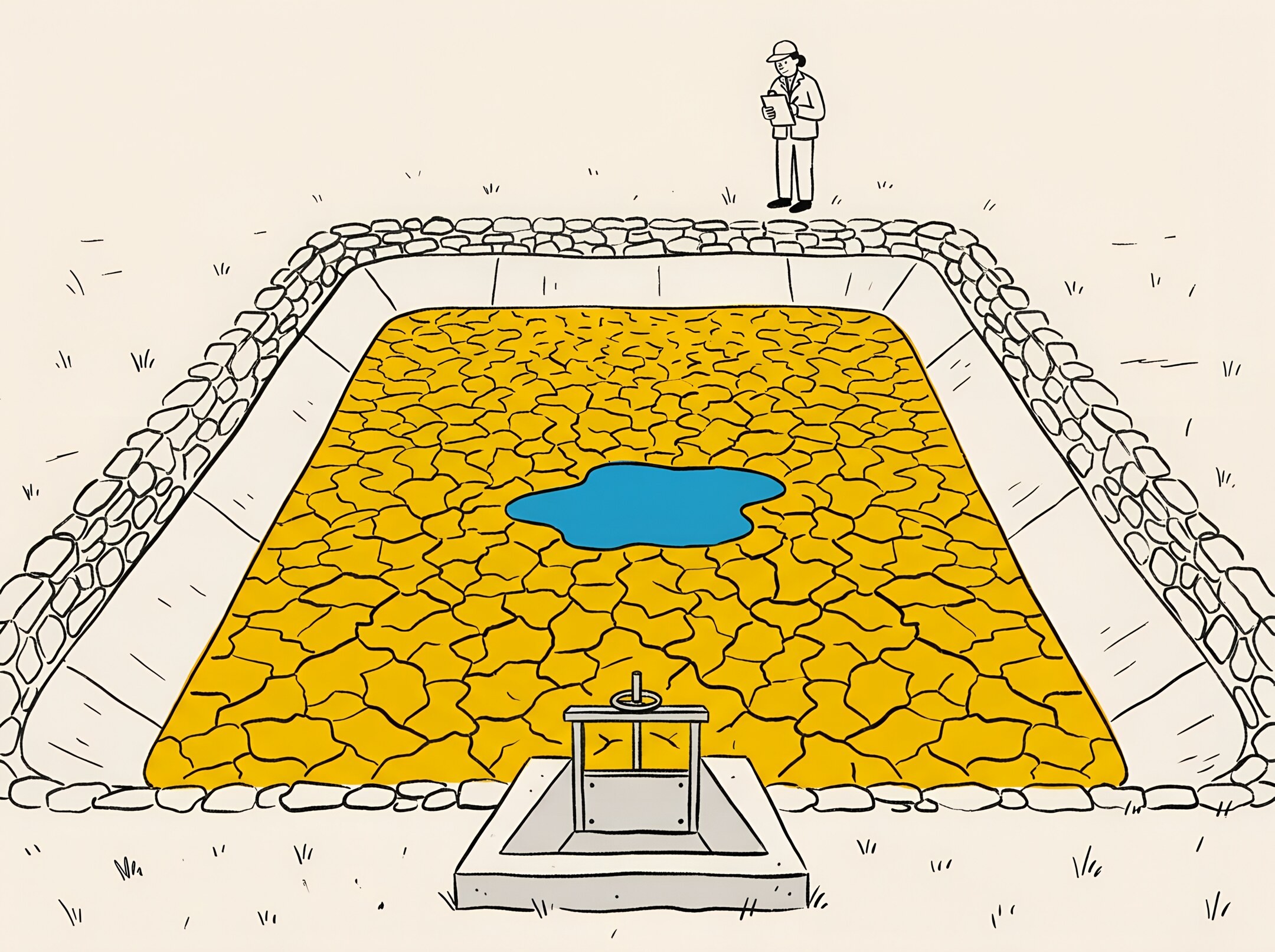

The Czech agriculture ministry can list pipelines, ponds and hectares after nine years of drought spending, but in the worst groundwater summer in decades it cannot yet show what they changed.
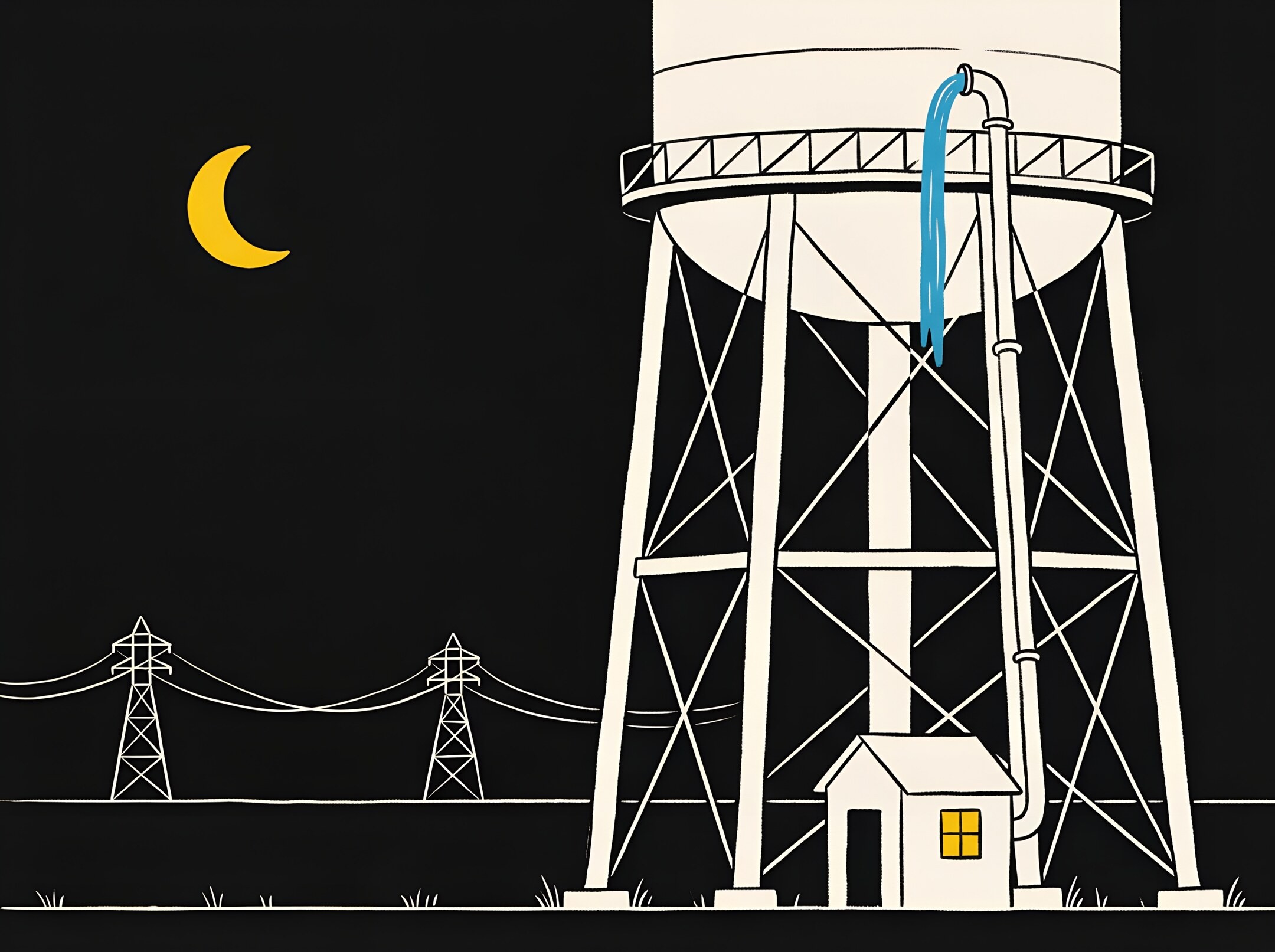
The Commission wants network tariffs to reward whoever can shift load away from the peak, and that makes pumping stations and aeration basins, which rarely feature in the debate, part of the argument.

The Commission's proposed Climate Resilience Law would give every member state the same warming path to plan against, put water security in every national plan and set deadlines that collide with the next river basin cycle.