Professional articles
In-depth analysis, technology comparisons and interviews.
Professional content is free to read with a W4 account.Create an accountSign in
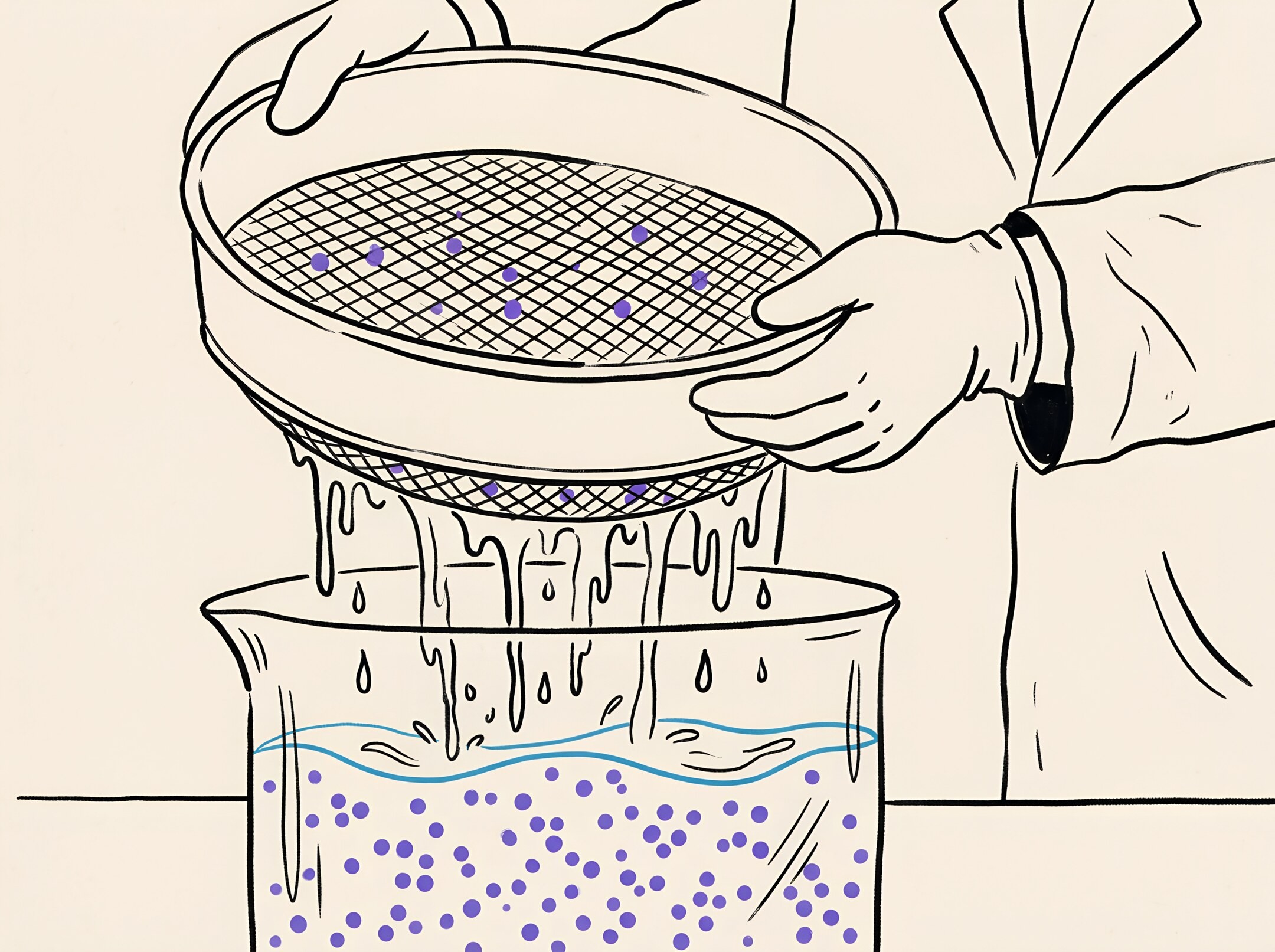

A national Swiss campaign has run every PFAS method in the Commission's guidelines side by side, and none of them can name most of the organic fluorine in wastewater.
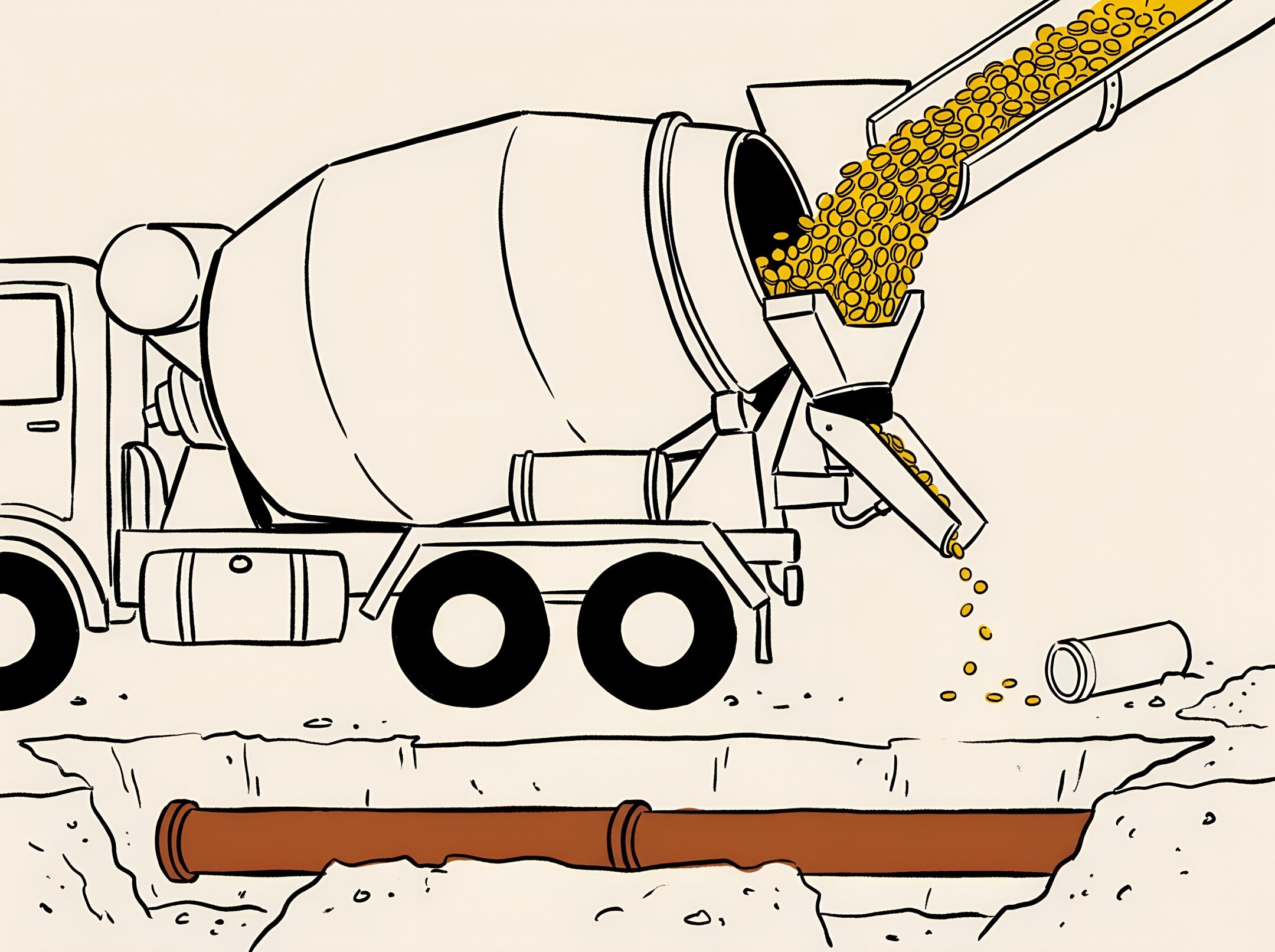

Europe's water utilities are investing 16% more than a year ago, but EurEau's latest figures show that construction inflation absorbed most of the increase and that pipe renewal has not sped up.
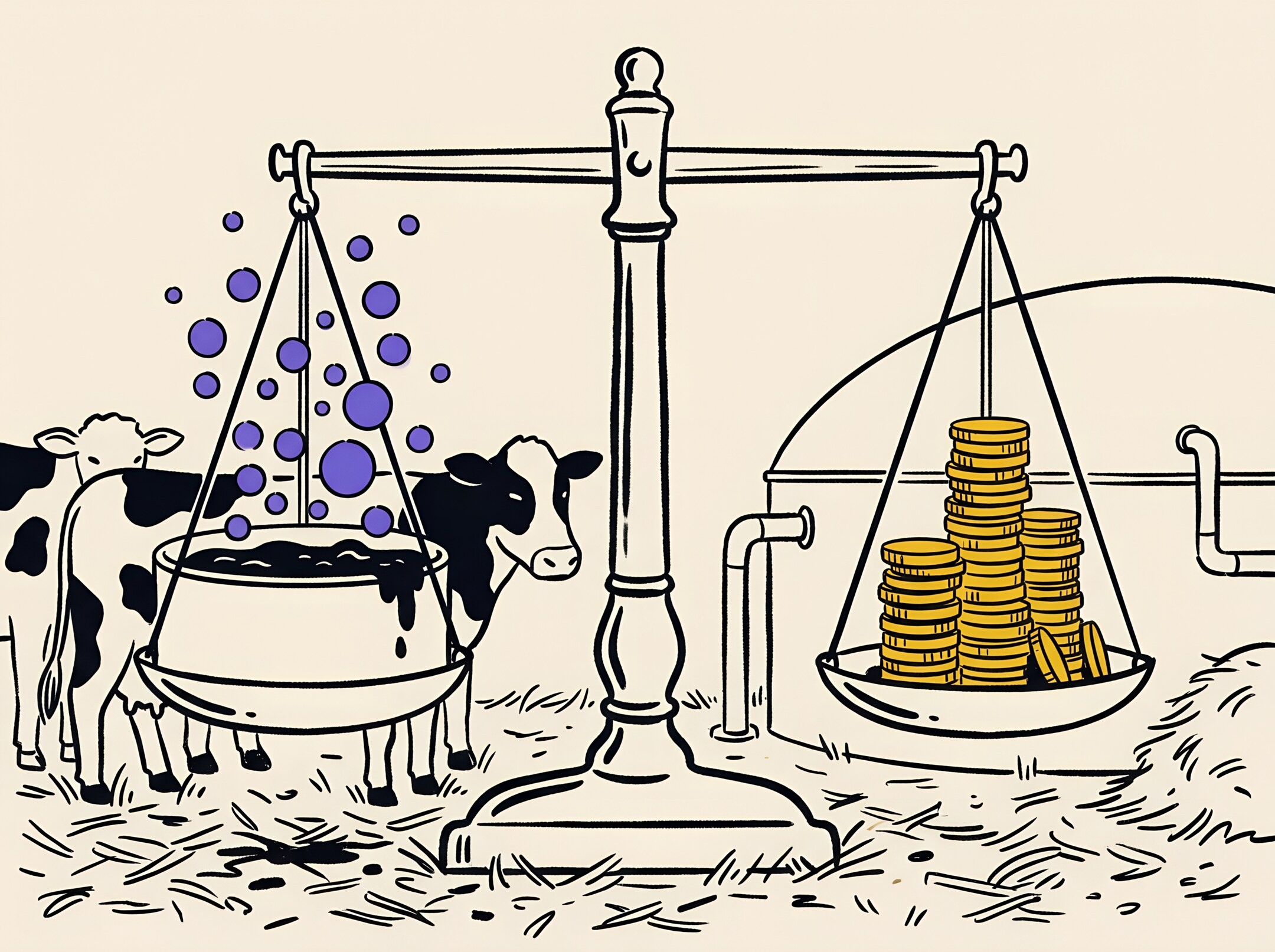
A model update in the United States quadrupled the tax credit for dairy-farm biomethane overnight, because the US credit pays for carbon intensity, while the European Union mostly measures the same performance as a pass or a fail.
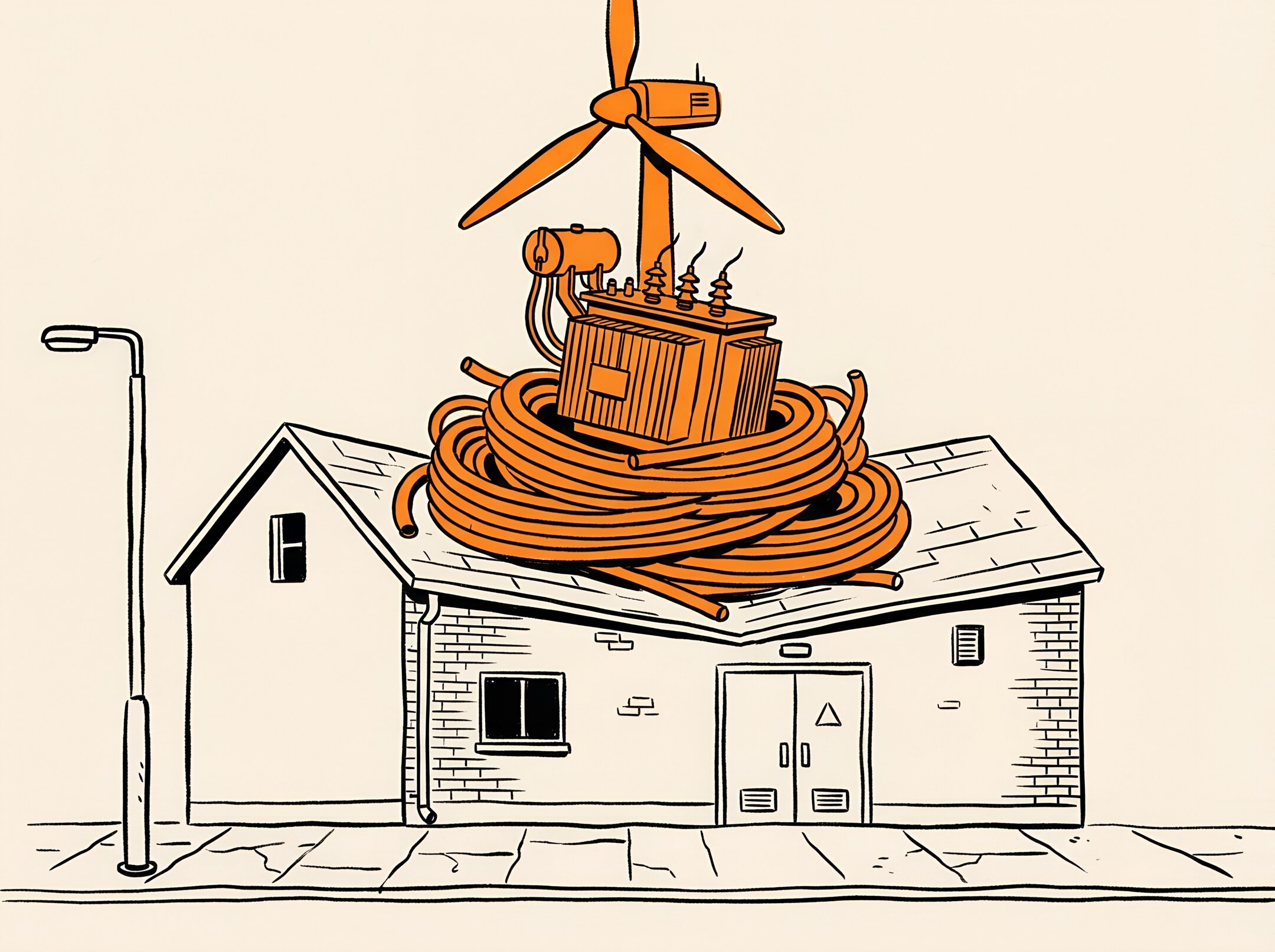
A new KfW study says Germany must more than double its yearly climate investment, and it leaves the hardest financing problem on the balance sheets of municipal utilities.
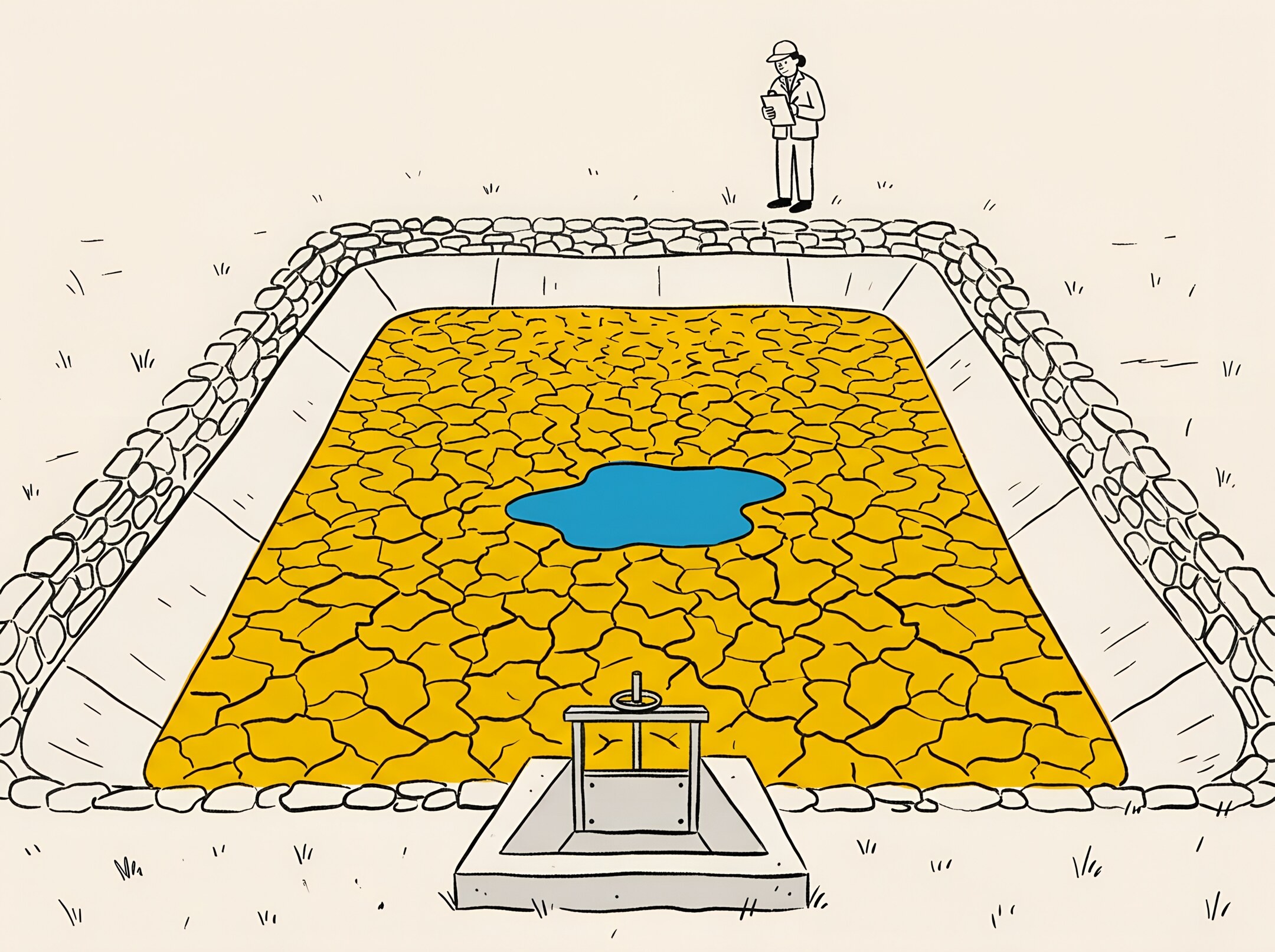
The Czech agriculture ministry can list pipelines, ponds and hectares after nine years of drought spending, but in the worst groundwater summer in decades it cannot yet show what they changed.
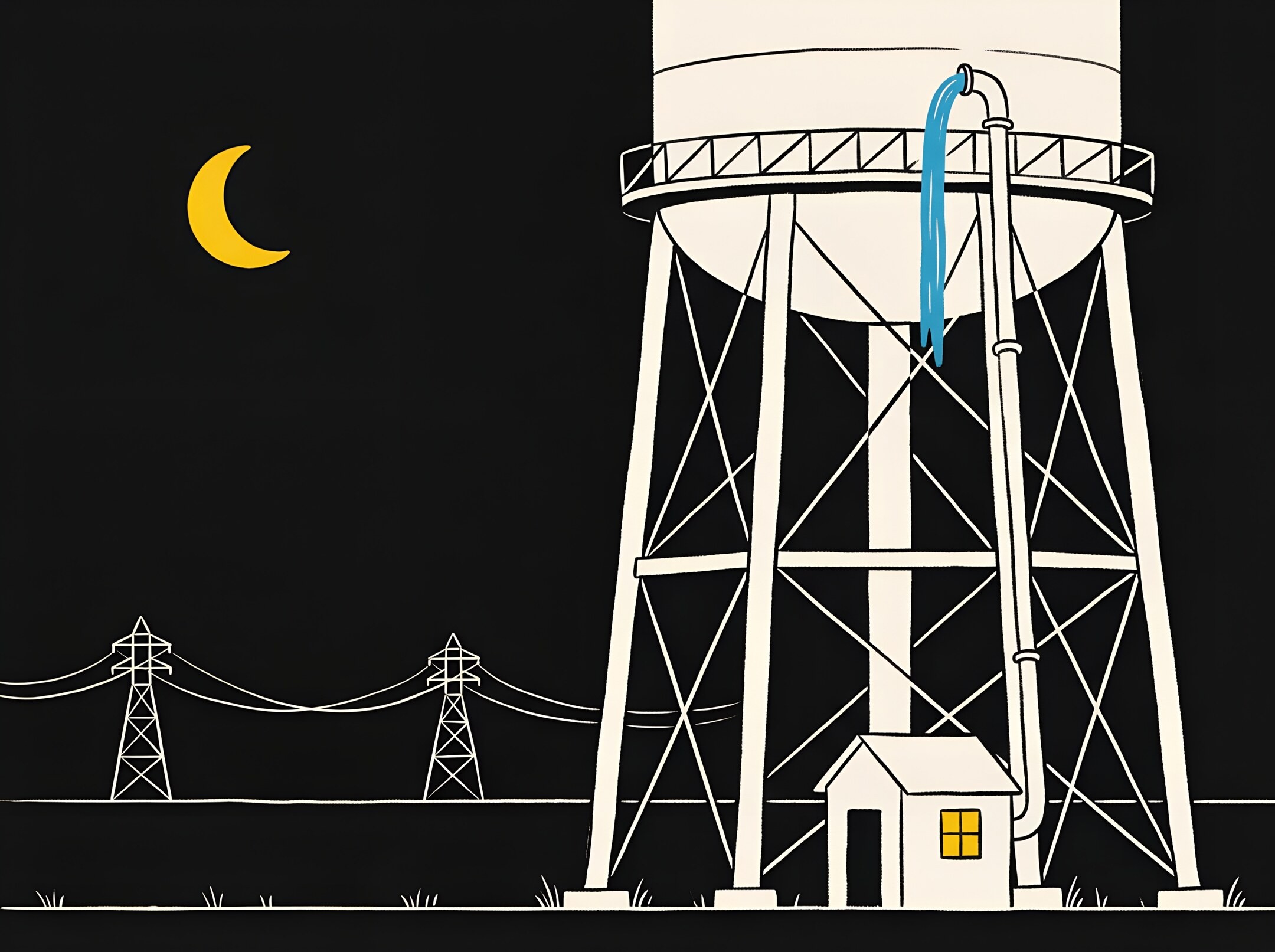
The Commission wants network tariffs to reward whoever can shift load away from the peak, and that makes pumping stations and aeration basins, which rarely feature in the debate, part of the argument.
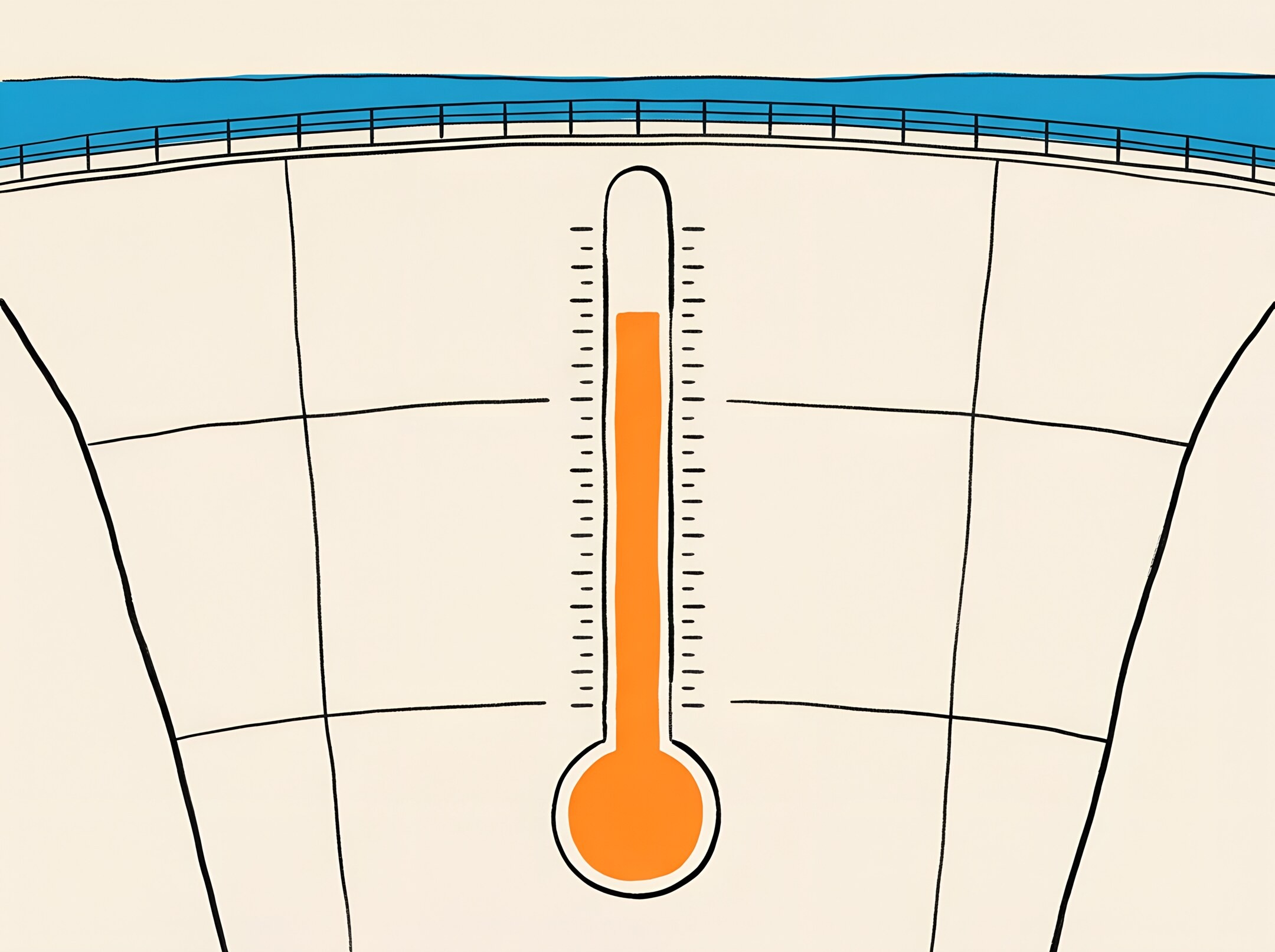
The Commission's proposed Climate Resilience Law would give every member state the same warming path to plan against, put water security in every national plan and set deadlines that collide with the next river basin cycle.
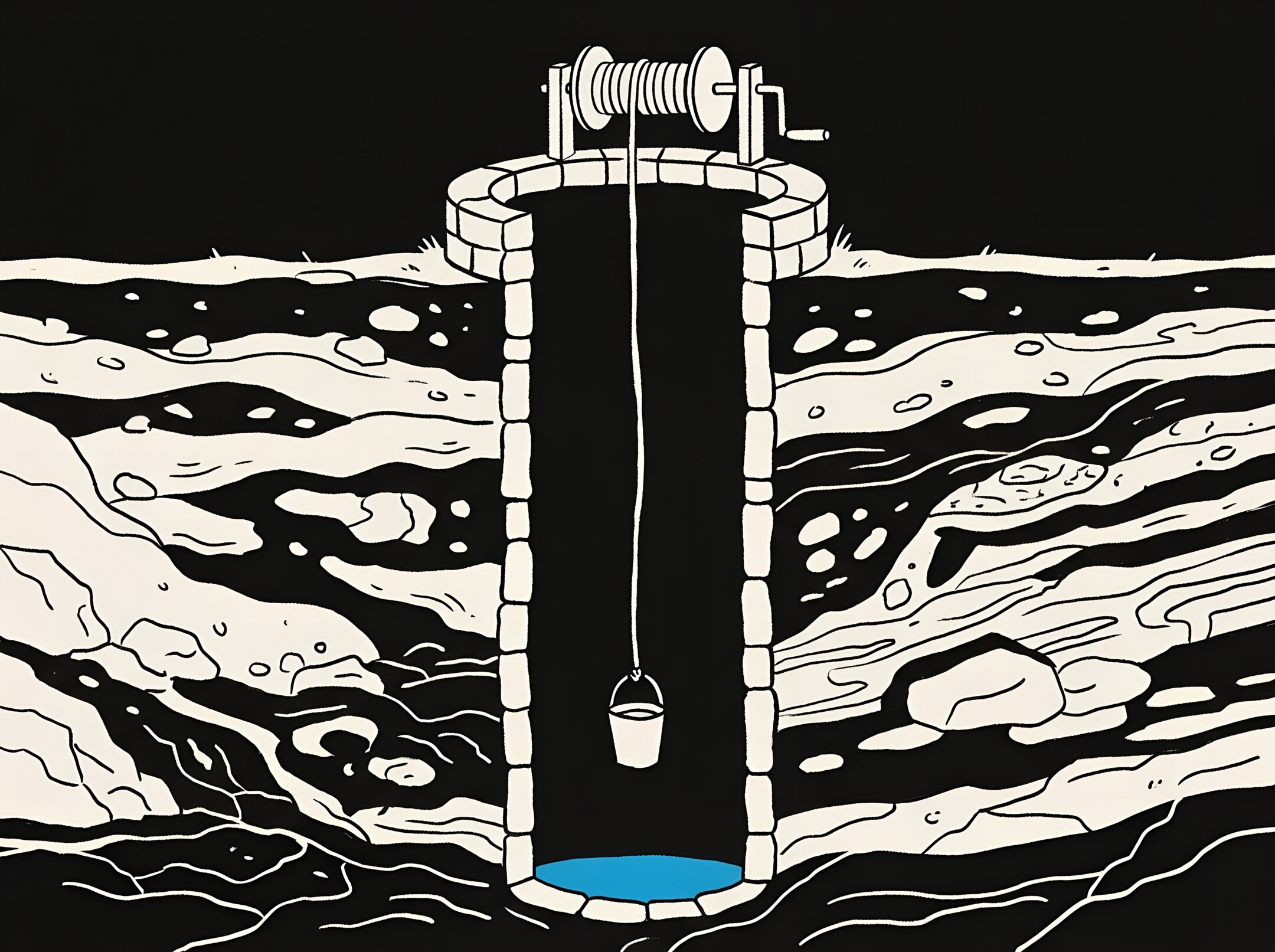
The World Meteorological Organization reports that river flows in 2025 were among the lowest in 35 years, with Central and Eastern Europe among the hardest-hit regions as groundwater declines year after year.
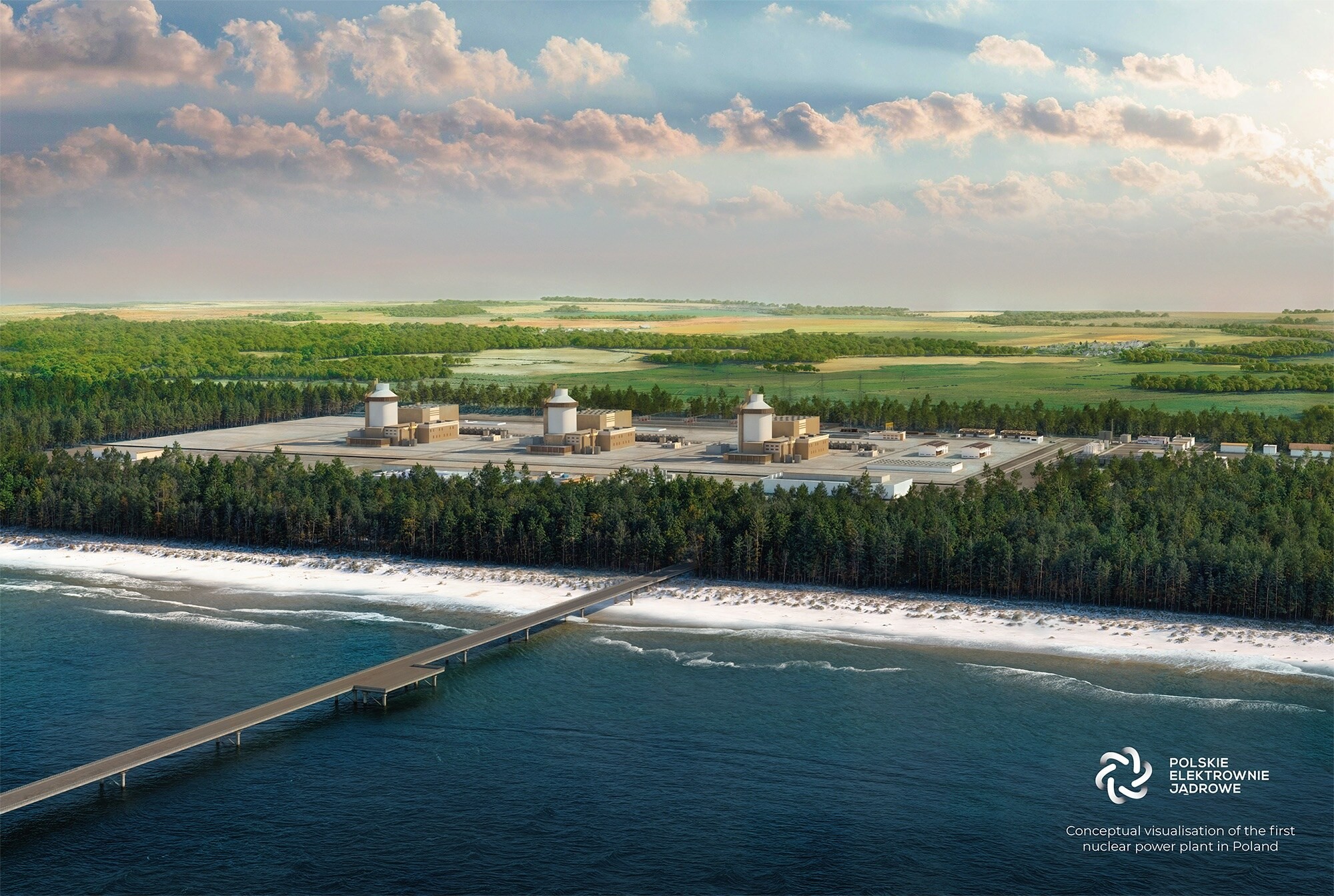
In a single week Westinghouse placed orders with Polish suppliers, ČEZ filed the environmental documentation for its small modular reactor and Slovakia took full control of its Bohunice project, as the region's four nuclear programmes take four different routes.
The Innovation Fund's latest call gave €3.4 billion to 77 projects, and Central and Eastern Europe did well in manufacturing and small projects but won nothing at large scale, ahead of a €1 billion manufacturing topic in December.
Drinking water in the United States has become 62% more expensive in ten years, while Eurostat shows Hungarian water prices did not move at all over the same period – two extremes that give two bad answers to the same question.
Market data from Bavaria's state agricultural research institute show biogas plants earning 3–9 cents more per kilowatt-hour by producing in the most expensive hours instead of running at baseload, provided they invest in gas storage, larger engines and daily trading.