Innovation Fund: Where Central Europe Wins and Loses

On 19 October the European Commission awarded a total of €3.4 billion to 77 projects under the Innovation Fund's 2025 call for net-zero technologies (IF25 NZT). The projects will be built in 23 countries and could avoid around 290 million tonnes of CO₂ equivalent in their first ten years. Demand ran at six times the money on offer: 358 applicants asked for a combined €17.5 billion against a budget of €2.9 billion (European Commission, 2026a). The results are the clearest picture yet of what the EU's largest climate innovation fund pays for, and of where Central and Eastern Europe stands in it.
Where the money went
The fund is financed from the EU Emissions Trading System (ETS), with estimated revenues of €40 billion between 2020 and 2030. This round takes the portfolio to around 320 projects and almost €17 billion in grants (European Commission, 2026a).
The call ran in five topics, split by capital expenditure (CAPEX) (European Commission, 2026b):


A new KfW study says Germany must more than double its yearly climate investment, and it leaves the hardest financing problem on the balance sheets of municipal utilities.
The Commission wants network tariffs to reward whoever can shift load away from the peak, and that makes pumping stations and aeration basins, which rarely feature in the debate, part of the argument.
The International Energy Agency has reviewed 134 policies and regulations for fitting data centres into power systems, and its clearest lesson is that a flexible connection is faster than waiting for firm capacity.

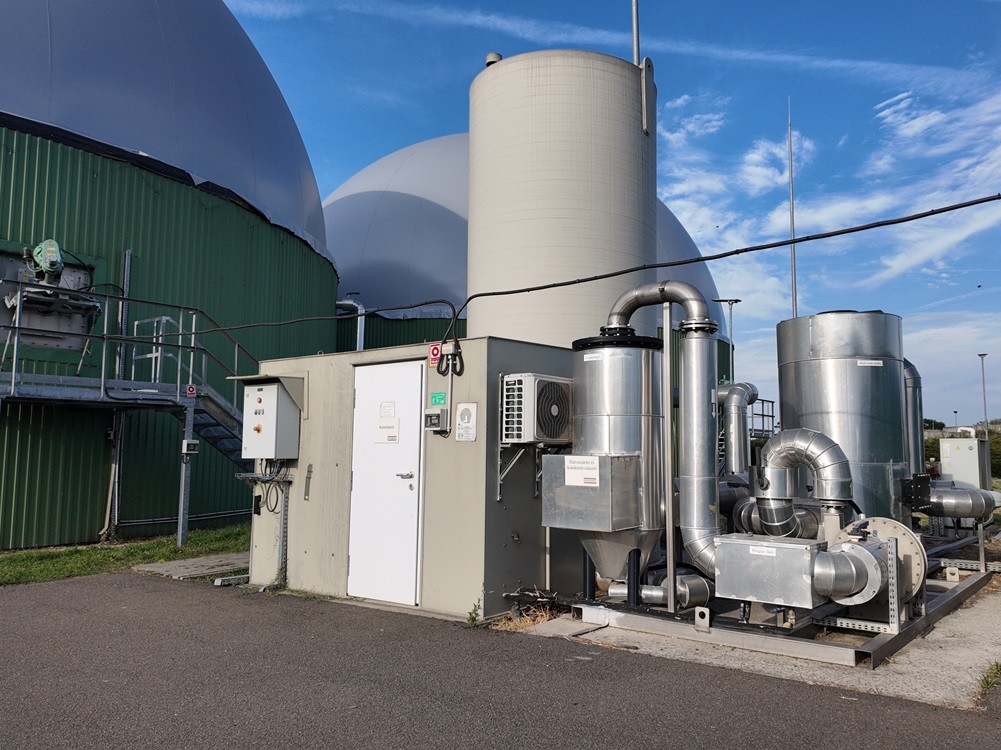
Calculations by the DVGW research centre in Karlsruhe show that if small biogas plants reach the gas grid through a shared upgrading unit and injection point, investment falls by up to 55% and the biomethane injected rises by 16% compared with connecting plants one by one.