Connecting AI Data Centres to the Grid
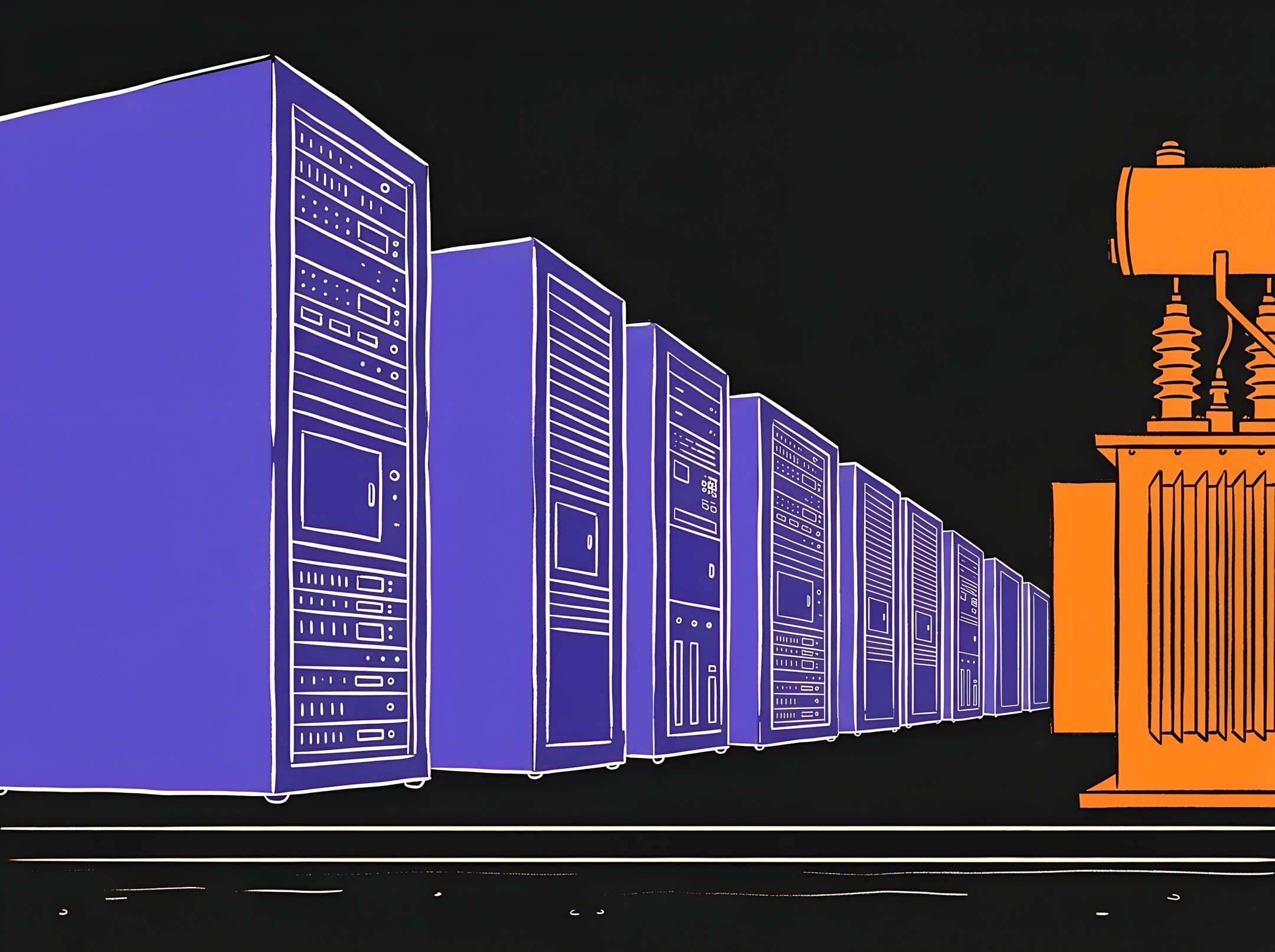
The International Energy Agency (IEA) report published on 14 October (IEA, 2026) examines how artificial intelligence data centres are being fitted into electricity systems. Requested by France, which holds this year's Group of Seven presidency, the review covers more than 34 jurisdictions accounting for about 90% of global data centre capacity. The IEA identified 134 policies and regulations, and nearly 40% of them were announced or introduced in the past 12 months. The field is moving fast – and patterns are already emerging.
The queue is longer than the grid
The scale of the investment wave is unprecedented: the largest cloud operators are set to spend more than USD 700 billion on capital expenditure in 2026, mostly on new data centres. In Texas, Virginia, Finland and the United Kingdom, the data centres queuing to connect already add up to more than today's system peak.
But the queue is inflated: many projects are duplicates or speculative. Data centre load also ramps up gradually over years, so it is uncertain when and how much power will actually be drawn. Overestimate demand and grid investment sits idle; underestimate it and bottlenecks follow.


A new KfW study says Germany must more than double its yearly climate investment, and it leaves the hardest financing problem on the balance sheets of municipal utilities.
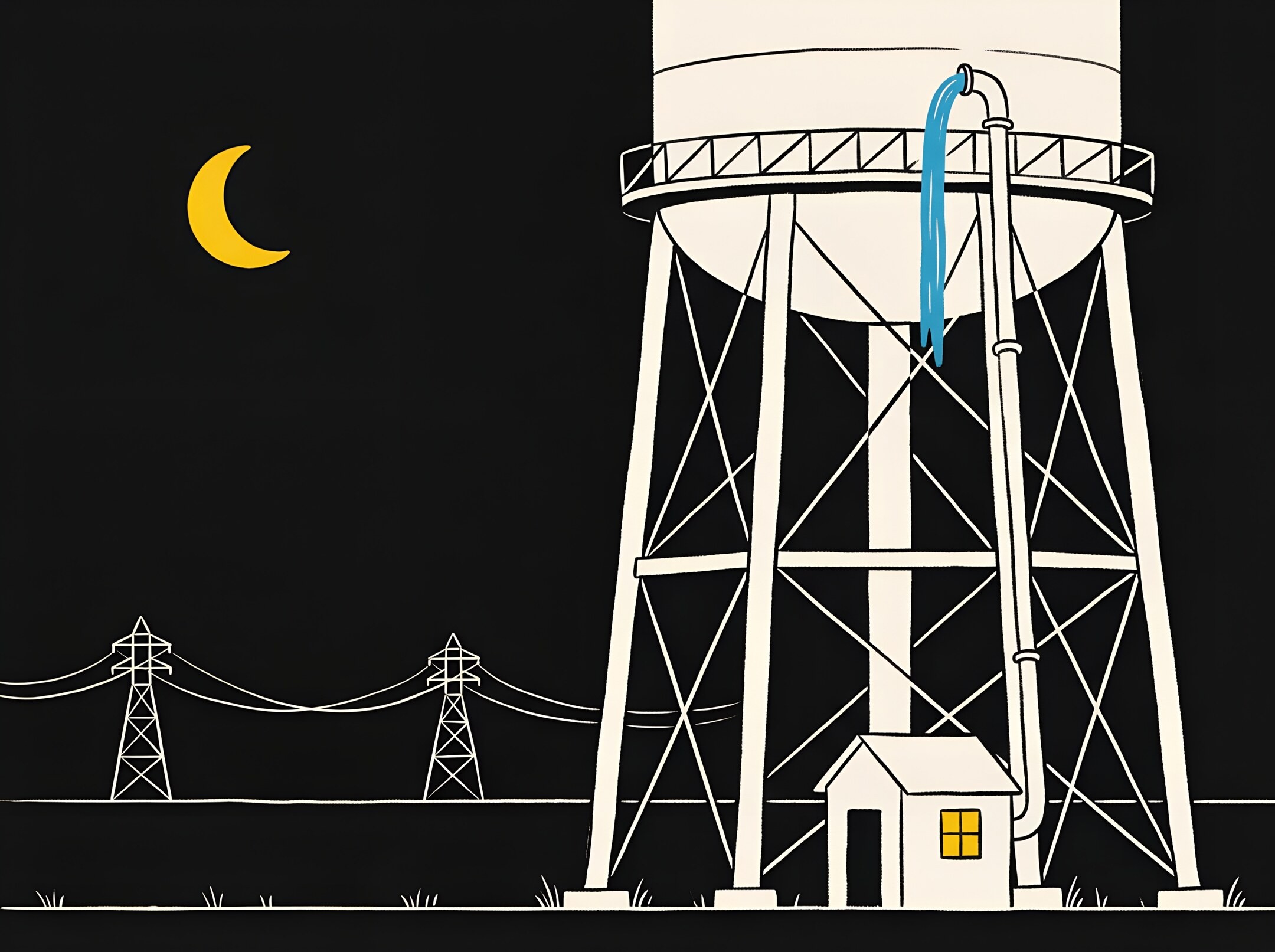
The Commission wants network tariffs to reward whoever can shift load away from the peak, and that makes pumping stations and aeration basins, which rarely feature in the debate, part of the argument.
Calculations by the DVGW research centre in Karlsruhe show that if small biogas plants reach the gas grid through a shared upgrading unit and injection point, investment falls by up to 55% and the biomethane injected rises by 16% compared with connecting plants one by one.
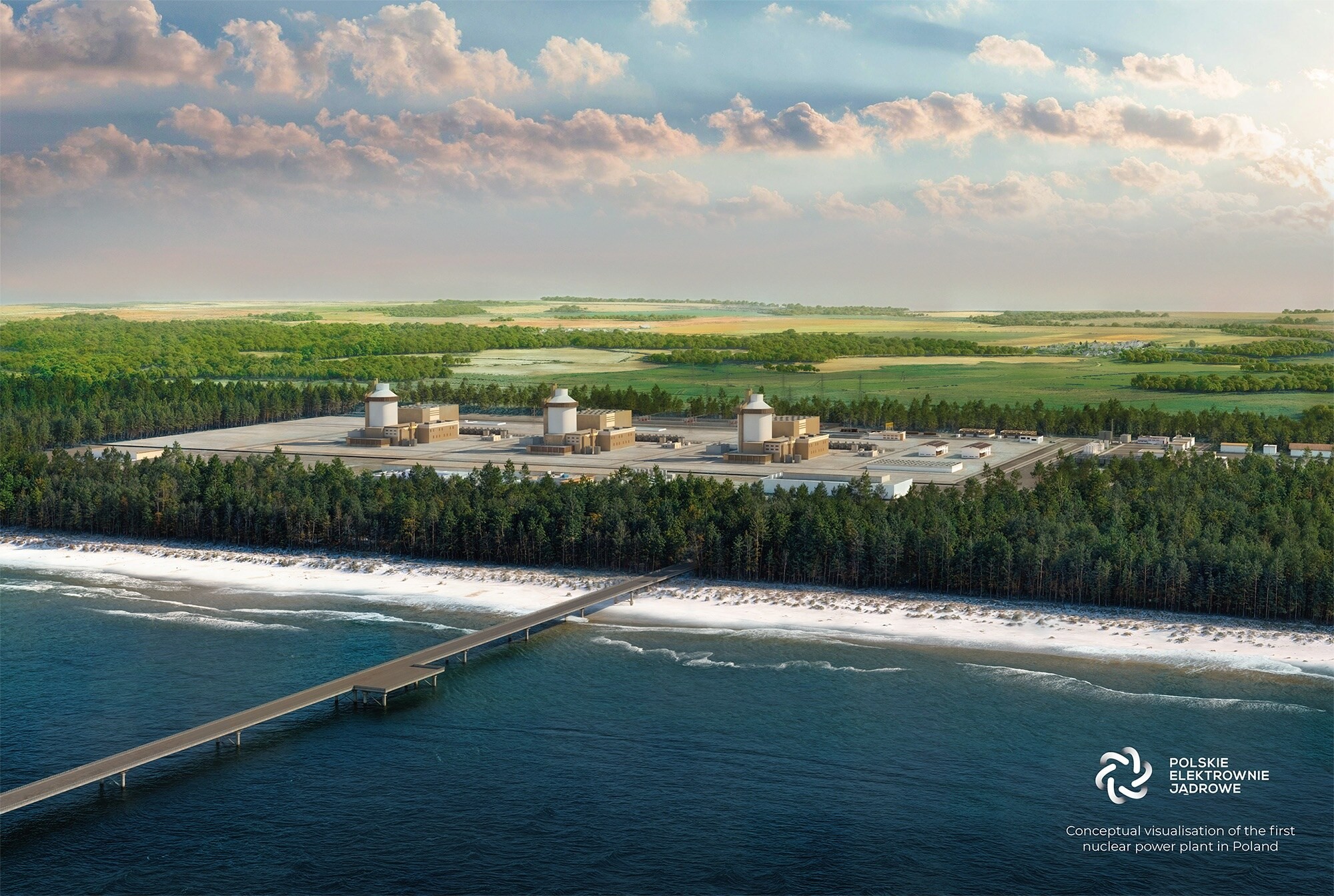
In a single week Westinghouse placed orders with Polish suppliers, ČEZ filed the environmental documentation for its small modular reactor and Slovakia took full control of its Bohunice project, as the region's four nuclear programmes take four different routes.