Finland Makes Grid-Forming Capability Mandatory
Large conventional power plants with rotating generators have been the quiet foundation of power system stability: the inertia of their mass damped swings in frequency and voltage, and during faults they fed strong currents into the grid. Solar and wind plants connect through power electronics, and most of today's inverters do not play that role. Fingrid, Finland's transmission system operator, has therefore taken a clear step in a requirement announced in September 2026 and published in October: new wind and solar plants connecting at weak points in the grid must provide grid stability themselves.
Why now, and why there?
Finnish wind generation is concentrated along the west coast, in so-called converter-dominated parts of the grid where synchronous generation is scarce. According to Fingrid (2026), a shortage of synchronous machines in such an area could, in the worst case, compromise the security and reliability of the power system.
Fingrid's requirements document says that today's grid-following inverters in these areas can cause poorly damped voltage oscillations, weak fault ride-through and overvoltages during three-phase faults, risking the disconnection of plants at scale – and that tuning control parameters alone cannot solve the problem. A grid-following inverter tracks the grid's voltage; a grid-forming inverter creates a stable voltage itself and supports the system much as a synchronous machine does.


A new KfW study says Germany must more than double its yearly climate investment, and it leaves the hardest financing problem on the balance sheets of municipal utilities.
The Commission wants network tariffs to reward whoever can shift load away from the peak, and that makes pumping stations and aeration basins, which rarely feature in the debate, part of the argument.
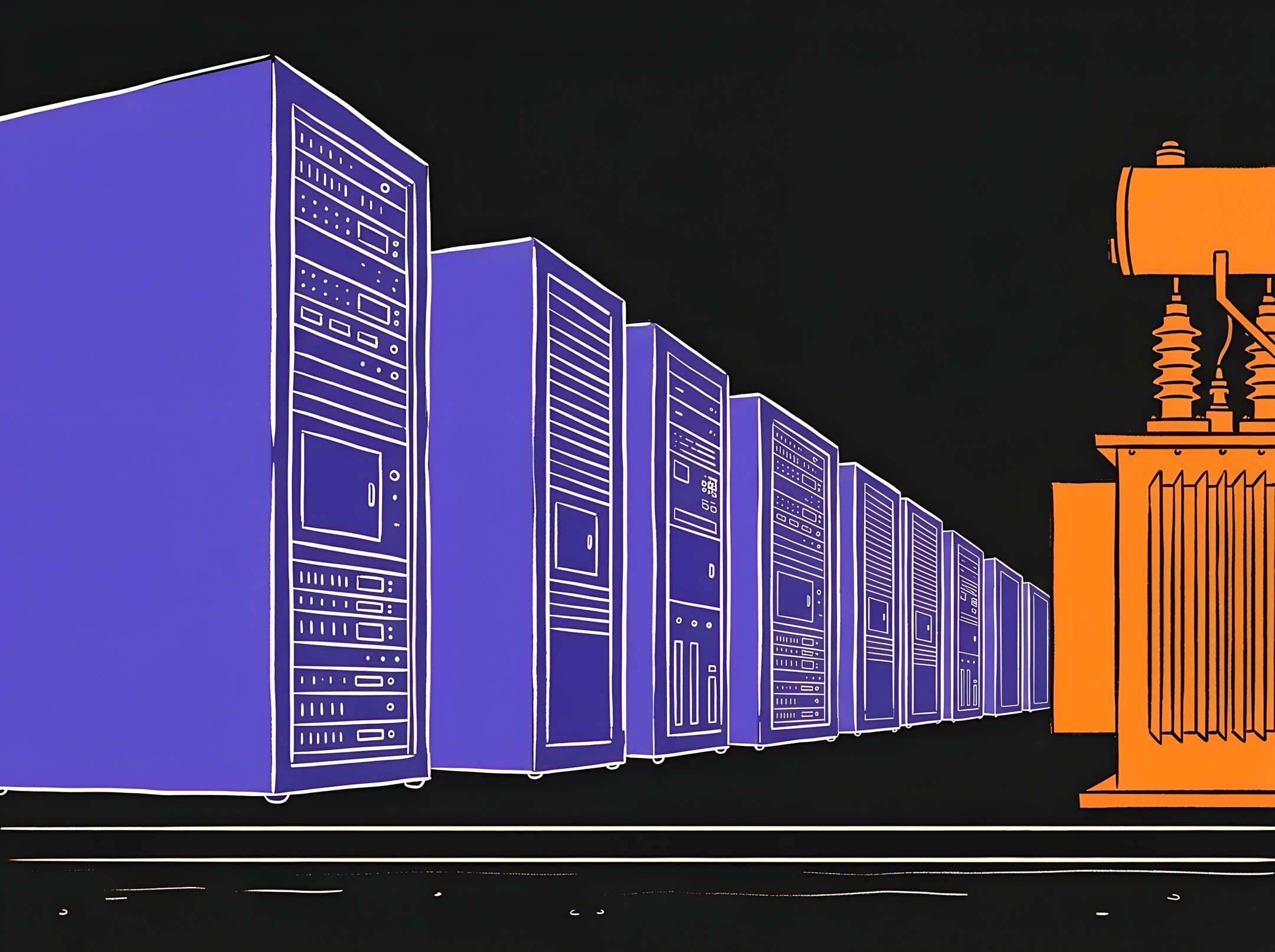
The International Energy Agency has reviewed 134 policies and regulations for fitting data centres into power systems, and its clearest lesson is that a flexible connection is faster than waiting for firm capacity.
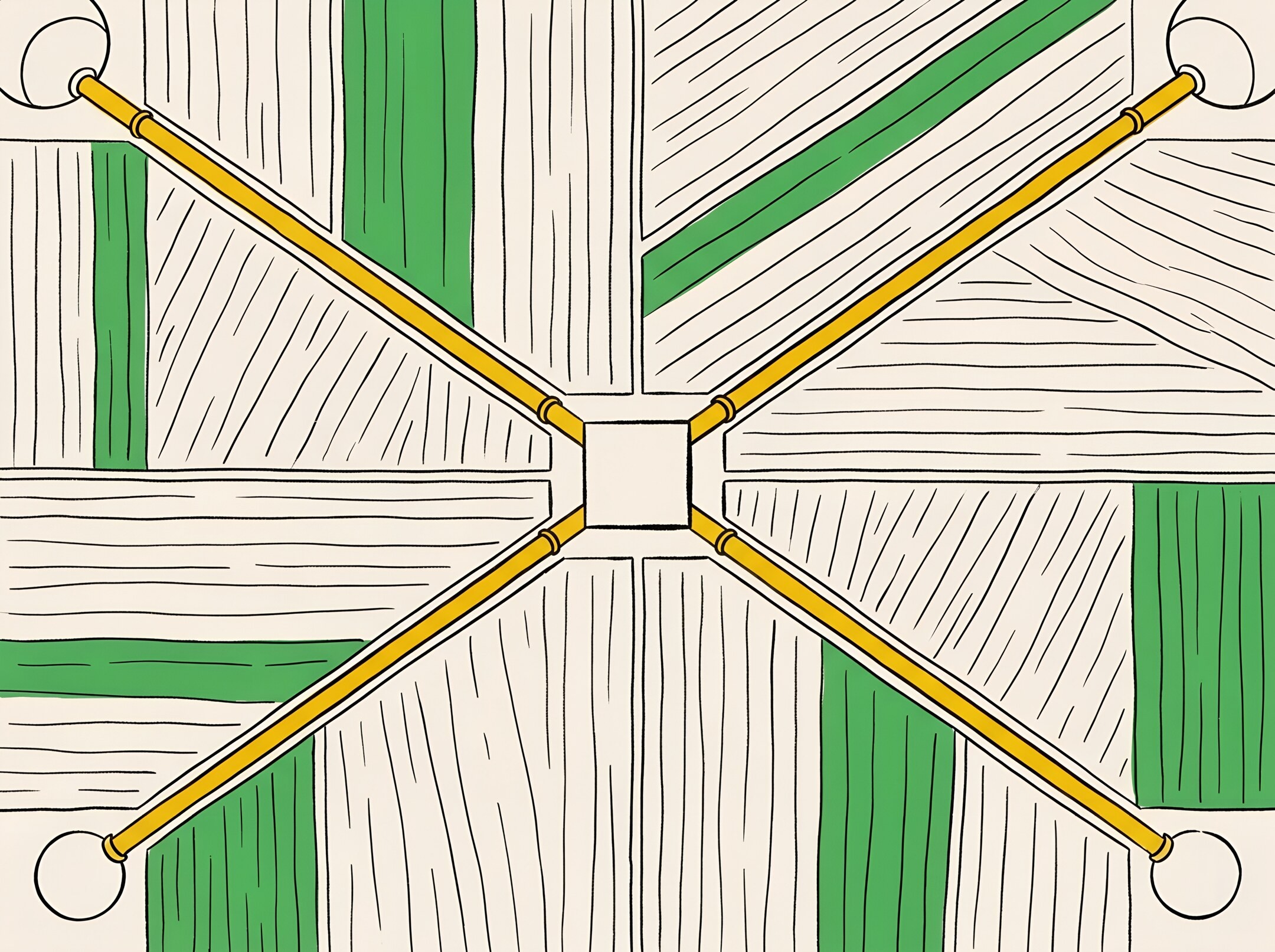
Calculations by the DVGW research centre in Karlsruhe show that if small biogas plants reach the gas grid through a shared upgrading unit and injection point, investment falls by up to 55% and the biomethane injected rises by 16% compared with connecting plants one by one.