Five Regulatory Barriers Holding Back European Biogas

EU energy policy treats biomethane as a tool for energy security, yet the sector's growth is falling short of its targets. A leaflet published by the European Biogas Association (EBA) in October 2026 (EBA, 2026) sets out why: the regulatory and administrative bottlenecks holding back investment, and what policymakers should do about them. It groups the barriers into five areas and pairs each with an example of good practice from a member state. The recommendations come from an industry body, but the problems they describe reflect developers' everyday experience.
1. Permitting and planning
According to the EBA, a biogas project touches six regulatory domains: energy, waste, emissions, agriculture, water and construction. The result is overlapping permits and long lead times, with developers having to deal separately with each authority.
The association proposes a one-stop shop covering every permit a project needs, fully digital procedures in line with the Renewable Energy Directive (RED III), and simplified, fast-track permitting for existing biogas plants that upgrade to biomethane or change feedstock. It also wants stronger coordination between authorities and training for permitting staff.

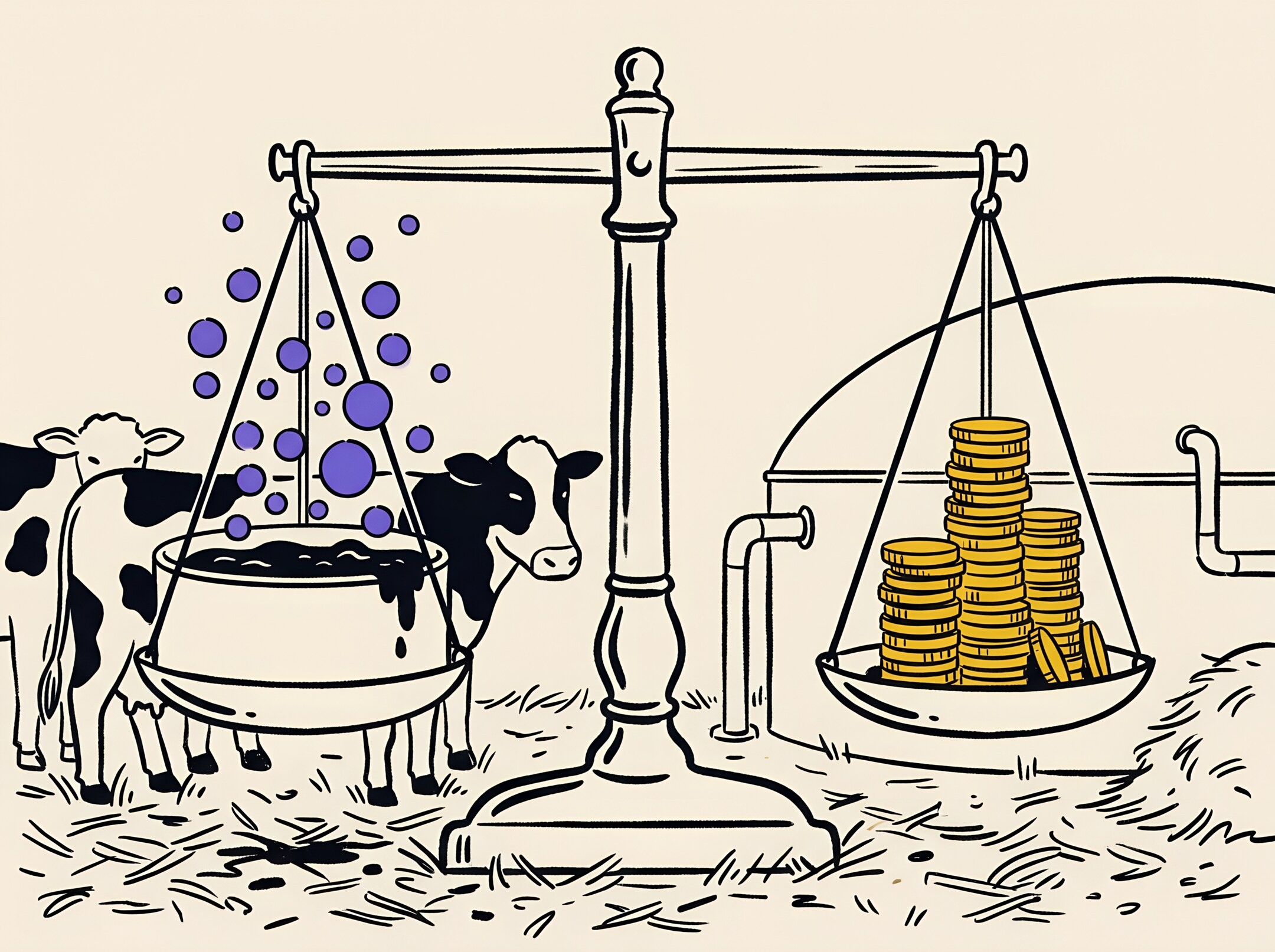

A model update in the United States quadrupled the tax credit for dairy-farm biomethane overnight, because the US credit pays for carbon intensity, while the European Union mostly measures the same performance as a pass or a fail.
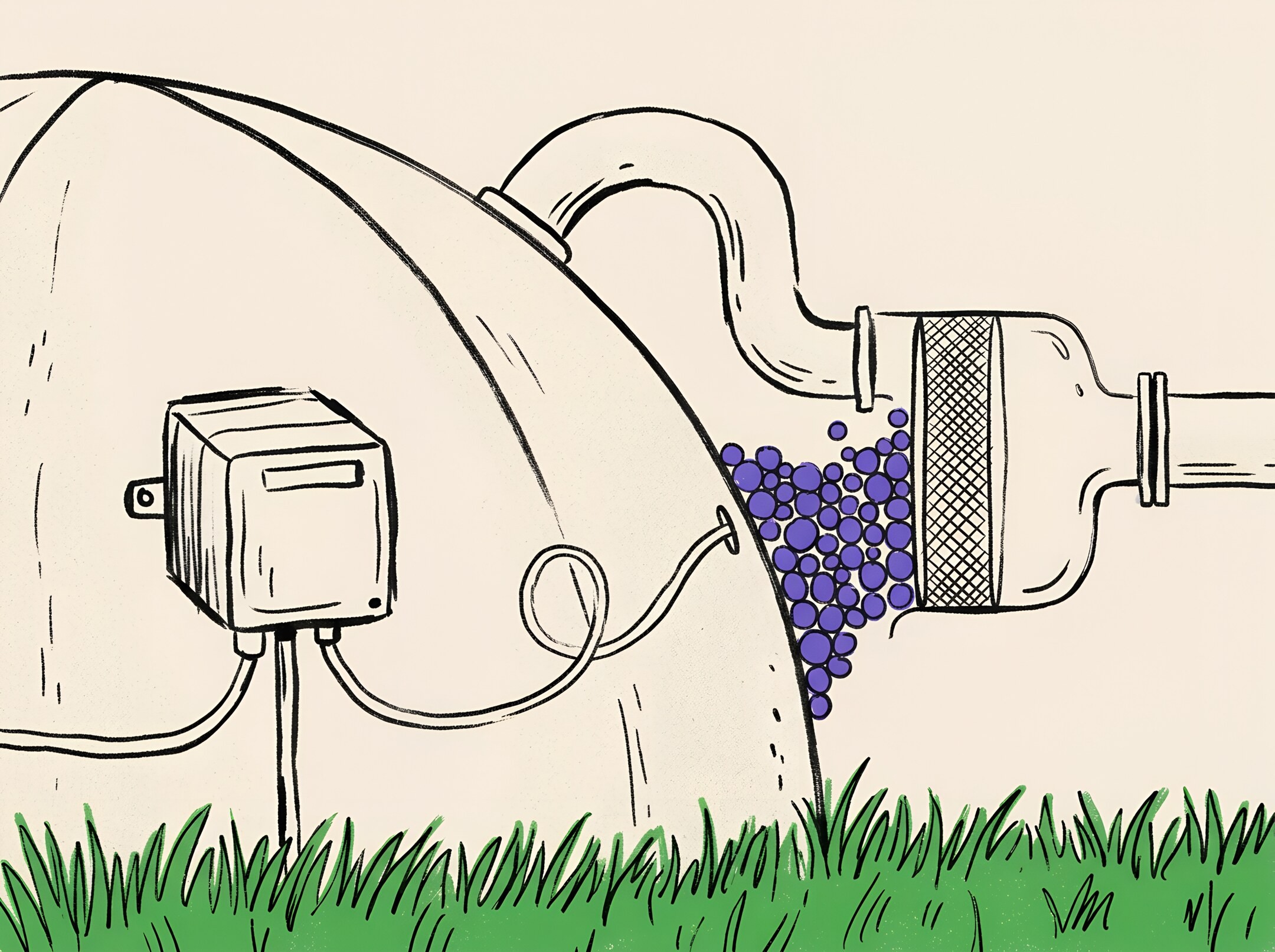

A clause buried in a gas tariff order makes oxygen a design parameter for Spanish biomethane plants, and shows how differently Europe handles a problem it hasn't yet agreed on.

Calculations by the DVGW research centre in Karlsruhe show that if small biogas plants reach the gas grid through a shared upgrading unit and injection point, investment falls by up to 55% and the biomethane injected rises by 16% compared with connecting plants one by one.
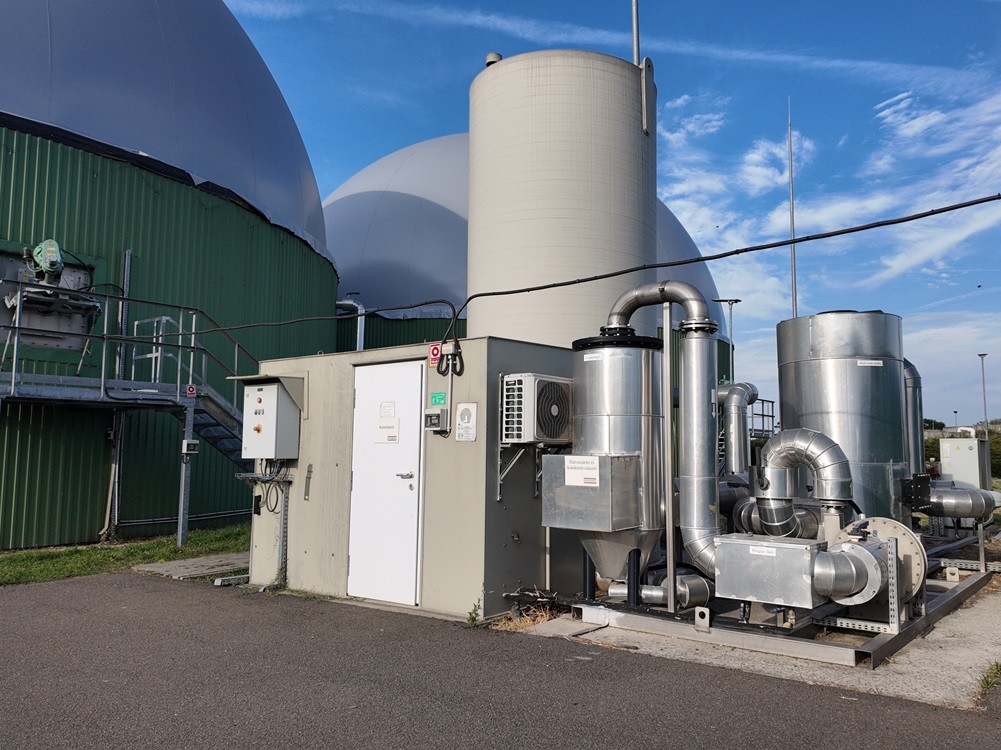
Dosing iron into the digester is one of a biogas plant's main defences against hydrogen sulphide, but iron chloride, iron hydroxide and iron oxide behave very differently – and reactivity matters more than the price per kilo.