Spain Cuts Biomethane's Oxygen Limit to 0.4 mol%
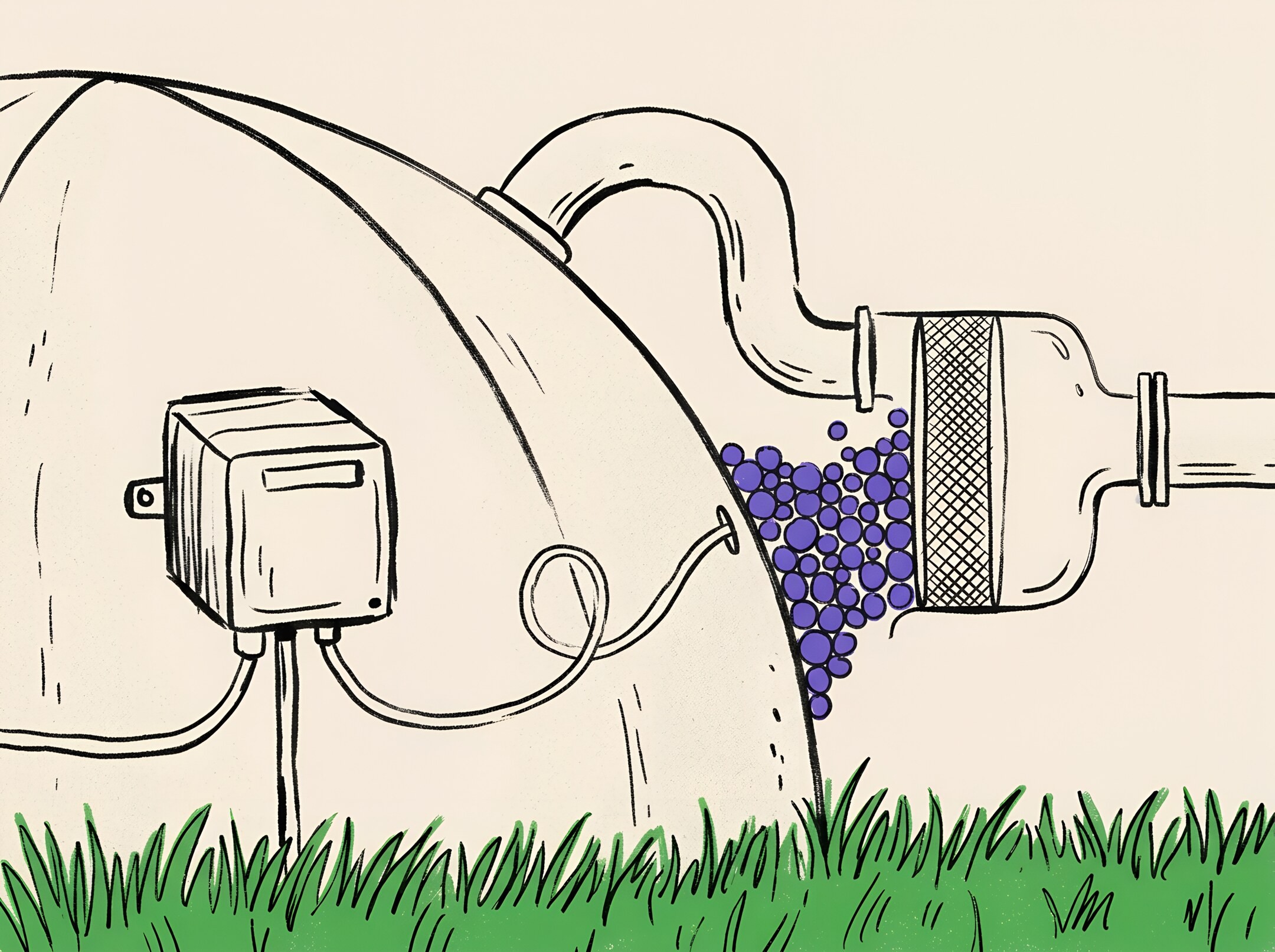
Spain's new gas tariff order is the sort of document few biogas operators would read for pleasure. Its main purpose is to set system charges for 2027. But one of its final provisions rewrites a gas quality rule, and for plants that remove hydrogen sulphide with air, it changes how the gas has to be made (Ministerio para la Transición Ecológica, 2026).
Order TED/1149/2026, published on 31 October, lowers the maximum oxygen content of injected biomethane from 1 mol% to 0.4 mol%, for transmission and distribution alike. It is a small number with large consequences, and it arrives while Europe still argues about what the right number is.
What the order says
The new limit applies at all pressure levels, on one condition: the system's technical manager must show, through hydraulic simulations, that sensitive installations remain safe. The timetable has two parts.

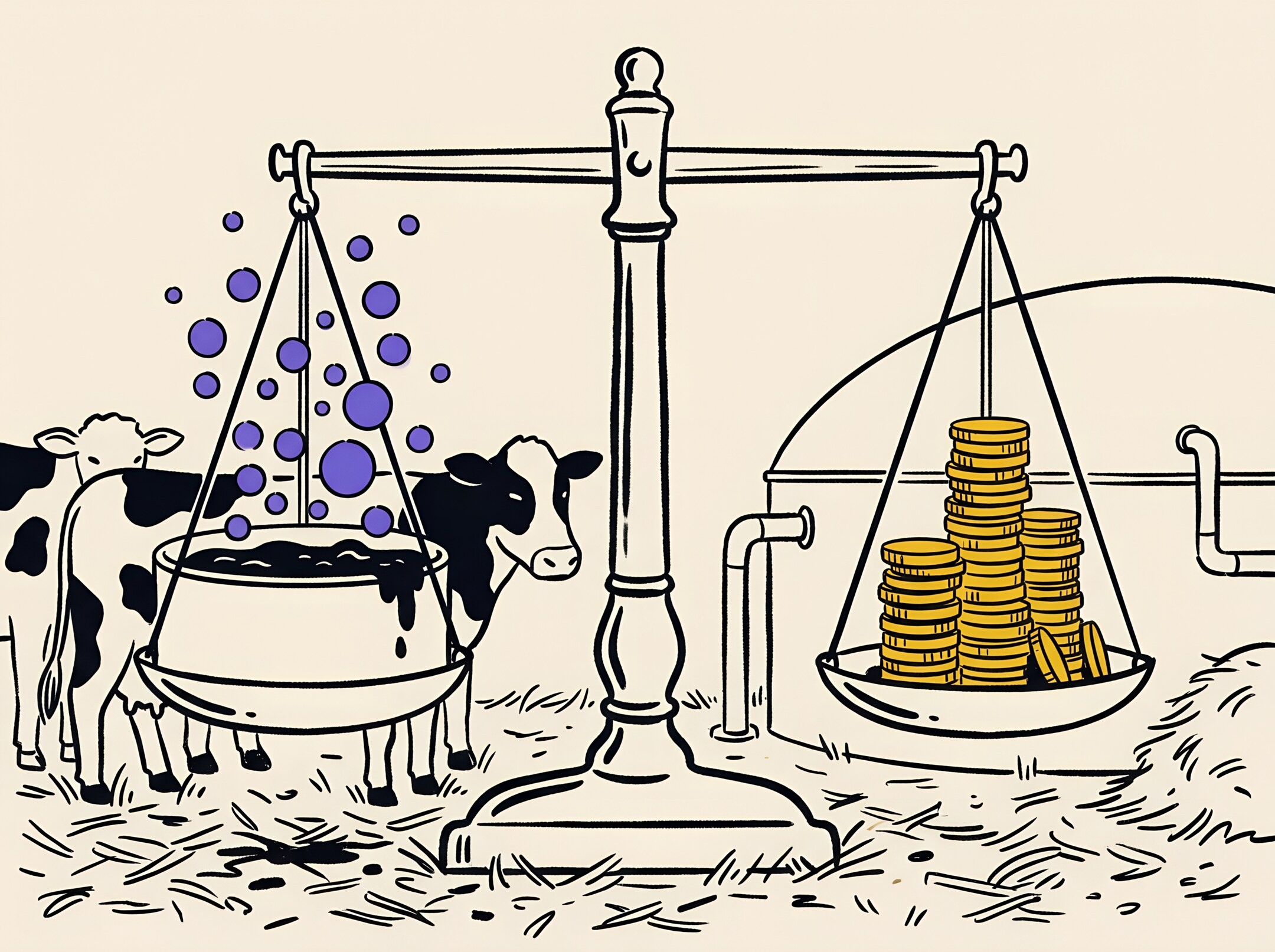

A model update in the United States quadrupled the tax credit for dairy-farm biomethane overnight, because the US credit pays for carbon intensity, while the European Union mostly measures the same performance as a pass or a fail.
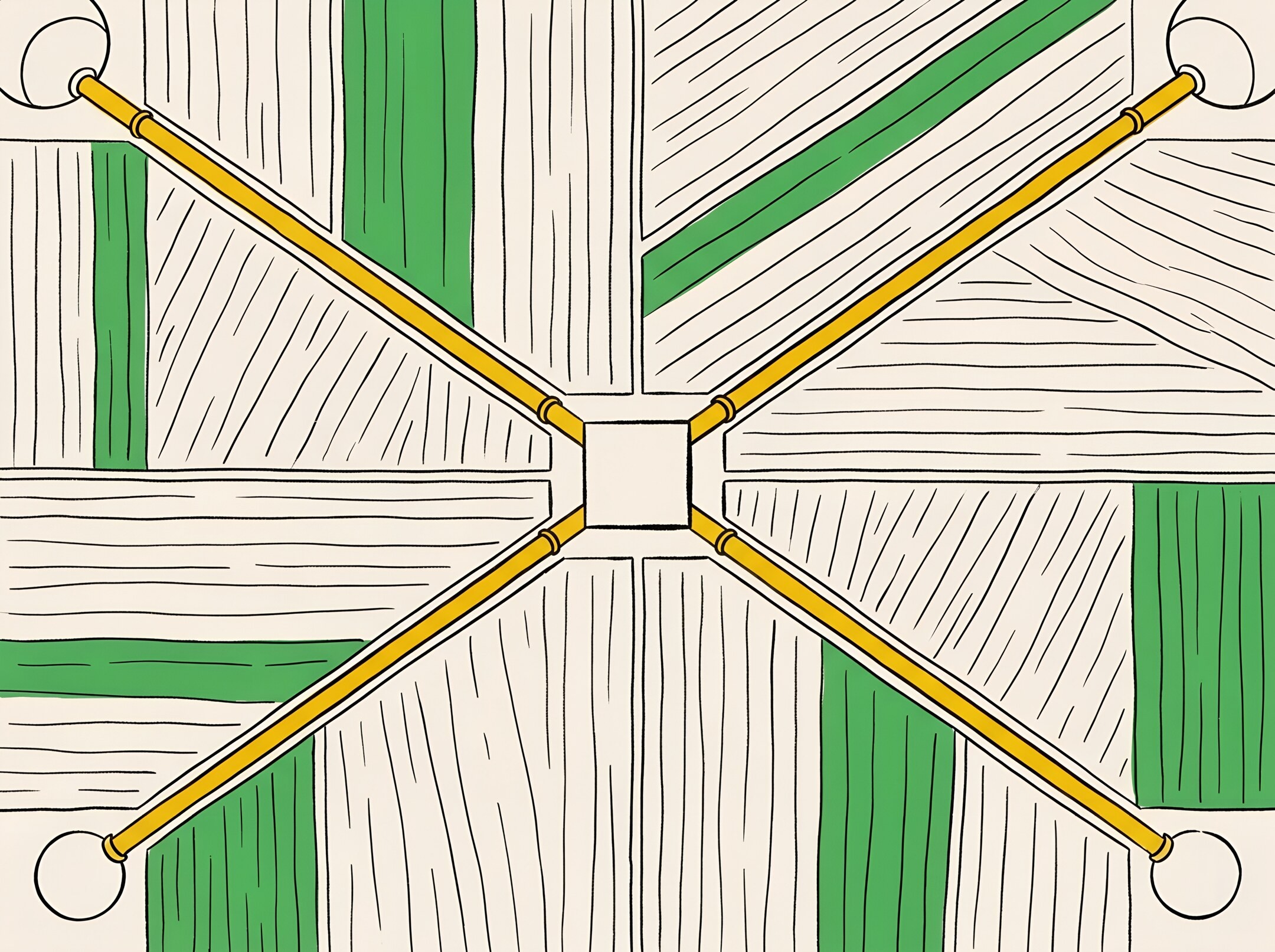

Calculations by the DVGW research centre in Karlsruhe show that if small biogas plants reach the gas grid through a shared upgrading unit and injection point, investment falls by up to 55% and the biomethane injected rises by 16% compared with connecting plants one by one.
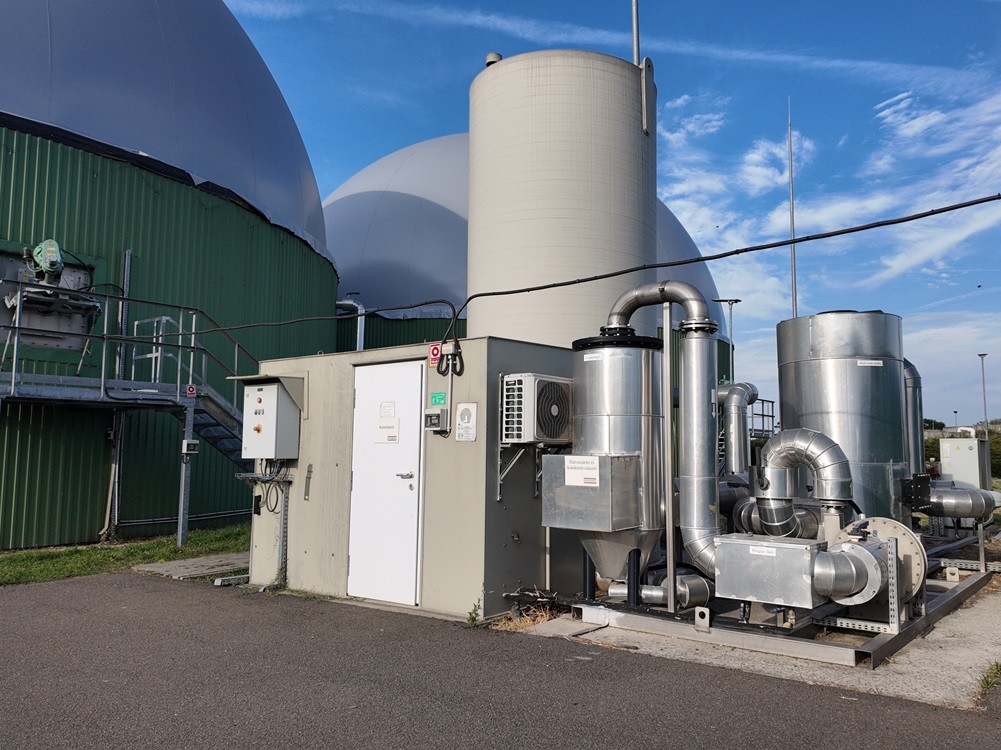
Dosing iron into the digester is one of a biogas plant's main defences against hydrogen sulphide, but iron chloride, iron hydroxide and iron oxide behave very differently – and reactivity matters more than the price per kilo.
Market data from Bavaria's state agricultural research institute show biogas plants earning 3–9 cents more per kilowatt-hour by producing in the most expensive hours instead of running at baseload, provided they invest in gas storage, larger engines and daily trading.