Industry Could Be Biomethane's Biggest Market
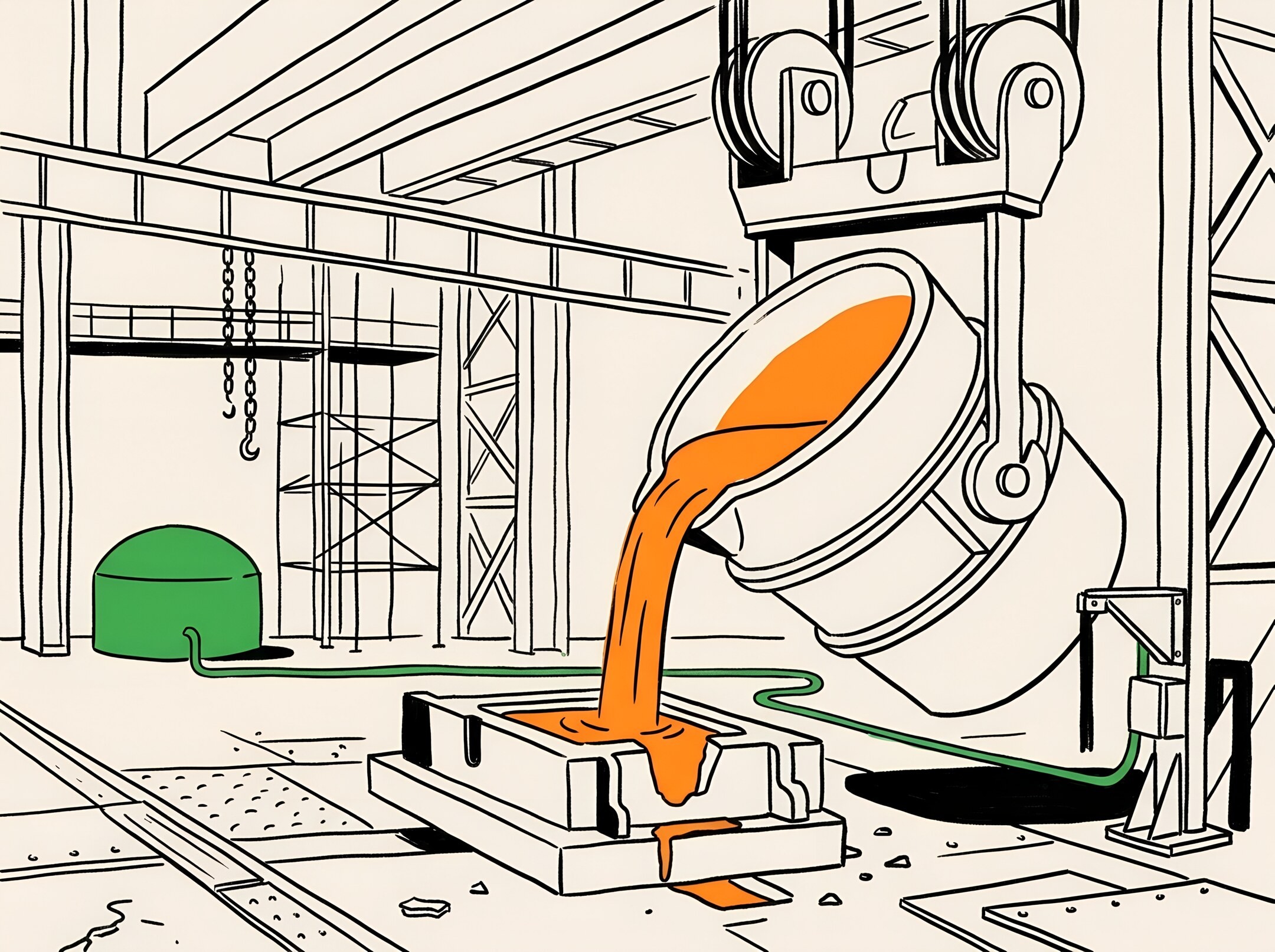
For years, the debate about biomethane centred on transport, heating and injection into the gas grid. A study by Common Futures and Guidehouse for the European Biogas Association (EBA), presented at European Biomethane Week in October 2026 (EBA, 2026), puts a different customer at the centre: industry. It finds that European industry's demand for biomethane could reach around 35 bcm a year by 2050 – a very different market for producers from the one they serve today.
What the study examined
According to the EBA, the authors carried out the first detailed assessment of potential industrial demand for biomethane by sector and by process. They compared biomethane with the other routes to decarbonisation – electrification, hydrogen, and carbon capture and storage (CCS) – and looked for the areas where it contributes most effectively to climate-neutral industrial production.
The study finds that industrial demand for biomethane could grow from around 10 bcm in 2030 to 30 bcm in 2040 and around 35 bcm in 2050. It sees strong potential in steel, chemicals, glass, ceramics, paper and industrial heat, with the strongest case in primary steelmaking and high-temperature heat.

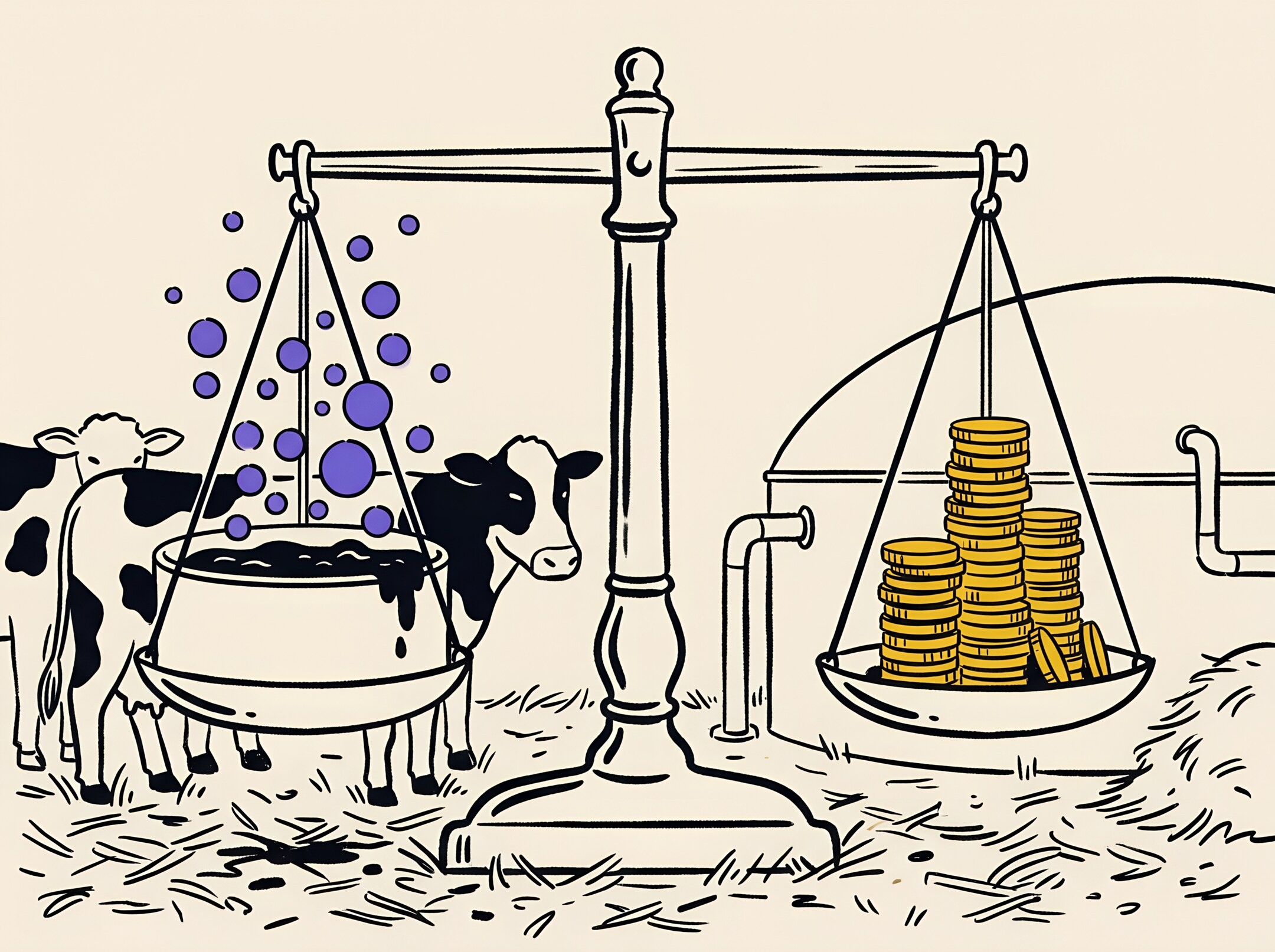

A model update in the United States quadrupled the tax credit for dairy-farm biomethane overnight, because the US credit pays for carbon intensity, while the European Union mostly measures the same performance as a pass or a fail.
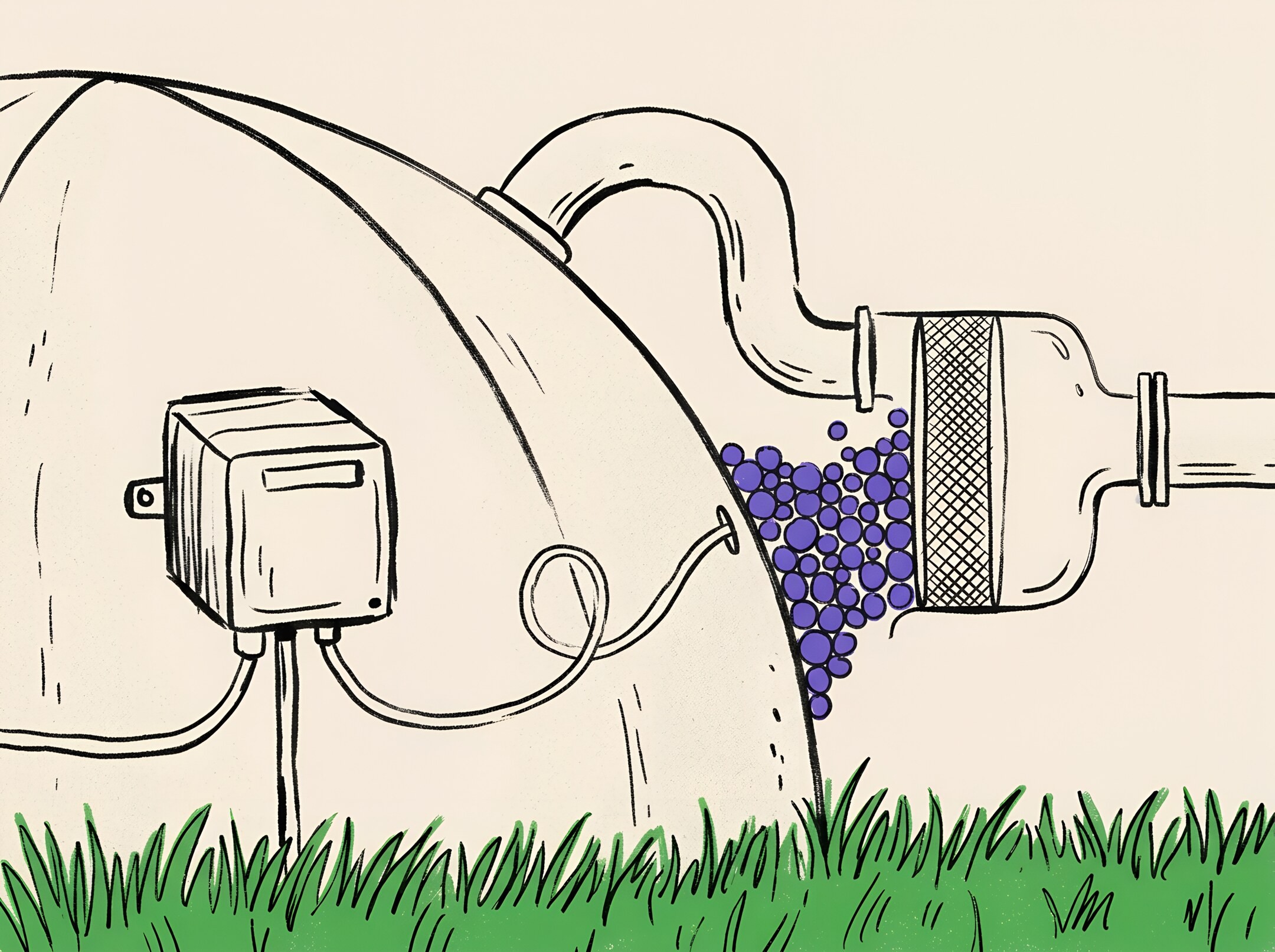

A clause buried in a gas tariff order makes oxygen a design parameter for Spanish biomethane plants, and shows how differently Europe handles a problem it hasn't yet agreed on.

Calculations by the DVGW research centre in Karlsruhe show that if small biogas plants reach the gas grid through a shared upgrading unit and injection point, investment falls by up to 55% and the biomethane injected rises by 16% compared with connecting plants one by one.
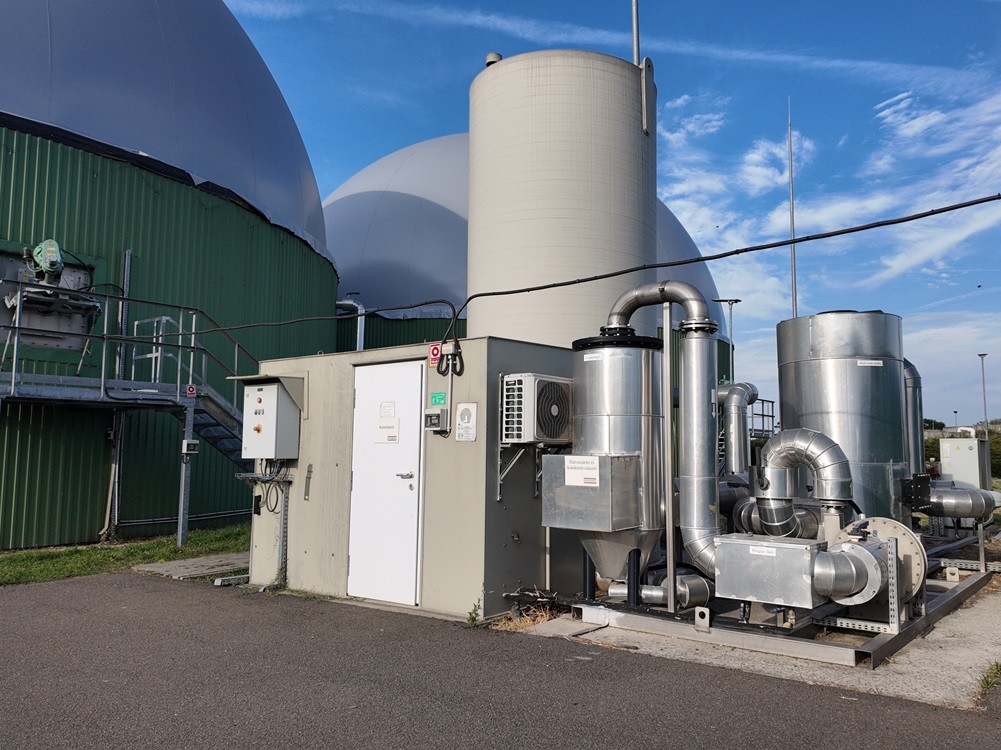
Dosing iron into the digester is one of a biogas plant's main defences against hydrogen sulphide, but iron chloride, iron hydroxide and iron oxide behave very differently – and reactivity matters more than the price per kilo.