AI in the Digester: What the Evidence Shows

Few processes at a wastewater treatment plant look as ripe for artificial intelligence as anaerobic digestion. Feedstock composition changes daily, feedback from the biology arrives late, and an upset can take weeks to recover from. Operators respond by running digesters conservatively, accepting less gas in exchange for stability. AI vendors promise to close that gap. Two studies published in September 2026 show how much of that promise has been demonstrated so far, and the answer is: less than the marketing suggests.
The promise
Yunus et al. (2026) set out the problem clearly. Full-scale digesters face varying feedstocks, seasonal temperature swings, co-digestion disturbances and nonlinear inhibition from volatile fatty acids, falling alkalinity and ammonia. Monitoring of key stability indicators is sparse, because sampling is manual and analysis expensive, and decisions depend heavily on operator experience. In the authors' view, digester performance is limited less by biology than by information and decision-making – exactly where data-driven control should help.
The authors also name the barrier to adoption: utilities are understandably reluctant to deploy autonomous control without rigorous evidence that it is safe.

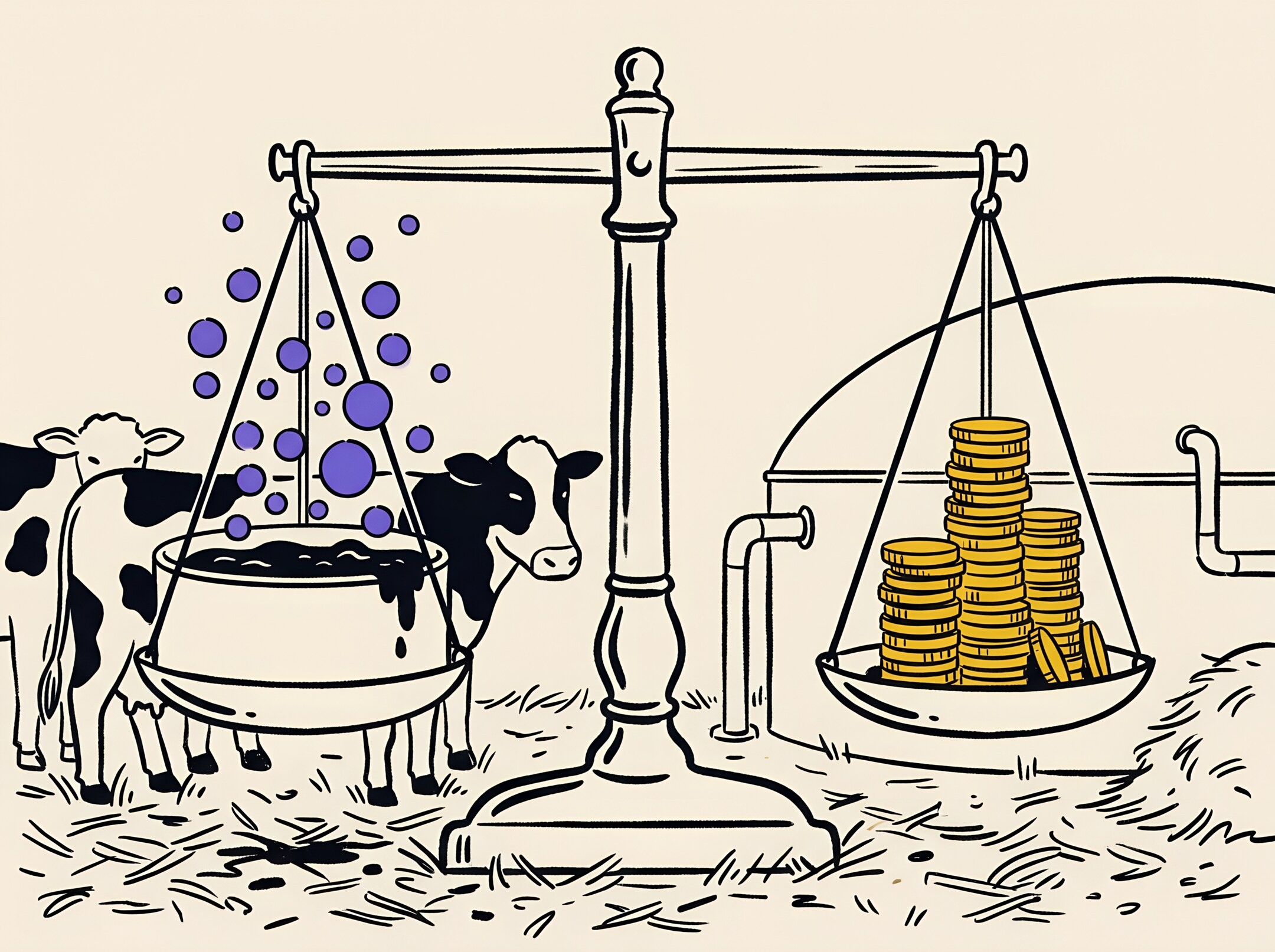

A model update in the United States quadrupled the tax credit for dairy-farm biomethane overnight, because the US credit pays for carbon intensity, while the European Union mostly measures the same performance as a pass or a fail.
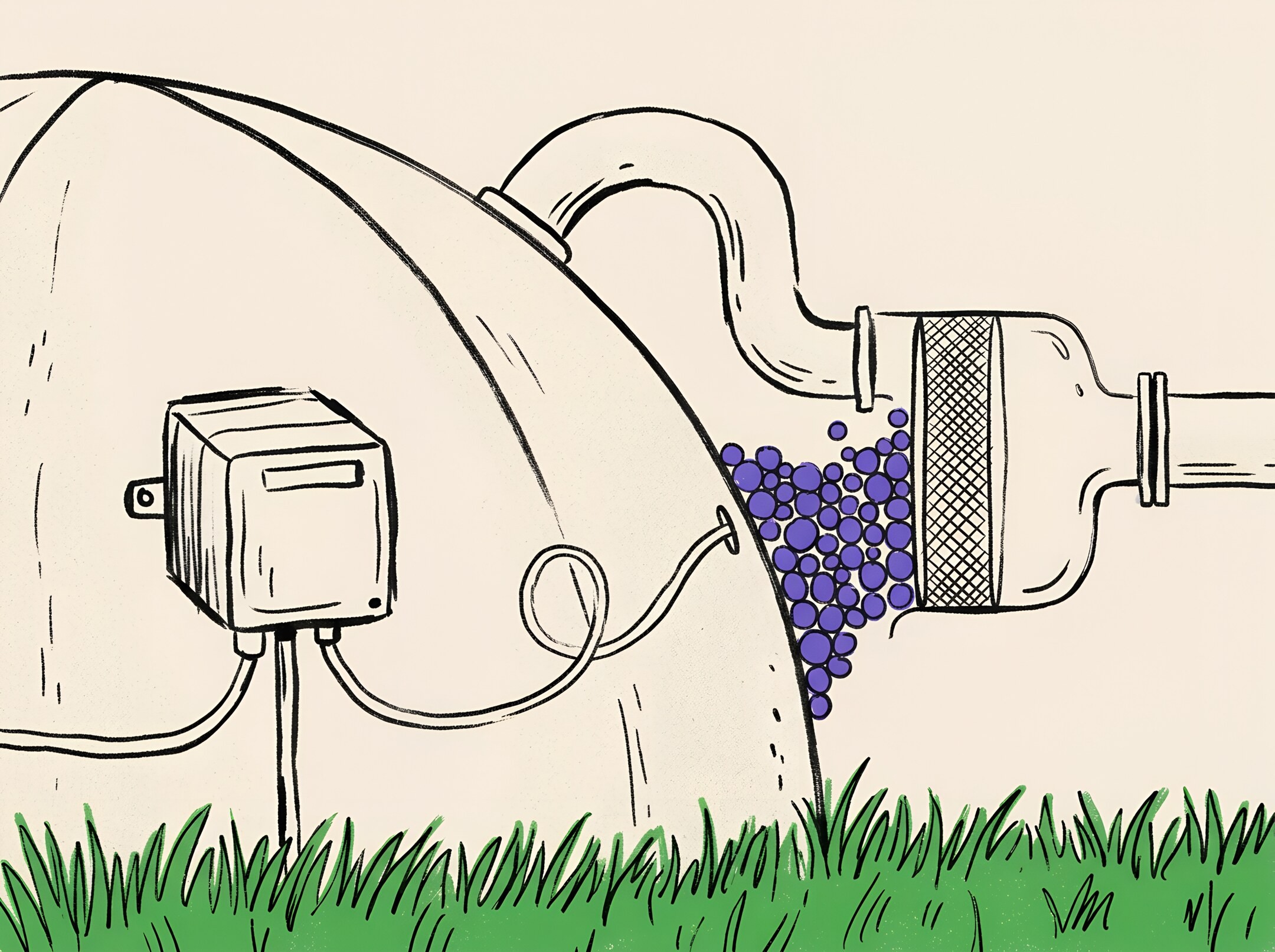

A clause buried in a gas tariff order makes oxygen a design parameter for Spanish biomethane plants, and shows how differently Europe handles a problem it hasn't yet agreed on.

Calculations by the DVGW research centre in Karlsruhe show that if small biogas plants reach the gas grid through a shared upgrading unit and injection point, investment falls by up to 55% and the biomethane injected rises by 16% compared with connecting plants one by one.
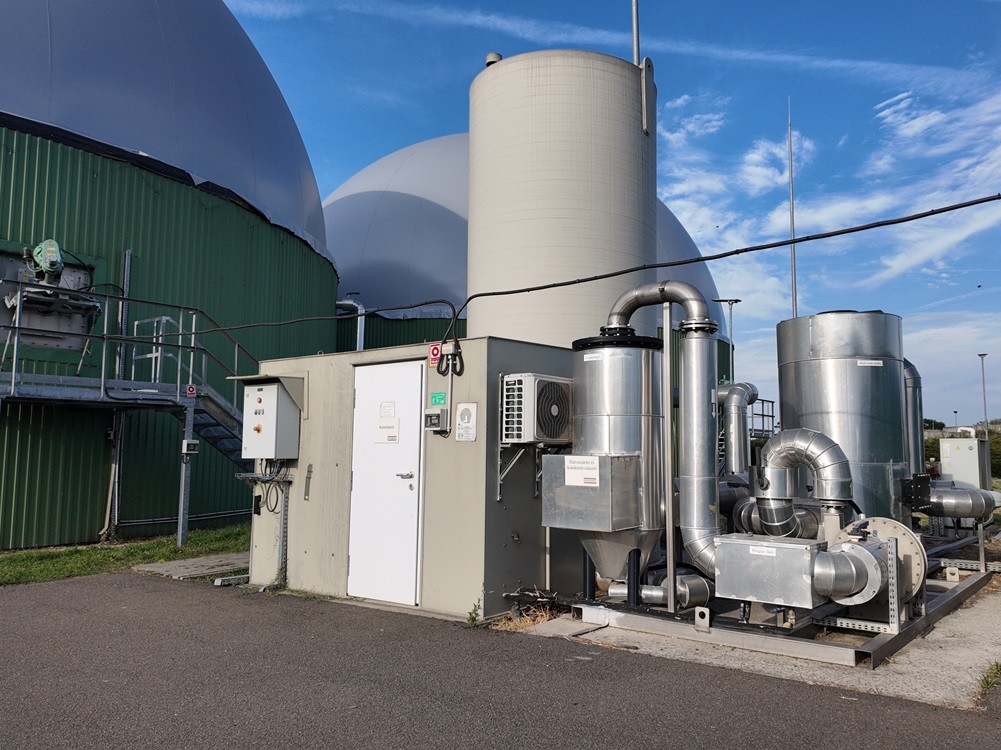
Dosing iron into the digester is one of a biogas plant's main defences against hydrogen sulphide, but iron chloride, iron hydroxide and iron oxide behave very differently – and reactivity matters more than the price per kilo.