Membranes and Carbon Protect the Swistbach

The EU wastewater directive will gradually require large plants to remove micropollutants by 2045, but in parts of Germany quaternary treatment stages are already being built. One of the newest went into operation on 6 October 2026 at the Rheinbach-Flerzheim group treatment plant near Bonn (Erftverband, 2026). Erftverband, the water management association for the region west of Cologne, combines membrane filtration with powdered activated carbon – at a site where the sensitivity of the receiving stream makes a particularly strong case for tighter treatment.
A stream that is mostly treated effluent in summer
The plant treats wastewater from Meckenheim, Rheinbach and Wachtberg and parts of Altenahr and Grafschaft in neighbouring Rhineland-Palatinate, and discharges to the Swistbach. In summer, treated effluent from the plant can account for around 90% of the stream's flow, and its water is used to irrigate fruit and vegetable crops. The quality of treatment therefore directly determines both the state of the stream and the quality of the irrigation water.
Nitrogen and phosphorus were already largely removed before the upgrade. The new stage improves the removal of micropollutants, suspended solids and pathogens.

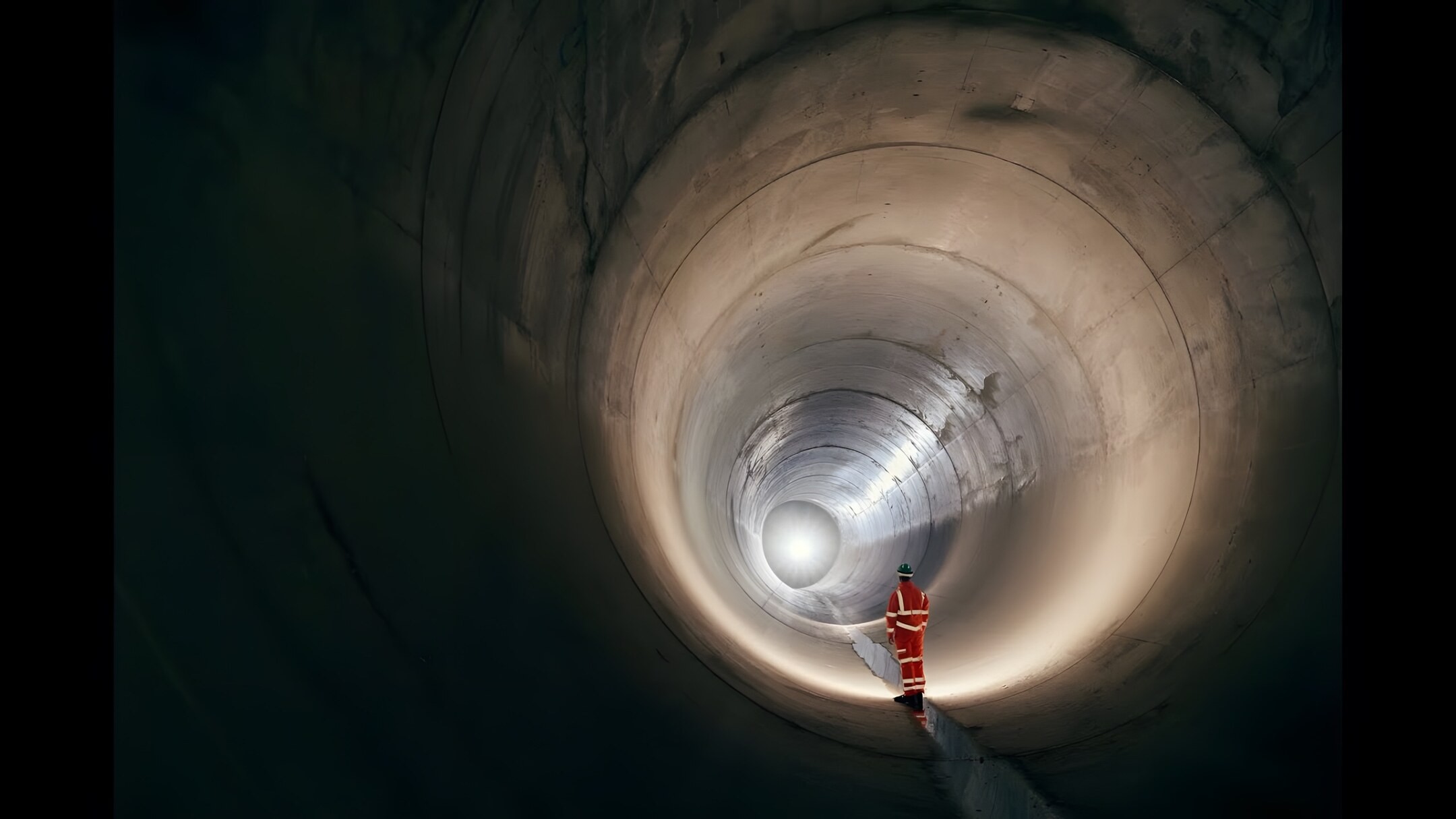

London's Thames Tideway Tunnel cut storm sewage discharges to the tidal Thames by 86% in its first full year, and its first benefits report is just as clear about what one dry year cannot yet prove.
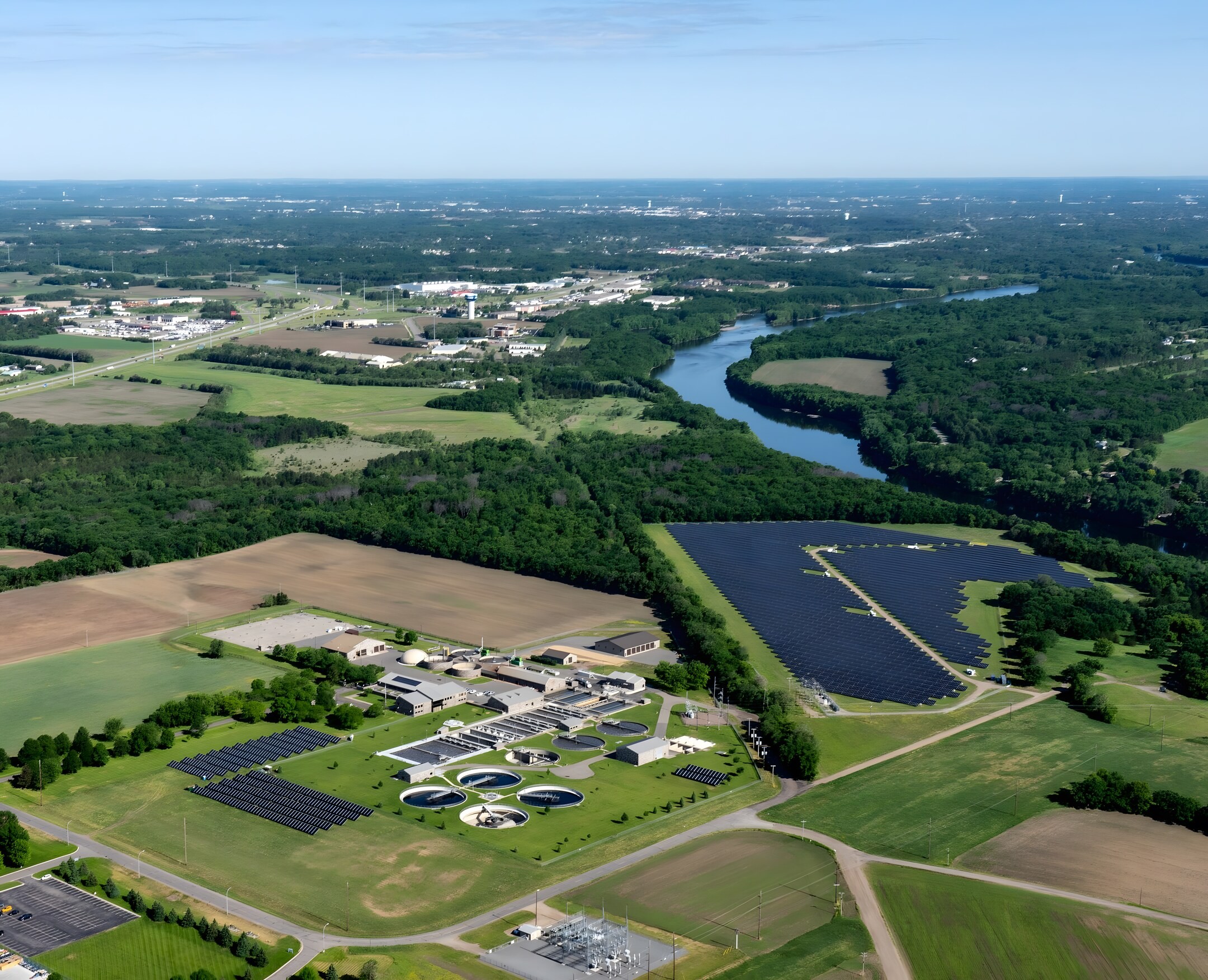
Wastewater treatment does not break down PFAS, so the chemicals collect in sludge, and just as farmland is closing to it in more places, the technologies that can destroy them are leaving the pilot stage.
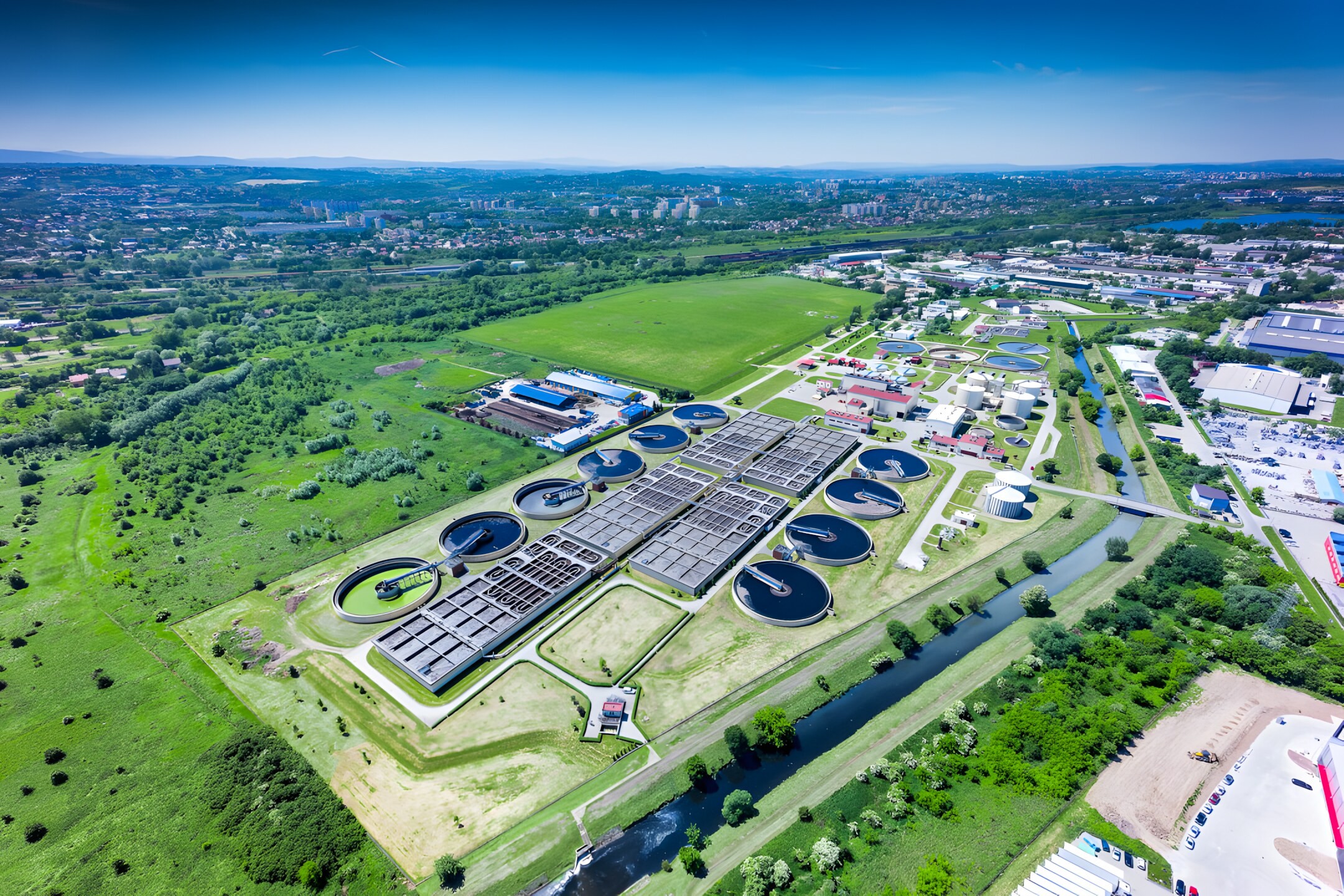
Kraków's smaller wastewater plant already covers about 80% of its electricity demand with biogas, the larger one 45%, and their upgrades show what it still takes to reach the EU's 2045 target.