What to Do With PFAS-Laden Sewage Sludge
For decades, treatment plants have regarded sludge as a valuable by-product: rich in nutrients and organic matter, and useful as fertiliser on farmland. PFAS, the so-called forever chemicals, change that equation. They break down neither in treatment nor in the environment, and they collect in sludge.
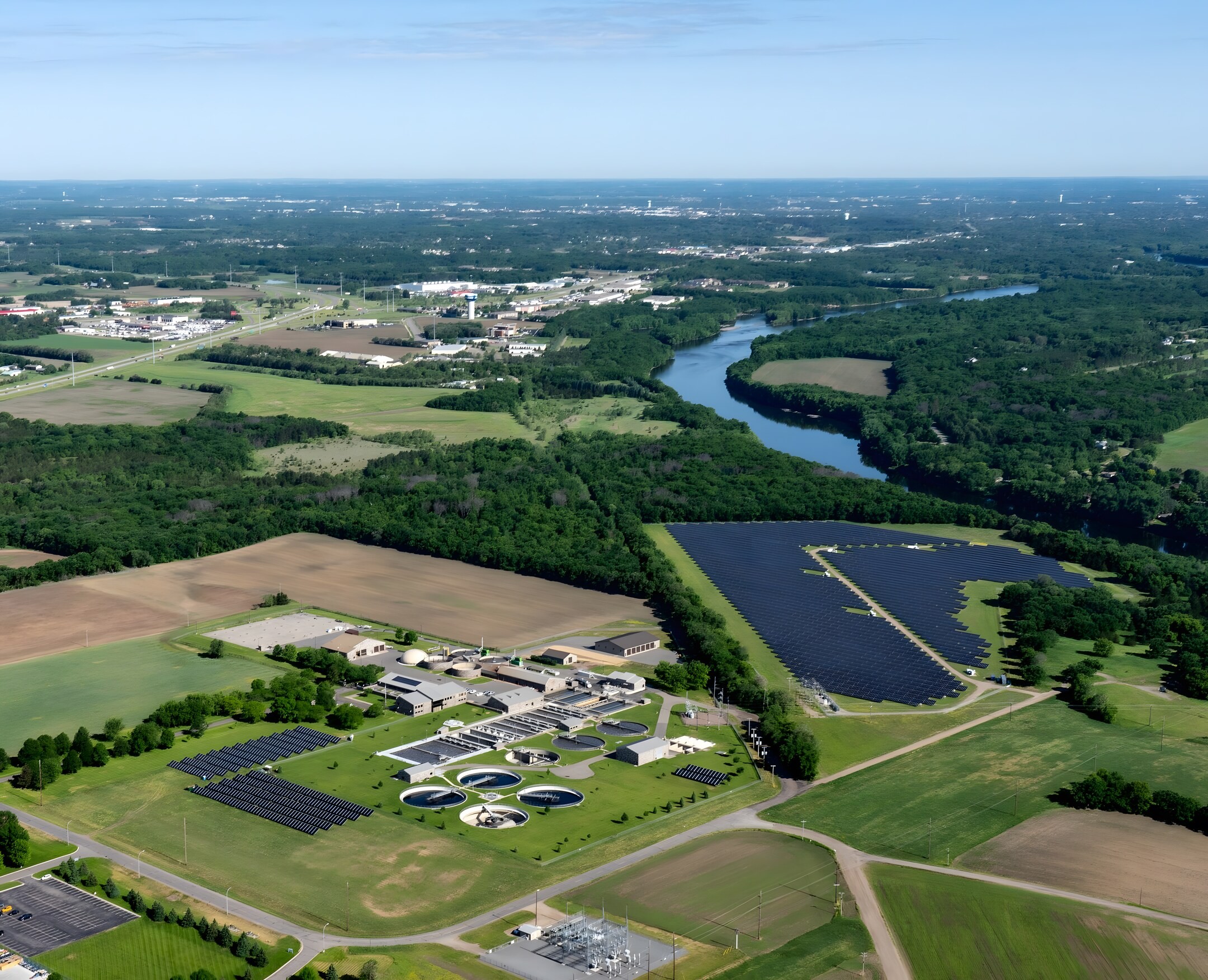
If sludge cannot go to farmland, it has to go somewhere else. Several US states have already decided where; in Europe, regulation has yet to move beyond heavy metals. Meanwhile, destruction technologies are slowly leaving the laboratory, and one of the most promising, supercritical water oxidation, is being tested at a wastewater plant in Minnesota.
Why PFAS end up in sludge
According to the US Environmental Protection Agency (EPA), conventional wastewater treatment neither removes nor destroys PFOA and PFOS, the two most studied PFAS, and they typically accumulate in sewage sludge (EPA, 2025).

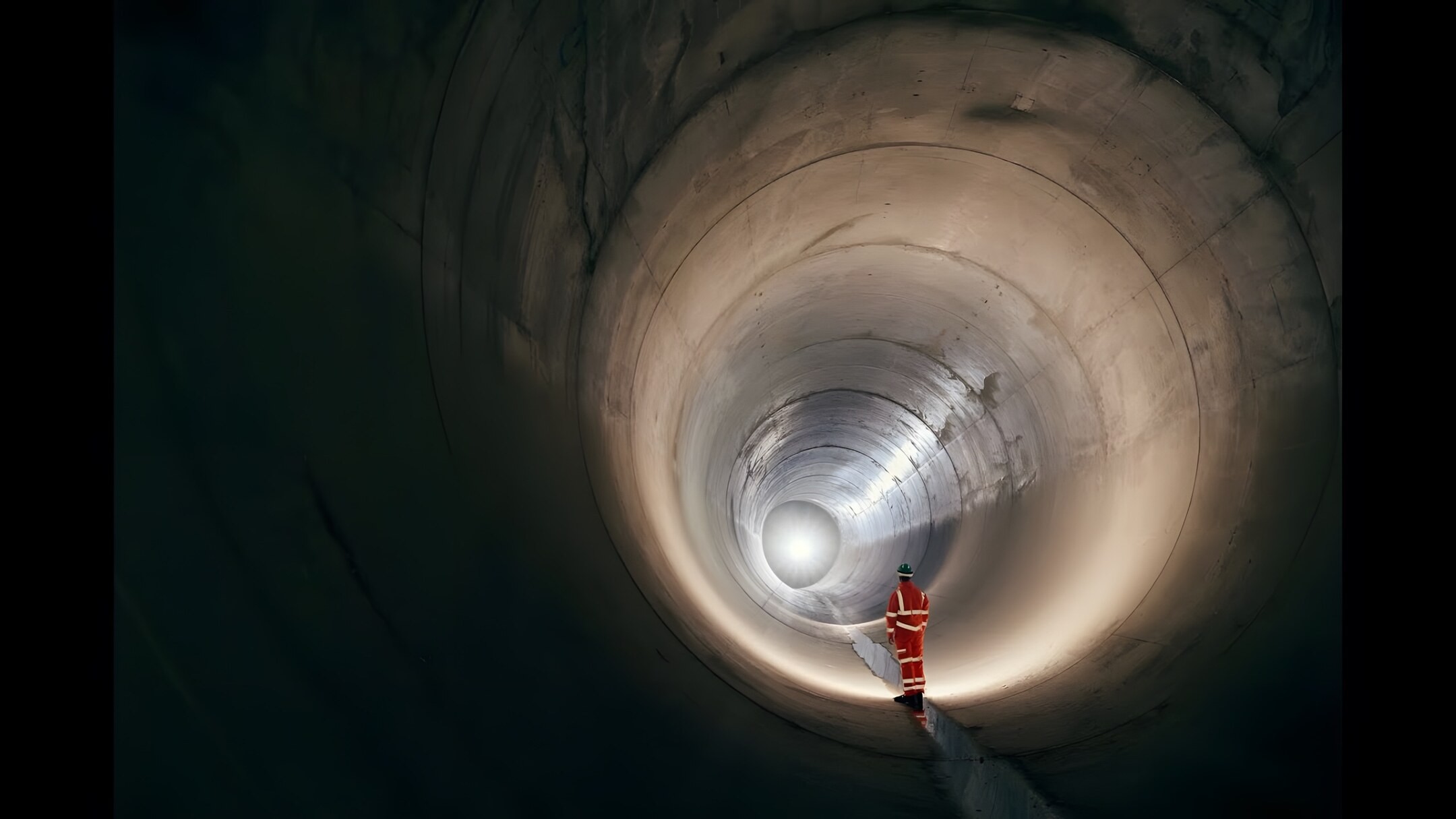

London's Thames Tideway Tunnel cut storm sewage discharges to the tidal Thames by 86% in its first full year, and its first benefits report is just as clear about what one dry year cannot yet prove.
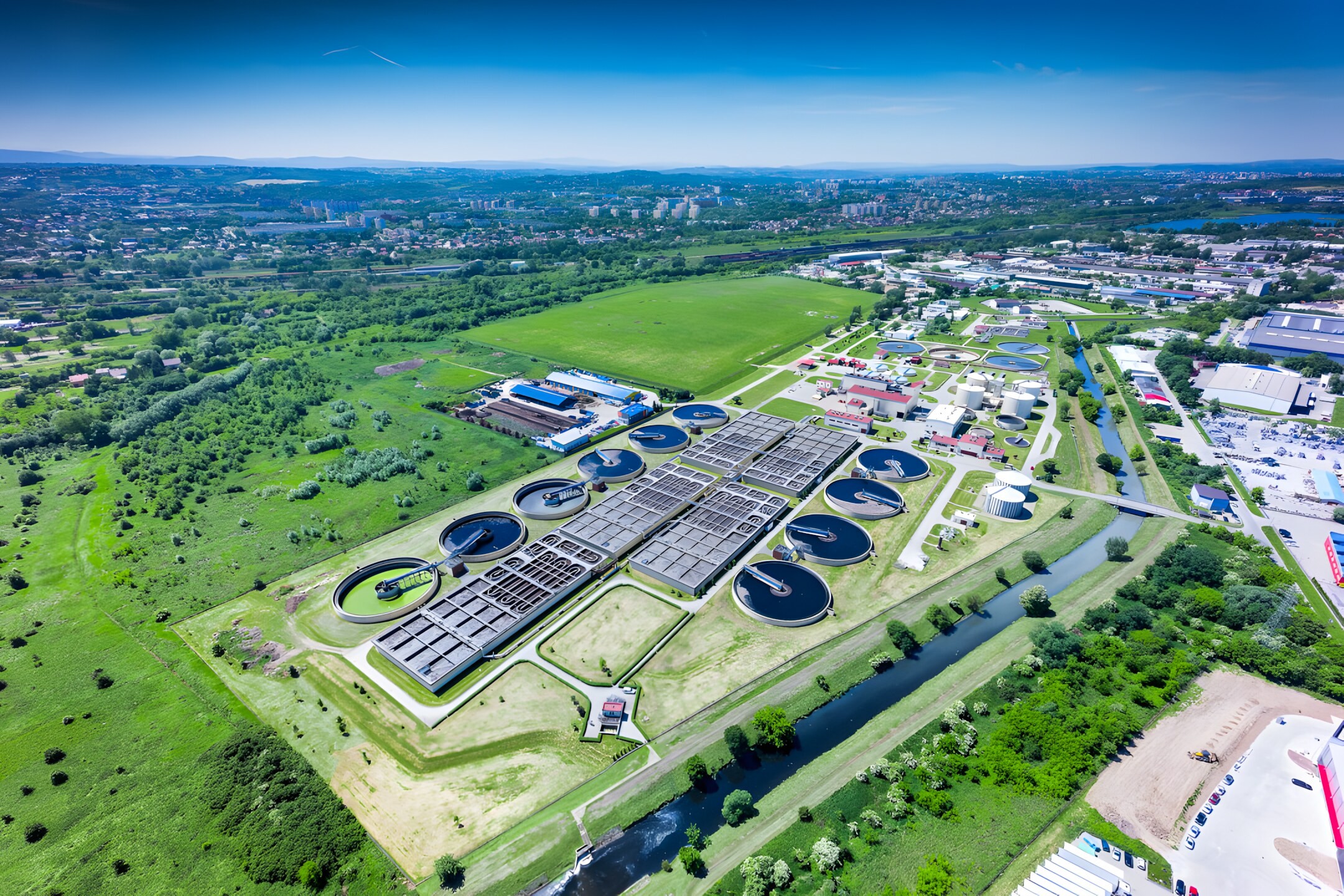
Kraków's smaller wastewater plant already covers about 80% of its electricity demand with biogas, the larger one 45%, and their upgrades show what it still takes to reach the EU's 2045 target.

After three years of construction, the Rheinbach-Flerzheim wastewater plant has commissioned a fourth treatment stage that combines membrane filtration with powdered activated carbon, ahead of a stream that in summer carries little but treated effluent.