Beyond the Flush
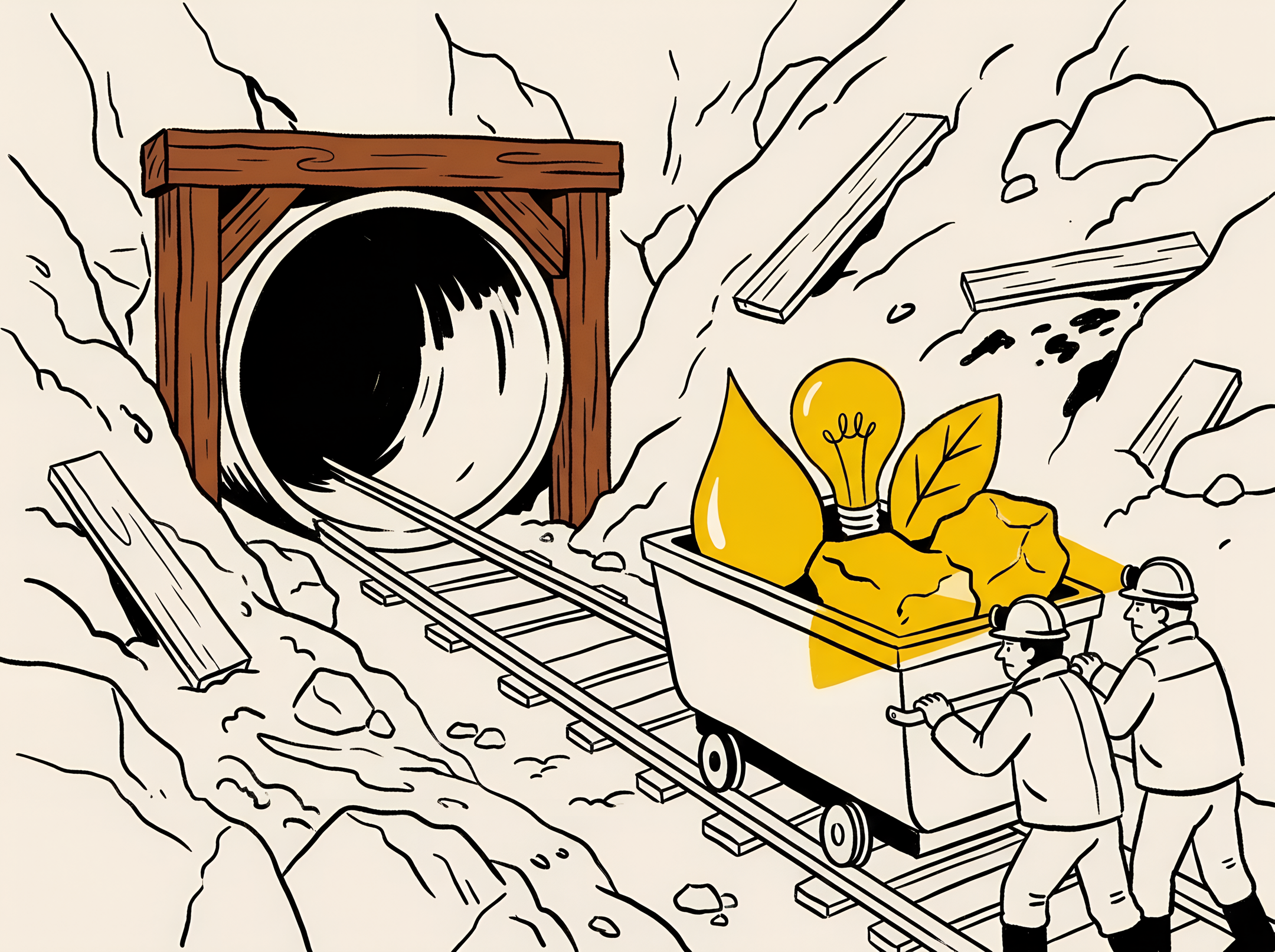
The failure of the end-of-pipe paradigm
For decades, wastewater treatment around the world has been organised around a single question: how can polluted water be cleaned as efficiently as possible so that it does not harm receiving ecosystems? The view is justified but narrow – it ignores the fact that wastewater is not just a problem to be treated but an untapped resource.
A comprehensive 2026 study (Ganesapillai et al., 2026) proposes a new approach. The research – by scientists from the Vellore Institute of Technology, the University of Allahabad, Newcastle University, the Chennai Institute of Technology and Indonesia's Universitas Syiah Kuala – sees wastewater treatment plants as resource recovery facilities rather than energy-hungry infrastructure that generates secondary waste.
The study's starting point is simple but striking: more than 360 km³ of wastewater is generated worldwide every year, and over 40% of it remains untreated. Yet this "waste" is far from worthless. Estimates suggest that the wastewater produced globally each year contains 16.6 million tonnes of nitrogen, 3 million tonnes of phosphorus and 6.3 million tonnes of potassium – as well as chemical energy far greater than the energy conventional treatment requires.

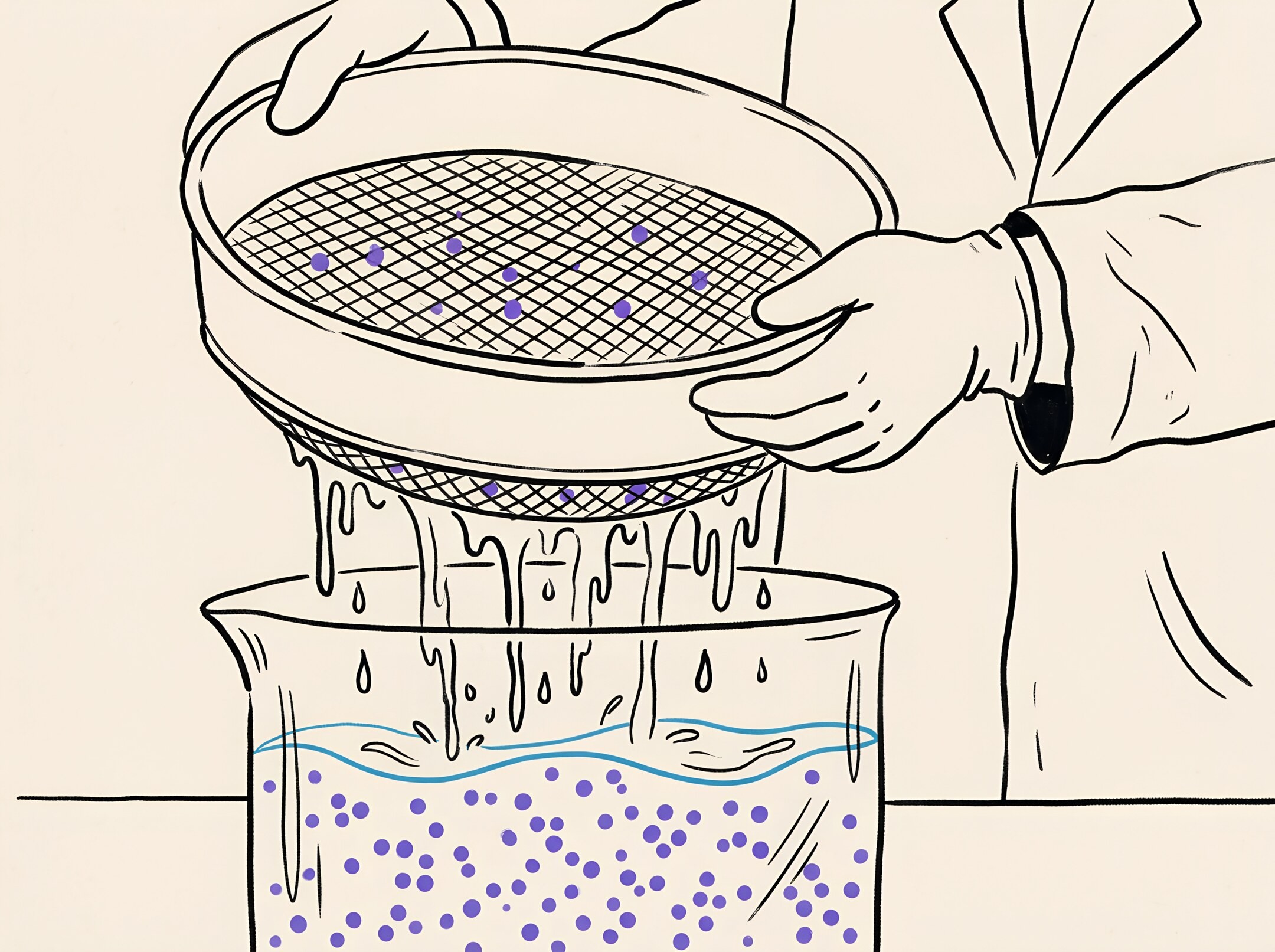

A national Swiss campaign has run every PFAS method in the Commission's guidelines side by side, and none of them can name most of the organic fluorine in wastewater.
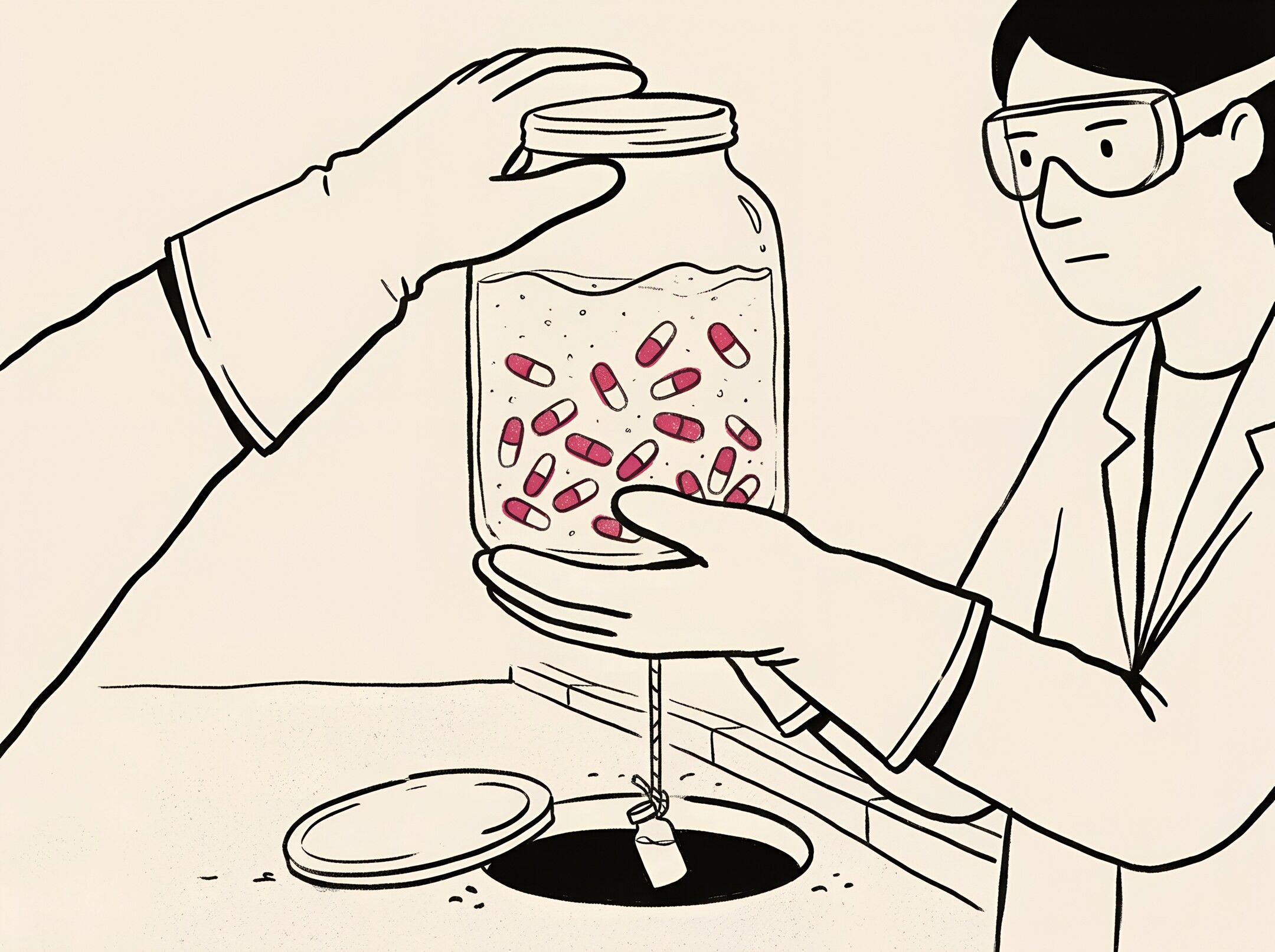
Europe is about to make wastewater monitoring for antimicrobial resistance routine, while researchers warn that the numbers it produces can't yet say how many people are affected or what risk they face.
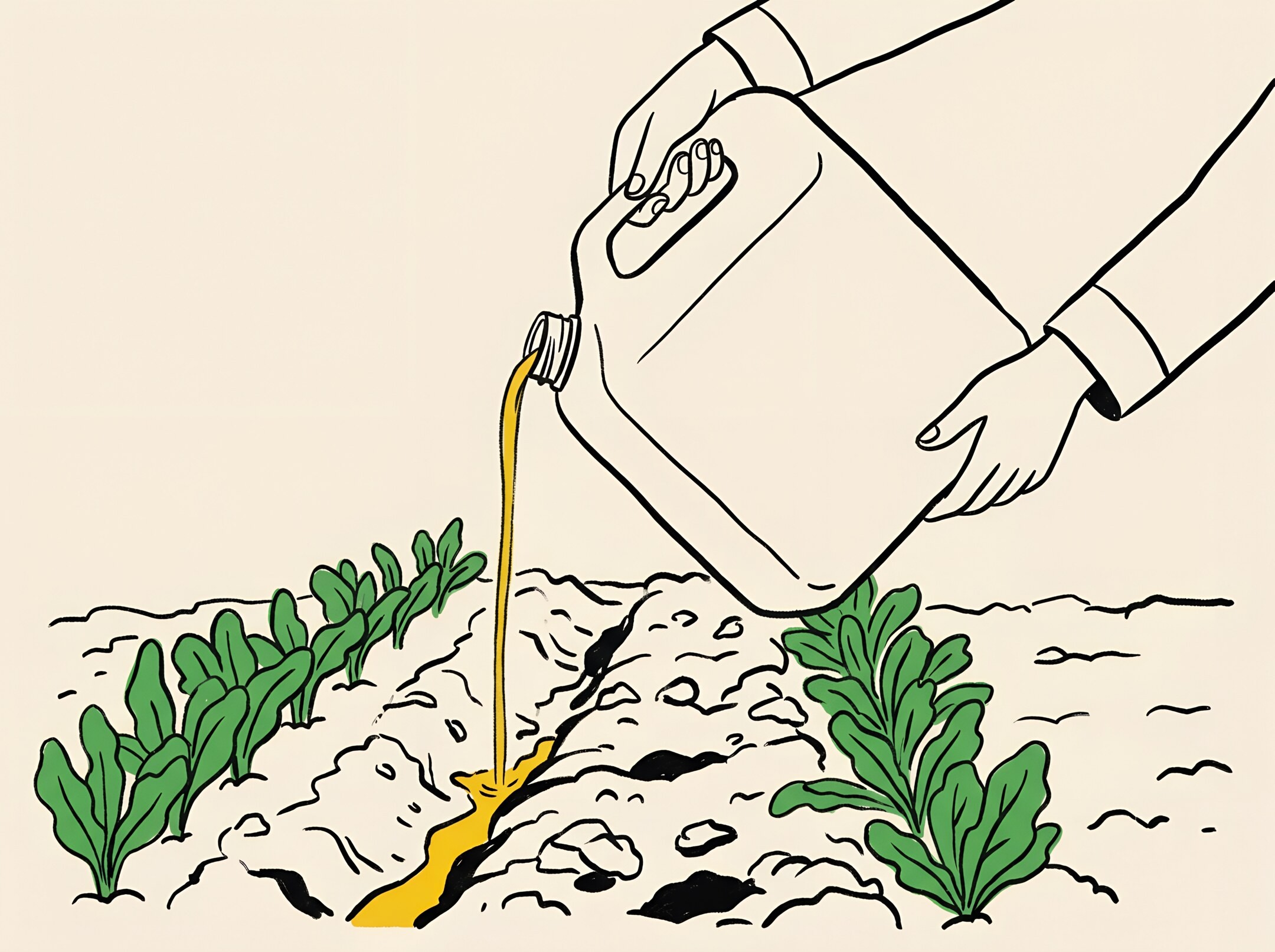
A meta-analysis of 455 datasets finds that fertilisers made from separated urine and faeces perform as well as mineral fertiliser, so the open questions are now quality assurance and regulation.

Prague's draft law transposing the recast EU wastewater directive puts the investment bill at up to CZK 176 billion and gives a detailed view of what the rules mean for a central European member state.