Artificial Intelligence for Safer Drinking Water

The global water sector is caught in an old paradox: it collects huge amounts of data – from sensors, SCADA systems, customer feedback and maintenance logs – yet uses very little of it. The data sit scattered across separate, isolated systems while decision-makers struggle daily to see the full picture. The literature aptly calls this state "data rich, information poor" (DRIP).
A 2025 British study (Mounce et al., 2025) explores how to escape this trap with the help of generative artificial intelligence (GenAI) and large language models (LLMs). Researchers at the University of Sheffield and Mounce Hydrosmart focused on one of the most critical areas for protecting drinking water quality: handling water quality incidents in real time.
Why protecting water quality matters so much
Safe drinking water is a fundamental public health issue. According to one study, the United States sees 7.15 million waterborne illnesses a year, causing nearly 120,000 hospital admissions and more than 6,000 deaths, at an annual economic cost of around $3.3 billion.

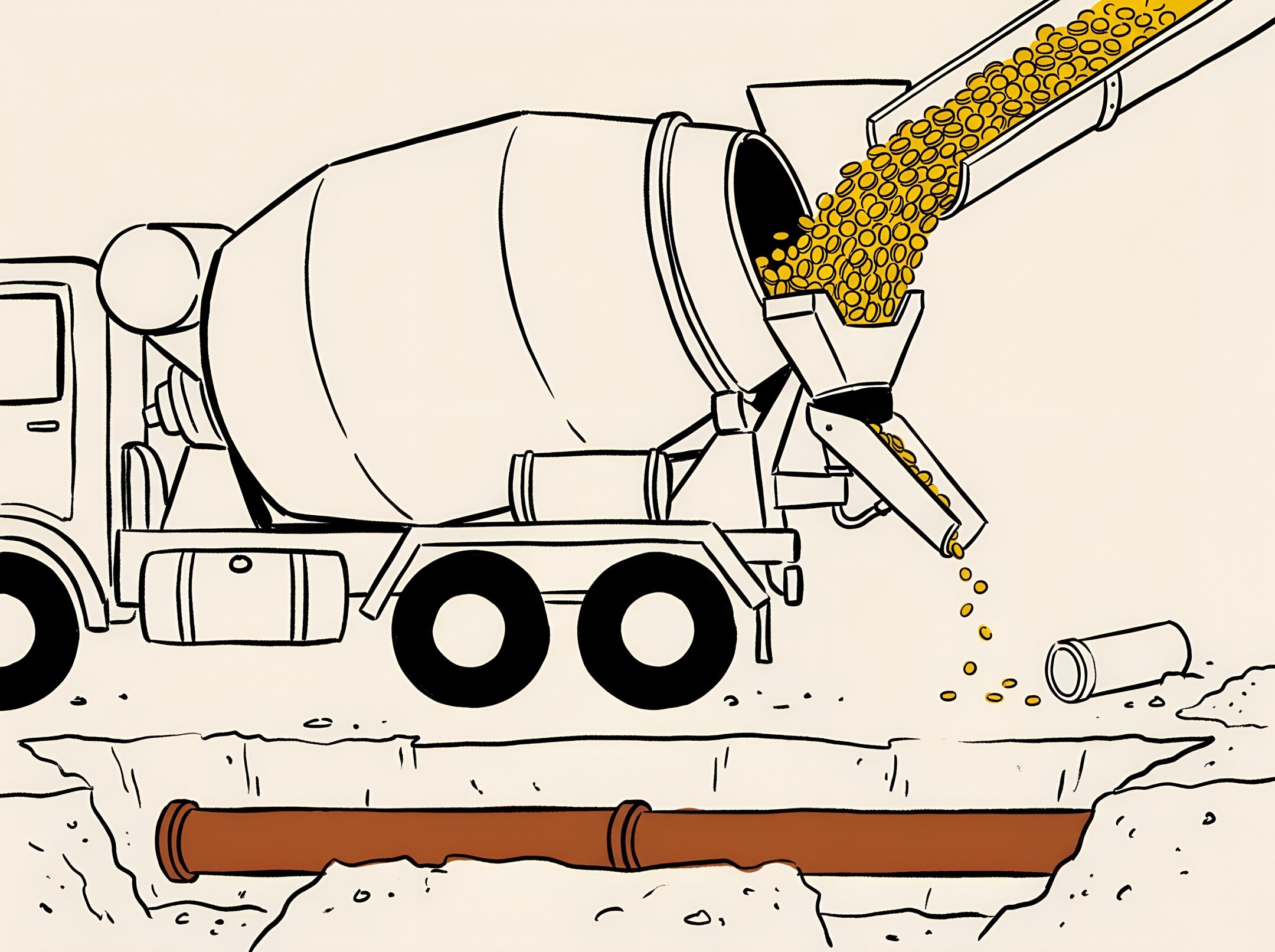

Europe's water utilities are investing 16% more than a year ago, but EurEau's latest figures show that construction inflation absorbed most of the increase and that pipe renewal has not sped up.
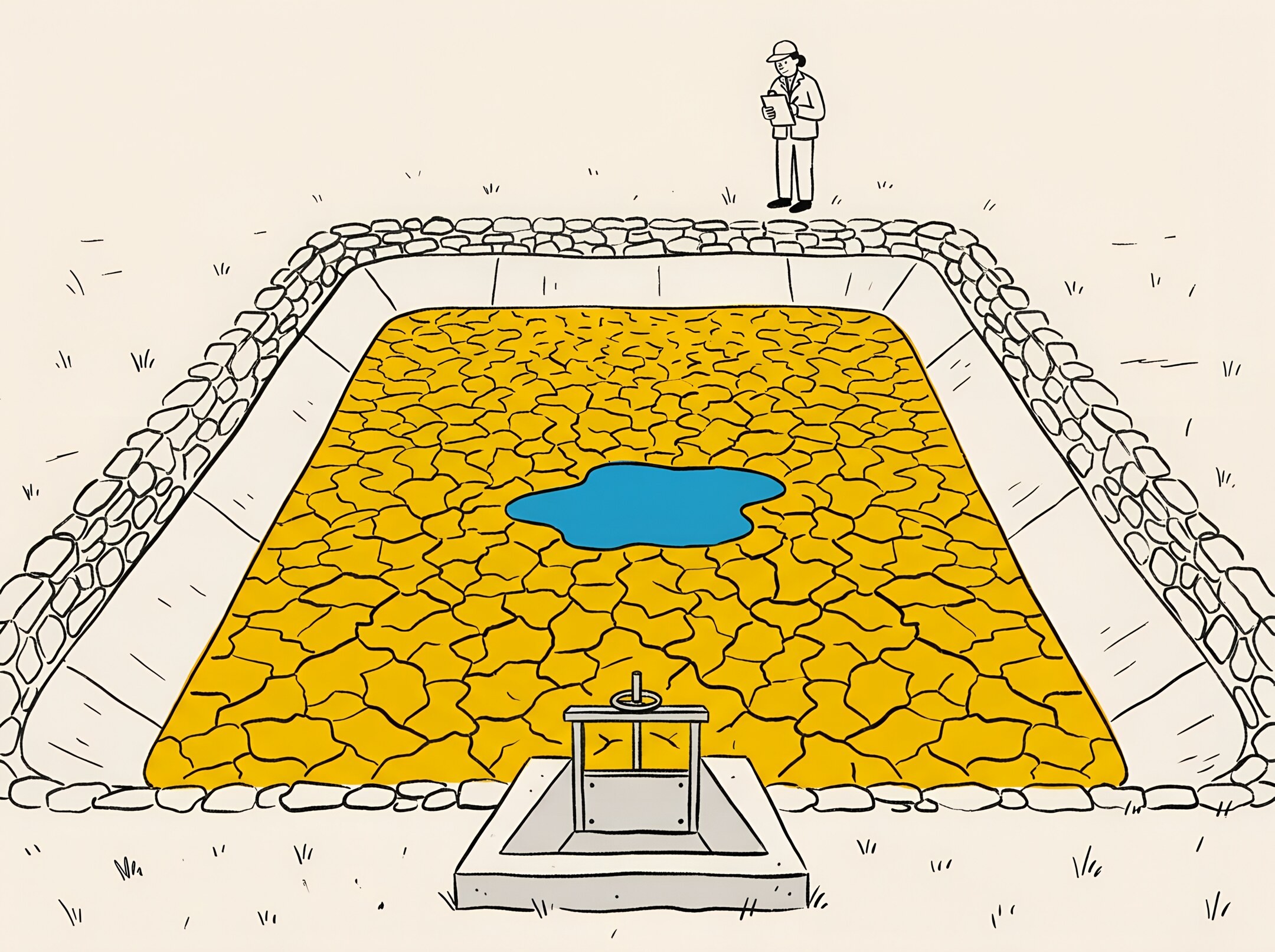

The Czech agriculture ministry can list pipelines, ponds and hectares after nine years of drought spending, but in the worst groundwater summer in decades it cannot yet show what they changed.
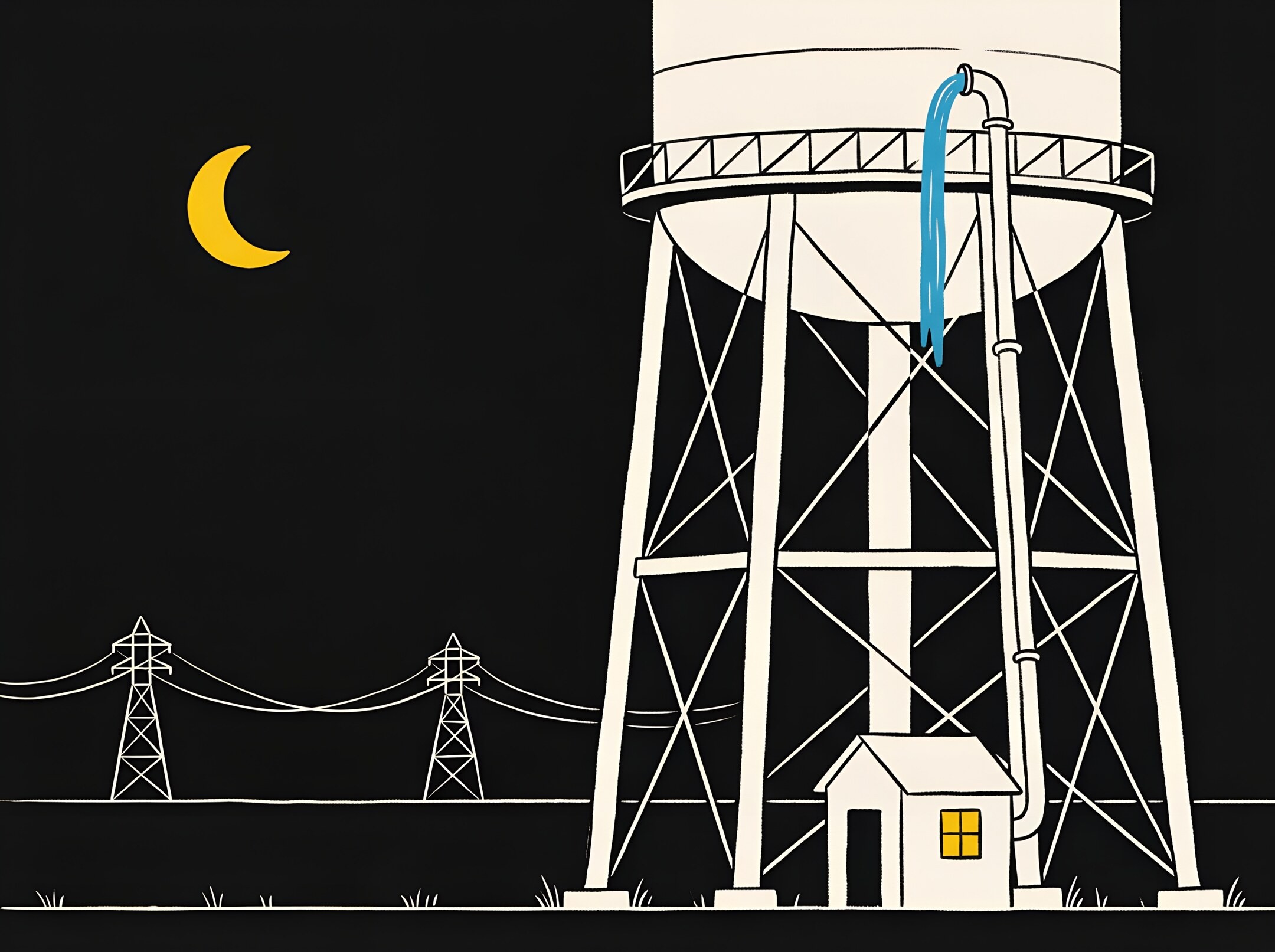
The Commission wants network tariffs to reward whoever can shift load away from the peak, and that makes pumping stations and aeration basins, which rarely feature in the debate, part of the argument.
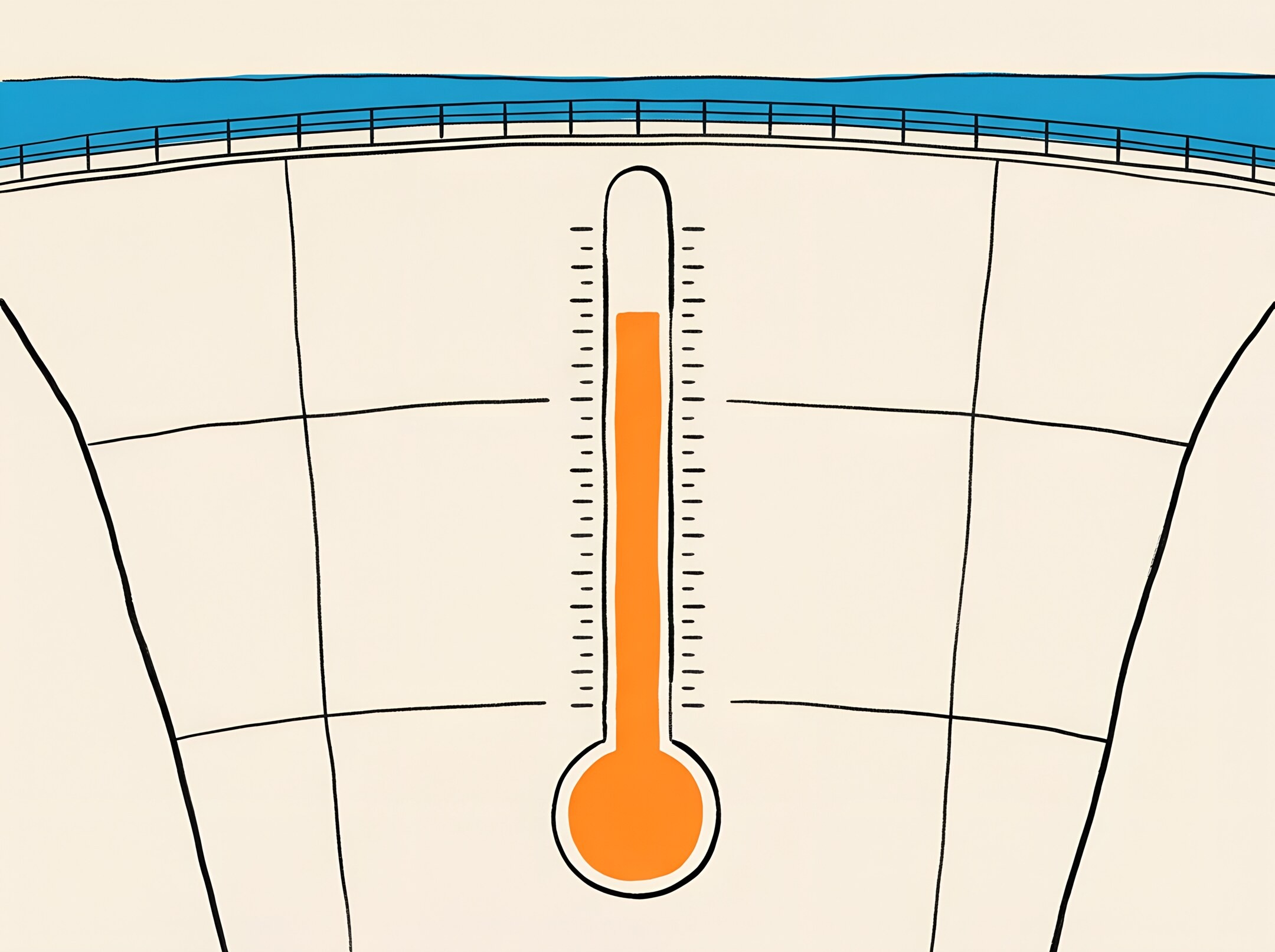
The Commission's proposed Climate Resilience Law would give every member state the same warming path to plan against, put water security in every national plan and set deadlines that collide with the next river basin cycle.