The EU Updates Its Water Protection Standards – but at What Cost?
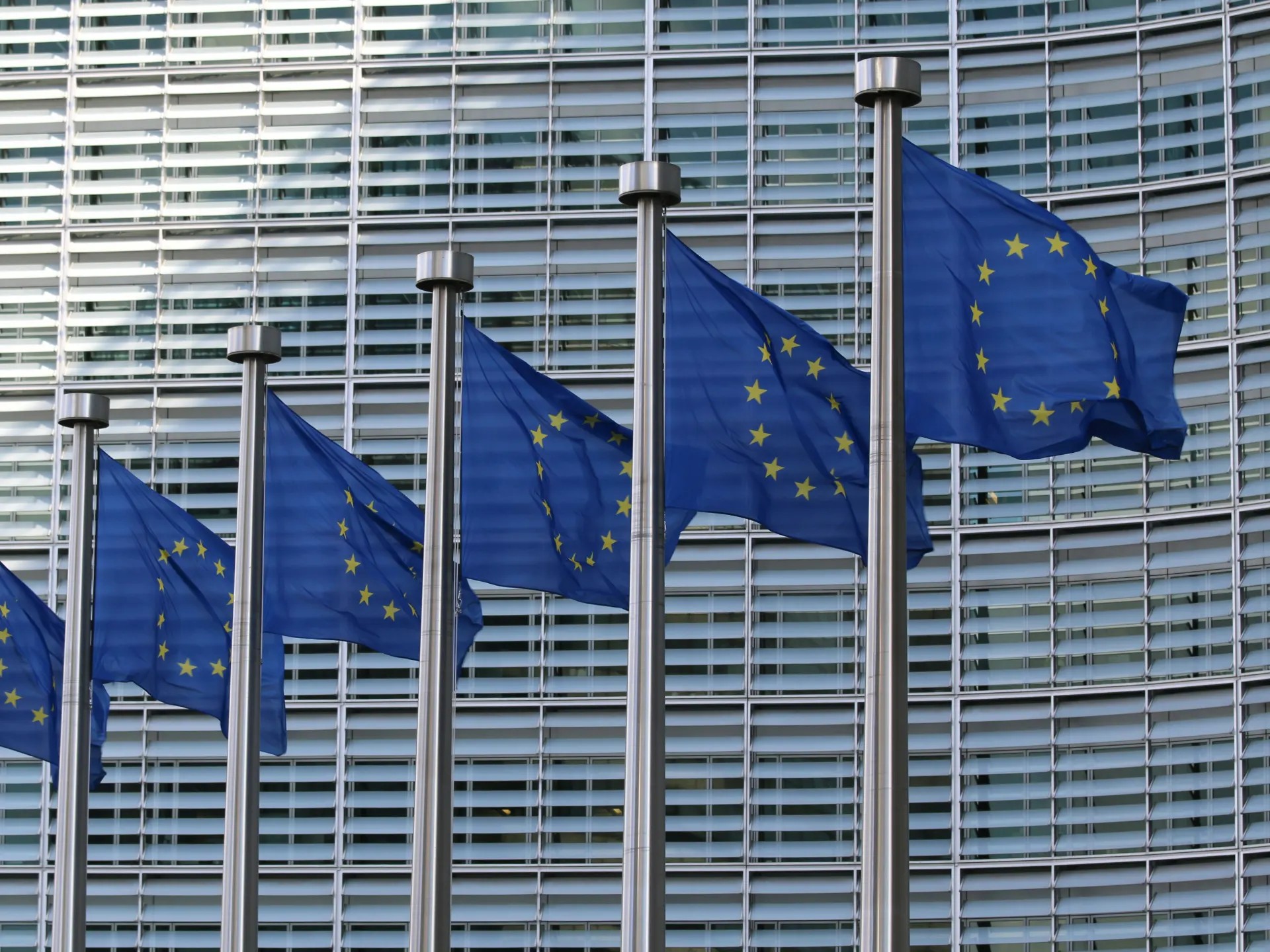
In February 2026 EU water legislation saw its biggest update in two decades: the Council of the European Union approved an agreement that largely determines which chemical pollutants must be measured and limited in Europe's surface waters and groundwater. The decision brings meaningful progress but also raises serious concerns – and it will directly affect what comes out of our taps.
What is the Water Framework Directive?
Since 2000 the Water Framework Directive (WFD) has been the most important legal instrument for protecting Europe's waters. Its goal is simple but ambitious: to ensure that Europe's rivers, lakes and groundwater reach and stay in good ecological and chemical status. The non-deterioration principle means that member states must not allow the quality of waters already in good status to decline.
The directive organises water management by river basin, so neighbouring countries have to manage shared rivers and water systems together – which matters greatly for a river like the Danube, whose basin spans 19 countries (European Commission, n.d.).
The regulation is built on a list of priority pollutants that should in principle be updated every six years. This update, however, took much longer: the previous list dates from 2013–2014.

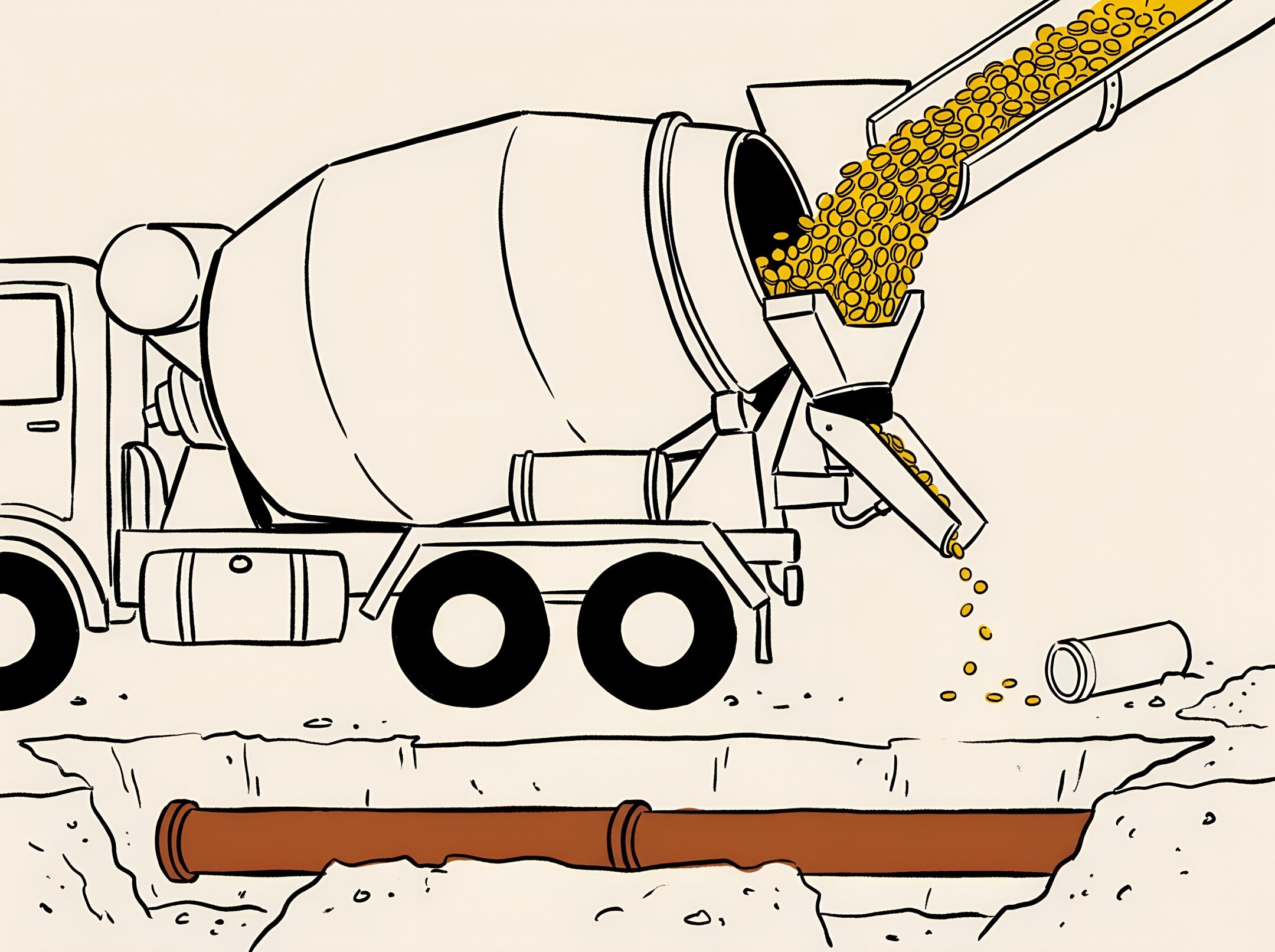

Europe's water utilities are investing 16% more than a year ago, but EurEau's latest figures show that construction inflation absorbed most of the increase and that pipe renewal has not sped up.
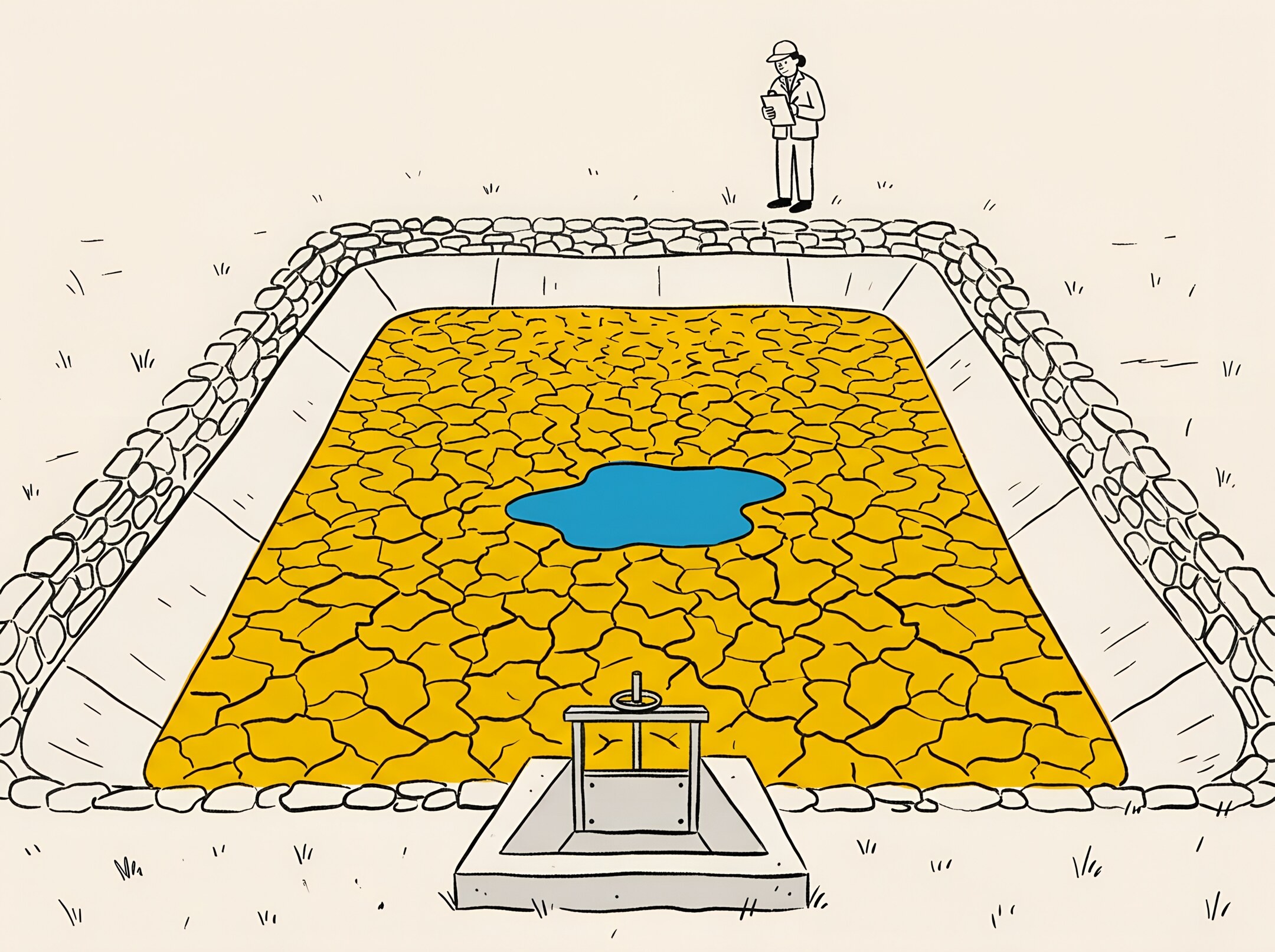

The Czech agriculture ministry can list pipelines, ponds and hectares after nine years of drought spending, but in the worst groundwater summer in decades it cannot yet show what they changed.
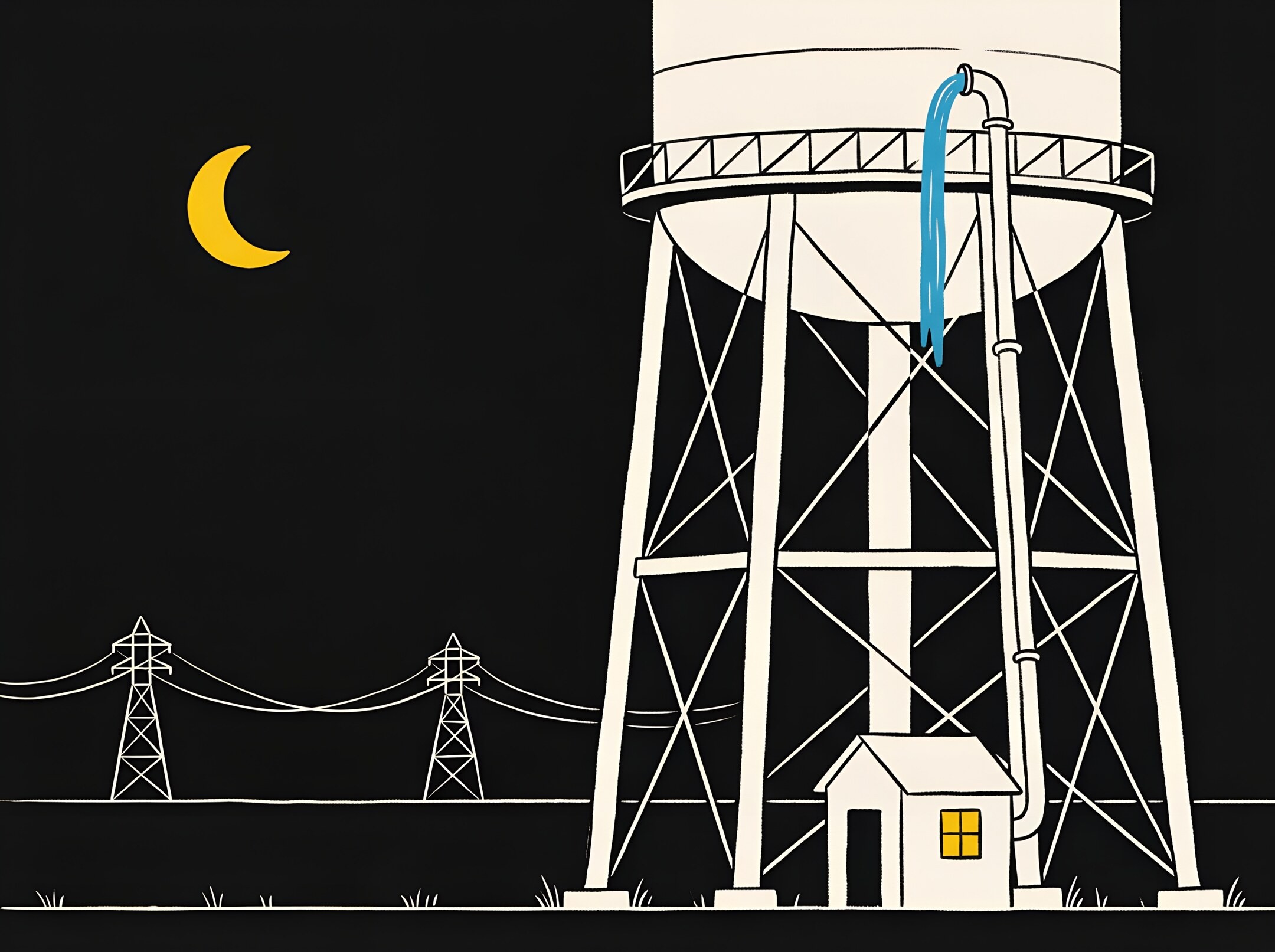
The Commission wants network tariffs to reward whoever can shift load away from the peak, and that makes pumping stations and aeration basins, which rarely feature in the debate, part of the argument.
The Commission's proposed Climate Resilience Law would give every member state the same warming path to plan against, put water security in every national plan and set deadlines that collide with the next river basin cycle.