The Cost of Inaction – €440 Billion
PFAS – per- and polyfluoroalkyl substances – have been an integral part of industry and consumer products since the 1950s. Thanks to their water-repellent, grease-resistant and heat-resistant properties, they are found in coatings, firefighting foams, food packaging, textiles and medical devices alike. An estimated 10,000 different PFAS may be on the market today.
The problem is that these substances do not break down in nature. They accumulate in soil, drinking water, food and the human body – hence the name "forever chemicals". An estimated 14% of people in the European Economic Area (EEA) live in areas with elevated PFAS exposure, and blood serum concentrations among people living near pollution sources can be three to four times the average.
In January 2026 the European Commission's Directorate-General for Environment published a major study that attempts, for the first time, to quantify fully the economic burden this pollution places on European society as a whole (European Commission, 2026).


Europe's water utilities are investing 16% more than a year ago, but EurEau's latest figures show that construction inflation absorbed most of the increase and that pipe renewal has not sped up.

The Czech agriculture ministry can list pipelines, ponds and hectares after nine years of drought spending, but in the worst groundwater summer in decades it cannot yet show what they changed.
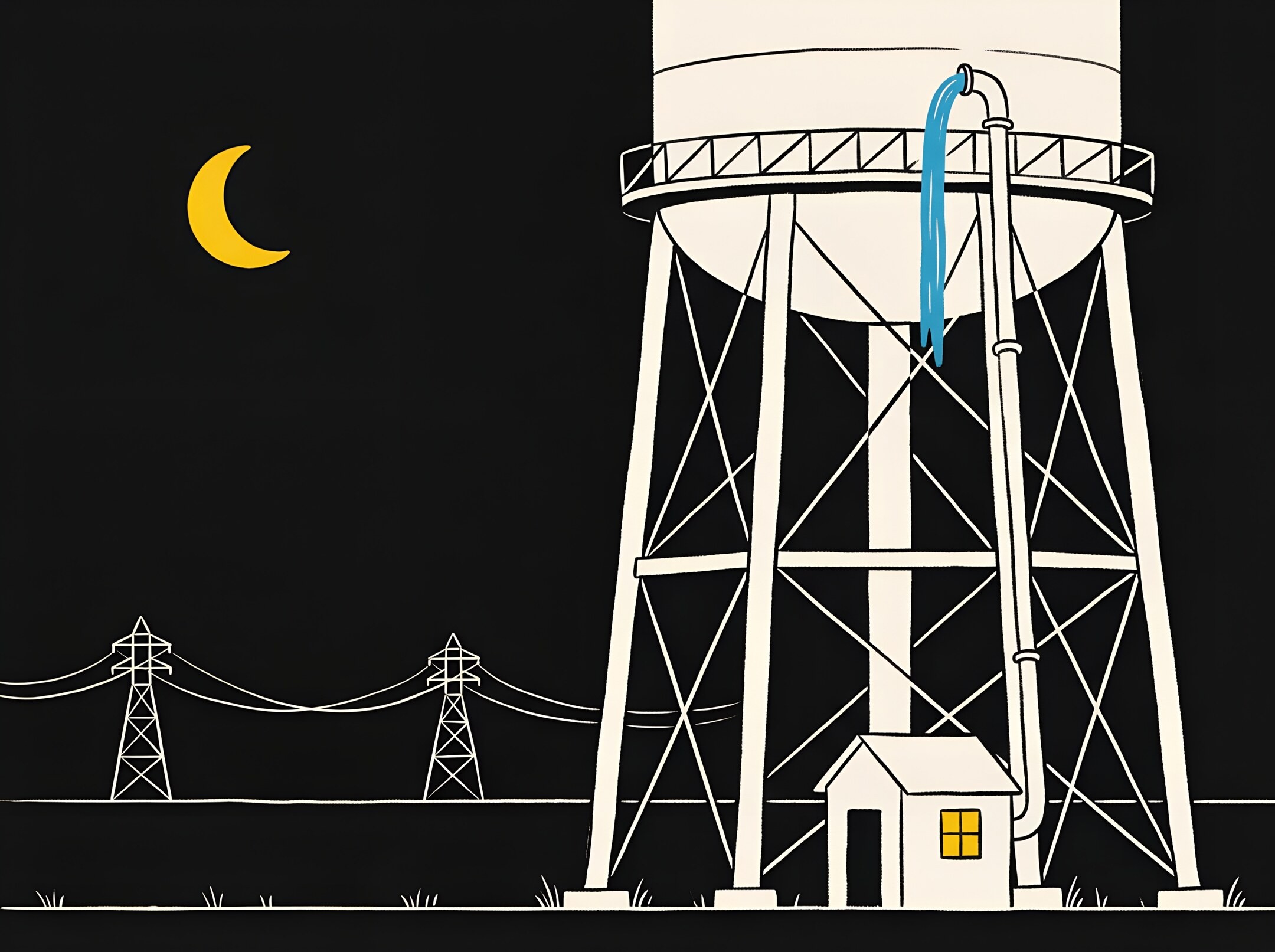
The Commission wants network tariffs to reward whoever can shift load away from the peak, and that makes pumping stations and aeration basins, which rarely feature in the debate, part of the argument.
The Commission's proposed Climate Resilience Law would give every member state the same warming path to plan against, put water security in every national plan and set deadlines that collide with the next river basin cycle.