What Czechia's CZK 144 Billion Drought Bill Bought
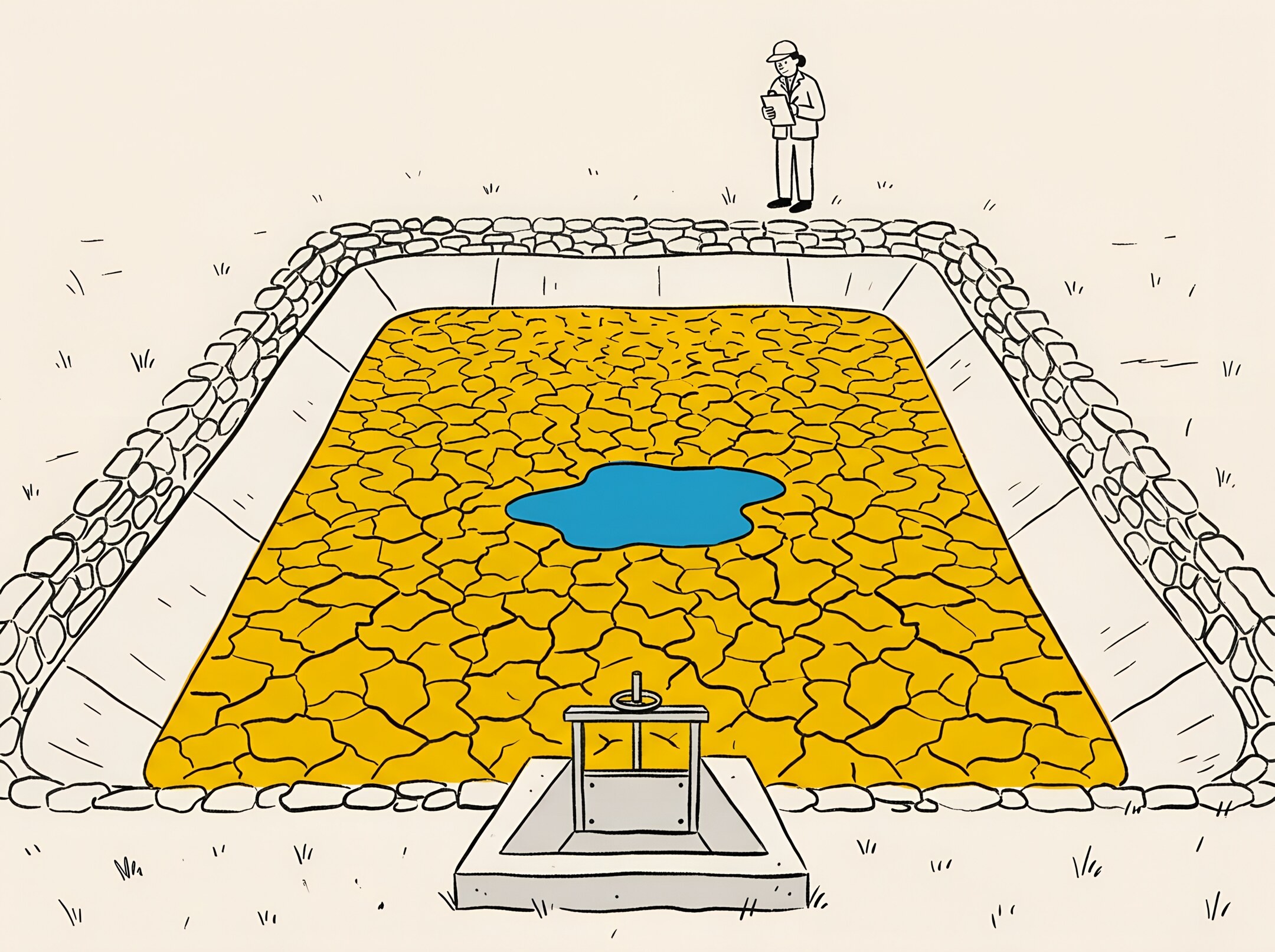
Few governments can put a single figure on what they have spent against drought. In October the Czech agriculture ministry did: almost CZK 144 billion between 2017 and 2025, on drought measures and the water balance of the landscape (Ministry of Agriculture, 2026a).
It came at an awkward moment. Three days earlier, the prime minister had reconvened the national drought commission, in a summer the ministry's own data describe as exceptional. The figure is worth reading closely for what it includes and what it leaves out, because it shows a problem that any country planning large water retention programmes will soon face: it is far easier to count what was built than to prove that it worked.
What the money bought
The ministry lists its results by type. All but one come without a price.


Europe's water utilities are investing 16% more than a year ago, but EurEau's latest figures show that construction inflation absorbed most of the increase and that pipe renewal has not sped up.

The Commission wants network tariffs to reward whoever can shift load away from the peak, and that makes pumping stations and aeration basins, which rarely feature in the debate, part of the argument.
The Commission's proposed Climate Resilience Law would give every member state the same warming path to plan against, put water security in every national plan and set deadlines that collide with the next river basin cycle.
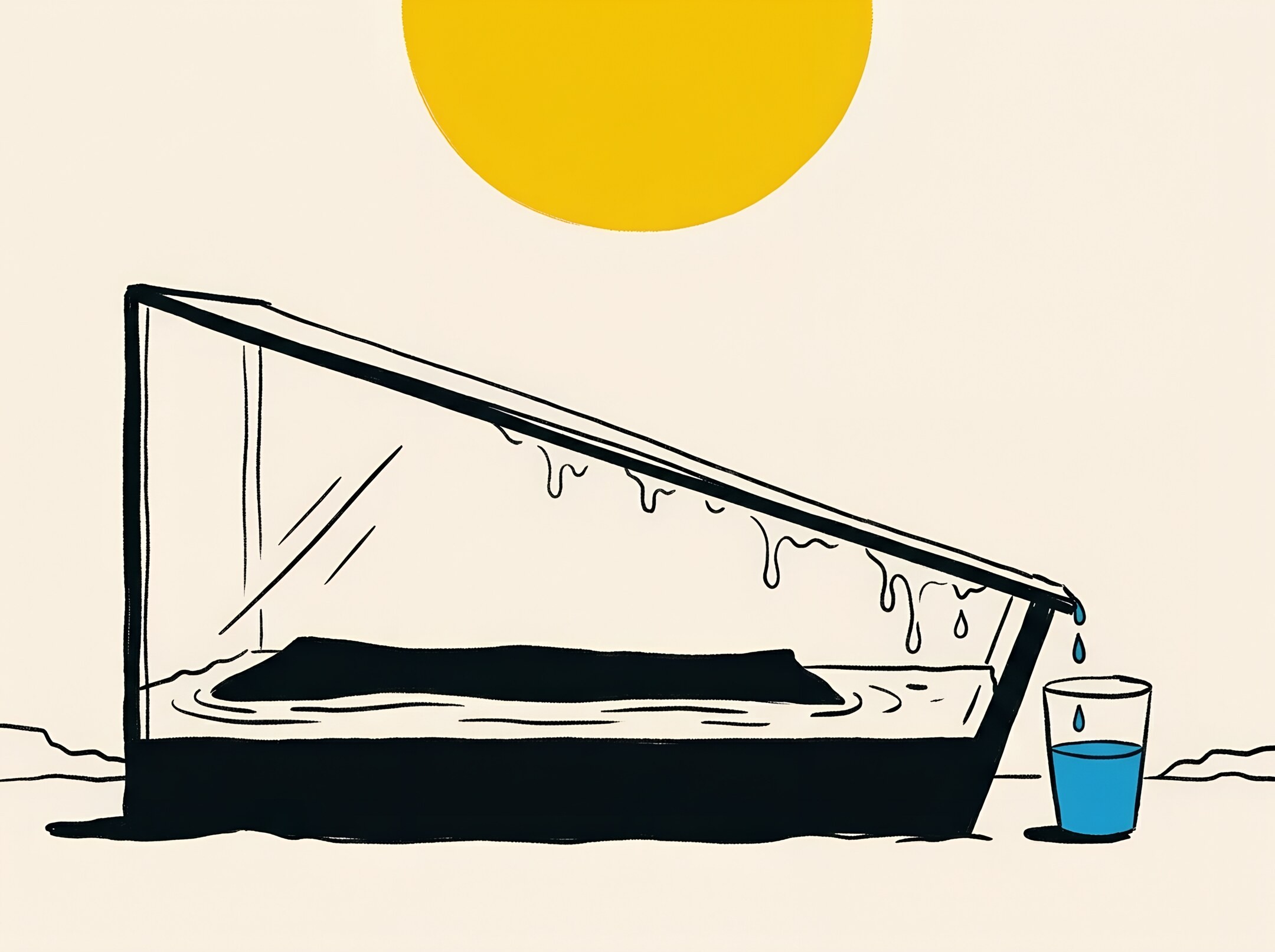
Researchers in China have used a global model to work out where solar-driven interfacial evaporation could supply drinking water, and how much – a promising result in which the assumptions matter as much as the headline.