Professional articles
In-depth analysis, technology comparisons and interviews.
Professional content is free to read with a W4 account.Create an accountSign in
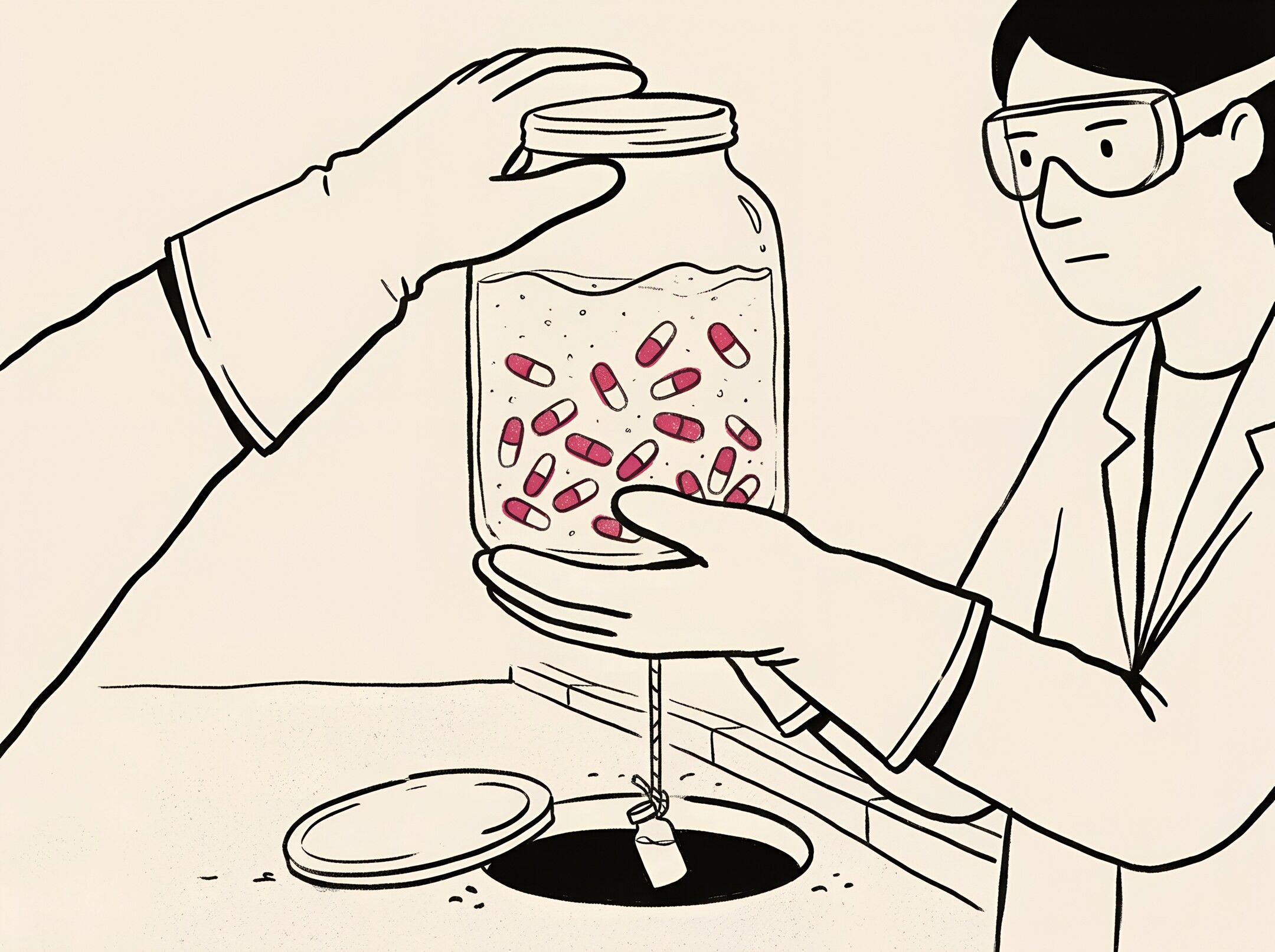

Europe is about to make wastewater monitoring for antimicrobial resistance routine, while researchers warn that the numbers it produces can't yet say how many people are affected or what risk they face.
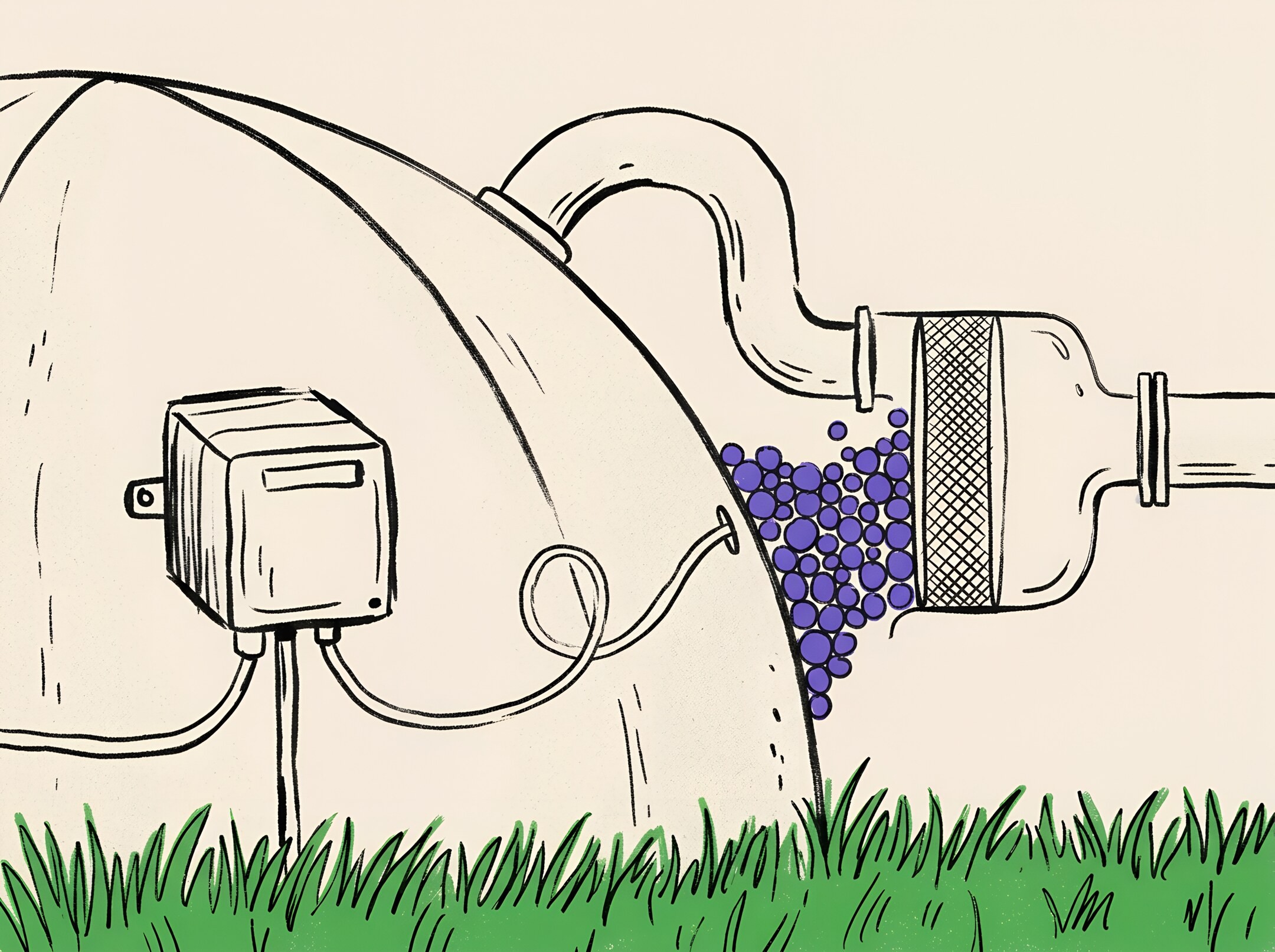
A clause buried in a gas tariff order makes oxygen a design parameter for Spanish biomethane plants, and shows how differently Europe handles a problem it hasn't yet agreed on.

Researchers in China have used a global model to work out where solar-driven interfacial evaporation could supply drinking water, and how much – a promising result in which the assumptions matter as much as the headline.

The International Energy Agency has reviewed 134 policies and regulations for fitting data centres into power systems, and its clearest lesson is that a flexible connection is faster than waiting for firm capacity.

Calculations by the DVGW research centre in Karlsruhe show that if small biogas plants reach the gas grid through a shared upgrading unit and injection point, investment falls by up to 55% and the biomethane injected rises by 16% compared with connecting plants one by one.
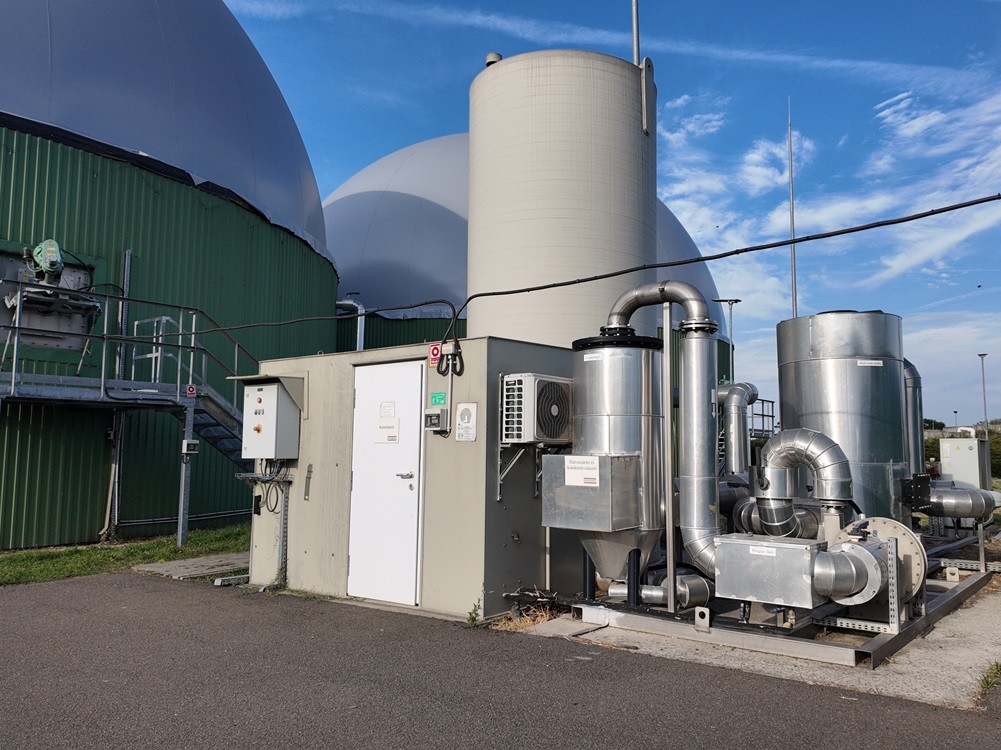

Dosing iron into the digester is one of a biogas plant's main defences against hydrogen sulphide, but iron chloride, iron hydroxide and iron oxide behave very differently – and reactivity matters more than the price per kilo.
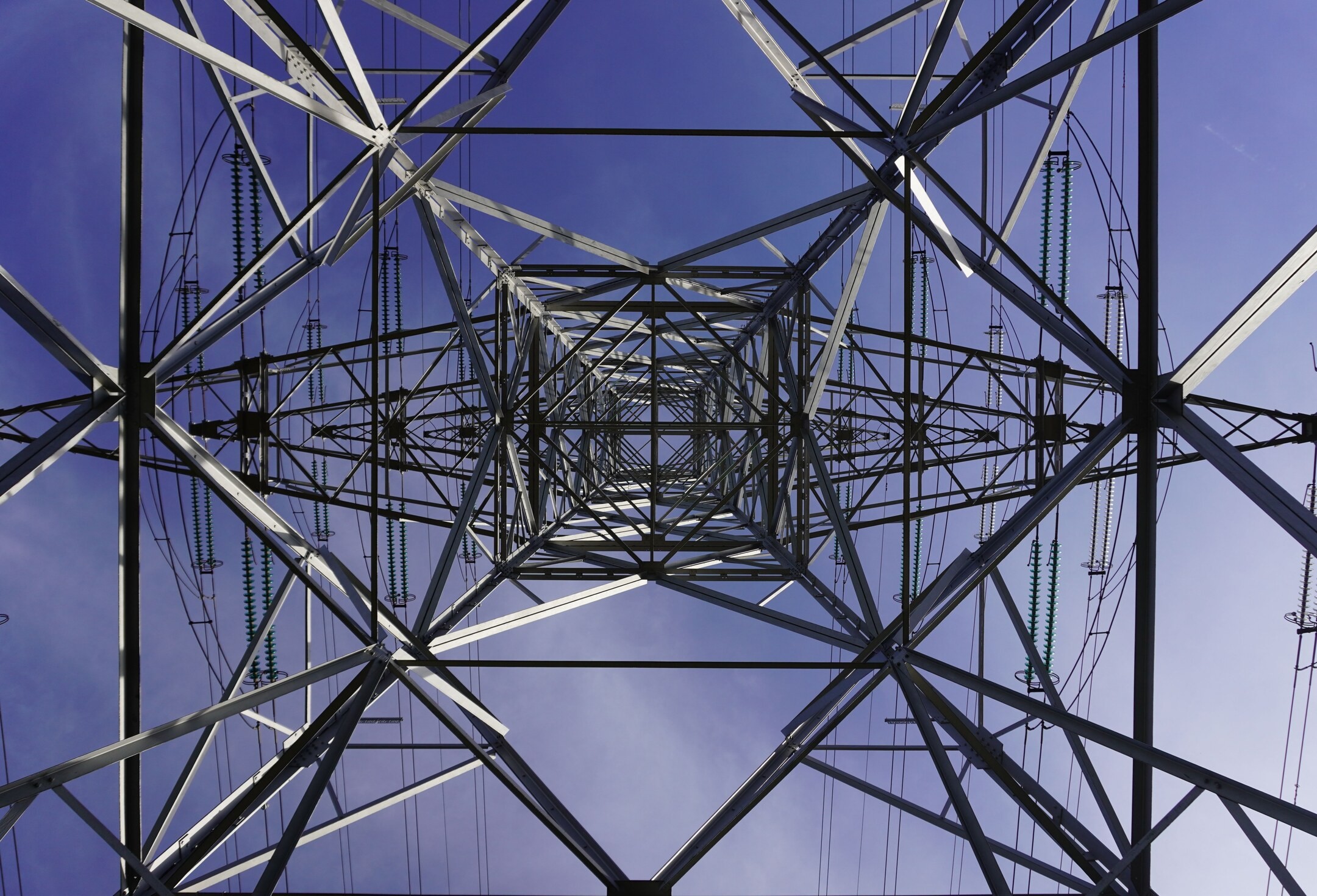
Finnish transmission system operator Fingrid will require new wind and solar plants connecting at weak points in its grid to provide grid-forming capability – through their own inverters, batteries or synchronous condensers.

Satellite gravity data show that the snow-fed Upper Colorado River Basin lost more groundwater in the latest drought than the drier Lower Basin – a warning about what surface monitoring misses.

A measurement campaign at 65 German biogas plants suggests the sector emits around twice as much methane as the national inventory implies – but most of the loss is concentrated in a few plants and can be prevented.
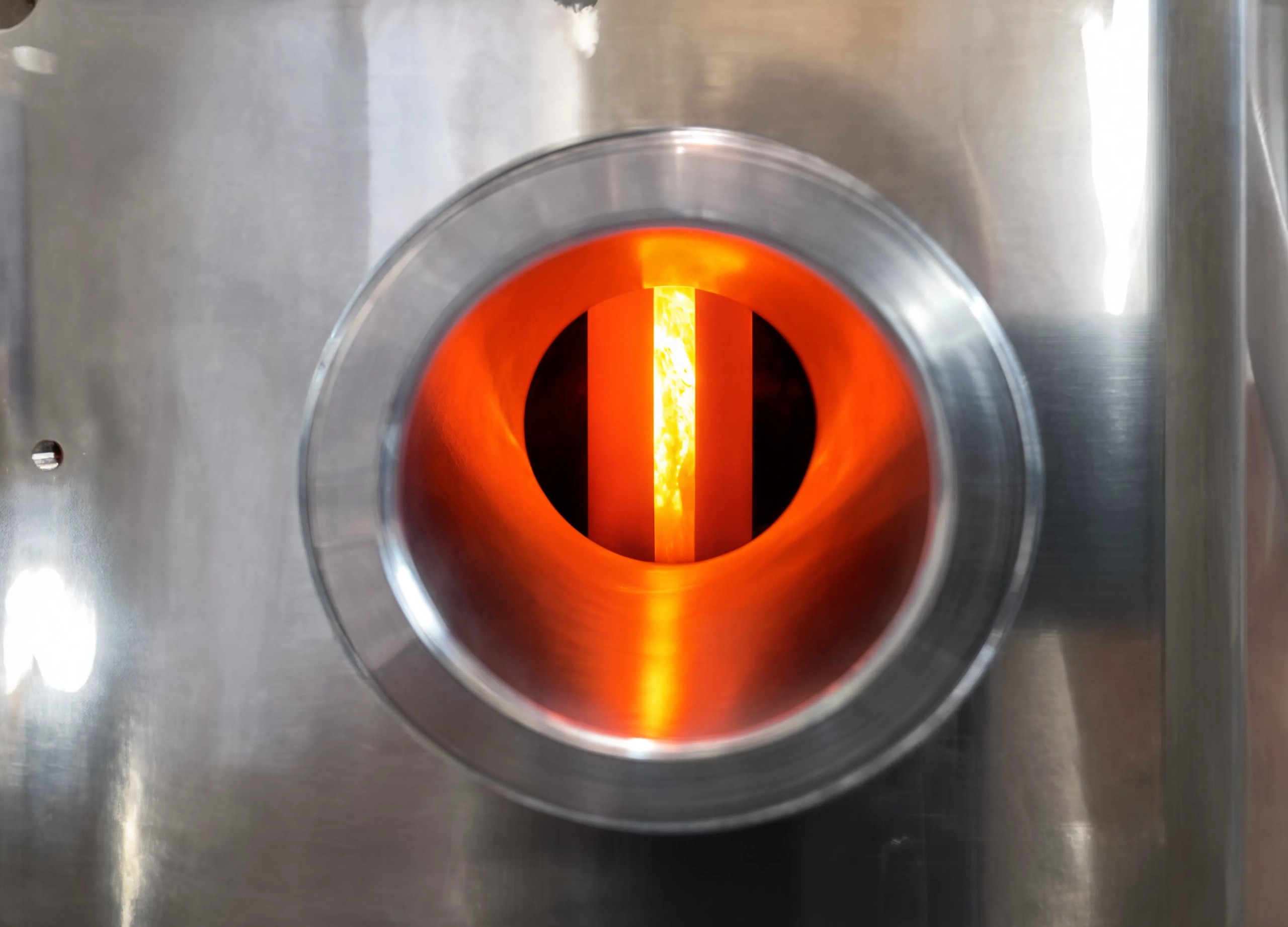
The TITAN project, funded by the EU's Horizon Europe programme, has shown that a microwave-heated fluidised reactor can produce hydrogen from raw biogas almost three times more efficiently than electrolysis – while the solid carbon by-product can be locked away in soil for the long term.

Using a two-step technology, researchers at Washington State University turn 83% of the carbon in sewage sludge into valuable, pipeline-quality renewable natural gas, while cutting treatment costs almost in half.
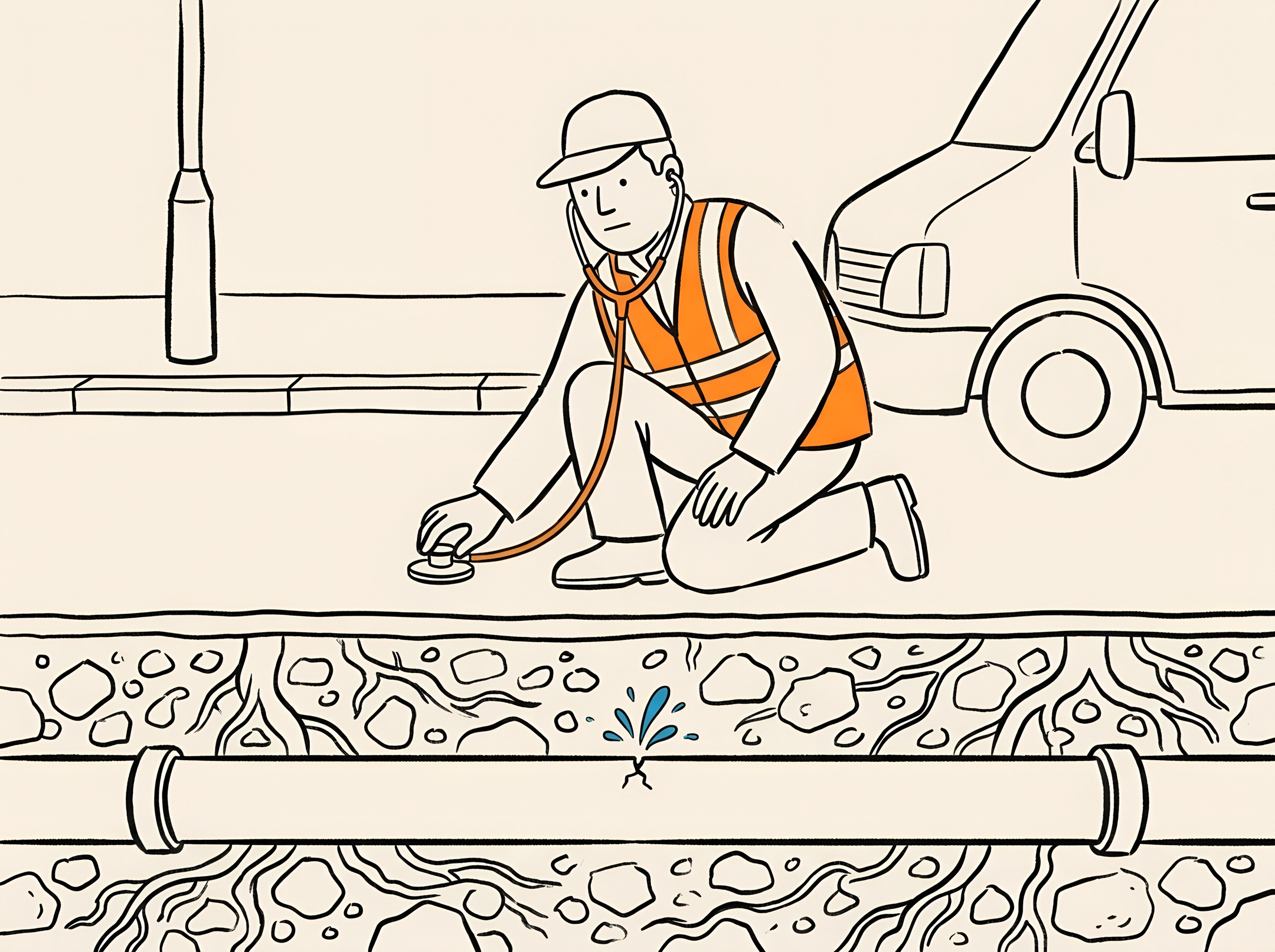
Together, artificial intelligence and IoT sensors can predict pipe bursts, optimise network pressure and cut distribution losses in real time.