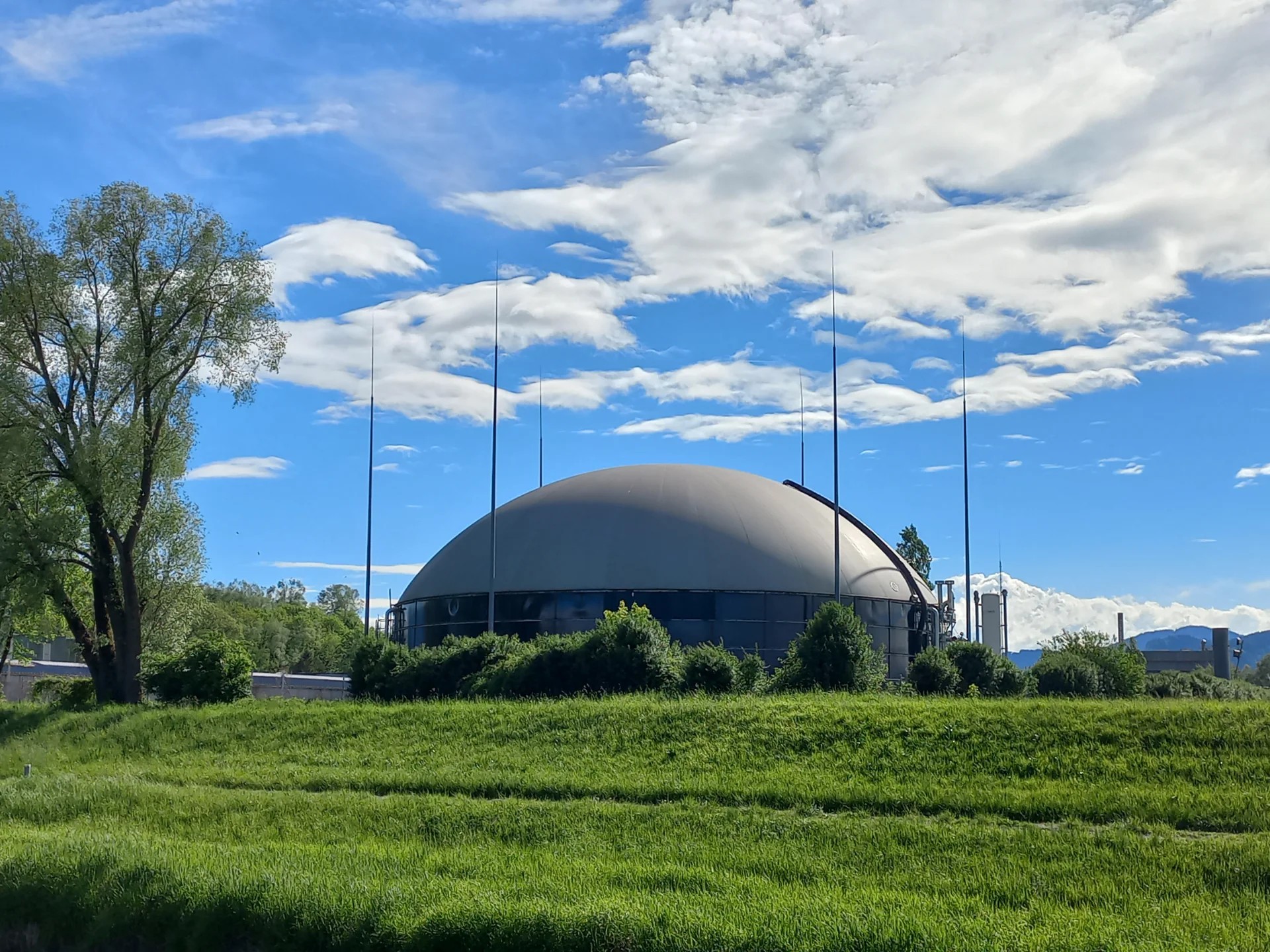
Pipeline-Quality Gas From Sewage Sludge

The 14,780 wastewater treatment plants operating in the United States treat around 122.4 billion litres of wastewater a day, using 30.2 billion kWh of electricity a year – 3–4% of the country's total electricity demand. The process's by-product, sewage sludge, is usually seen as a burden, because treating and disposing of it consumes a large share of plant operating costs.
A research team at Washington State University (WSU) has now piloted a two-step process that turns this burden into a valuable energy source – and according to results published in the Chemical Engineering Journal, it brings drastic improvements in both efficiency and cost compared with conventional methods (Ahring et al., 2026).
The problem: most of the sludge goes unused
A serious drawback of conventional anaerobic digestion is that its carbon conversion efficiency (CCE) typically stays below 40%. This means that half or more of the organic matter in sludge is not converted into biogas but remains as biosolids requiring further treatment and disposal – nearly 7.2 million tonnes of dry matter a year in the United States.

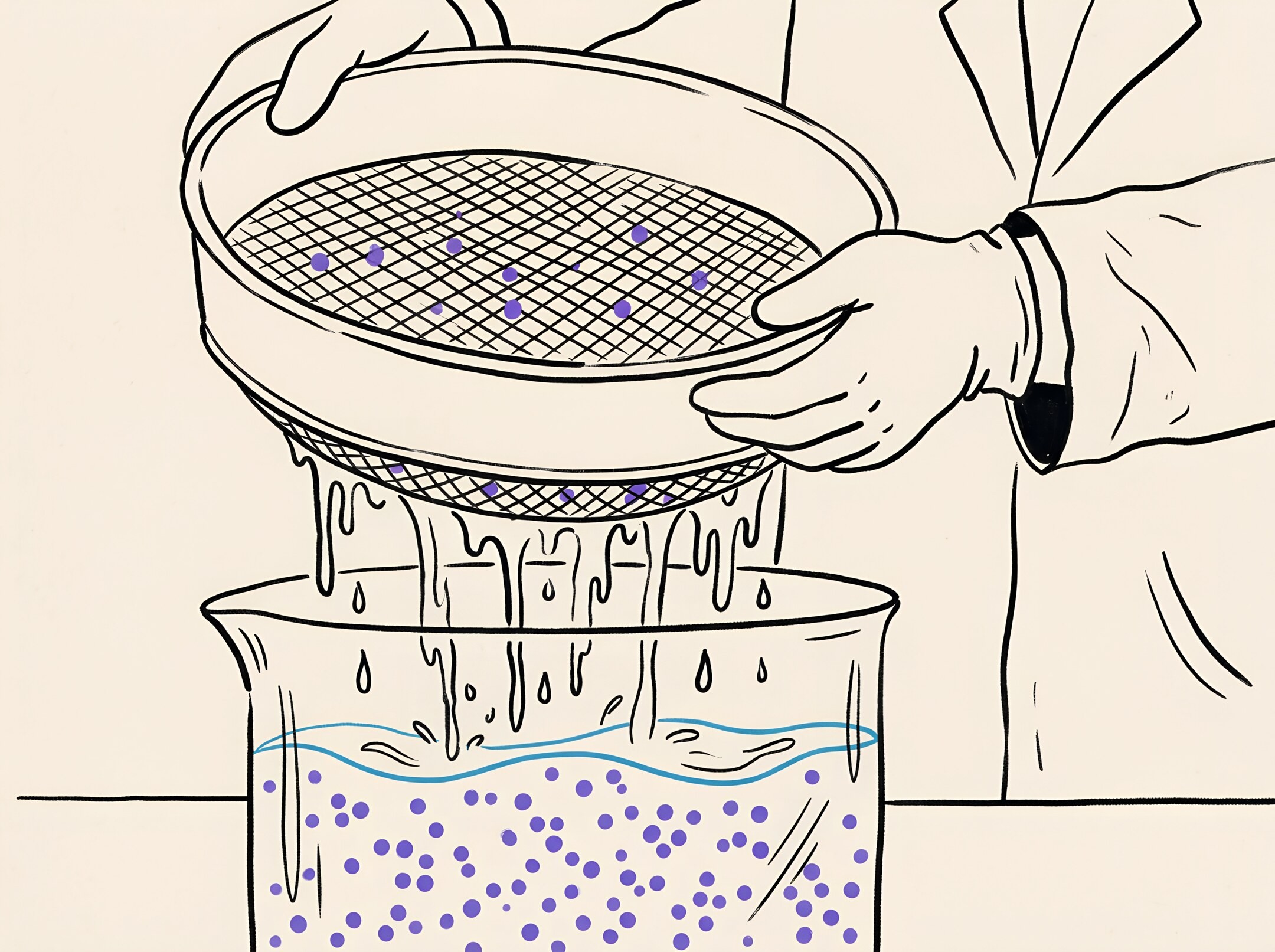

A national Swiss campaign has run every PFAS method in the Commission's guidelines side by side, and none of them can name most of the organic fluorine in wastewater.
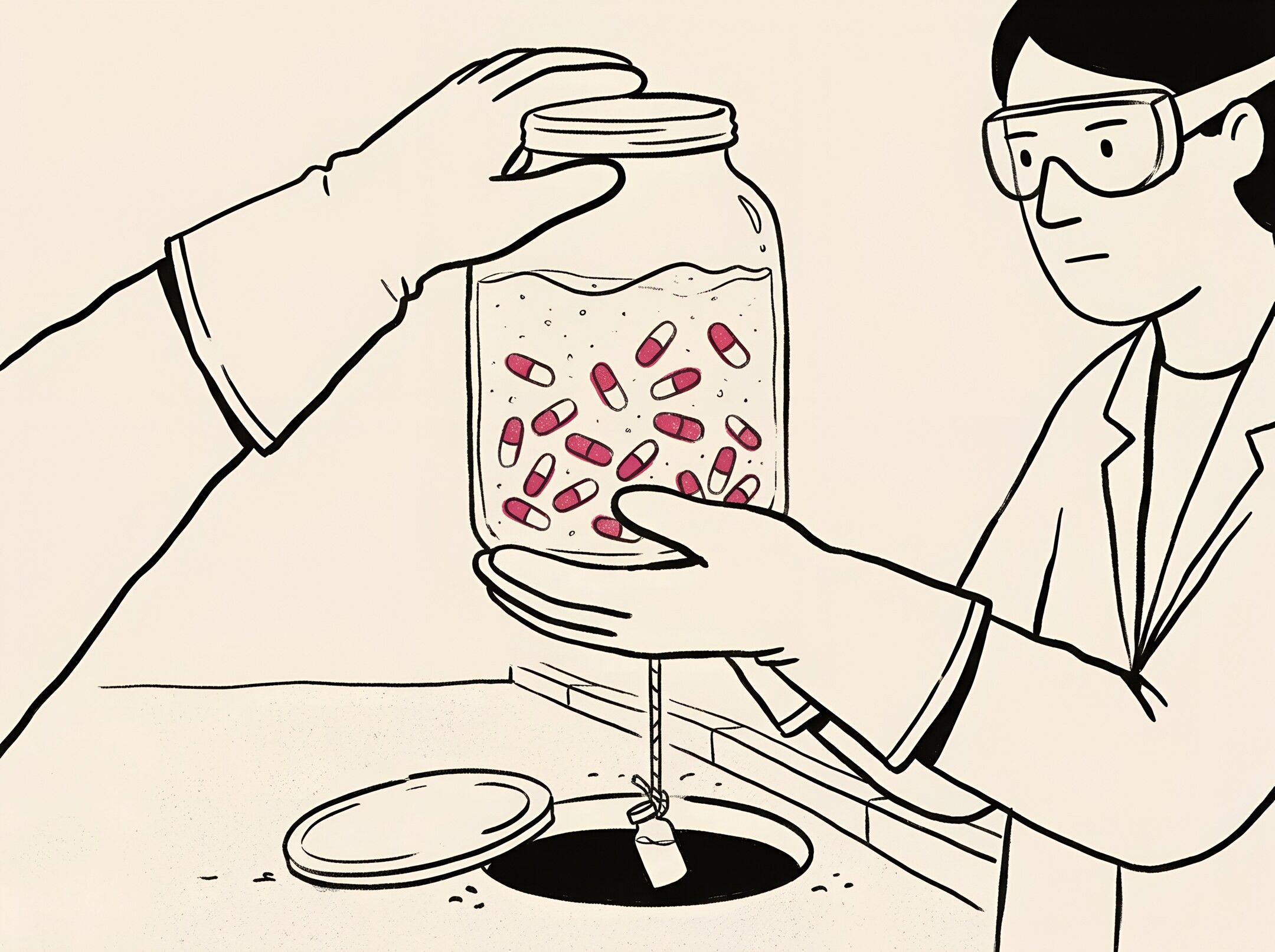
Europe is about to make wastewater monitoring for antimicrobial resistance routine, while researchers warn that the numbers it produces can't yet say how many people are affected or what risk they face.
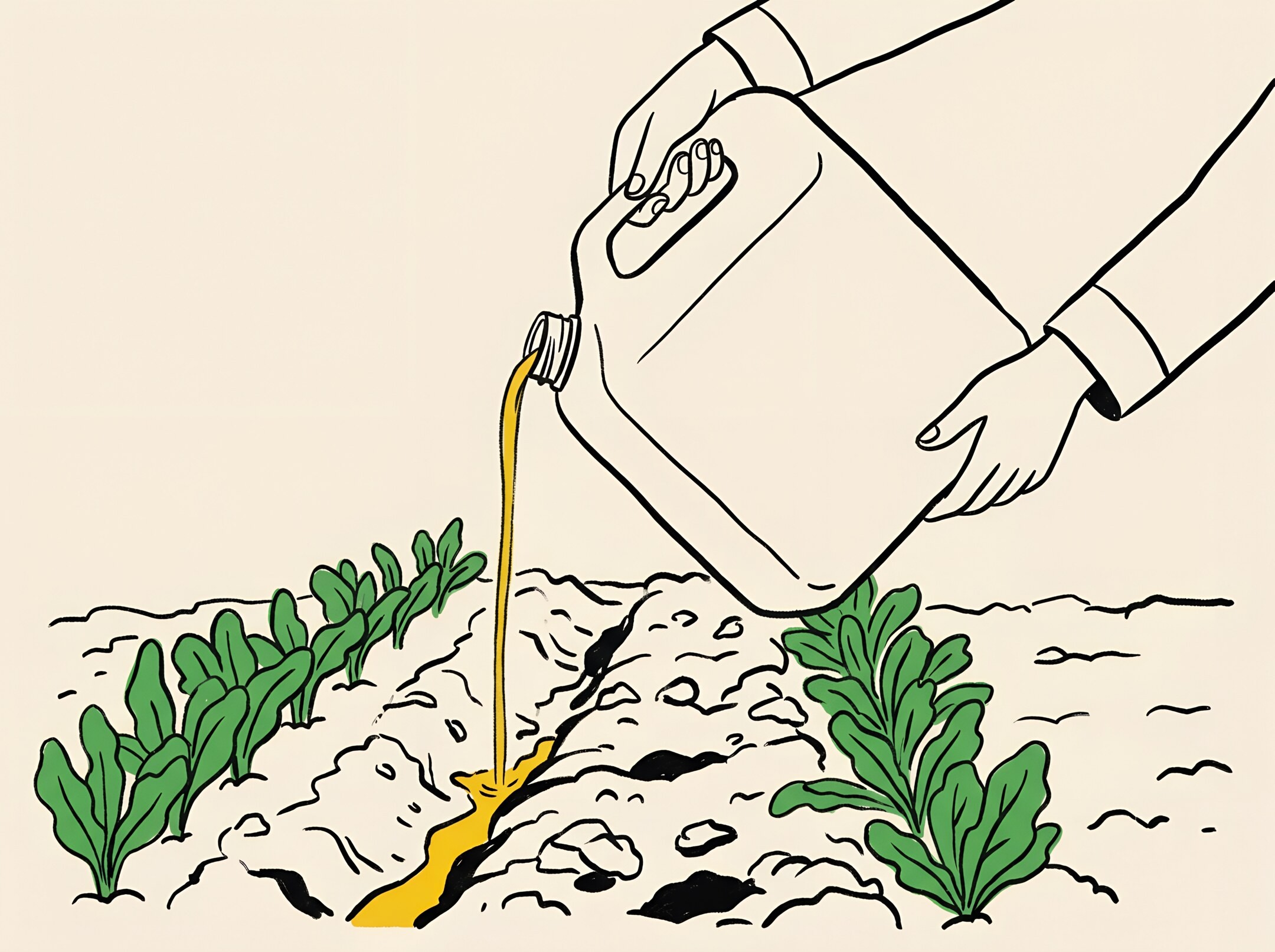
A meta-analysis of 455 datasets finds that fertilisers made from separated urine and faeces perform as well as mineral fertiliser, so the open questions are now quality assurance and regulation.

Prague's draft law transposing the recast EU wastewater directive puts the investment bill at up to CZK 176 billion and gives a detailed view of what the rules mean for a central European member state.