Brussels Visibly Boosts the Biogas Industry in Some Older Member States
Agricultural, meat industry and food industry waste in general are perfectly suited to producing, with the right technology, methane identical to natural gas – and the remaining material can be used as organic fertiliser to replace mineral fertilisers. The first reduces exposure to imported natural gas; the second can reduce the use of fertilisers that harm soil life.
Officials in Brussels have realised this too – albeit belatedly – or at least that is what two seemingly separate developments in the European biogas sector in the third week of May suggest. The European Commission published its Fertiliser Action Plan, recognising digestate, the by-product of biogas plants, as a circular resource. Two days after the decision of 19 May, the European Investment Fund launched Copenhagen Infrastructure Partners' Advanced Bioenergy Fund II (EIF, 2026) with a €200 million "cornerstone investment". Together, the two decisions mark out the entire value chain of the EU's biogas cycle – from financing biomethane production to recognising its nutrient-rich by-product in agriculture.
EIF: €200 million to expand biomethane infrastructure
The declared aim of the European Investment Fund (EIF) is to expand biomethane and advanced bioenergy production across Europe. With a target size of €1.5 billion, the fund focuses mainly on developing, building and operating industrial-scale biogas plants based on anaerobic digestion. The projects will mostly be in Denmark, Ireland, Spain, Belgium and Finland, where stable, long-term regulatory frameworks make investments predictable.

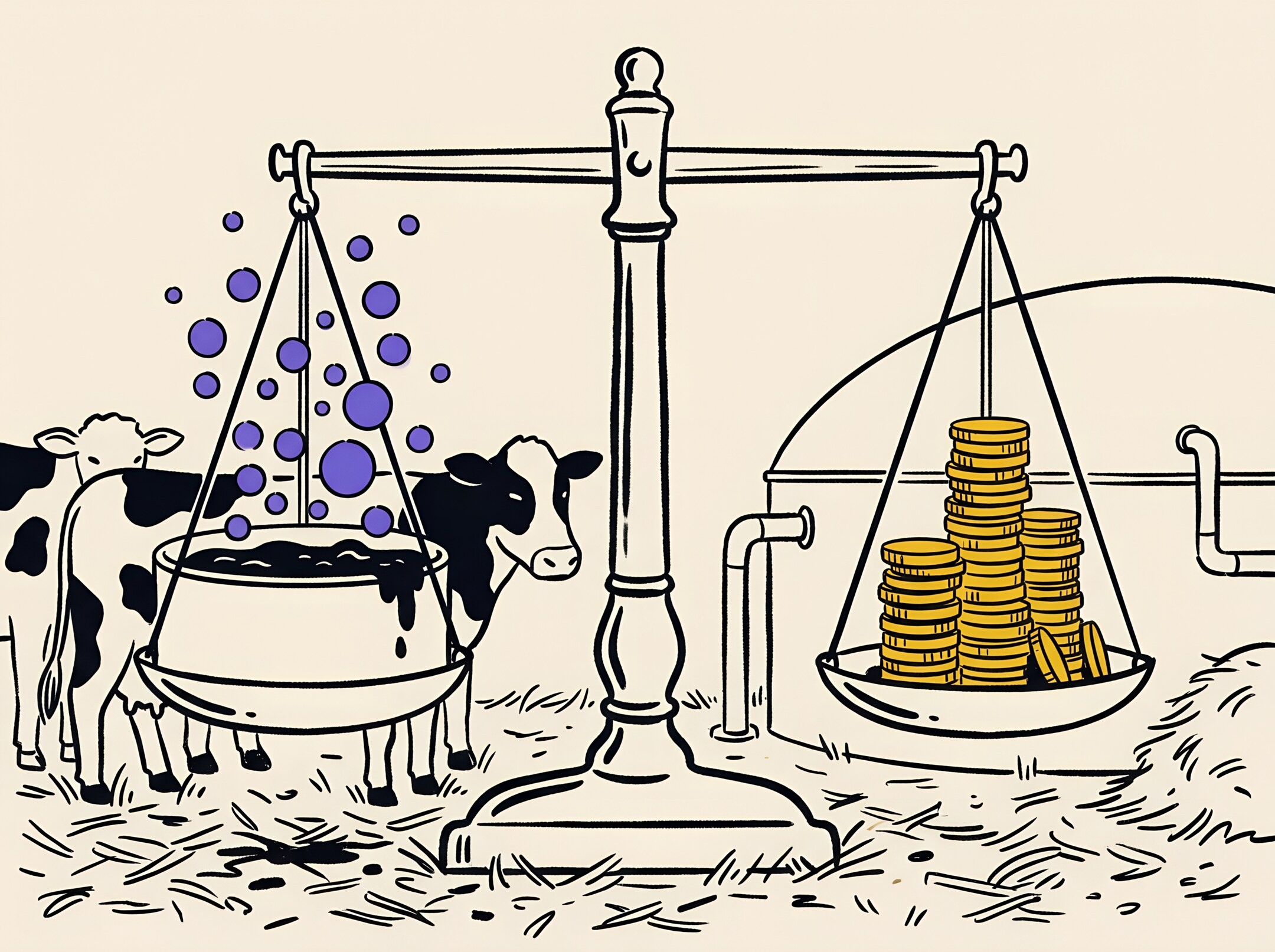

A model update in the United States quadrupled the tax credit for dairy-farm biomethane overnight, because the US credit pays for carbon intensity, while the European Union mostly measures the same performance as a pass or a fail.
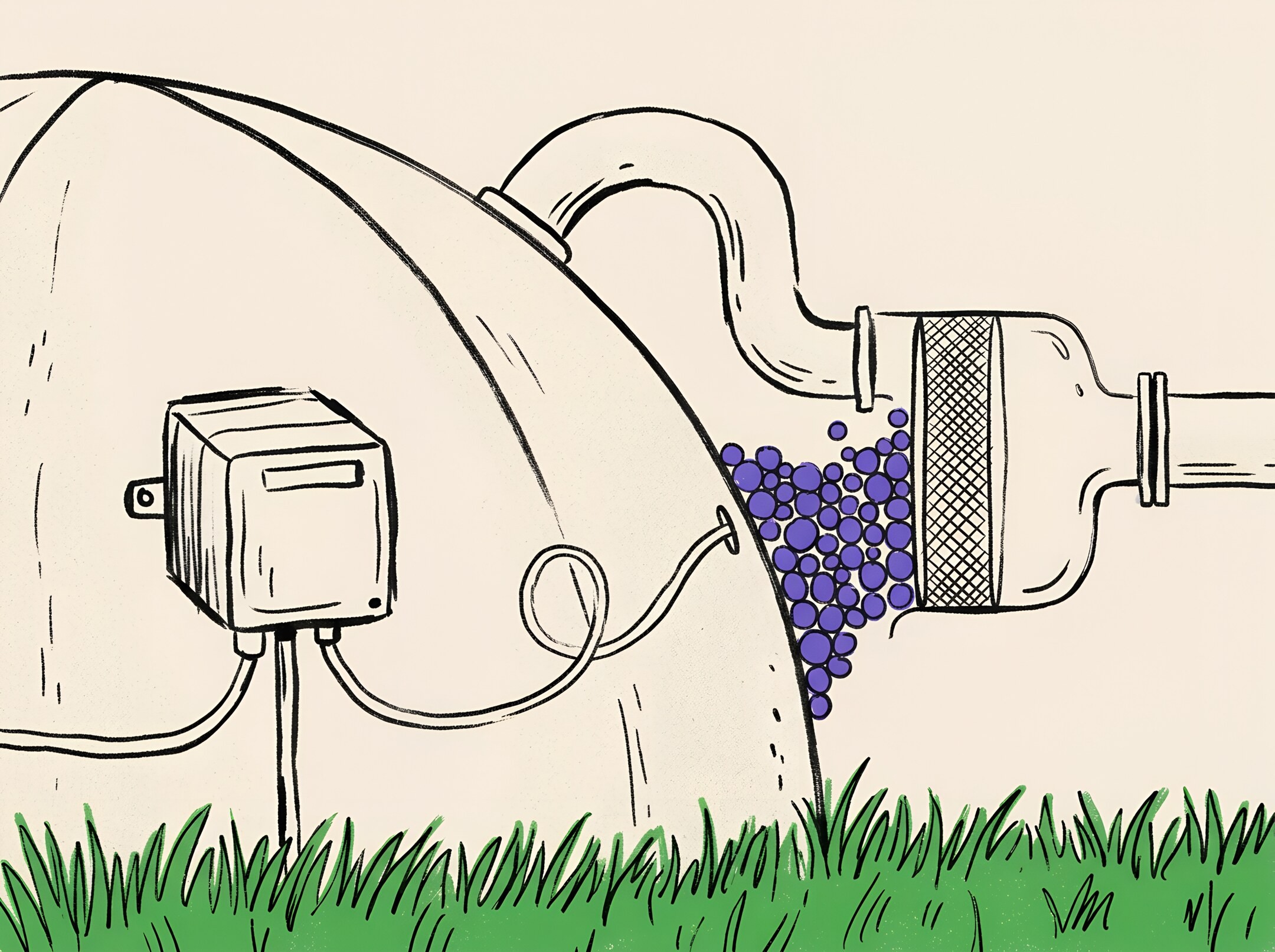

A clause buried in a gas tariff order makes oxygen a design parameter for Spanish biomethane plants, and shows how differently Europe handles a problem it hasn't yet agreed on.
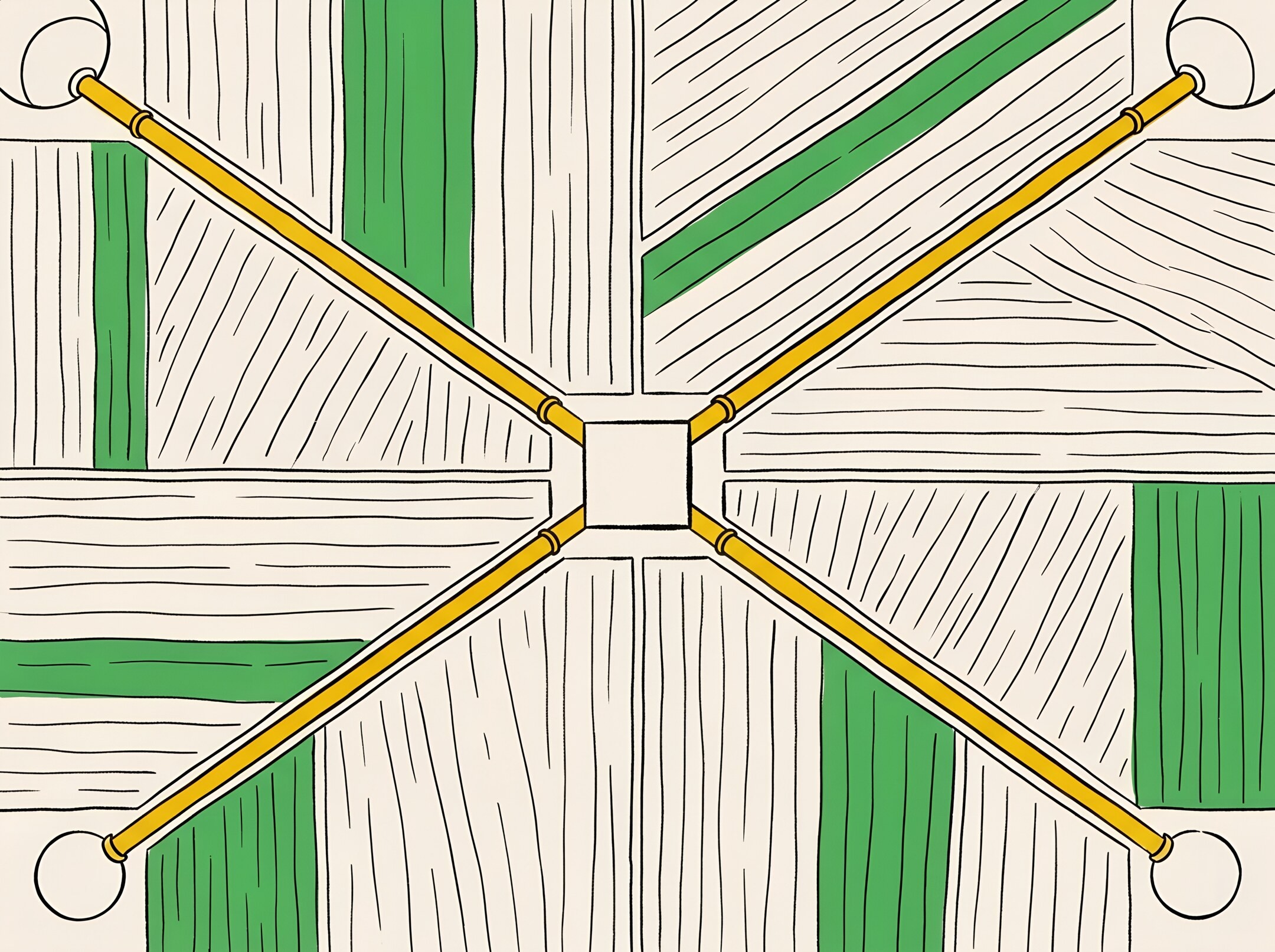
Calculations by the DVGW research centre in Karlsruhe show that if small biogas plants reach the gas grid through a shared upgrading unit and injection point, investment falls by up to 55% and the biomethane injected rises by 16% compared with connecting plants one by one.
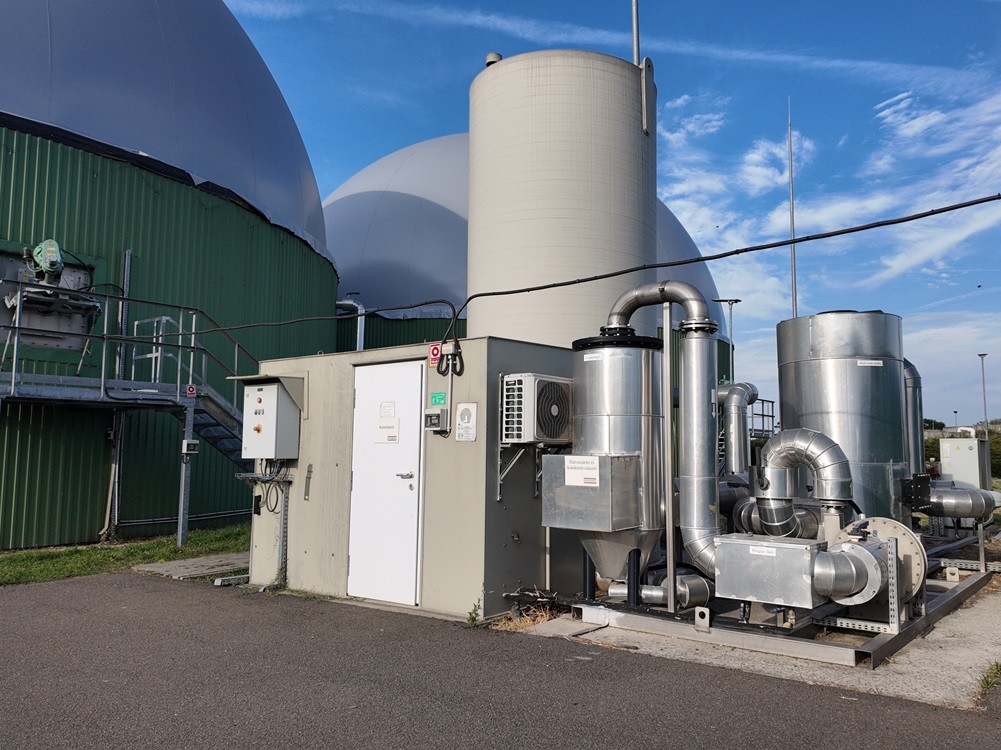
Dosing iron into the digester is one of a biogas plant's main defences against hydrogen sulphide, but iron chloride, iron hydroxide and iron oxide behave very differently – and reactivity matters more than the price per kilo.