Europe's Biomethane Turning Point: Strategy or Falling Behind?
In spring 2026 two independent but mutually reinforcing industry documents were published which together map out the real state of Europe's biomethane sector.
The first is the International Gas Union's (IGU) latest assessment of the global biogas and biomethane sector, published on 8 April. The IGU's conclusion is clear: these energy sources are no longer niche solutions on the fringes of green energy but strategic infrastructure whose role is indispensable for both energy security and decarbonisation.
The second is the Joint Biomethane Declaration, published in Brussels on 24 March 2026 by several leading European industry associations. The declaration calls for 10 concrete steps from the EU, with tangible numbers behind its sense of urgency.

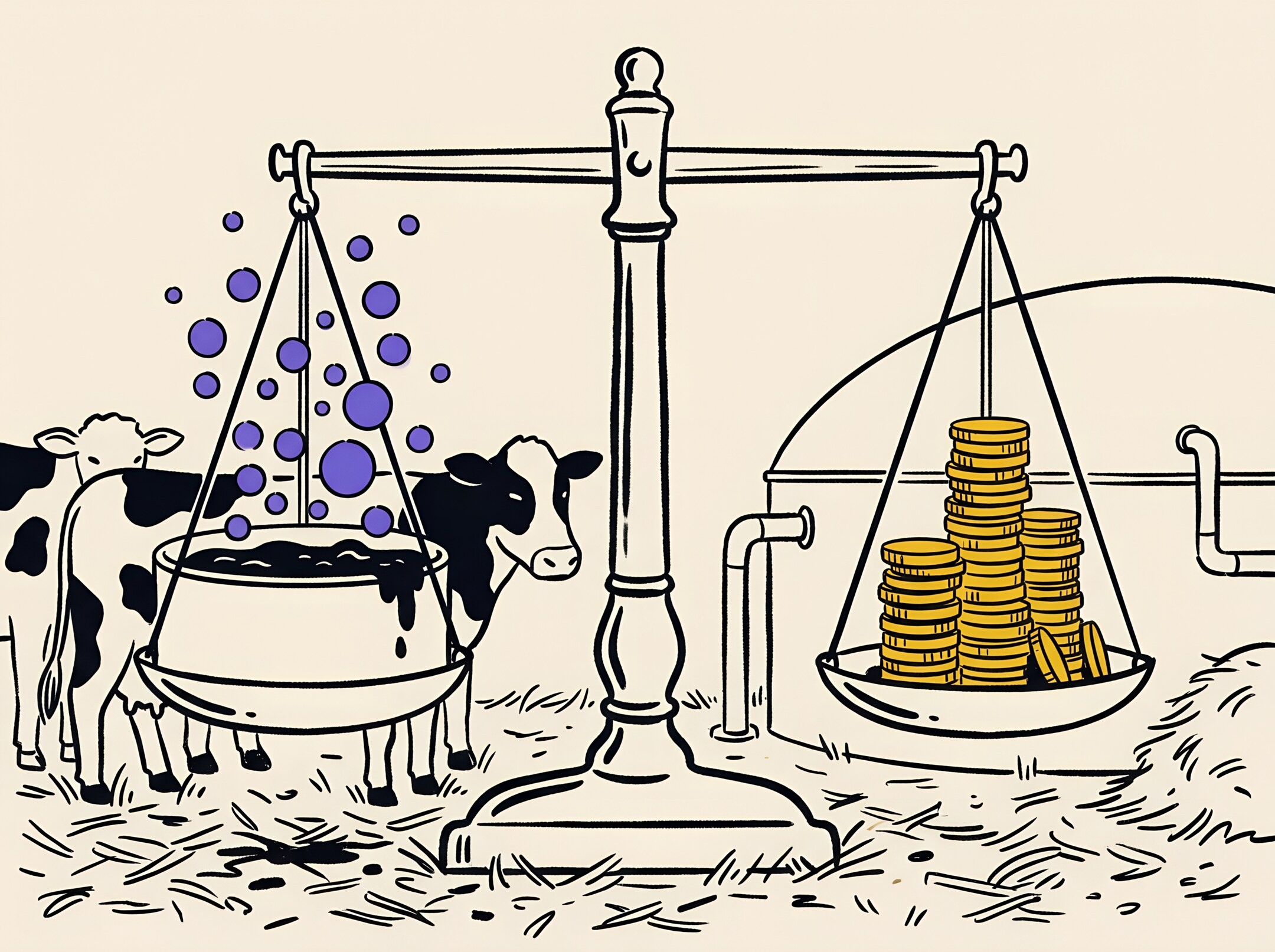

A model update in the United States quadrupled the tax credit for dairy-farm biomethane overnight, because the US credit pays for carbon intensity, while the European Union mostly measures the same performance as a pass or a fail.
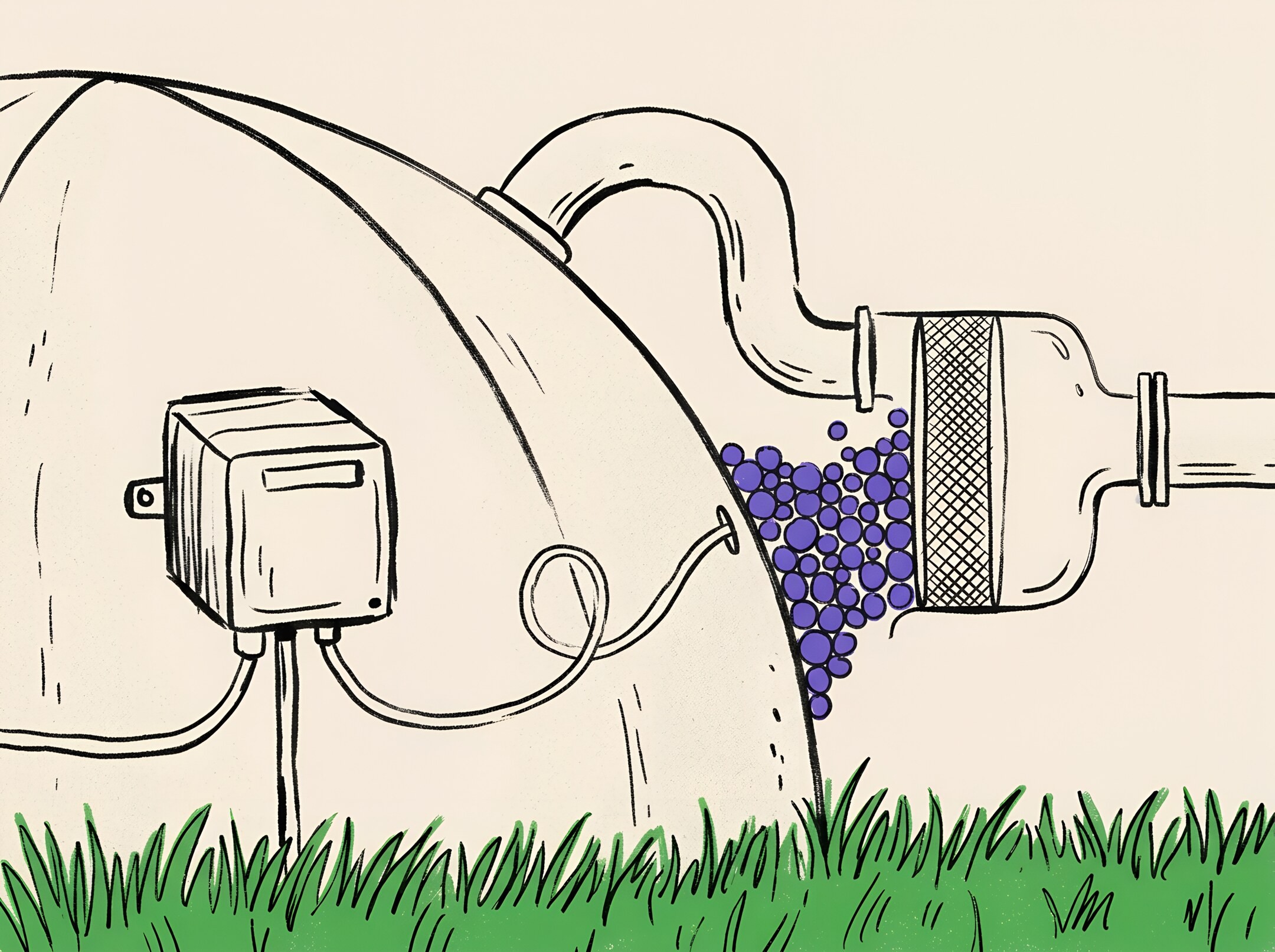

A clause buried in a gas tariff order makes oxygen a design parameter for Spanish biomethane plants, and shows how differently Europe handles a problem it hasn't yet agreed on.
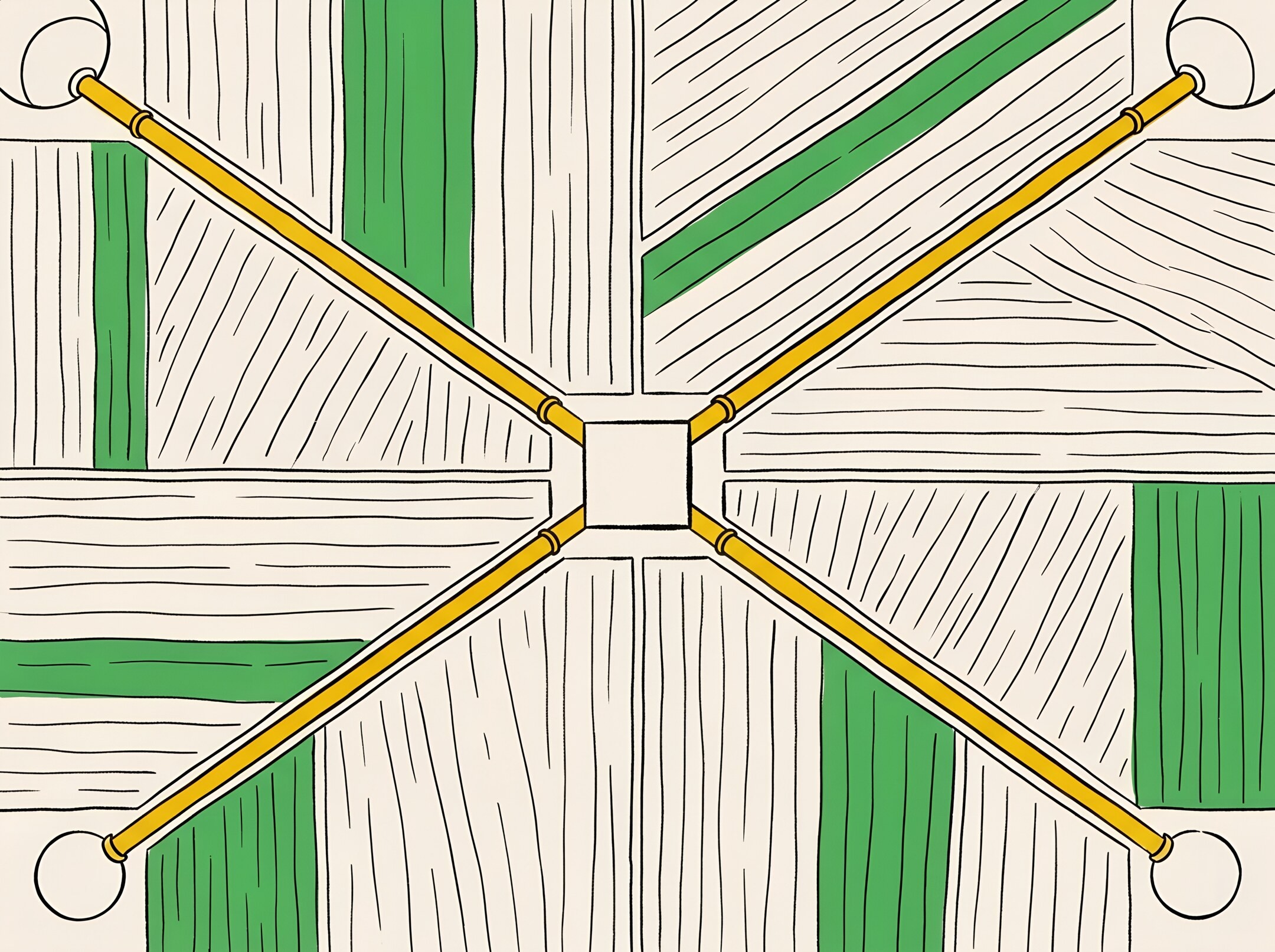
Calculations by the DVGW research centre in Karlsruhe show that if small biogas plants reach the gas grid through a shared upgrading unit and injection point, investment falls by up to 55% and the biomethane injected rises by 16% compared with connecting plants one by one.
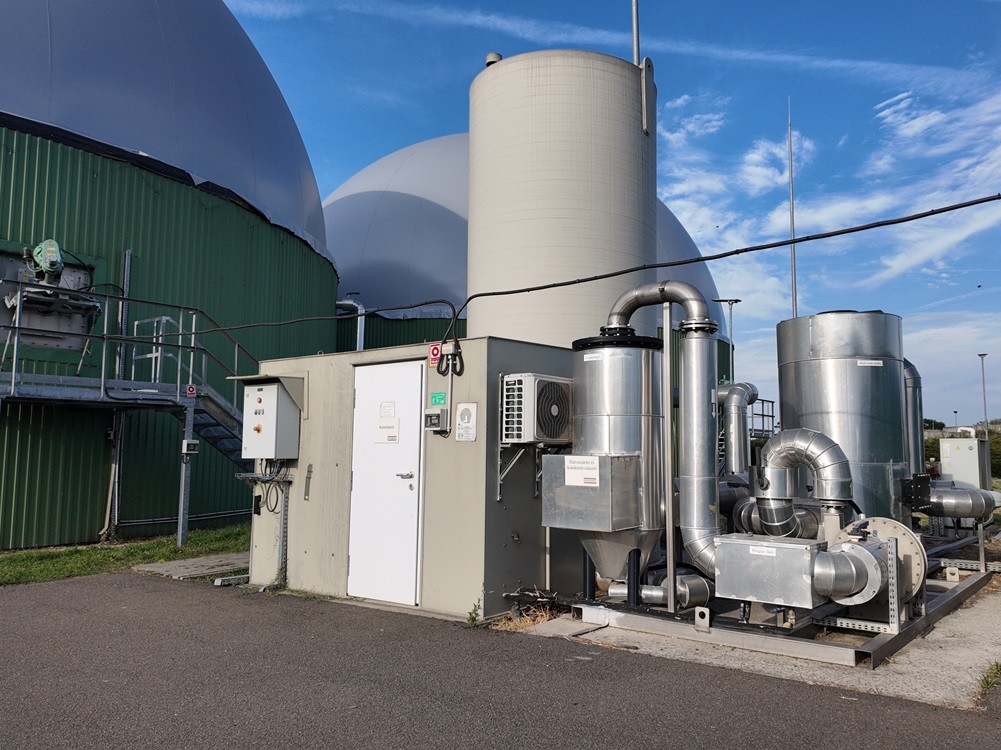
Dosing iron into the digester is one of a biogas plant's main defences against hydrogen sulphide, but iron chloride, iron hydroxide and iron oxide behave very differently – and reactivity matters more than the price per kilo.