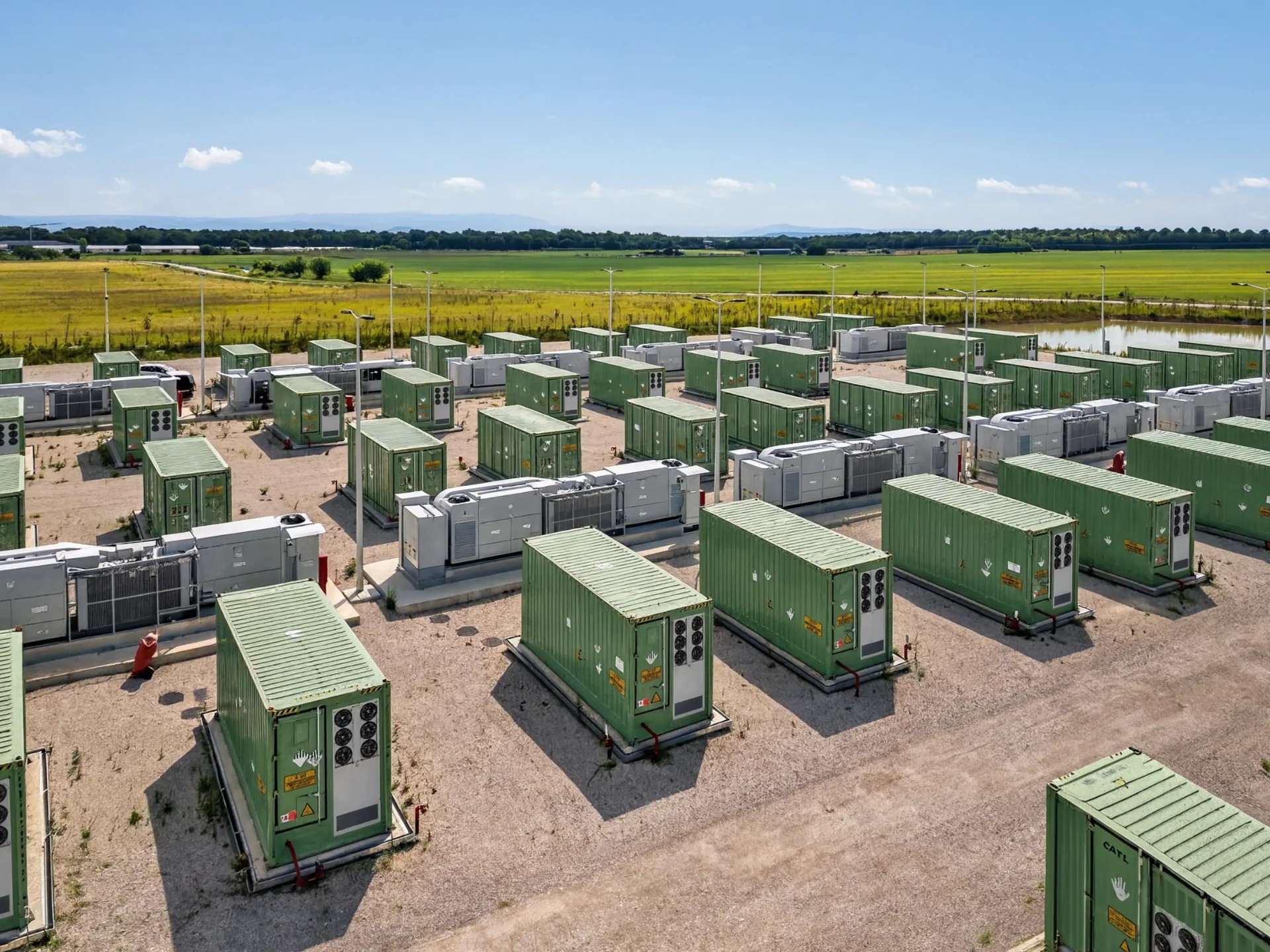
Record Biomethane Capacity in Europe – Just Five Countries Produce 95%
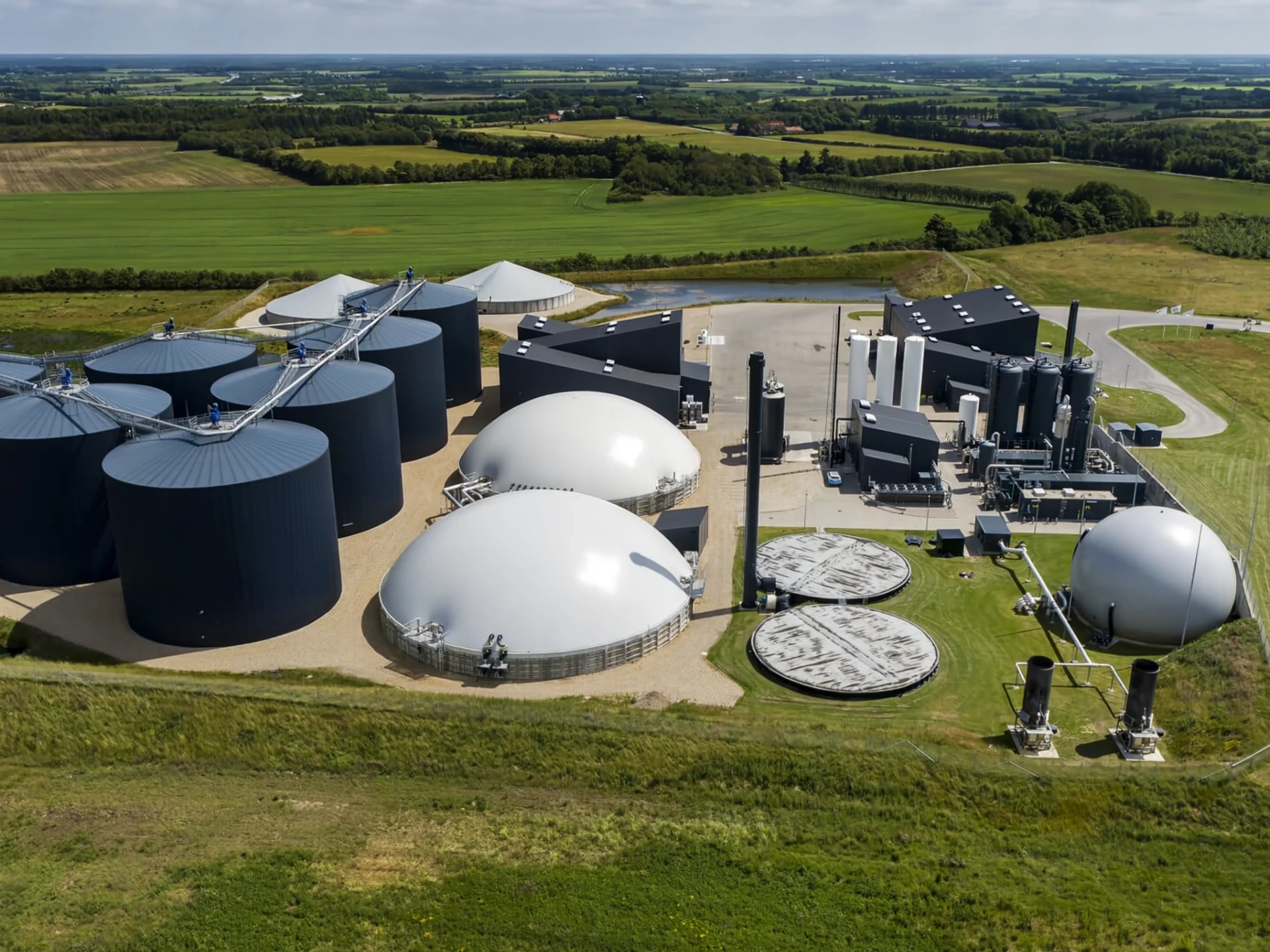
Europe's biomethane production capacity has hit a record high: by the end of the second quarter of 2026, the continent's installed capacity reached 8.2 billion m³/year, an increase of 17% on 2025. According to the map jointly published by the European Biogas Association (EBA) and Gas Infrastructure Europe (GIE) on 1 July 2026, more than 1 billion m³ of new production capacity came online in a single year (EBA, 2026b), taking Europe past the symbolic 8 billion m³ mark. The growth is, however, extremely uneven: according to the report, just five countries account for 95% of all European biomethane production. The expansion coincides with heightened political attention to energy security, as domestically produced renewable gas plays an increasingly prominent role in Europe's efforts to reduce import dependence.
Record capacity growth
The number of biomethane plants has also grown significantly: between the 2025 and 2026 data collection periods, the number of operating facilities in Europe rose from 1,678 to 1,975, with 327 new plants entering production.
Net growth is somewhat lower, as some facilities closed during the period. Nevertheless, the data show the sector's continued momentum.
The average capacity of biomethane plants is currently 472 Nm³/h, but there are significant differences between countries. Denmark has fewer but considerably larger plants, with an average capacity of 1,528 Nm³/h, while France – which has the most plants – operates facilities averaging just 212 Nm³/h. Italy and Germany, by contrast, are characterised by larger plants, with average capacities of 667 Nm³/h and 607 Nm³/h respectively. According to the EBA database, at least 86% of operating European biomethane plants are connected to the gas grid, 7% have no grid connection, and no data are available for the remaining 7% (GIE, 2026).

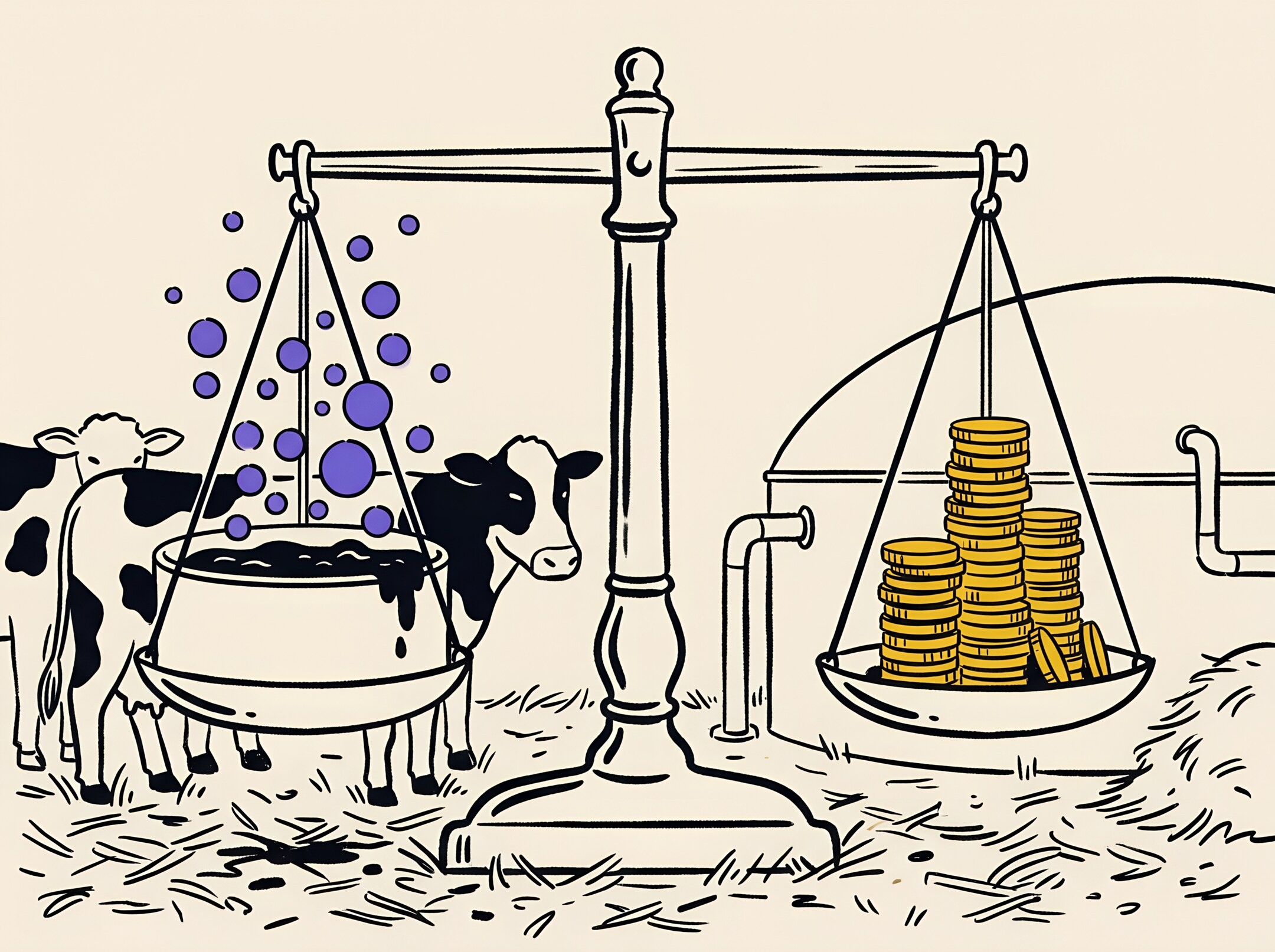

A model update in the United States quadrupled the tax credit for dairy-farm biomethane overnight, because the US credit pays for carbon intensity, while the European Union mostly measures the same performance as a pass or a fail.
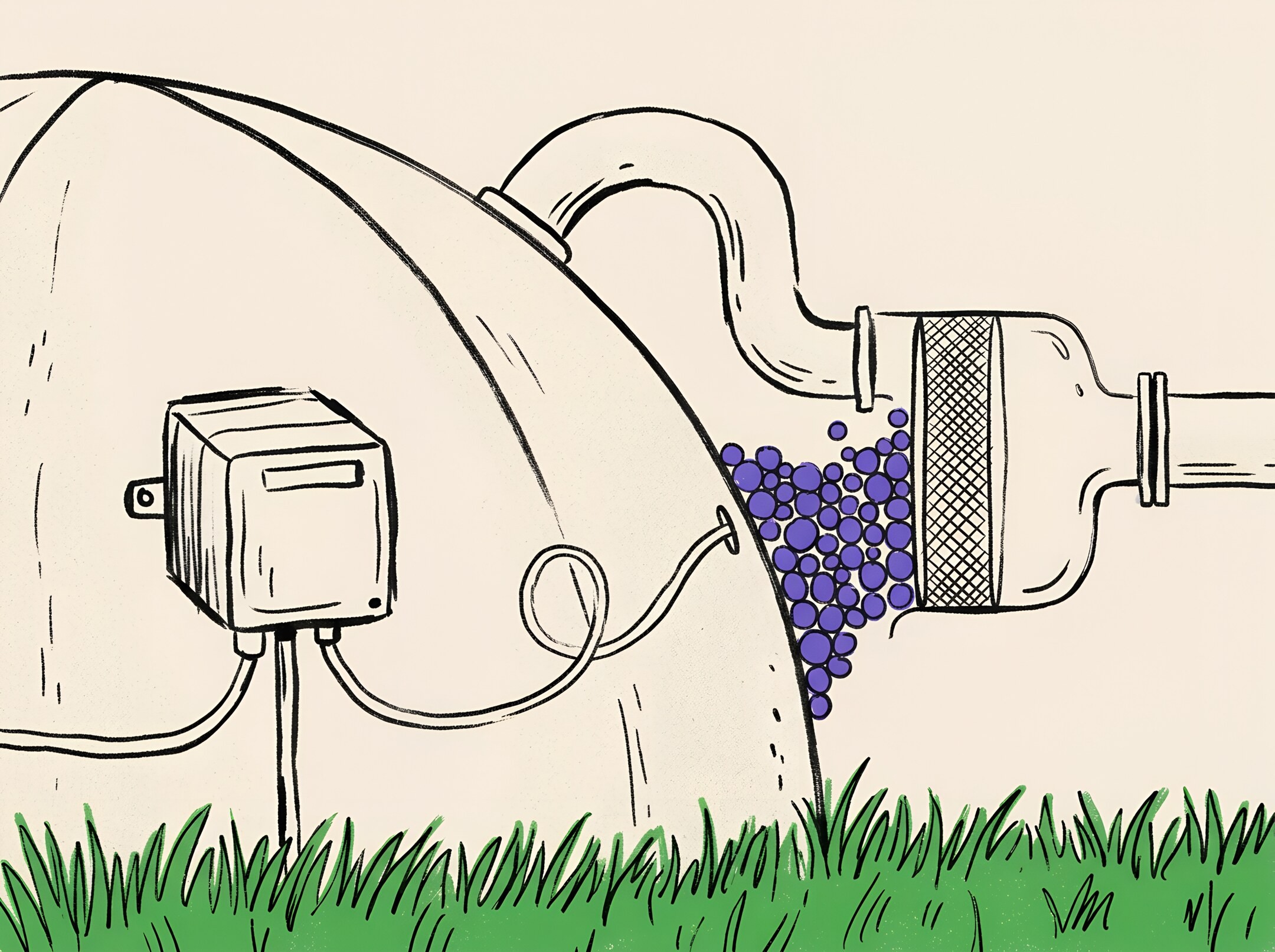

A clause buried in a gas tariff order makes oxygen a design parameter for Spanish biomethane plants, and shows how differently Europe handles a problem it hasn't yet agreed on.
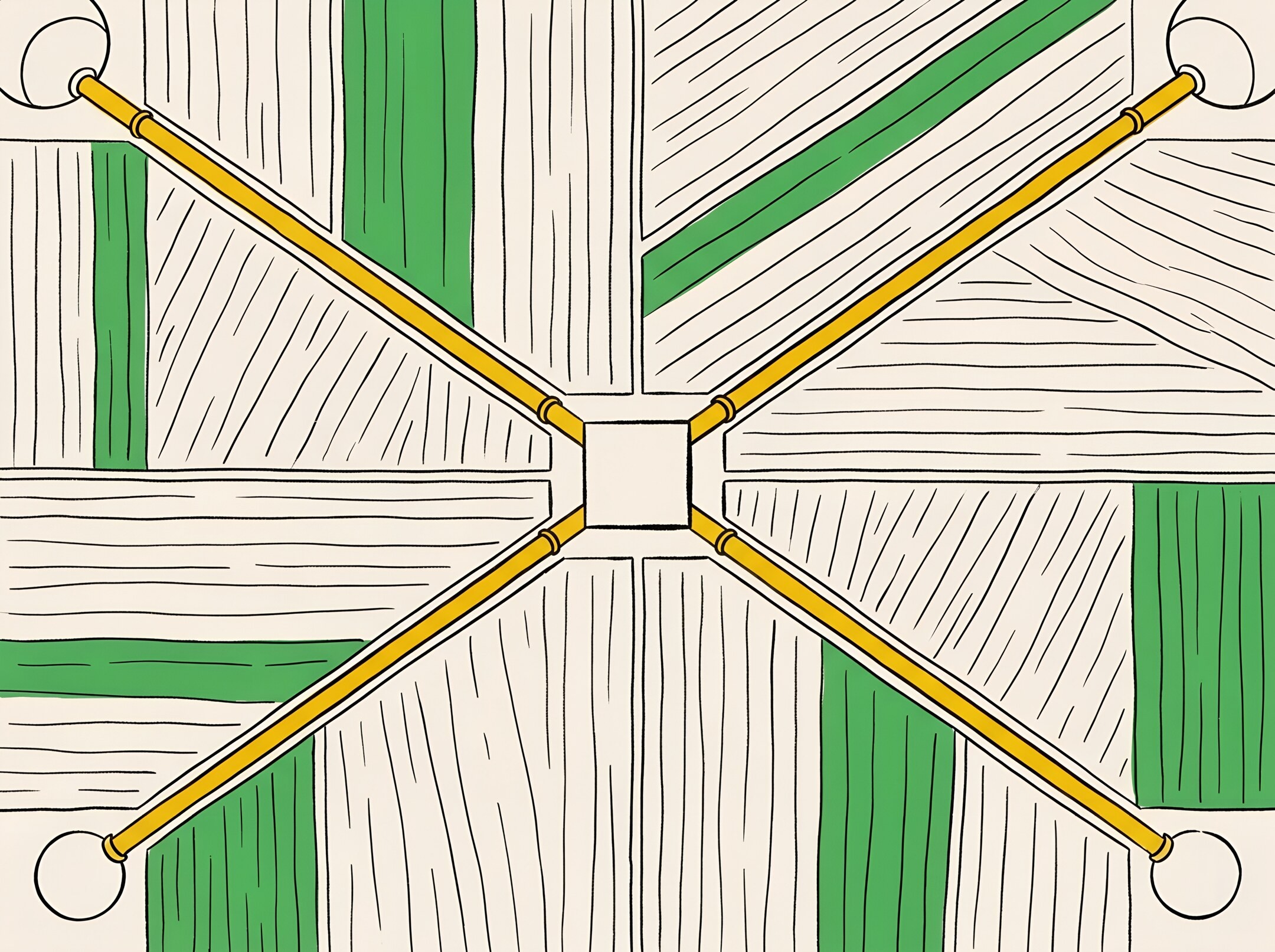
Calculations by the DVGW research centre in Karlsruhe show that if small biogas plants reach the gas grid through a shared upgrading unit and injection point, investment falls by up to 55% and the biomethane injected rises by 16% compared with connecting plants one by one.
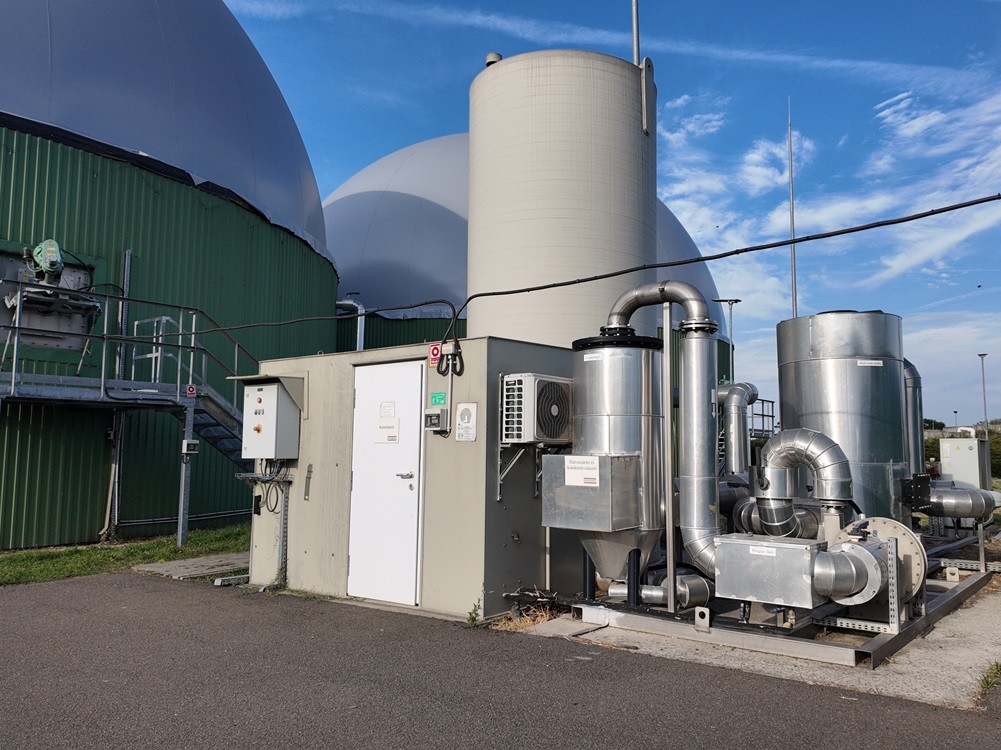
Dosing iron into the digester is one of a biogas plant's main defences against hydrogen sulphide, but iron chloride, iron hydroxide and iron oxide behave very differently – and reactivity matters more than the price per kilo.